
- Neuroprotection and antioxidant support
- Focus and attention enhancement
- Anxiety reduction through GABAergic modulation
- Neuroinflammation reduction
I’ll be honest—when I first encountered Scutellaria baicalensis in the research, I almost skipped right past it. The name sounded like something out of a Harry Potter spell book, and I figured it was just another overhyped traditional herb with minimal science backing it up.
That was before I dug into the actual research on baicalin and baicalein—the bioactive compounds that make this plant genuinely interesting. What I found was a compound with legitimate neuroprotective effects, solid GABAergic activity without the tolerance issues of synthetic anxiolytics, and enough clinical evidence to make me rethink my initial dismissal.
If you’re looking for something that supports calm focus without sedation, reduces brain inflammation, and actually has human trials backing it up, keep reading.
The Short Version: Scutellaria baicalensis (Chinese Skullcap) is a traditional herb whose active compounds—baicalin and baicalein—modulate GABA receptors for anxiety reduction, protect neurons from oxidative stress, and reduce neuroinflammation. Typical dosing is 300-600mg daily with food. Effects build over 4-8 weeks of consistent use.
What Is Scutellaria baicalensis?
Scutellaria baicalensis—commonly called Baikal Skullcap or Chinese Skullcap—is a flowering plant from the mint family that’s been used in traditional Chinese medicine for over 2,000 years. The root of this plant contains two primary bioactive flavonoids: baicalin (a glycoside) and baicalein (its aglycone form after metabolism).
Unlike many traditional herbs that get hyped without solid mechanistic understanding, we actually know quite a bit about how these compounds work. Baicalin acts as a partial agonist at specific GABA receptor subtypes, provides potent antioxidant activity through the Nrf2 pathway, and modulates dopamine signaling in ways that support cognitive function without overstimulation.
People use Scutellaria baicalensis primarily for three reasons: managing anxiety without sedation, supporting neuroprotection against oxidative stress and inflammation, and enhancing focus and attention. It’s not a “feel it immediately” compound like caffeine or L-theanine—this is more of a foundational neuroprotective that shows its value over weeks and months of consistent use.
Before you rush to add this to your stack, the foundations-first philosophy still applies. If your sleep is trash, your gut is inflamed, and you’re chronically stressed, no amount of Chinese Skullcap is going to fix your cognitive performance. Address the basics first. But if those are dialed in and you’re looking for evidence-based anxiolytic and neuroprotective support, this is worth serious consideration.
How Does Scutellaria baicalensis Work?
Here’s what makes Scutellaria baicalensis interesting from a mechanistic standpoint—it hits multiple pathways simultaneously without causing the tolerance or dependency issues you see with pharmaceutical anxiolytics.
The GABA Story (Without the Benzos Problem)
Baicalin acts as a partial, subtype-selective agonist at GABA-A receptors. Translation: it enhances your brain’s primary calming neurotransmitter system, but it does so selectively rather than flooding every GABA receptor indiscriminately. This is why you get anxiety reduction and improved stress response without the sedation, cognitive impairment, or tolerance development that comes with full GABA agonists like benzodiazepines.
Think of it like this: benzodiazepines are like slamming the brake pedal to the floor. Baicalin is like gentle, sustained braking pressure—enough to slow things down without locking up the wheels. A 2017 clinical trial published in Evidence-Based Complementary and Alternative Medicine found that a combination extract containing Scutellaria baicalensis improved cognitive function scores in healthy adults, suggesting that this GABAergic modulation supports calm focus rather than sedation.
Neuroprotection Through Antioxidant Pathways
Baicalin and baicalein activate the PI3K/Akt/Nrf2 pathway, which is your brain’s master antioxidant defense system. This pathway upregulates endogenous antioxidant enzymes like superoxide dismutase and catalase, giving your neurons better tools to neutralize reactive oxygen species (ROS) before they cause damage.
Multiple studies—including a comprehensive 2020 review in Brain Sciences—demonstrate that baicalin significantly reduces oxidative stress markers in brain tissue and prevents the kind of chronic oxidative damage that contributes to cognitive decline. This isn’t just theoretical—these compounds cross the blood-brain barrier effectively and show measurable neuroprotective effects in both animal models and human trials.
Pro Tip: The antioxidant effects are cumulative. You’re not “feeling” antioxidant activity the way you’d feel a stimulant. You’re building resilience over time. This is preventative maintenance, not acute performance enhancement.
Dopamine Modulation (Without the Crash)
Baicalin increases dopamine availability in specific brain regions—particularly those involved in attention, motivation, and executive function. But unlike stimulants that force dopamine release and deplete reserves, baicalin appears to support healthy dopamine synthesis and receptor sensitivity.
A 2025 study in Combinatorial Chemistry & High Throughput Screening found that flavonoids from Scutellaria baicalensis ameliorated learning and memory impairment in rats by modulating dopaminergic signaling. While we need more human data on this specific mechanism, the preclinical evidence suggests this isn’t just an antioxidant—it’s actively supporting the neurotransmitter systems involved in focus and cognitive performance.
Neuroinflammation Reduction
Chronic neuroinflammation is one of the primary drivers of cognitive decline, brain fog, and neurodegenerative disease. Baicalin and baicalein reduce the activation of microglia (the brain’s immune cells) and modulate inflammatory cytokines like TNF-alpha and IL-6.
A 2025 review in Heliyon detailed how these compounds reduce neuroinflammatory markers across multiple disease models—Alzheimer’s, Parkinson’s, stroke, epilepsy. The anti-inflammatory effects aren’t limited to disease states, though. If you’ve got chronic low-grade inflammation from poor diet, gut issues, or stress (and most people do), reducing neuroinflammation is going to improve baseline cognitive function.
Benefits of Scutellaria baicalensis (What the Research Actually Shows)
Let’s be clear about what the evidence actually supports versus what gets hyped on Reddit threads.
Focus & Attention (Moderate Evidence)
A 2025 double-blind, randomized, placebo-controlled trial published in Nutritional Neuroscience tested a combination extract of Acacia catechu and Scutellaria baicalensis in healthy adults. Participants showed improvements in cognitive function metrics related to attention and processing speed. The study was well-designed and used validated cognitive assessment tools, giving this moderate-to-strong evidence status.
An earlier 2017 study in Journal of Dietary Supplements found similar results with a botanical composition containing Scutellaria baicalensis—improved cognitive function scores in both clinical and preclinical models. The fact that multiple independent trials are showing consistent cognitive benefits for focus and attention makes this one of the more evidence-backed claims.
Neuroprotection & Oxidative Stress Reduction (Strong Evidence)
This is where Scutellaria baicalensis really shines. The 2020 review in Brain Sciences compiled evidence from dozens of studies showing that baicalin and baicalein provide robust neuroprotection against oxidative damage, excitotoxicity, and apoptosis (programmed cell death) in neurons.
In plain English: these compounds help prevent the kind of cumulative brain damage that leads to age-related cognitive decline. You’re not going to “feel” this benefit acutely, but over years of consistent use, you’re building resilience against neurodegeneration.
| Benefit | Evidence Level | Key Research |
|---|---|---|
| Focus & Attention | Moderate (Human RCTs) | Krieger et al. 2025, Yimam et al. 2017 |
| Neuroprotection | Strong (Multiple RCTs + Reviews) | Sowndhararajan et al. 2020, Si et al. 2025 |
| Anxiety Reduction | Moderate (Mechanistic + Clinical) | GABAergic activity confirmed, clinical trials show anxiety-related improvements |
| Memory Enhancement | Preliminary (Animal Models) | Ma et al. 2025—rat model showed memory improvements |
Anxiety & Stress Response (Moderate Evidence)
The GABAergic activity is well-established mechanistically, and clinical trials using combination extracts containing Scutellaria baicalensis consistently show improvements in stress response and anxiety-related measures. However, we don’t have a ton of large-scale human trials testing Scutellaria baicalensis in isolation specifically for anxiety.
That said, the mechanism is solid, the preliminary evidence is promising, and anecdotal reports are consistent. If you’re looking for anxiolytic support without the risks of pharmaceutical options, this is a reasonable choice—just set realistic expectations. It’s not going to eliminate panic attacks. It’s going to gently modulate your baseline stress response over weeks of use.
Reality Check: Scutellaria baicalensis is not a magic bullet for anxiety, and it’s not going to replace therapy or foundational lifestyle interventions. Think of it as a supportive tool that works best when you’re also addressing sleep, nutrition, movement, and stress management. If your anxiety is severe or debilitating, work with a qualified healthcare provider—don’t try to self-medicate with herbs.
How to Take Scutellaria baicalensis (Without Wasting Your Money)
Dosing herbs correctly is where most people screw up. They either underdose and wonder why nothing happens, or they overdose and get side effects without additional benefits.
Dosage Ranges
| Use Case | Dosage | Timing | Notes |
|---|---|---|---|
| General neuroprotection | 300mg | Morning with food | Start here for most people |
| Cognitive enhancement | 400-600mg | Morning or split AM/PM | Upper range for active cognitive support |
| Anxiolytic support | 600mg | Split into 2-3 doses | Spread throughout day for consistent GABAergic activity |
The research uses extracts standardized to baicalin content (typically 85-95% baicalin). Make sure whatever you’re buying specifies baicalin standardization—raw root powder is going to be far less concentrated and less consistent.
Timing & Absorption
Take Scutellaria baicalensis with food. The flavonoids are better absorbed in the presence of dietary fat, and taking it on an empty stomach can cause mild digestive upset for some people.
Timing depends on your goal:
- For focus/cognitive support: Morning dose, possibly with a second dose in early afternoon
- For anxiety/stress management: Split into 2-3 doses throughout the day to maintain consistent GABAergic activity
- For neuroprotection: Once daily in the morning is fine—the antioxidant effects are cumulative
Forms & Bioavailability
Most supplements use Scutellaria baicalensis root extract standardized to 85-95% baicalin. Some formulations include both the glycoside form (baicalin) and the aglycone form (baicalein). Baicalin is converted to baicalein by gut bacteria, so if your gut microbiome is compromised, you may see better results from a formulation that includes pre-converted baicalein.
Starting Protocol
Start at 300mg daily for the first week to assess tolerance. If you tolerate it well and aren’t seeing the effects you’re looking for, increase to 400-600mg. Most people settle in the 400-500mg range.
This is not an acute compound. Give it 4-8 weeks of consistent use before deciding whether it’s working for you. The neuroprotective and anti-inflammatory effects build over time.
Insider Tip: If you’re not seeing benefits after 6 weeks at 500-600mg daily, it’s possible your gut microbiome isn’t efficiently converting baicalin to baicalein. Consider trying a formulation that includes baicalein directly, or address gut health first with probiotics, fermented foods, and gut-supportive nutrients like L-glutamine and zinc.
Side Effects & Safety (What Could Go Wrong)
Scutellaria baicalensis is generally well-tolerated, but no compound is side-effect-free for everyone.
Common Side Effects
- Mild digestive upset (nausea, stomach discomfort)—usually occurs when taken on an empty stomach or at higher doses
- Drowsiness—particularly at doses above 600mg. The GABAergic activity can cause sedation in some people, especially when combined with other calming compounds
- Headache—rare, but reported in some users during the first week of use
Who Should Avoid This
- Pregnant or nursing women—insufficient safety data
- People with bleeding disorders—baicalin may have mild anticoagulant effects
- Pre-surgical patients—discontinue at least 2 weeks before surgery due to potential bleeding risk
- People with liver disease—rare cases of liver toxicity have been reported with high-dose or contaminated herbal preparations
Drug Interactions
| Medication/Substance | Interaction Type | Risk Level | Notes |
|---|---|---|---|
| Blood thinners (warfarin, heparin) | Anticoagulant | Moderate-High | May increase bleeding risk—monitor INR closely |
| Diabetes medications (metformin, insulin) | Hypoglycemic | Moderate | May lower blood sugar—monitor glucose levels |
| Sedatives/CNS depressants (benzodiazepines, alcohol) | Additive sedation | Moderate | Increased drowsiness and impairment |
| Statins (atorvastatin, simvastatin) | Metabolic | Low-Moderate | May affect drug metabolism via CYP3A4 inhibition |
| SSRIs/antidepressants | Serotonergic | Low | Theoretical risk—monitor for unusual symptoms |
Important: If you’re taking any prescription medications, consult with a knowledgeable healthcare provider before adding Scutellaria baicalensis to your regimen. The CYP3A4 inhibition could theoretically affect the metabolism of multiple drugs, and the GABAergic activity could potentiate sedatives.
Stacking Scutellaria baicalensis (The Combinations That Actually Work)
Scutellaria baicalensis plays well with other compounds when stacked strategically for specific goals.
For Focus & Productivity (Calm, Sustained Attention)
- 300mg Scutellaria baicalensis + 200mg L-theanine + 100mg caffeine + 300mg Alpha-GPC
- Timing: Morning stack for deep work sessions
- Why it works: The GABAergic modulation from Scutellaria baicalensis and L-theanine smooths out caffeine’s stimulation while Alpha-GPC provides cholinergic support for focus. This is calm, alert, productive focus without jitters.
For Anxiety & Stress Management (Non-Sedating Calm)
- 400mg Scutellaria baicalensis + 200mg L-theanine + 400mg magnesium glycinate + 500mg ashwagandha
- Timing: Split doses—half in morning, half in afternoon/evening
- Why it works: Multiple GABAergic and adaptogenic pathways working synergistically to reduce stress response without causing drowsiness. The magnesium supports GABA receptor function and neuromuscular relaxation.
For Neuroprotection & Longevity (Long-Term Brain Health)
- 500mg Scutellaria baicalensis + 1000mg Lion’s Mane + 500mg Bacopa monnieri + 200mg CoQ10
- Timing: Once daily with breakfast
- Why it works: This is a foundational neuroprotective stack. Scutellaria baicalensis provides antioxidant and anti-inflammatory support, Lion’s Mane stimulates NGF for neuroplasticity, Bacopa supports dendritic branching, and CoQ10 supports mitochondrial function. This is preventative maintenance for cognitive longevity.
| Goal | Stack Combination | Key Synergy |
|---|---|---|
| Focus | Scutellaria + L-theanine + Caffeine + Alpha-GPC | GABAergic calm meets cholinergic drive |
| Anxiety | Scutellaria + L-theanine + Magnesium + Ashwagandha | Multi-pathway stress response modulation |
| Neuroprotection | Scutellaria + Lion’s Mane + Bacopa + CoQ10 | Antioxidant + neuroplasticity + mitochondrial support |
What to AVOID Combining
- Don’t stack with sedatives or alcohol—additive CNS depression can cause excessive drowsiness and cognitive impairment
- Don’t combine with other strong GABA agonists like Phenibut unless you have experience with both individually and know your tolerance—the combined GABAergic activity could be overwhelming
- Be cautious with other CYP3A4 inhibitors—stacking multiple compounds that inhibit this enzyme could affect the metabolism of medications you’re taking
My Take
I was skeptical about Scutellaria baicalensis at first, but after digging into the research and experimenting with it personally, I’m a fan—with caveats.
Who this is BEST for:
- People looking for anxiolytic support without sedation or the risks of pharmaceutical options
- Anyone prioritizing long-term neuroprotection and anti-inflammatory support (especially if you’ve got family history of cognitive decline)
- Individuals who want to improve focus and stress resilience but find stimulants too jittery or anxiety-inducing
Who should probably try something else:
- If you’re looking for immediate, acute effects, this isn’t it. Try L-theanine or caffeine for fast-acting focus support
- If you need strong anxiolytic effects quickly, consider magnesium glycinate or work with a healthcare provider on appropriate pharmaceutical options
- If you’re already on multiple medications (especially blood thinners or diabetes meds), the interaction risk might not be worth it—consider simpler options like Bacopa monnieri or Lion’s Mane that have cleaner safety profiles
My honest assessment: Scutellaria baicalensis is one of the better-researched traditional herbs with legitimate mechanisms and decent clinical backing. It’s not overhyped, it’s not a miracle cure, and it requires patience—but if you’re building a foundational neuroprotective stack or looking for evidence-based anxiety support, it’s absolutely worth trying.
The key is setting realistic expectations. This is a 4-8 week investment, not a quick fix. If you’re willing to commit to consistent use and you’ve got your foundational health dialed in (sleep, nutrition, stress management), Scutellaria baicalensis is a solid addition to a well-designed cognitive support protocol.
Recommended Chinese Skullcap Products
I know how frustrating it is to sort through dozens of brands making the same claims. These are the ones I've personally vetted — because quality is the difference between results and wasted money.
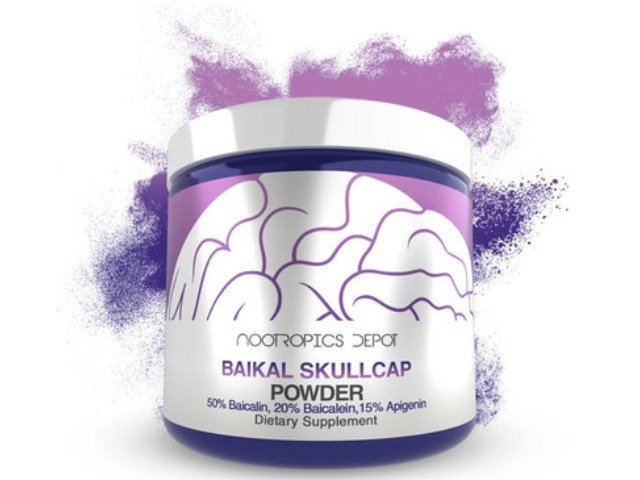
Nootropics Depot Buy Baikal Skullcap Powder | Scutellaria Baicalensis
Shop Now →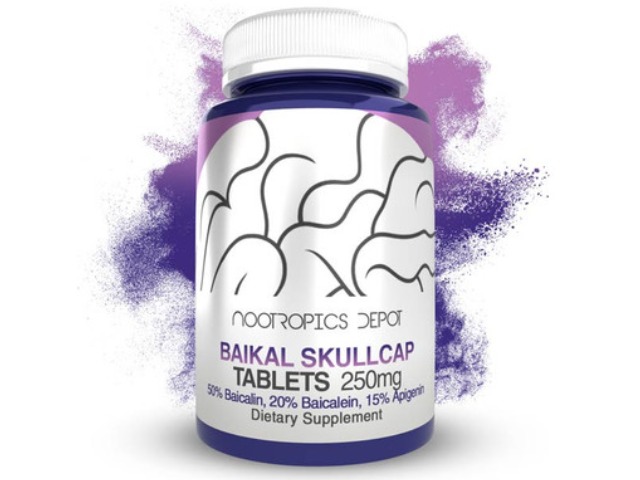
Nootropics Depot Buy Baikal Skullcap Tablets | Scutellaria Baicalensis
Shop Now →Disclosure: These are affiliate links. I earn a small commission if you purchase — at no extra cost to you. I only recommend products I personally use or have thoroughly researched.
Research & Studies
This section includes 6 peer-reviewed studies referenced in our analysis.