
- Enhances mitochondrial energy production
- Reduces neuroinflammation and oxidative stress
- Supports synaptic plasticity and cognitive function
- Promotes cellular longevity and neuroprotection
I’ll admit it: the first time someone told me about shilajit, I thought they were messing with me. A sticky black tar that oozes out of Himalayan rocks and supposedly makes your brain work better? It sounded like the plot of a fantasy novel, not a legitimate nootropic.
But after digging into the research—and eventually trying it myself—I realized this ancient resin isn’t just folklore. It’s one of the most fascinating mitochondrial boosters I’ve come across, with solid science backing its effects on energy production, neuroprotection, and cognitive longevity.
If you’re curious whether this weird mountain goo is worth adding to your stack, this guide breaks down what shilajit actually does, how to use it, and whether it’s the right fit for you.
The Short Version: Shilajit is a mineral-rich resin formed over centuries from decomposed plant matter in high-altitude mountains. Its primary bioactive compound, fulvic acid, enhances mitochondrial function, reduces neuroinflammation, and protects brain cells from oxidative stress. Typical doses range from 300-500mg daily, and most users need 8-12 weeks of consistent use to notice cognitive benefits.
What Is Shilajit?
Shilajit (pronounced “shil-ah-jeet”) is a blackish-brown resin that forms over centuries as plant material decomposes and gets compressed between layers of rock in mountain ranges—primarily the Himalayas, but also the Altai, Caucasus, and other high-altitude regions. It’s not technically a plant extract or a mineral supplement—it’s a complex bioactive substance that contains fulvic acid, humic acid, dibenzo-alpha-pyrones, and over 85 trace minerals.
In Ayurvedic medicine, shilajit has been revered for thousands of years as a “rasayana”—a rejuvenator that promotes longevity and vitality. Traditional practitioners prescribed it for everything from physical stamina to cognitive clarity to sexual health. The Sanskrit name translates roughly to “conqueror of mountains and destroyer of weakness,” which gives you a sense of how highly it was regarded.
Modern research has validated many of these traditional uses, particularly shilajit’s role as a mitochondrial enhancer and neuroprotectant. But here’s the catch: quality matters enormously. Authentic, properly purified shilajit is expensive and hard to source. Low-quality products can contain heavy metals, mycotoxins, or other contaminants that negate any potential benefit—or worse, cause harm. Always purchase from vendors who provide third-party testing for purity and heavy metal content.
How Does Shilajit Work? (The Mitochondrial Connection)
If your brain were a city, mitochondria would be the power plants. They generate ATP—the energy currency your neurons need to fire, form new connections, and repair damage. When mitochondrial function declines, so does cognitive performance. You feel foggy, fatigued, mentally sluggish.
Shilajit works primarily by supercharging your mitochondria. Its star compound, fulvic acid, acts as a cellular transport molecule that shuttles nutrients into cells and helps mitochondria produce energy more efficiently. Think of it as upgrading your power grid to handle more capacity with less waste.
But shilajit doesn’t stop at energy production. Research shows it stimulates mitochondrial biogenesis—the creation of brand-new mitochondria. A 2012 study in the International Journal of Alzheimer’s Disease found that shilajit activates signaling pathways that promote mitochondrial proliferation, essentially giving your cells more power plants to work with. This is huge for long-term brain health, because mitochondrial density declines as we age.
The compound also delivers potent antioxidant protection. Fulvic acid neutralizes reactive oxygen species (free radicals) that damage cellular membranes, DNA, and proteins. This dual action—boosting energy production while simultaneously protecting against the oxidative stress that energy production creates—is what makes shilajit such an effective neuroprotective agent.
Finally, shilajit reduces neuroinflammation by inhibiting the NF-κB signaling pathway, which drives the production of pro-inflammatory cytokines like TNF-alpha and IL-6. Chronic neuroinflammation is a driver of cognitive decline and neurodegenerative disease, so anything that tamps it down is worth paying attention to.
In plain English: shilajit helps your brain generate more energy, build more energy-producing infrastructure, defend against cellular damage, and reduce the inflammatory processes that accelerate aging. It’s a multi-pronged approach to cognitive longevity.
Benefits of Shilajit (What the Research Actually Shows)
Enhanced Mitochondrial Function and Energy
This is where shilajit truly shines. Multiple studies demonstrate that shilajit supplementation increases mitochondrial oxygen consumption and ATP production. In animal models, shilajit has been shown to restore mitochondrial function in aged animals to levels comparable to younger controls.
The practical upshot? Users often report sustained mental energy without the jittery crash of stimulants. It’s not a “feel it in 30 minutes” effect like caffeine—it’s a gradual upregulation of your cellular energy systems over weeks.
Cognitive Function and Neuroprotection
A 2012 review in the International Journal of Alzheimer’s Disease examined shilajit’s potential as a procognitive agent and found promising evidence for its neuroprotective properties. The compound appears to support synaptic plasticity—the brain’s ability to form and reorganize connections—by ensuring neurons have adequate energy for the metabolically demanding processes of learning and memory.
A 2023 study published in Turkish Neurosurgery investigated shilajit’s neuroprotective effects in an experimental traumatic brain injury model in rats. The researchers found that shilajit extract significantly reduced brain edema, oxidative stress markers, and neuronal damage compared to controls. While this is an animal model (not a human trial), it supports the mechanism by which shilajit protects brain tissue from injury and inflammation.
Reality Check: Most of the cognitive research on shilajit comes from animal studies or small human trials. The evidence is encouraging, but we need larger, longer-term human RCTs to make definitive claims. That said, the safety profile is strong, and the mechanistic basis for cognitive benefits is solid.
Stress Resilience and Adaptogenic Effects
Shilajit is classified as an adaptogen—a substance that helps the body resist and adapt to stressors. It appears to modulate the hypothalamic-pituitary-adrenal (HPA) axis, which governs your stress response, and may help buffer against the cognitive impairments that chronic stress produces.
This ties back to mitochondrial function: chronic stress depletes cellular energy reserves, and shilajit helps restore them. Think of it as refilling your gas tank after a long, demanding drive.
Antioxidant and Anti-Aging Properties
Shilajit’s fulvic acid content gives it potent free-radical-scavenging abilities. Studies show it prevents lipid peroxidation (oxidative damage to cell membranes) and supports endogenous antioxidant systems like glutathione and superoxide dismutase.
For cognitive longevity, this matters. Oxidative stress accumulates over time and is a major contributor to neurodegenerative diseases like Alzheimer’s and Parkinson’s. Compounds like shilajit that both generate cellular energy and protect against the oxidative byproducts of that energy production are rare and valuable.
How to Take Shilajit (Without Wasting Your Money)
Dosage
The sweet spot for most people is 300-500mg daily. Clinical studies have used doses in this range with good results and minimal side effects.
| Use Case | Dosage | Timing | Notes |
|---|---|---|---|
| General health/longevity | 300mg | Morning with food | Start here |
| Cognitive enhancement | 400-500mg | Morning with food | Assess tolerance over 8-12 weeks |
| Athletic performance | 500mg | Pre-workout or morning | Some users split into 2 doses |
Insider Tip: Start at 300mg for the first two weeks. Shilajit’s effects are cumulative, not acute. You’re not going to feel a dramatic shift on day one, and that’s fine—you’re building mitochondrial density, not chasing a caffeine-like buzz.
Forms
Shilajit comes in several forms:
| Form | Bioavailability | Cost | Best For |
|---|---|---|---|
| Resin (paste) | Highest | $$$ | Purists, serious users |
| Powder | Moderate-High | $$ | Capsule convenience |
| Liquid extract | Variable | $$ | Easy dosing, but check purity |
| Tablets/Capsules | Moderate | $ | Convenient, travel-friendly |
Resin is considered the gold standard because it’s minimally processed and retains the full spectrum of bioactive compounds. It’s sticky, smells earthy (some say unpleasant), and dissolves in warm water or milk. If you can tolerate the texture and taste, it’s the most potent option.
Powder and capsules are more convenient and still effective, but make sure you’re buying from a vendor with third-party testing. The supplement industry is rife with low-quality shilajit cut with fillers or contaminated with heavy metals.
Timing
Take shilajit in the morning with food. The fulvic acid aids nutrient absorption, so pairing it with a meal that includes healthy fats (eggs, avocado, nuts) can enhance uptake. Some users report mild digestive upset on an empty stomach, so food is a good buffer.
Cycling
There’s no strong evidence that you need to cycle shilajit. Unlike stimulants or substances that affect receptor sensitivity, shilajit’s primary action is on mitochondrial function and antioxidant systems—mechanisms that don’t typically lead to tolerance.
That said, many users follow a 5 days on, 2 days off pattern simply to give their body periodic breaks. It’s not mandatory, but it’s a conservative approach if you’re unsure.
Side Effects & Safety (What Could Go Wrong)
Shilajit is generally well-tolerated, but it’s not side-effect-free.
Common side effects (mild, often resolve with continued use):
- Digestive upset (nausea, diarrhea)
- Headache
- Dizziness or lightheadedness
- Increased urination (fulvic acid is a diuretic)
Who should avoid shilajit:
- Pregnant or nursing women (insufficient safety data)
- People with gout or high uric acid (shilajit may increase uric acid levels)
- Anyone with hemochromatosis or iron overload disorders (shilajit contains iron)
Drug Interactions (IMPORTANT)
| Medication/Substance | Interaction Type | Risk Level | Notes |
|---|---|---|---|
| Blood thinners (warfarin, aspirin) | Anticoagulant potentiation | Moderate | May increase bleeding risk—monitor closely |
| Diabetes medications | Blood sugar lowering | Moderate | May enhance hypoglycemic effects—monitor glucose |
| Diuretics | Additive diuretic effect | Low-Moderate | May increase urination and electrolyte loss |
| Iron supplements | Additive iron | Low | Could contribute to iron overload in susceptible individuals |
Important: The biggest safety concern with shilajit isn’t the compound itself—it’s contamination. Unprocessed or poorly sourced shilajit can contain heavy metals (lead, mercury, arsenic), mycotoxins, or free radicals. Always buy from reputable vendors who provide certificates of analysis (COAs) with third-party testing for purity and heavy metals. This is non-negotiable.
Stacking Shilajit (The Combinations That Actually Work)
Shilajit plays well with others because it enhances nutrient absorption and mitochondrial function—two mechanisms that amplify the effects of other nootropics and adaptogens.
For Energy & Cognitive Performance
The Morning Powerhouse Stack:
- 400mg Shilajit (resin or powder)
- 500mg Rhodiola Rosea extract
- 200mg L-Theanine
- 100mg Caffeine
This combination gives you clean, sustained energy without overstimulation. The shilajit provides mitochondrial support, rhodiola buffers stress and fatigue, L-theanine smooths out caffeine’s edge, and caffeine provides the acute focus boost. I’ve used variations of this stack for deep work sessions, and it’s remarkably effective.
For Longevity & Neuroprotection
The Anti-Aging Stack:
This is a mitochondrial and cellular health dream team. CoQ10 and shilajit synergize on mitochondrial energy production, NMN/NR support NAD+ levels (critical for cellular repair), and omega-3s provide anti-inflammatory and neuroprotective effects. If your goal is long-term brain health, this stack is hard to beat.
For Physical Performance & Recovery
The Athlete’s Stack:
- 500mg Shilajit
- 5g Creatine Monohydrate
- 3g Beta-Alanine (if applicable)
- 300mg Ashwagandha extract
Shilajit enhances mitochondrial ATP production, creatine supports phosphocreatine stores for explosive energy, and ashwagandha reduces cortisol and supports recovery. This isn’t strictly a cognitive stack, but physical performance and brain performance are intertwined—what’s good for your muscles is often good for your neurons.
What to AVOID Combining
- High-dose iron supplements: Shilajit already contains iron, and excessive iron can promote oxidative stress (the opposite of what you want).
- Stimulant overload: Combining shilajit with multiple stimulants (DMAA, Yohimbine, etc.) doesn’t make sense. Shilajit is about sustained energy, not acute stimulation.
Synergy table:
| Stack Goal | Key Synergies | Mechanism |
|---|---|---|
| Energy/Focus | Shilajit + Rhodiola + Caffeine | Mitochondrial boost + stress buffering + acute stimulation |
| Longevity | Shilajit + CoQ10 + NMN | Mitochondrial support + NAD+ enhancement |
| Recovery | Shilajit + Ashwagandha + Creatine | Energy + cortisol reduction + ATP replenishment |
My Take
Shilajit is one of those compounds that sounds too weird to work—and then you dig into the research and realize it’s legitimately fascinating. The mitochondrial biogenesis angle alone is compelling, especially if you’re thinking about long-term cognitive health and not just short-term performance hacks.
In my experience, shilajit is best for people who are already handling the basics—sleep, nutrition, stress management—and want to add a longevity-focused compound to their stack. It’s not a quick fix. You won’t take it and suddenly feel like you can bench-press a bus or solve differential equations. But over weeks and months, many users (myself included) notice sustained energy, better recovery from mental fatigue, and a subtle but real improvement in cognitive endurance.
Who this is BEST for:
- Anyone interested in mitochondrial health and cellular longevity
- People dealing with chronic fatigue (not acute illness—see a doctor for that)
- Athletes or high performers looking for non-stimulant energy support
- Older adults concerned with age-related cognitive decline
Who should probably try something else:
- If you want immediate, noticeable cognitive effects, try Caffeine + L-Theanine or Alpha-GPC
- If you’re primarily looking for mood support, Ashwagandha or Rhodiola are better starting points
- If you’re on a tight budget, Creatine and Magnesium give you more bang for your buck
My honest assessment: Shilajit is worth trying if you’re serious about brain health and willing to commit to 8-12 weeks of consistent use. The biggest barrier is sourcing quality product—don’t cheap out. Buy from vendors with COAs, third-party testing, and a reputation to protect. Contaminated shilajit is worse than no shilajit.
If you’re looking for a mitochondrial enhancer that’s backed by centuries of traditional use and modern mechanistic research, shilajit deserves a spot in your longevity toolkit.
Recommended Shilajit Products
I know how frustrating it is to sort through dozens of brands making the same claims. These are the ones I've personally vetted — because quality is the difference between results and wasted money.
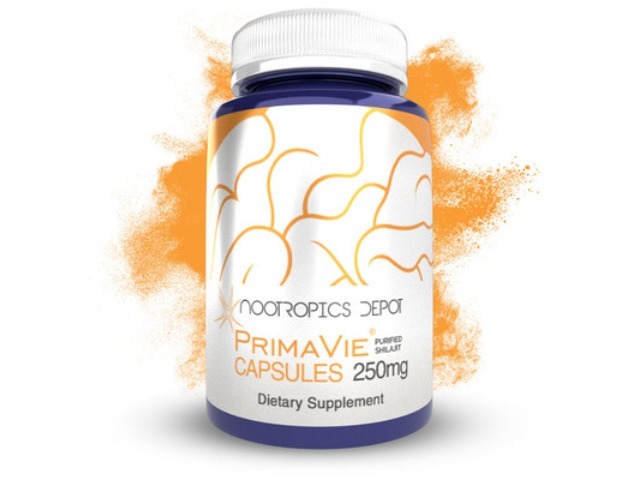
Buy Primavie Shilajit Capsules by Nootropics Depot
Shop Now →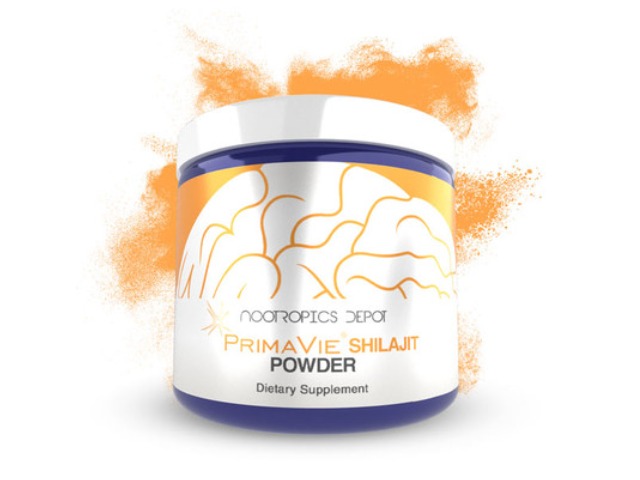
Buy Primavie® Purified Shilajit Powder by Nootropics Depot
Shop Now →Primavie® Purified Shilajit Capsules | 250mg by Nootropics Depot
Shop Now →Disclosure: These are affiliate links. I earn a small commission if you purchase — at no extra cost to you. I only recommend products I personally use or have thoroughly researched.
Research & Studies
This section includes 2 peer-reviewed studies referenced in our analysis.