
- Fat loss and metabolic enhancement
- Improved exercise performance
- Enhanced cognitive arousal and alertness
- Sexual function support
I’ll never forget the first time I took yohimbine. I was chasing fat loss like it was my job, read a few forum posts about this “miracle fat burner,” and figured 20mg was a good starting dose. Within 30 minutes, I felt like I’d mainlined espresso while watching a horror movie — jittery, anxious, sweating, heart pounding. I spent the next two hours pacing my apartment wondering if I needed to go to the emergency room.
That was my introduction to one of the most pharmacologically active — and potentially problematic — supplements you can buy without a prescription.
If you’re considering yohimbine for fat loss, performance, or cognitive enhancement, this guide will help you understand what you’re actually dealing with, how it works, and whether the benefits outweigh the very real risks.
The Short Version: Yohimbine hydrochloride blocks α2-adrenergic receptors, removing the brakes on norepinephrine release and triggering a cascade of stimulatory effects throughout your body and brain. It’s legitimately effective for targeted fat loss and pre-workout arousal, but it’s also one of the most side-effect-prone compounds in the nootropics space. Doses range from 5-20mg daily, and if you have anxiety, cardiovascular issues, or take certain medications, you should skip this one entirely.
What Is Yohimbine Hydrochloride?
Yohimbine hydrochloride is the standardized, pharmaceutical-grade extract of yohimbine alkaloid derived from the bark of Pausinystalia yohimbe, a tree native to Central and West Africa. Traditional African medicine used yohimbe bark as an aphrodisiac and stimulant, but the modern compound is a far cry from chewing tree bark — it’s a precise, potent pharmacological agent with well-documented mechanisms of action.
The “hydrochloride” designation matters. You’ll sometimes see “yohimbe bark extract” sold as a supplement, which is a wildly inconsistent product that may contain anywhere from trace amounts to dangerous levels of actual yohimbine alkaloid. Yohimbine HCl, by contrast, is standardized to a specific dose, making it predictable and measurable — critical when you’re dealing with a compound that has a narrow therapeutic window.
People use yohimbine primarily for three reasons: fat loss (especially stubborn, “alpha-receptor-rich” fat deposits like lower abs and love handles), exercise performance (as a pre-workout stimulant), and sexual function (it’s FDA-approved as a prescription treatment for erectile dysfunction). Some users also report cognitive benefits — increased alertness, mental energy, and motivation — though these effects are secondary to its primary sympathetic activation.
Before you get excited about any of those benefits, here’s the reality check: yohimbine is not a foundational supplement. It’s a scalpel, not a hammer. If your diet is inconsistent, your sleep is garbage, and your stress is through the roof, yohimbine will amplify all of that chaos. It works best in the context of an already-dialed-in lifestyle — which is exactly the opposite of how most people approach it.
How Does Yohimbine Hydrochloride Work?
Here’s the plain-English version: yohimbine removes the brakes on your sympathetic nervous system — the part of your body responsible for “fight or flight” responses. It does this by blocking α2-adrenergic receptors, which normally act as negative feedback sensors that limit how much norepinephrine (your body’s primary stress and arousal neurotransmitter) gets released. When those receptors are blocked, norepinephrine floods the system.
Now for the mechanism:
Yohimbine’s primary action is potent antagonism of α2-adrenergic receptors, particularly the presynaptic α2A subtype. These receptors sit on the terminals of sympathetic neurons and act as a self-regulating feedback loop — when norepinephrine is released, some of it binds to these α2 receptors, which signals the neuron to stop releasing more. It’s like a thermostat that says “okay, that’s enough heat.” Yohimbine blocks that thermostat, so the neuron keeps pumping out norepinephrine without restraint.
The result is a significant increase in norepinephrine availability in both the central nervous system (your brain) and the peripheral nervous system (your body). This is why yohimbine has such a wide range of effects — norepinephrine is involved in everything from attention and arousal to heart rate, blood pressure, and fat cell metabolism.
Yohimbine also exhibits secondary interactions with dopaminergic systems, binding to D2 and D3 dopamine receptors with lower affinity than its α2 effects. These interactions can influence motivation, reward processing, and motor function by modulating dopamine signaling in the striatum and prefrontal cortex. The dopamine effects are both direct (receptor binding) and indirect (increased norepinephrine influences dopamine release in certain brain regions).
Finally, yohimbine demonstrates moderate affinity for several serotonin receptor subtypes, including 5-HT1A, 5-HT1B, and 5-HT1D. These interactions contribute to its complex profile of mood and anxiety effects — some users report enhanced mood and motivation, while others experience significant anxiety and agitation. The serotonin receptor activity appears to modulate the primary noradrenergic effects, creating a multifaceted neurochemical profile.
Translation: yohimbine doesn’t just “boost energy” — it fundamentally shifts your nervous system into a higher gear by amplifying the primary neurotransmitter that governs arousal, attention, stress response, and metabolic activity. That’s powerful. It’s also why the side effect profile is so pronounced.
Benefits of Yohimbine Hydrochloride (What the Research Actually Shows)
Let’s be honest about the evidence here. Yohimbine has been studied primarily for fat loss and erectile dysfunction, with decent human data supporting both. The cognitive and performance benefits are real but less robustly documented — more “consistent anecdotal reports backed by plausible mechanisms” than “gold-standard RCTs.”
Fat loss and body composition: This is where yohimbine shines. A double-blind, placebo-controlled trial published in Research in Sports Medicine found that athletes taking yohimbine (20mg daily) lost significantly more body fat than the placebo group over a 21-day period — specifically targeting stubborn fat deposits. The mechanism is straightforward: fat cells in certain areas (lower abdomen, hips, thighs) have a high density of α2-adrenergic receptors, which inhibit fat breakdown. By blocking those receptors, yohimbine allows fat mobilization to occur more readily in these “stubborn” areas.
Exercise performance: A 2022 study in the International Journal of Environmental Research and Public Health examined the effects of acute yohimbine supplementation (10mg) on repeated supramaximal sprint performance. While the results showed some improvements in anaerobic capacity and reduced fatigue perception, the effects were modest and individual variability was high. Yohimbine appears to work best as a pre-workout arousal agent — increasing motivation, reducing perceived exertion, and enhancing sympathetic drive during intense training sessions.
Sexual function: Yohimbine is FDA-approved as a prescription treatment for erectile dysfunction, and a 1997 double-blind, placebo-controlled trial in the International Journal of Impotence Research found that yohimbine (5.4mg three times daily) significantly improved erectile function in men with nonorganic ED compared to placebo. The mechanism involves both central nervous system arousal (increased libido and motivation) and peripheral effects (increased blood flow via α2 antagonism in vascular smooth muscle).
Cognitive arousal and alertness: This is where the evidence gets thinner. A 2000 study in Psychosomatic Medicine examined the effects of yohimbine (21.6mg oral dose) on cerebral blood flow, symptoms, and physiological functions in humans. The study found increased cerebral blood flow, elevated heart rate and blood pressure, and increased subjective arousal and anxiety. The cognitive benefits are largely secondary to general sympathetic activation — you feel more alert, focused, and energized because your entire nervous system is in a heightened state. This is not the same as a clean, targeted cognitive enhancer like Alpha-GPC or L-Theanine.
Reality Check: Yohimbine is not a gentle, everyday nootropic. It’s a potent pharmacological tool with legitimate applications for fat loss and performance, but it comes with a side effect profile that many users find intolerable. If you’re looking for sustainable cognitive enhancement, there are far better options. If you’re targeting stubborn fat or need a pre-workout kick, yohimbine is worth considering — but only if you can tolerate the sympathetic surge.
How to Take Yohimbine Hydrochloride (Without Wasting Your Money)
Yohimbine has a narrow effective dose range, and the difference between “effective” and “way too much” is smaller than most supplements. Here’s the protocol:
| Use Case | Dosage | Timing | Notes |
|---|---|---|---|
| Fat loss (general) | 5-10mg | Morning, fasted | Start at 5mg for tolerance assessment |
| Fat loss (aggressive) | 15-20mg | Morning, fasted | Split into 2 doses if needed |
| Pre-workout | 5-15mg | 30-45 min pre-exercise | Assess tolerance before training |
| Sexual function | 5.4mg | 3x daily | Based on clinical trial dosing |
Dosage specifics:
The typical effective range is 5-20mg daily, with most users finding their sweet spot between 5-15mg. I recommend starting at 5mg on an empty stomach to assess tolerance. If you tolerate that well after 3-5 days, you can increase to 10mg, then 15mg if needed.
Doses above 20mg are associated with significantly higher rates of anxiety, heart palpitations, and blood pressure spikes. Don’t go there unless you’re working with a healthcare provider.
Timing:
Yohimbine is almost always taken on an empty stomach — food significantly reduces absorption and effectiveness. For fat loss, the classic protocol is to take it first thing in the morning in a fasted state, then wait 15-30 minutes before doing fasted cardio. This maximizes fat mobilization during the exercise session.
For pre-workout use, take it 30-45 minutes before training. The half-life is roughly 0.5-2 hours, so the peak effects align well with a workout window.
Do NOT take yohimbine in the afternoon or evening unless you want to be awake all night. The stimulatory effects can persist for 4-6 hours or longer in some individuals.
Forms:
Yohimbine hydrochloride is the standardized, pharmaceutical-grade form — this is what you want. Avoid “yohimbe bark extract” supplements, which have inconsistent alkaloid content and can contain other compounds that increase side effect risk.
Cycling:
Yohimbine does not require cycling for efficacy, but many users find that taking breaks reduces tolerance to the stimulatory effects and minimizes anxiety buildup. A common approach is 4-6 weeks on, 1-2 weeks off.
Pro Tip: If you’re using yohimbine for fat loss, pair it with fasted cardio or other low-to-moderate intensity exercise. The increased norepinephrine mobilizes fatty acids from storage, but you need to actually burn them through activity — otherwise they just get re-stored. Sitting on the couch after taking yohimbine won’t do much for body composition.
Side Effects & Safety (What Could Go Wrong)
This is where yohimbine earns its reputation as a “proceed with caution” compound. The side effects are common, dose-dependent, and can be genuinely unpleasant.
Common side effects:
- Anxiety and agitation — This is the most frequently reported issue. Yohimbine amplifies sympathetic nervous system activity, which can feel indistinguishable from a panic attack in sensitive individuals.
- Increased heart rate and palpitations — Expect your heart rate to increase by 10-20+ bpm, even at rest.
- Elevated blood pressure — Yohimbine raises both systolic and diastolic blood pressure. If you have hypertension, this is a contraindication.
- Digestive discomfort — Nausea, stomach cramps, and diarrhea are relatively common, especially on an empty stomach (which is when you’re supposed to take it).
- Insomnia — If taken too late in the day, yohimbine will interfere with sleep.
- Sweating and flushing — General sympathetic activation leads to increased body temperature and sweating.
Who should avoid yohimbine:
- Anyone with anxiety disorders, panic disorder, or a history of panic attacks
- Anyone with cardiovascular disease, hypertension, or arrhythmias
- Anyone with kidney or liver disease
- Pregnant or nursing women
- Individuals under 18 years old
Drug interactions (CRITICAL):
| Medication/Substance | Interaction Type | Risk Level | Notes |
|---|---|---|---|
| SSRIs (e.g., Prozac, Zoloft) | Serotonergic | Moderate | Risk of serotonin syndrome when combined with serotonergic agents |
| MAOIs (e.g., Nardil, Parnate) | Hypertensive crisis | High | Absolutely contraindicated — can cause dangerous blood pressure spikes |
| Stimulants (e.g., caffeine, amphetamines) | Additive sympathetic activation | Moderate-High | Significantly increases anxiety, heart rate, and blood pressure |
| Antihypertensives (blood pressure meds) | Counteracts medication | Moderate | Yohimbine raises blood pressure, reducing efficacy of BP meds |
| Benzodiazepines (e.g., Xanax, Valium) | Antagonistic effects | Low-Moderate | Yohimbine may reduce anxiolytic effects |
| Tricyclic antidepressants | Noradrenergic potentiation | Moderate | Increased risk of hypertension and arrhythmias |
| Alcohol | CNS effects | Low-Moderate | May increase dizziness and impair judgment |
Important: If you take any prescription medication, especially antidepressants, blood pressure medications, or stimulants, consult a healthcare provider before using yohimbine. The interaction risks are real and can be dangerous.
Stacking Yohimbine Hydrochloride (The Combinations That Actually Work)
Yohimbine is a specialized tool, and stacking it requires thought. The goal is to enhance its benefits while mitigating the side effects — or to combine it with other compounds that serve complementary purposes.
For Fat Loss + Energy:
- 5-10mg Yohimbine HCl + 200mg Caffeine + 200mg L-Theanine — Morning, fasted
- The caffeine potentiates fat mobilization and energy, while L-Theanine smooths out the jittery edge from both stimulants. This is a classic fat-loss stack.
For Pre-Workout Performance:
- 10mg Yohimbine HCl + 6-8g Citrulline + 3-5g Creatine + 200mg Caffeine — 30-45 minutes pre-training
- Yohimbine provides arousal and motivation, citrulline enhances blood flow and nitric oxide, creatine supports power output, and caffeine amplifies the entire stack. This is a high-octane pre-workout combination.
For Cognitive Arousal (Without Excessive Anxiety):
- 5mg Yohimbine HCl + 200mg L-Theanine + 300mg Alpha-GPC — Morning
- Yohimbine drives norepinephrine-mediated arousal, L-Theanine modulates the anxiety response, and Alpha-GPC supports acetylcholine for clean focus. Start with the low end of yohimbine dosing for this stack.
What to AVOID stacking with yohimbine:
- Other strong stimulants (e.g., DMAA, high-dose caffeine, Synephrine) — The additive sympathetic activation is too much for most people and significantly increases cardiovascular risk.
- MAOIs — Absolute contraindication. This combination can cause hypertensive crisis.
- Alcohol — Increases dizziness, impairs judgment, and potentiates side effects.
| Stack Goal | Key Synergies | Timing Notes |
|---|---|---|
| Fat Loss | Yohimbine + Caffeine + L-Theanine | Fasted morning cardio |
| Pre-Workout | Yohimbine + Citrulline + Creatine | 30-45 min pre-exercise |
| Cognitive Arousal | Yohimbine + L-Theanine + Alpha-GPC | Morning, low-dose yohimbine |
Insider Tip: If you’re stacking yohimbine with caffeine, reduce your caffeine dose by 50-100mg to account for the additive stimulatory effects. Most people don’t need 300mg caffeine + 10mg yohimbine — that’s a recipe for anxiety and heart palpitations.
My Take
I’ve used yohimbine on and off for years, primarily for targeted fat loss during contest prep phases. When it works, it works remarkably well — especially for those last few stubborn pounds that seem immune to diet and cardio alone. But it’s also one of the most unforgiving compounds I’ve ever used.
Here’s the truth: yohimbine is not for everyone. If you have any tendency toward anxiety, if you’re sensitive to stimulants, or if you have cardiovascular issues, you should skip this entirely. The side effects are not subtle, and they’re not worth it if your goal is general cognitive enhancement or daily energy.
Who yohimbine is BEST for:
- Individuals with specific fat loss goals targeting stubborn areas (lower abs, love handles, thighs)
- Experienced users who tolerate stimulants well and need a pre-workout arousal boost
- People working on sexual function issues (under medical guidance)
- Users who can commit to fasted training sessions and precise dosing protocols
Who should try something else:
- Anyone with anxiety, panic disorder, or high baseline stress — try Rhodiola Rosea or Ashwagandha instead
- People looking for daily cognitive enhancement — Alpha-GPC, Lion’s Mane, or Bacopa Monnieri are far better options
- Stimulant-sensitive individuals — try L-Tyrosine or Theacrine for gentler energy support
Is it worth trying? If you’re in the right context — dialed-in diet, consistent training, specific fat loss or performance goals, no contraindications — then yes, yohimbine can be a valuable tool. Start conservatively (5mg), assess tolerance carefully, and don’t expect it to compensate for poor fundamentals.
For me, yohimbine is a scalpel I pull out for specific phases of training. It’s not a daily driver. It’s not a foundational supplement. But when I need it, nothing else does quite what it does.
Recommended Yohimbine Products
I know how frustrating it is to sort through dozens of brands making the same claims. These are the ones I've personally vetted — because quality is the difference between results and wasted money.
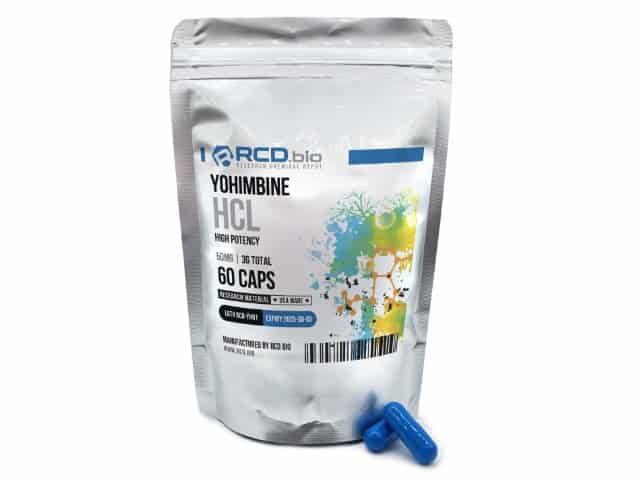
Disclosure: These are affiliate links. I earn a small commission if you purchase — at no extra cost to you. I only recommend products I personally use or have thoroughly researched.
Research & Studies
This section includes 6 peer-reviewed studies referenced in our analysis.