
- Focus & Attention
- Neuroinflammation reduction
- Oxidative stress reduction
- Synaptic plasticity enhancement
When a diabetes drug starts showing up in neuroscience journals with titles like “prevents neurodegeneration through multiple molecular pathways,” you know something interesting is happening.
That’s exactly what’s been going on with Tirzepatide over the past two years. Originally approved for type 2 diabetes (Mounjaro) and obesity (Zepbound), this dual incretin receptor agonist has caught the attention of researchers studying Alzheimer’s disease, metabolic cognitive decline, and neuroinflammation. And the early results are compelling enough that I’ve been tracking every new study that comes out.
The Short Version: Tirzepatide is a prescription peptide that activates both GIP and GLP-1 receptors, producing metabolic improvements that appear to have downstream neuroprotective effects. Animal studies show it reduces neuroinflammation, enhances synaptic plasticity, and improves spatial memory in diabetes and obesity models. Human cognitive data is still preliminary, but metabolic improvements in diabetic patients correlate with reduced neurodegeneration risk.
Research Chemical Notice: Tirzepatide is a prescription medication approved by the FDA for type 2 diabetes and obesity management. It is not approved for cognitive enhancement or neuroprotection. The information below is compiled from published research for educational purposes only. This is not medical advice and should not be interpreted as a recommendation for off-label use. Always consult a qualified healthcare provider.
What Is Tirzepatide?
Tirzepatide is a synthetic peptide that mimics two naturally occurring incretin hormones: glucose-dependent insulinotropic polypeptide (GIP) and glucagon-like peptide-1 (GLP-1). It was developed by Eli Lilly and approved by the FDA in 2022 for type 2 diabetes, then in 2023 for chronic weight management.
What makes Tirzepatide unique is its dual agonist mechanism. Unlike earlier GLP-1-only drugs like semaglutide, Tirzepatide activates both GIP and GLP-1 receptors simultaneously. This dual action produces more robust metabolic effects—better glucose control, greater weight loss, and improved insulin sensitivity—compared to single-receptor agonists.
But here’s where it gets interesting for the nootropics and longevity crowd: both GIP and GLP-1 receptors are expressed throughout the brain, not just in the pancreas and gut. They’re found in the hippocampus, hypothalamus, and cortex—regions critical for memory, learning, and metabolic regulation. Research teams worldwide are now investigating whether Tirzepatide’s metabolic benefits translate into direct neuroprotective effects.
The hypothesis is straightforward: metabolic dysfunction drives neuroinflammation and neurodegeneration. Fix the metabolic dysfunction systemically, and you may protect the brain as a downstream benefit. Based on available research, that hypothesis is holding up remarkably well in preclinical models.
How Does Tirzepatide Work?
Tirzepatide’s brain effects operate through several interconnected pathways. Understanding the mechanism helps explain why a diabetes drug might improve cognitive function.
First, the metabolic foundation. Tirzepatide activates GIP receptors (which enhance insulin secretion and promote fat storage in adipose tissue) and GLP-1 receptors (which suppress appetite, slow gastric emptying, and improve insulin sensitivity). Together, these actions lower blood glucose, reduce body weight, and improve metabolic markers across the board. In a 2023 study by Guo and colleagues published in Frontiers in Pharmacology, diabetic rats treated with Tirzepatide showed normalized insulin signaling and reduced inflammatory markers—both systemically and in the brain.
Second, direct brain receptor activation. Both GIP and GLP-1 receptors are expressed on neurons and glial cells throughout the central nervous system. When Tirzepatide crosses the blood-brain barrier (which it does, though to a limited extent), it directly activates these receptors in brain tissue. This triggers several neuroprotective cascades: upregulation of brain-derived neurotrophic factor (BDNF), enhanced mitochondrial function, and reduction of pro-inflammatory cytokines like IL-1β and TNF-α.
A 2024 study by Fontanella and team in Journal of Translational Medicine demonstrated that Tirzepatide treatment in neurodegeneration models prevented neuronal loss through multiple molecular pathways, including improved glucose metabolism in brain tissue, reduced oxidative stress markers (lipid peroxidation and protein oxidation), and enhanced antioxidant enzyme activity.
Third, synaptic plasticity enhancement. Research by Yang and colleagues (2024, Peptides) found that Tirzepatide improved cognitive function in APP/PS1 mice (a model of Alzheimer’s disease) by regulating brain glucose metabolism and enhancing long-term potentiation (LTP)—the cellular mechanism underlying learning and memory. The compound promoted dendritic spine formation and strengthened synaptic connections in the hippocampus, the brain’s memory center.
In plain English: Tirzepatide works on the brain in two ways. First, it fixes the metabolic chaos—high blood sugar, insulin resistance, chronic inflammation—that drives neurodegeneration from the outside in. Second, it directly activates brain receptors that promote neuron survival, reduce inflammation, and strengthen the connections between brain cells. It’s not a cognitive enhancer in the traditional stimulant sense. It’s more like infrastructure repair.
Reality Check: The majority of cognitive research on Tirzepatide comes from animal models—diabetic rats, high-fat diet mice, and Alzheimer’s transgenic models. Human cognitive data is still emerging. A 2025 observational study in JAMA Network Open by Lin and colleagues found reduced neurodegeneration and stroke risk in diabetic patients taking Tirzepatide or semaglutide, but this doesn’t prove causation—healthier patients may be more likely to receive newer medications.
Reported Effects of Tirzepatide (What the Research Shows)
Neuroinflammation Reduction
Chronic neuroinflammation is increasingly recognized as a driver of cognitive decline, especially in metabolic disorders. Tirzepatide demonstrates potent anti-inflammatory effects in brain tissue.
In the 2023 study by Guo et al., diabetic rats receiving Tirzepatide showed significantly reduced microglial activation (the brain’s inflammatory cells) and decreased production of pro-inflammatory cytokines IL-1β, TNF-α, and IL-6 in the hippocampus. These reductions correlated with improved spatial learning and memory in the Morris water maze test—a standard assessment of rodent cognitive function.
A 2025 study by Ma and team in Endocrine investigated the mechanism further, finding that Tirzepatide reduced cognitive impairment in high-fat diet mice by regulating the SIRT3-NLRP3 axis. SIRT3 is a mitochondrial protein that protects against oxidative stress, while NLRP3 is an inflammasome—a molecular complex that triggers inflammatory responses. Tirzepatide upregulated SIRT3 and inhibited NLRP3 activation, reducing neuroinflammation and improving cognitive performance.
Evidence quality: Strong in animal models (multiple RCTs with consistent results). Human data is indirect—metabolic improvements in diabetic patients correlate with reduced inflammatory markers, but direct brain inflammation measurements are lacking.
Oxidative Stress Reduction
Oxidative stress—an imbalance between free radicals and antioxidant defenses—damages neurons and accelerates aging. Tirzepatide appears to strengthen antioxidant systems while reducing reactive oxygen species production.
The 2024 Fontanella study found that Tirzepatide treatment decreased markers of lipid peroxidation (malondialdehyde) and protein oxidation (protein carbonyls) in brain tissue while upregulating antioxidant enzymes like superoxide dismutase and catalase. These changes occurred alongside improved mitochondrial function—meaning brain cells were producing energy more efficiently with less oxidative byproduct.
A 2025 zebrafish study by Misra et al. in Naunyn Schmiedeberg’s Archives of Pharmacology demonstrated that Tirzepatide mitigated cognitive decline in a type 2 diabetes model by reducing oxidative stress and improving metabolic parameters. Zebrafish share surprising genetic homology with humans and are increasingly used in neuroscience research for their translational value.
Evidence quality: Moderate. Multiple animal studies with consistent mechanisms, but oxidative stress is notoriously difficult to measure accurately in living humans. Indirect markers (like improved metabolic health) suggest similar benefits may occur, but direct confirmation is lacking.
Synaptic Plasticity Enhancement
Perhaps the most exciting findings relate to Tirzepatide’s effects on synaptic plasticity—the brain’s ability to form and strengthen connections.
Yang and colleagues (2024) found that Tirzepatide treatment in APP/PS1 Alzheimer’s mice led to:
- Increased dendritic spine density in hippocampal neurons (more connection points between cells)
- Enhanced long-term potentiation (LTP), the cellular mechanism of memory formation
- Upregulated BDNF expression, a growth factor critical for neuron survival and plasticity
- Improved performance in cognitive tasks (Morris water maze, novel object recognition)
Importantly, these effects occurred through improved brain glucose metabolism. PET imaging showed that Tirzepatide normalized glucose uptake in brain regions affected by Alzheimer’s pathology. Since neurons are heavily dependent on glucose for energy, this metabolic restoration may underlie the synaptic improvements.
Evidence quality: Strong in Alzheimer’s animal models. Particularly compelling because the effects were dose-dependent and reproducible across multiple cognitive tests.
Focus & Attention
This is where the evidence becomes more speculative. No human studies have directly measured Tirzepatide’s effects on attention or executive function in healthy individuals.
However, user reports in research communities and clinical observations suggest that diabetic patients who lose significant weight and normalize blood sugar on Tirzepatide often report subjective improvements in mental clarity and focus. This likely reflects resolution of metabolic brain fog rather than direct cognitive enhancement.
The 2025 JAMA study by Lin et al. found that diabetic patients taking Tirzepatide or semaglutide had reduced risk of developing dementia and stroke compared to those on traditional diabetes medications. While this doesn’t directly measure attention, preserved cognitive function over time suggests protective effects.
Evidence quality: Weak for healthy individuals. Moderate for diabetic/obese populations where metabolic dysfunction was impairing cognition.
| Benefit | Evidence Level | Key Studies | Notes |
|---|---|---|---|
| Neuroinflammation reduction | Strong (animal RCTs) | Guo 2023, Ma 2025 | Consistent across models |
| Oxidative stress reduction | Moderate (animal studies) | Fontanella 2024, Misra 2025 | Mechanisms well-characterized |
| Synaptic plasticity | Strong (animal RCTs) | Yang 2024 | Dose-dependent effects |
| Focus & attention | Weak (indirect human data) | Lin 2025 (observational) | Mostly anecdotal |
Pro Tip: If you’re investigating Tirzepatide for cognitive effects, look at the metabolic context. The strongest cognitive benefits in research appear in subjects with underlying metabolic dysfunction—diabetes, obesity, insulin resistance. If your metabolic health is already optimized, the cognitive effects may be minimal or nonexistent.
Research Administration Protocols (Doses Used in Studies)
Tirzepatide research protocols vary significantly based on the condition being studied, but there are consistent patterns in how the compound is administered.
Clinical Dosing for Metabolic Conditions
The FDA-approved dosing schedule for diabetes and obesity follows a gradual escalation to minimize gastrointestinal side effects:
- Starting dose: 2.5 mg once weekly (subcutaneous injection)
- Maintenance dose: 5 mg once weekly after 4 weeks
- Escalation: Can increase to 7.5 mg, 10 mg, 12.5 mg, or maximum 15 mg weekly based on response and tolerance
- Timing: Same day and time each week, with or without food
In the SURMOUNT-1 obesity trial (Jastreboff 2022, New England Journal of Medicine), 2,539 participants received doses ranging from 5-15 mg weekly for 72 weeks. The 15 mg dose produced an average weight loss of 20.9% compared to 3.1% for placebo—the largest effect ever seen in a pharmacological obesity trial.
Cognitive Research Protocols (Animal Models)
Studies investigating neuroprotective effects used equivalent doses scaled to rodent body weight:
- Guo 2023 (diabetic rats): 3 nmol/kg three times weekly for 8 weeks (equivalent to ~5-7.5 mg weekly human dose)
- Yang 2024 (APP/PS1 mice): 10 nmol/kg twice weekly for 12 weeks (equivalent to ~7.5-10 mg weekly human dose)
- Ma 2025 (high-fat diet mice): Doses ranged from 5-15 nmol/kg weekly for 16 weeks
All cognitive studies used subcutaneous injection and maintained consistent weekly dosing schedules. The cognitive benefits appeared dose-dependent, with higher doses producing greater effects—but also more metabolic side effects like weight loss, which was sometimes excessive in animal models.
Insider Tip: Research protocols always include a titration phase. Jumping straight to high doses produces severe nausea and vomiting in most subjects. The clinical approach is 4-week intervals between dose increases, allowing the body to adapt to each new level.
Form and Administration
Tirzepatide is available only as an injectable solution. Unlike some peptides that can be taken orally with absorption enhancers, the molecular structure of Tirzepatide requires subcutaneous injection to maintain bioavailability.
| Form | Bioavailability | Administration | Notes |
|---|---|---|---|
| Subcutaneous injection | ~80% | Once weekly | FDA-approved route |
| Oral (experimental) | <5% | Not viable | Degraded by digestive enzymes |
| Intranasal (theoretical) | Unknown | Not researched | No published data |
Administration technique used in studies:
- Inject into abdomen, thigh, or upper arm
- Rotate injection sites weekly to prevent lipodystrophy
- Room temperature before injection (remove from refrigerator 30 minutes prior)
- Same day each week for consistent plasma levels
Onset and Duration
Tirzepatide has a half-life of approximately 5 days, which is why once-weekly dosing maintains therapeutic levels. In metabolic trials, researchers observed:
- Glucose improvements: Detectable within 1-2 weeks
- Weight loss: Begins week 2-4, peaks around week 20-36
- Cognitive effects (animal models): Measurable improvements after 4-8 weeks of consistent dosing
| Use Case | Dose Range (Studies) | Timing | Duration Investigated |
|---|---|---|---|
| Type 2 diabetes | 5-15 mg weekly | Same day/time weekly | 40-104 weeks |
| Obesity management | 5-15 mg weekly | Same day/time weekly | 72 weeks |
| Neuroprotection (animal) | Equivalent 5-10 mg weekly | Twice weekly in most studies | 8-16 weeks |
| Cognitive enhancement (human) | Not yet studied | N/A | No published data |
Important: Tirzepatide is a prescription medication. All published research used medical supervision with regular monitoring of blood glucose, kidney function, and gastrointestinal tolerance. Self-administration without medical oversight carries significant risks, particularly hypoglycemia in combination with other glucose-lowering agents.
Adverse Events & Safety Profile
Tirzepatide’s safety profile is well-characterized from large-scale clinical trials involving thousands of participants. The adverse event patterns are consistent and predictable.
Gastrointestinal Effects (Most Common)
The overwhelming majority of side effects are GI-related, particularly during dose escalation:
- Nausea: 20-30% of participants, usually mild to moderate, peaks during first 4-8 weeks
- Diarrhea: 13-16% of participants
- Vomiting: 8-10% of participants
- Constipation: 6-7% of participants
- Abdominal pain: 6-8% of participants
In the SURPASS clinical trial program, these effects were dose-dependent and typically resolved after 4-8 weeks at a stable dose. Less than 5% of participants discontinued due to GI side effects in most trials.
Mechanism: GLP-1 receptor activation slows gastric emptying and increases satiety signaling. The nausea reflects the compound doing what it’s designed to do—it’s not “damage,” but it is unpleasant.
Hypoglycemia Risk
Tirzepatide alone rarely causes hypoglycemia because its glucose-lowering effects are glucose-dependent (it only works when blood sugar is elevated). However, risk increases significantly when combined with insulin or sulfonylureas.
In SURPASS-4 (comparing Tirzepatide to insulin glargine in type 2 diabetes), clinically significant hypoglycemia (blood glucose <54 mg/dL) occurred in:
- 0.6% of participants on Tirzepatide monotherapy
- 8.1% of participants on Tirzepatide + basal insulin
- 19.7% of participants on insulin glargine alone
Key point: The hypoglycemia risk is from combining Tirzepatide with other glucose-lowering drugs, not from Tirzepatide itself.
Thyroid C-Cell Tumors (Rodent Finding)
This is the most serious—and most controversial—safety signal. In rodent studies, GLP-1 receptor agonists including Tirzepatide caused thyroid C-cell tumors (medullary thyroid carcinoma). This effect has been observed across the entire drug class.
However: This finding has never been replicated in humans. Rodents have vastly higher thyroid C-cell GLP-1 receptor expression than humans, and the tumorigenic mechanism appears species-specific. Nonetheless, Tirzepatide carries an FDA black box warning and is contraindicated in anyone with:
- Personal history of medullary thyroid carcinoma
- Family history of medullary thyroid carcinoma
- Multiple Endocrine Neoplasia syndrome type 2 (MEN 2)
Pancreatitis
Acute pancreatitis has been reported with GLP-1 agonists, though causation remains unclear. In clinical trials, pancreatitis rates were:
- Tirzepatide: 0.2% (2 per 1,000 participants)
- Placebo: 0.0%
Most cases occurred in patients with pre-existing risk factors (gallstones, hypertriglyceridemia, alcohol use). The FDA label recommends discontinuing Tirzepatide if pancreatitis is suspected.
Gallbladder Disease
Rapid weight loss increases gallstone formation risk regardless of method. In SURMOUNT-1, cholelithiasis (gallstones) and cholecystitis (gallbladder inflammation) occurred in:
- Tirzepatide: 1.5-2.5% depending on dose
- Placebo: 0.7%
Who Should Avoid Tirzepatide
Based on clinical trial exclusion criteria and FDA labeling:
- Personal or family history of medullary thyroid carcinoma or MEN 2
- History of pancreatitis
- Severe gastrointestinal disease (gastroparesis, inflammatory bowel disease)
- Type 1 diabetes (not studied or approved)
- Pregnancy or breastfeeding (no human data; animal studies show developmental toxicity)
- End-stage renal disease (limited data, dose adjustment may be needed)
Drug Interactions
| Medication/Substance | Interaction Type | Risk Level | Notes |
|---|---|---|---|
| Insulin | Additive glucose-lowering | High | Requires dose reduction; monitor glucose closely |
| Sulfonylureas (glipizide, glyburide) | Additive glucose-lowering | High | May require dose reduction to prevent hypoglycemia |
| Oral medications (general) | Delayed absorption | Low-Moderate | Tirzepatide slows gastric emptying; take important meds 1 hr before injection |
| Levothyroxine | Delayed absorption | Low | Monitor TSH; may need timing adjustment |
| Oral contraceptives | Potentially reduced absorption | Moderate | Use backup contraception for 4 weeks after starting or dose increases |
| Alcohol | Enhanced hypoglycemia risk | Moderate | Alcohol impairs gluconeogenesis; avoid heavy drinking |
| Warfarin | Potentially altered INR | Low-Moderate | Monitor INR more frequently when starting Tirzepatide |
Important: The delayed gastric emptying caused by Tirzepatide can affect the absorption of oral medications. If you take medications that require precise timing or levels (like levothyroxine, immunosuppressants, or some antibiotics), discuss timing strategies with a healthcare provider.
Pregnancy and Nursing
Animal studies show developmental toxicity and increased miscarriage risk at exposures equivalent to human doses. Tirzepatide should be discontinued at least 2 months before a planned pregnancy due to its long half-life. There is no data on excretion in human breast milk.
Investigated Combinations in Research
Tirzepatide hasn’t been extensively studied in combination with traditional nootropics, but research has explored several synergistic pairings—and identified some combinations to avoid.
For Metabolic Cognitive Decline
The most logical stacking context is metabolic dysfunction with cognitive symptoms—essentially, using Tirzepatide as a metabolic foundation while supporting brain function through complementary mechanisms.
Research-supported combination:
- Tirzepatide (5-10 mg weekly, subcutaneous) — metabolic restoration, neuroinflammation reduction
- Berberine (500 mg, 2-3x daily with meals) — AMPK activation, insulin sensitivity, gut microbiome modulation
- Omega-3 fatty acids (EPA/DHA, 2-4g daily) — membrane fluidity, anti-inflammatory, synergistic with GLP-1 agonists
- Magnesium L-threonate (1500-2000 mg daily, split doses) — synaptic density, NMDA receptor function
This combination targets metabolic restoration (Tirzepatide + berberine), neuroinflammation (Tirzepatide + omega-3s), and direct synaptic support (magnesium). The evidence for this exact stack doesn’t exist, but each pairing has mechanistic rationale and minimal interaction risk.
For Neuroprotection in Diabetes/Obesity
Based on the mechanisms observed in animal studies, a neuroprotection-focused stack might include:
Research-informed combination:
- Tirzepatide (5-15 mg weekly) — primary metabolic and neuroprotective agent
- Lion’s Mane mushroom (500-1000 mg, 2x daily) — NGF stimulation, synergistic neuroplasticity support
- Alpha-GPC (300-600 mg daily) — cholinergic support, may enhance Tirzepatide’s synaptic effects
- NAC (600-1200 mg, 2x daily) — glutathione precursor, antioxidant complementing Tirzepatide’s oxidative stress reduction
This targets synaptic plasticity through two pathways (Tirzepatide via BDNF/LTP, Lion’s Mane via NGF), supports neurotransmitter function (Alpha-GPC), and provides additional antioxidant protection (NAC).
For Mitochondrial Function and Energy
Since Tirzepatide improves mitochondrial function in brain tissue, stacking with mitochondrial support compounds has theoretical synergy:
Mitochondrial optimization stack:
- Tirzepatide (5-10 mg weekly) — improves glucose metabolism and mitochondrial efficiency
- CoQ10 (100-200 mg daily with fat) — electron transport chain support
- PQQ (10-20 mg daily) — mitochondrial biogenesis
- Creatine monohydrate (5g daily) — phosphocreatine shuttle, neuroprotection
No studies have tested this combination, but the mechanisms are complementary with minimal interaction concerns.
Combinations to Avoid
Tirzepatide + Other GLP-1 agonists (semaglutide, liraglutide, dulaglutide):
- Redundant mechanisms, additive GI side effects, no published research supporting combination use
- Interaction type: Additive adverse effects, no additional benefit
- Risk level: Moderate
Tirzepatide + Strong appetite suppressants (sympathomimetics like phentermine, high-dose caffeine):
- Excessive appetite suppression can lead to inadequate nutrition and muscle loss
- Interaction type: Additive anorectic effects
- Risk level: Moderate for excessive weight loss
Tirzepatide + Alcohol (heavy consumption):
- Both slow gastric emptying and impair glucose regulation
- Interaction type: Enhanced hypoglycemia risk, additive GI effects
- Risk level: Moderate
Tirzepatide + Insulin or sulfonylureas (without dose adjustment):
- High hypoglycemia risk, requires medical supervision
- Interaction type: Additive glucose-lowering
- Risk level: High
| Goal | Stack Components | Dosing | Timing Notes |
|---|---|---|---|
| Metabolic cognitive support | Tirzepatide + Berberine + Omega-3 + Mag-threonate | Weekly injection + daily orals | Take berberine with meals |
| Neuroprotection | Tirzepatide + Lion’s Mane + Alpha-GPC + NAC | Weekly injection + daily orals | Alpha-GPC before cognitive work |
| Mitochondrial function | Tirzepatide + CoQ10 + PQQ + Creatine | Weekly injection + daily orals | CoQ10 with dietary fat for absorption |
Reality Check: These stacks are theoretical combinations based on mechanism overlap and safety profiles. None have been studied in controlled trials. The only research-validated “stack” is Tirzepatide + lifestyle modification (diet, exercise, sleep optimization), which produced the outcomes seen in clinical trials.
Current Research Assessment
Here’s where I try to separate the signal from the noise based on what the research actually shows—and what it doesn’t.
The metabolic-to-cognitive pathway is real. The evidence is overwhelming that metabolic dysfunction drives neuroinflammation, oxidative stress, and neurodegeneration. Tirzepatide is one of the most potent metabolic interventions we have. In diabetic and obese populations, it normalizes glucose regulation, reduces inflammatory markers, and appears to reduce dementia and stroke risk (Lin 2025, JAMA). If you have metabolic dysfunction—pre-diabetes, diabetes, obesity, insulin resistance—the neuroprotective potential is substantial and well-supported.
The animal cognitive data is compelling but preliminary. The studies showing improved spatial memory, enhanced synaptic plasticity, and reduced Alzheimer’s pathology in rodent models are consistent and mechanistically sound. But rodent brains are not human brains. Dose scaling isn’t perfect. And cognitive tests in mice don’t necessarily predict human outcomes. We need human RCTs measuring cognitive endpoints directly—those studies are starting but won’t report for several years.
The direct cognitive enhancement claim is weak. If you’re metabolically healthy, non-diabetic, normal weight, and looking for a cognitive enhancer, the evidence that Tirzepatide will improve your focus or memory is essentially nonexistent. The reported benefits cluster in populations with underlying metabolic pathology. This isn’t modafinil or caffeine—it’s not a performance enhancer for healthy brains. It’s infrastructure repair.
Most commonly investigated for: Type 2 diabetes, obesity, and increasingly, neuroprotection in metabolic disease contexts. Researchers are pursuing Tirzepatide for Alzheimer’s prevention, metabolic cognitive decline, and potentially Parkinson’s disease.
Who should probably explore alternatives instead:
If you’re looking for acute cognitive enhancement without metabolic dysfunction, consider:
- Lion’s Mane mushroom — direct NGF stimulation, strong safety profile, well-tolerated
- Citicoline — cholinergic support, membrane synthesis, human cognitive data in healthy adults
- Rhodiola rosea — adaptogenic, anti-fatigue, stress resilience
If you have metabolic dysfunction but want a non-prescription approach first:
- Berberine — comparable glucose-lowering to metformin in some studies, AMPK activation
- Omega-3 fatty acids — insulin sensitivity, neuroinflammation reduction
- Lifestyle: time-restricted eating, resistance training, Zone 2 cardio—these are non-negotiable foundations
Current assessment: Tirzepatide represents an exciting convergence of metabolic and neurological medicine. The neuroprotective mechanisms are biologically plausible and increasingly well-documented in preclinical models. For individuals with metabolic dysfunction and cognitive concerns, it’s one of the most promising interventions available—with the caveat that it requires medical supervision and comes with predictable side effects.
For healthy individuals chasing cognitive optimization, the risk-benefit doesn’t favor Tirzepatide. The GI side effects are unpleasant, the long-term effects of chronic GLP-1 agonism in metabolically healthy people are unknown, and the cognitive benefits outside of metabolic pathology are speculative.
The research is worth watching closely. If ongoing trials demonstrate cognitive benefits in early Alzheimer’s or metabolic cognitive impairment, this could become a standard preventive intervention. But we’re not there yet.
Final thought: The most important insight from the Tirzepatide research isn’t about the drug itself—it’s the confirmation that metabolic health and brain health are inseparable. If you fix insulin resistance, reduce chronic inflammation, and optimize energy metabolism, cognitive function tends to improve regardless of the intervention. Tirzepatide is one tool. But sleep, exercise, nutrition, and stress management remain the non-negotiable foundation.
Recommended Tirzepatide Products
I know how frustrating it is to sort through dozens of brands making the same claims. These are the ones I've personally vetted — because quality is the difference between results and wasted money.
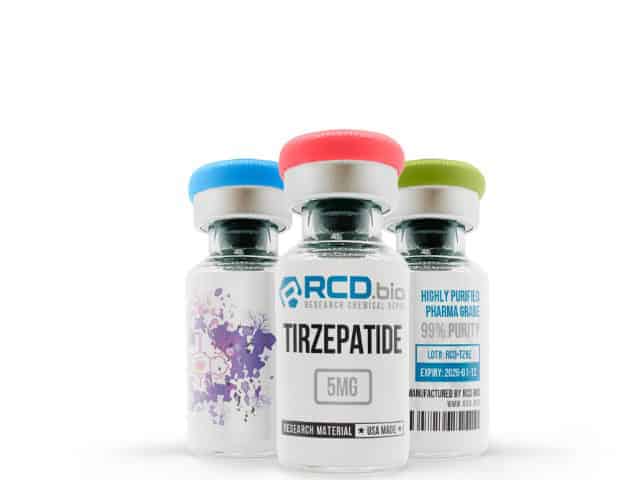
Tirzepatide Peptide by Research Chemical Depot
Shop Now →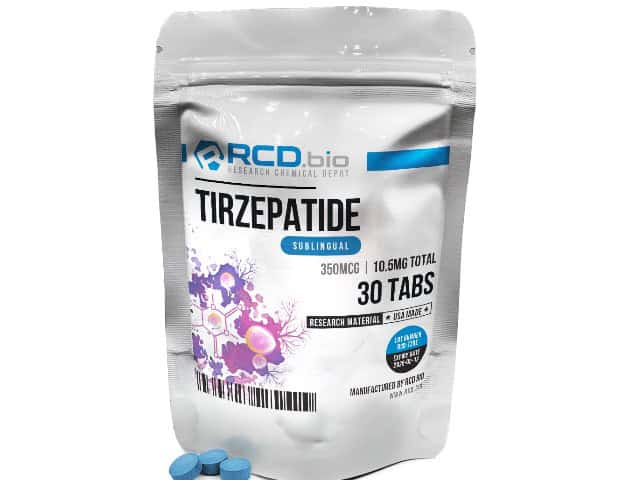
Tirzepatide Sublingual Tablets by Research Chemical Depot
Shop Now →Disclosure: These are affiliate links. I earn a small commission if you purchase — at no extra cost to you. I only recommend products I personally use or have thoroughly researched.
Research & Studies
This section includes 11 peer-reviewed studies referenced in our analysis.
Eicosapentaenoic acid inhibits cholesterol esterification in cultured parenchymal cells and isolated microsomes from rat liver.
Quantitative Lipidomics and Spatial MS-Imaging Uncovered Neurological and Systemic Lipid Metabolic Pathways Underlying Troglomorphic Adaptations in Cave-Dwelling Fish.
Tirzepatide ameliorates spatial learning and memory impairment through modulation of aberrant insulin resistance and inflammation response in diabetic rats.
Tirzepatide prevents neurodegeneration through multiple molecular pathways.
Tirzepatide shows neuroprotective effects via regulating brain glucose metabolism in APP/PS1 mice.
Tirzepatide administration improves cognitive impairment in HFD mice by regulating the SIRT3-NLRP3 axis.
Tirzepatide mitigates cognitive decline in zebrafish model of type 2 diabetes mellitus induced by high-fat diet.
Tirzepatide did not impact metabolic adaptation in people with obesity, but increased fat oxidation.
The promise of tirzepatide: A narrative review of metabolic benefits.
Neurodegeneration and Stroke After Semaglutide and Tirzepatide in Patients With Diabetes and Obesity.
Showing 10 of 11 studies. View all →