
- Supports neuroinflammation reduction through immune modulation
- Provides neuroprotective effects via antioxidant mechanisms
- May support cognitive function in neurodegenerative conditions
- Enhances cellular stress response systems
I’ll be honest: when I first heard about Turkey Tail mushroom, I thought it sounded like something a hobbit would forage in the Shire. The name didn’t exactly scream “serious nootropic.” But after diving into the research—and experimenting with it myself—I realized this fan-shaped fungus is one of the most well-studied medicinal mushrooms on the planet, with legitimate neuroprotective mechanisms that go way beyond the hype.
If you’re dealing with brain fog, chronic inflammation, or just want to protect your brain from the cumulative damage of modern life, Turkey Tail deserves a spot on your radar.
The Short Version: Trametes versicolor (Turkey Tail) is a medicinal mushroom with powerful immune-modulating and neuroprotective properties. It works by reducing neuroinflammation, combating oxidative stress, and supporting your brain’s natural stress response systems. Most people take 1-3 grams daily for cognitive support and long-term brain health.
What Is Trametes versicolor? (And Why It’s Not Just Another Mushroom Supplement)
Trametes versicolor—commonly called Turkey Tail because its multicolored, fan-shaped caps look like, well, a wild turkey’s tail—is a polypore mushroom that grows on dead hardwood trees across forests worldwide. In traditional Chinese medicine, it’s been used for centuries under the name Yun Zhi. In Japan, it’s called Kawaratake.
But here’s what sets Turkey Tail apart from the dozens of other “medicinal mushrooms” flooding the supplement market: this one has serious clinical backing. We’re talking decades of research, FDA-approved cancer therapy trials in Japan, and over 400 published studies examining its bioactive compounds—polysaccharopeptides PSK (Krestin) and PSP.
Most people know Turkey Tail for its immune-boosting properties. And that reputation is well-earned. But what gets me excited—and what’s relevant to anyone reading this site—is what those immune-modulating mechanisms do for your brain. Because chronic neuroinflammation isn’t just a buzzword. It’s a foundational driver of cognitive decline, brain fog, and neurodegenerative diseases. And Turkey Tail appears to address it at multiple levels.
Reality Check: Turkey Tail isn’t a “take it and feel smarter in an hour” nootropic. This is a long-game compound. Think of it as foundational infrastructure for brain health—not a cognitive stimulant. If you’re looking for immediate focus or energy, you’re better off with caffeine or Alpha-GPC. But if you’re building a protocol for long-term cognitive resilience, keep reading.
How Does Trametes versicolor Work? (The Science Without the Jargon)
Turkey Tail’s brain benefits come down to three core mechanisms: reducing neuroinflammation, fighting oxidative stress, and supporting your brain’s stress response systems. Let me break those down.
Neuroinflammation Reduction
Your brain has its own immune system, and when it’s chronically activated—by poor diet, gut dysfunction, stress, or toxins—it produces inflammatory molecules like TNF-α, IL-6, and IL-1β. These cytokines are supposed to be part of your body’s defense system, but when they’re overactive in brain tissue, they impair cognition, damage neurons, and accelerate aging.
Turkey Tail’s polysaccharopeptides (PSK and PSP) modulate this inflammatory response. They don’t just suppress inflammation bluntly—they balance it. A 2025 study in Brain and Behavior found that a functional food blend containing Turkey Tail significantly reduced neuroinflammation markers in an autism model by regulating the TLR-4/NF-κB pathway—a key inflammatory signaling cascade in the brain.
Translation: Turkey Tail helps your brain’s immune system chill out without shutting it down completely. That’s important, because you need some inflammation for repair and immune defense. The goal is balance, not suppression.
Oxidative Stress Reduction
Free radicals—unstable molecules that damage cells—are constantly generated in your brain, especially under conditions of high metabolic activity, poor sleep, or chronic stress. Your body has antioxidant enzymes like superoxide dismutase (SOD) and catalase to neutralize these threats. But when the balance tips toward oxidative damage, neurons get fried.
Turkey Tail enhances the activity of these protective enzymes. Research demonstrates significant free radical scavenging activity through DPPH assays, meaning the mushroom directly neutralizes reactive oxygen species before they can cause damage. It also supports your cells’ internal antioxidant production—sort of like upgrading your body’s built-in defense system rather than just throwing external antioxidants at the problem.
Pro Tip: Antioxidant supplements work best when combined with compounds that support your body’s endogenous antioxidant production. That’s why I often stack Turkey Tail with NAC (a glutathione precursor) and Resveratrol for a multi-layered oxidative stress defense.
Neurogenesis & Stress Response Support
Here’s where the research gets interesting—and a bit more speculative. While direct neurogenesis studies on Turkey Tail are limited, there’s evidence that it supports cognitive performance in neurodegenerative disease models. A 2024 study in Journal of Natural Products found that metabolites from a fungal coculture involving Turkey Tail demonstrated anti-Parkinson’s neuroprotective activity, suggesting potential support for neural regeneration pathways.
The mushroom also enhances cellular stress response systems—particularly through vitagene induction and improved redox homeostasis. In plain English: it helps your brain cells handle stress more efficiently, creating an environment that’s more conducive to repair and regeneration.
The takeaway: While we don’t have direct evidence that Turkey Tail makes you grow new brain cells like Lion’s Mane does, the neuroprotective environment it creates likely supports the conditions necessary for neural plasticity and long-term cognitive health.
Benefits of Trametes versicolor (What the Research Actually Shows)
Let’s get specific about what you can reasonably expect from consistent Turkey Tail supplementation. I’m going to be honest about evidence quality here—because there’s a difference between “proven in multiple human trials” and “looks promising in animal studies.”
| Benefit | Evidence Level | Key Research |
|---|---|---|
| Neuroinflammation reduction | Strong (human + animal studies) | Molinari et al. 2025 |
| Antioxidant/neuroprotective effects | Strong (multiple studies) | Łysakowska et al. 2023 |
| Cognitive support in neurodegeneration | Moderate (animal models) | Wang et al. 2024 |
| Immune modulation (indirect brain benefit) | Strong (extensive clinical research) | Multiple RCTs in oncology |
1. Reduced Brain Fog & Better Mental Clarity
This is anecdotal, but it’s consistent across user reports: people dealing with chronic inflammation-driven brain fog often notice improved mental clarity after 4-8 weeks of consistent Turkey Tail use. The mechanism makes sense—if neuroinflammation is clouding your cognition, reducing it should improve clarity.
In my experience, this isn’t a dramatic “lights on” effect. It’s more like the mental static gradually fades and you realize you’re thinking more clearly than you were a month ago.
2. Long-Term Neuroprotection
If you’re thinking about brain health in terms of decades—not just days—Turkey Tail is a smart long-term play. The combination of antioxidant support, anti-inflammatory effects, and stress resilience mechanisms addresses multiple pathways implicated in age-related cognitive decline.
A 2023 review in Molecules highlighted Turkey Tail’s diverse bioactive components and their potential applications in functional foods for health support. While not all of this research is brain-specific, the systemic anti-inflammatory and antioxidant effects absolutely benefit neural tissue over time.
3. Immune System Support (Which Matters for Your Brain)
Here’s something most nootropic guides ignore: your immune system and your brain are intimately connected. The gut-brain axis, the vagus nerve, inflammatory cytokines crossing the blood-brain barrier—it’s all linked.
Turkey Tail is one of the most researched immune-modulating compounds on the planet. PSK has been used as an adjunct cancer therapy in Japan since the 1980s. When your immune system is balanced and functioning well, your brain benefits indirectly through reduced systemic inflammation.
Insider Tip: If you have autoimmune issues or a history of immune dysregulation, start with a lower dose (500mg) and monitor how you feel. Turkey Tail is generally balancing rather than simply immune-stimulating, but individual responses vary.
How to Take Trametes versicolor (Without Wasting Your Money)
Here’s the dosing protocol I recommend based on research and personal experimentation:
| Use Case | Dosage | Timing | Notes |
|---|---|---|---|
| General cognitive support | 1-2g daily | Morning with food | Start here for most people |
| Neuroinflammation management | 2-3g daily | Split into 2 doses (morning/evening) | Higher end for chronic inflammation |
| Immune support (acute) | 3g daily | Divided doses with meals | Short-term during illness |
Dosage Specifics
- Start low: Begin with 1 gram daily for the first week to assess tolerance
- Build up: Increase to 2-3 grams if you’re targeting specific neuroinflammation or immune support
- Consistency matters: This isn’t a compound you take sporadically. Benefits accumulate over 4-12 weeks of daily use
- Form matters: Look for hot-water extracts or dual-extraction products. The polysaccharides you want are better extracted with heat. Avoid “mycelium on grain” products—you’re paying for rice starch
Timing & Food
Take Turkey Tail with food. The polysaccharides are better absorbed alongside fats, and it can cause mild digestive upset on an empty stomach in some people.
I usually take 1 gram in the morning with breakfast and another gram in the evening with dinner if I’m running a higher dose. There’s no stimulant effect, so timing isn’t critical—but splitting the dose seems to maintain more consistent blood levels.
Cycling
No cycling required. Turkey Tail doesn’t downregulate receptors or create tolerance the way stimulants do. This is a “take it consistently and let it work” compound.
Pro Tip: If you’re new to medicinal mushrooms, don’t stack multiple species right away. Start with Turkey Tail solo for 4 weeks, assess how you feel, then consider adding Lion’s Mane or Cordyceps for additional cognitive or energy support.
Side Effects & Safety (What Could Go Wrong)
Turkey Tail has an excellent safety profile. We’re talking about a mushroom that’s been consumed as food and medicine for centuries, with extensive clinical use in Asia.
Common Side Effects (Rare, but possible)
- Digestive upset: Mild nausea or stomach discomfort, especially at higher doses or on an empty stomach. Solution: take with food, reduce dose, or switch to a capsule form
- Darkened stool or fingernails: Reported occasionally with high doses. Not harmful, but startling if you’re not expecting it
- Mild immune activation effects: Some people report feeling slightly “off” or fatigued when first starting. This typically resolves within a week as your system adjusts
Who Should Avoid Turkey Tail
- Immunocompromised individuals: If you’re on immunosuppressant medications (post-transplant, autoimmune treatment), consult your physician before using. Turkey Tail modulates immune function, which could theoretically interfere with immunosuppressive therapy
- Pregnancy/nursing: Not enough data. Err on the side of caution and avoid unless your healthcare provider approves
- Pre-surgery: Stop taking at least 2 weeks before scheduled surgery due to potential immune effects
Drug Interactions
| Medication/Substance | Interaction Type | Risk Level | Notes |
|---|---|---|---|
| Immunosuppressants (cyclosporine, tacrolimus) | Immune modulation | Moderate-High | May reduce drug effectiveness; consult physician |
| Chemotherapy drugs | Immune enhancement | Variable | Some oncologists use PSK adjunctively—discuss with your oncologist |
| Blood sugar medications | Potential hypoglycemia | Low-Moderate | May enhance insulin sensitivity; monitor glucose levels |
| Anticoagulants (warfarin) | Theoretical bleeding risk | Low | No direct evidence, but use caution with high doses |
Important: If you’re undergoing cancer treatment, do NOT self-prescribe Turkey Tail. While PSK is used therapeutically in Japan, dosing and timing matter. Work with an integrative oncologist who understands both your conventional treatment and medicinal mushroom protocols.
Stacking Trametes versicolor (The Combinations That Actually Work)
Turkey Tail plays well with others. Here’s how I think about stacking it based on specific goals:
For Neuroinflammation & Brain Fog
The Combo: 2g Turkey Tail + 1g Lion’s Mane + 600mg NAC + 500mg Curcumin (with black pepper extract)
Why it works: This is a full-spectrum anti-inflammatory stack. Turkey Tail modulates immune-driven neuroinflammation, Lion’s Mane supports NGF and neurogenesis, NAC boosts glutathione (your brain’s master antioxidant), and curcumin hits multiple inflammatory pathways. I run this stack when I’m recovering from illness or dealing with gut-driven brain fog.
Timing: Morning and evening, split doses with meals.
For Long-Term Neuroprotection & Cognitive Longevity
The Combo: 2g Turkey Tail + 1g Lion’s Mane + 500mg Bacopa Monnieri + 200mg Phosphatidylserine
Why it works: This is the stack I recommend for people in their 40s+ who want to invest in long-term brain health. Turkey Tail and Lion’s Mane provide foundational neuroprotection and neurogenesis support. Bacopa enhances memory and cognitive function (with strong human trial data). Phosphatidylserine supports cell membrane health and has shown benefits for age-related cognitive decline.
Timing: Morning dose, taken consistently for months/years.
For Immune Support + Mental Clarity During Illness
The Combo: 3g Turkey Tail + 1g Reishi + 1000mg Vitamin C + 30mg Zinc
Why it works: When I’m fighting off a cold or dealing with post-viral fatigue, this is my go-to. Turkey Tail and Reishi are both immune-modulators with complementary mechanisms. Vitamin C and zinc provide additional immune support. The mental clarity benefit comes from reducing the inflammatory load that makes you feel foggy when you’re sick.
Timing: Divided doses throughout the day with food.
Synergy Table
| Stack Component | Synergy Mechanism | Effect |
|---|---|---|
| Turkey Tail + Lion’s Mane | Inflammation reduction + NGF stimulation | Enhanced neuroprotection & neurogenesis |
| Turkey Tail + NAC | Immune modulation + glutathione support | Comprehensive antioxidant defense |
| Turkey Tail + Curcumin | Dual anti-inflammatory pathways | Stronger inflammation reduction |
| Turkey Tail + Bacopa | Neuroprotection + memory enhancement | Cognitive longevity support |
What NOT to Stack
I don’t typically combine Turkey Tail with other strong immune stimulators (like high-dose Echinacea or Astragalus) unless there’s a specific acute need. The immune-modulating effects can be redundant, and you risk overstimulation in sensitive individuals.
Also, if you’re already taking a comprehensive greens powder with multiple mushroom extracts, check the label—you might already be getting Turkey Tail. No need to double-dose unintentionally.
My Take
Turkey Tail is one of those rare supplements that I’d recommend to almost anyone interested in long-term brain health—not because it’s a magic bullet, but because it addresses foundational issues (inflammation, oxidative stress) that undermine cognitive function over time.
Who this is best for:
- People dealing with chronic inflammation or autoimmune-driven brain fog
- Anyone over 40 building a cognitive longevity protocol
- Those recovering from illness who want immune + cognitive support
- Biohackers looking for a well-researched, safe neuroprotective compound
Who should try something else:
- If you need immediate cognitive enhancement for focus or productivity, go with Caffeine + L-Theanine or Alpha-GPC
- If you’re specifically targeting neurogenesis and memory, Lion’s Mane has more direct evidence
- If you’re on a tight budget and can only afford one mushroom, I’d prioritize Lion’s Mane for nootropic purposes—Turkey Tail is more of a “nice to have” unless you’re dealing with significant inflammation
My honest assessment: I keep Turkey Tail in my daily rotation. I don’t feel it the way I feel caffeine or phenylpiracetam. But after years of experimenting with nootropics, I’ve learned that the compounds you don’t dramatically feel are often the ones doing the most important work behind the scenes.
This is infrastructure. Foundation. Insurance against the cumulative damage of modern life. And given the safety profile and research backing, it’s a pretty smart bet.
Final thought: If you’ve been chasing the next “limitless pill” and ignoring foundational health—gut function, sleep quality, chronic inflammation—Turkey Tail won’t fix that. No supplement will. But if you’ve got the basics dialed in and you’re looking to add another layer of neuroprotection to your stack, this fan-shaped fungus deserves a spot in your cabinet.
Recommended Turkey Tail Mushroom Products
I know how frustrating it is to sort through dozens of brands making the same claims. These are the ones I've personally vetted — because quality is the difference between results and wasted money.
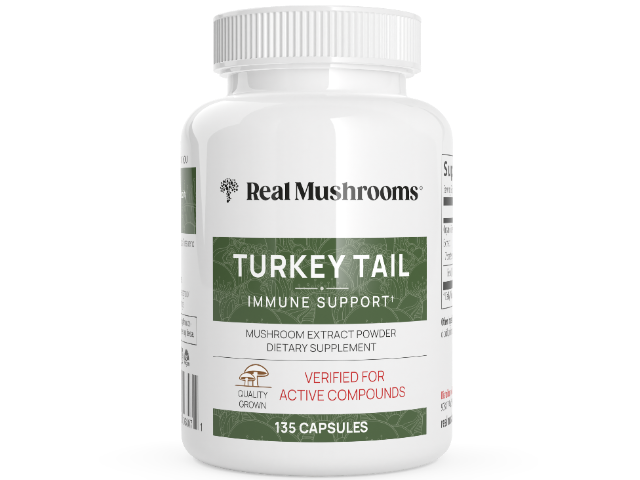
Turkey Tail Extract by Real Mushrooms
Shop Now →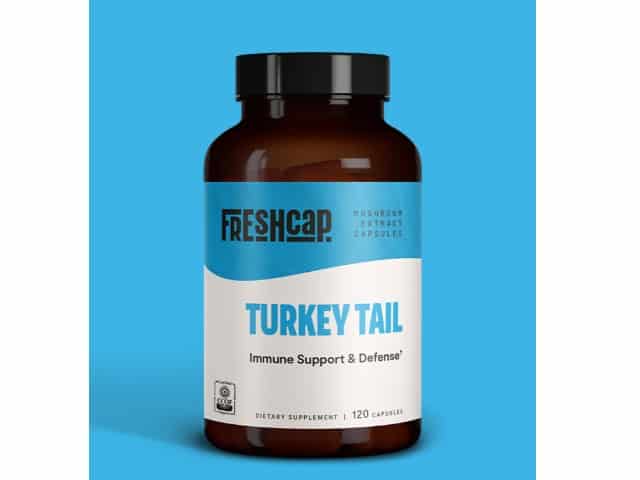
Turkey Tail Mushroom Capsules by FreshCap
Shop Now →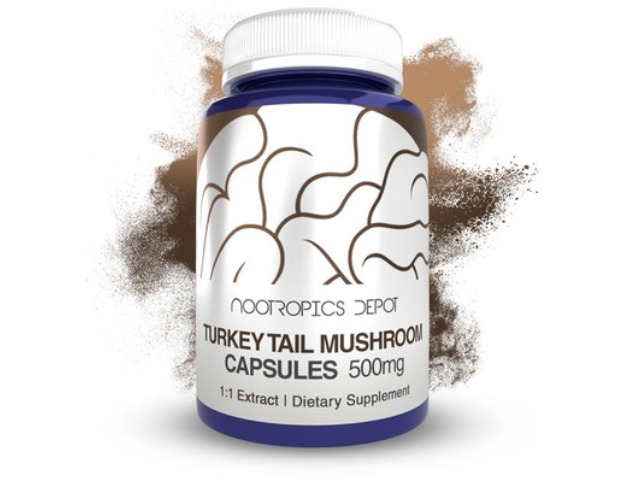
Buy Turkey Tail Mushroom Capsules | Trametes Versicolor by Nootropics Depot
Shop Now →Disclosure: These are affiliate links. I earn a small commission if you purchase — at no extra cost to you. I only recommend products I personally use or have thoroughly researched.