I used to white-knuckle my steering wheel in traffic like I was trying to choke it to death.
Not my proudest moment. But if you’ve ever felt that hot flash of irritation — the kind where your jaw clenches, your chest tightens, and you say something you immediately regret — you know exactly what I’m talking about. Anger isn’t just an emotion. It’s a full-body neurochemical event involving cortisol, adrenaline, serotonin, and an overactive amygdala that’s convinced every minor inconvenience is a saber-toothed tiger.
The good news? Certain nootropics can dial down the neurochemistry that fuels rage — without turning you into a zombie. I’ve tested most of these myself, dug into the clinical trials, and talked to hundreds of readers dealing with the same thing.
The Short Version: L-Theanine is the fastest-acting option for acute anger and irritability — 200 mg takes the edge off in about 30 minutes. For chronic anger rooted in stress, Ashwagandha (600 mg KSM-66) is the strongest evidence-backed adaptogen. And if you suspect you’re just magnesium-deficient (most people are), Magnesium glycinate at 300 mg before bed can be surprisingly transformative. Below, I break down all 11 with the actual science.
Quick Comparison: 11 Best Nootropics for Anger at a Glance
| Substance | Best For | Evidence Level | Onset Time | Key Mechanism |
|---|---|---|---|---|
| L-Theanine | Acute irritability, road rage | Strong | 30-60 min | Alpha wave boost, GABA/glutamate balance |
| Ashwagandha | Chronic stress-driven anger | Strong | 2-4 weeks | Cortisol reduction (HPA axis) |
| Magnesium | Tension, irritability, poor sleep | Strong | 1-2 weeks | NMDA receptor modulation |
| Rhodiola Rosea | Burnout-fueled frustration | Moderate | 1-2 weeks | MAO inhibition, serotonin/dopamine |
| Bacopa Monnieri | Long-term emotional regulation | Moderate | 4-6 weeks | GABA/serotonin enhancement |
| Phosphatidylserine | Exercise/stress cortisol spikes | Moderate | 2-4 weeks | Cortisol blunting |
| Saffron | PMS/PMDD-related irritability | Moderate | 1-2 weeks | Serotonin reuptake inhibition |
| Omega-3s | Inflammation-linked aggression | Moderate | 4-8 weeks | Anti-inflammatory (EPA pathway) |
| 5-HTP | Impulsive anger outbursts | Preliminary | 1-3 days | Serotonin precursor |
| GABA | Acute tension relief | Preliminary | 30-60 min | Direct GABA agonism |
| Kava | Social anxiety-driven anger | Moderate | 30-60 min | Kavalactone GABA modulation |
The Neurochemistry of Anger (Why Your Brain Picks Fights)
Before we get into solutions, it helps to understand what’s actually happening in your brain when anger takes over. This isn’t just “having a bad day” — it’s a cascade of neurochemical events that, once triggered, are genuinely hard to stop.
When something sets you off, your amygdala — the brain’s threat-detection center — fires before your prefrontal cortex (the rational, “let’s think about this” part) even gets a vote. Stress hormones like cortisol and adrenaline flood your system, activating the fight-or-flight response. Your heart rate jumps, muscles tense, and suddenly you’re ready to argue with a stranger over a parking spot.
Here’s where it gets interesting for nootropic intervention. Three neurotransmitter systems drive the anger response:
- Serotonin — Low serotonin is consistently linked to impulsive aggression and irritability. It’s your emotional brake pedal.
- GABA — The brain’s primary inhibitory neurotransmitter. When GABA is low, neural circuits stay “hot” and overreactive.
- Dopamine/Norepinephrine — Regulate attention and reward-seeking. Imbalances here create frustration tolerance issues — everything feels like a personal affront.
The nootropics below target these systems at different points. Some work fast (L-Theanine, GABA, Kava). Others rebuild the underlying neurochemistry over weeks (Ashwagandha, Bacopa, Omega-3s). The best approach usually combines both.
Important: Nootropics are tools, not replacements for professional help. If anger is significantly impacting your relationships or daily life, work with a therapist or psychiatrist alongside any supplement protocol. These compounds support the process — they don’t replace it.
The 11 Best Nootropics for Managing Anger
L-Theanine
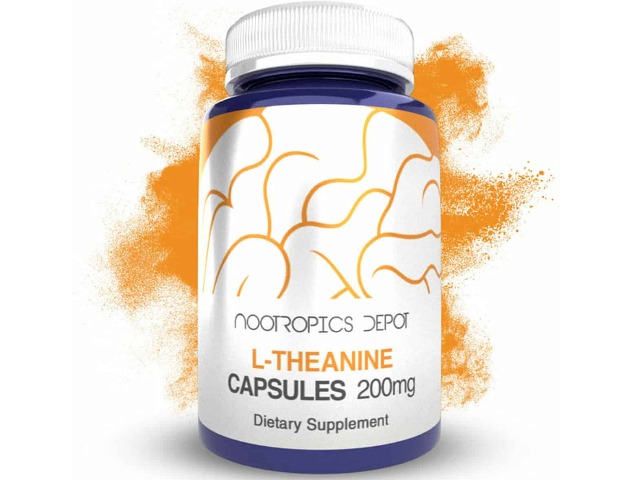
If I had to recommend one nootropic for anger, this would be it. L-Theanine is an amino acid found naturally in green tea that boosts alpha and theta brain waves — the same patterns you see during meditation. It modulates the GABA/glutamate balance without sedation, which means you get calmer without getting foggy.
A 2022 trial of 91 middle-aged adults found that 100.6 mg/day for 12 weeks significantly improved attention and executive function (p<0.05), with acute doses enhancing working memory at a moderate effect size (Cohen’s d=0.4). That executive function piece matters — anger management is fundamentally a prefrontal cortex job, and L-Theanine helps that brain region stay online when your amygdala is screaming.
Where L-Theanine really shines is the caffeine stack. If you’re a coffee drinker who gets jittery and snappy by 10 AM, adding 200 mg of L-Theanine to your morning coffee blunts the cortisol spike while preserving the alertness. It’s the single easiest anger-management hack I know.
- Dosage: 100–400 mg/day; 200 mg acute for fast relief
- Onset: 30–60 minutes
- Best for: Caffeine-related irritability, road rage, acute stress
- Who should use it: High-stress professionals, anyone who drinks coffee and snaps at people by midmorning
Pro Tip: Keep a bottle of 200 mg L-Theanine capsules in your car or desk drawer. It’s the fastest legal way to take the edge off before a tense meeting or a long commute. No drowsiness, no dependency, no downside.
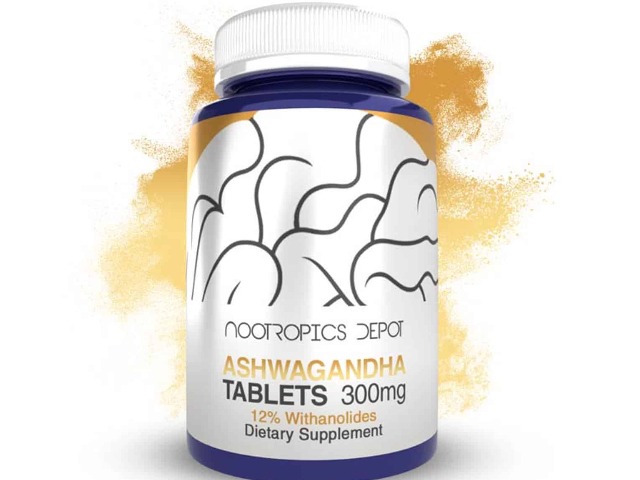
Ashwagandha
Ashwagandha is the heavy hitter for chronic, stress-driven anger — the kind where you’re not reacting to one thing, you’re just constantly on edge. It works by directly modulating the HPA axis and lowering cortisol levels, which is the hormonal backbone of the anger response.
A 2021 meta-analysis across 5 randomized controlled trials (total N≈500) found that 300–600 mg/day of standardized extract significantly reduced stress markers with a standardized mean difference of -0.56 (p<0.001). That’s a meaningful effect size — not subtle. The catch is onset: you need 2–4 weeks of consistent use before the cortisol-lowering effect kicks in. This isn’t a rescue remedy.
I take KSM-66 extract at 600 mg in the evening. It doubles as a sleep aid, and since poor sleep is one of the biggest anger amplifiers, that’s a two-for-one. Some people report GI upset at higher doses — start at 300 mg and build up.
- Dosage: 300–600 mg standardized extract (KSM-66 or Sensoril)
- Onset: 2–4 weeks for full effect
- Best for: Chronic stress, elevated cortisol, anger + insomnia
- Who should use it: People who are always stressed, not just occasionally angry
Reality Check: Ashwagandha can affect thyroid function. If you have hyperthyroidism or are on thyroid medication, talk to your doctor first. It’s also not recommended during pregnancy. This is a powerful adaptogen — respect the contraindications.
Magnesium
Here’s the unsexy answer that might be the most important one on this list. Magnesium deficiency is shockingly common — some estimates put it at 50%+ of the Western population — and one of its earliest symptoms is irritability and emotional reactivity. You might not need a fancy nootropic stack. You might just need magnesium.
Magnesium works by blocking overactive NMDA receptors, calming the neural hyperexcitability that makes everything feel like a bigger deal than it is. A 2023 trial of 126 participants found that just 250 mg/day for 8 weeks significantly reduced anxiety scores (p=0.01). It also supports sleep quality, and we already covered how bad sleep fuels anger.
The form matters. Magnesium glycinate is the gold standard for mood and sleep — highly bioavailable, minimal GI issues. Avoid magnesium oxide (cheap, poorly absorbed, will give you diarrhea). Magnesium threonate is another good option if cognitive function is also a priority.
- Dosage: 200–400 mg elemental magnesium/day (glycinate form)
- Onset: 1–2 weeks
- Best for: Baseline irritability, muscle tension, poor sleep
- Who should use it: Literally almost everyone — especially if your diet is low in leafy greens, nuts, and seeds
Rhodiola Rosea
Rhodiola Rosea is the adaptogen you reach for when anger comes from burnout — when you’ve been running on empty for so long that everything irritates you. It works differently than Ashwagandha: Rhodiola inhibits monoamine oxidase, which keeps serotonin and dopamine levels elevated. More serotonin means better impulse control. More dopamine means better frustration tolerance.
A 2023 review of studies involving 200–600 mg/day in stressed adults (N>100) showed significant improvements in stress resilience (p<0.01), including better performance under multitasking pressure. That’s directly relevant — most anger episodes happen when we’re overwhelmed and our cognitive resources are depleted.
The key difference from Ashwagandha: Rhodiola is mildly stimulating. Take it in the morning, not at night. It gives you energy without the crash — think of it as calm alertness rather than sedation.
- Dosage: 200–600 mg/day (standardized to 3% rosavins)
- Onset: 1–2 weeks
- Best for: Burnout-related frustration, work stress, fatigue-driven irritability
- Who should use it: Overworked professionals, caregivers, anyone whose anger correlates with exhaustion
Insider Tip: Rhodiola and Ashwagandha complement each other well. Rhodiola in the morning for energy and stress resilience, Ashwagandha in the evening for cortisol reduction and sleep. It’s my favorite adaptogen pairing for people dealing with both burnout and chronic tension.
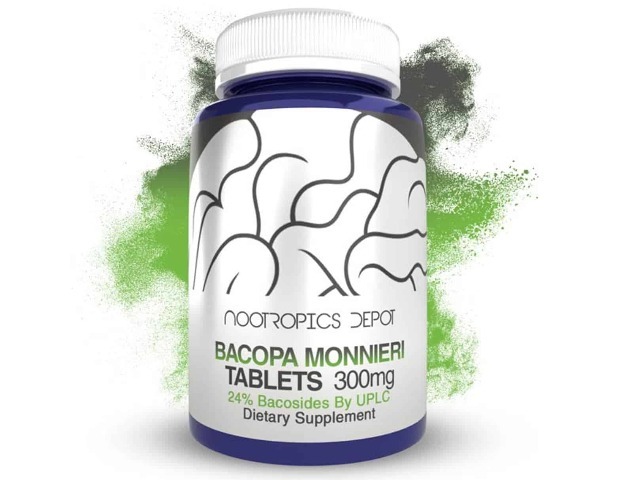
Bacopa Monnieri
Bacopa Monnieri is the slow builder of this list. It enhances GABA and serotonin signaling, reducing the neuronal excitability that underlies rage responses. But you need patience — most studies show meaningful results at the 8–12 week mark.
In a trial of approximately 60 participants, 300 mg/day of Bacopa standardized to 20% bacosides for 12 weeks significantly reduced anxiety scores (p<0.05). The dual benefit here is that Bacopa also improves memory and cognitive processing, which means you’re not just calmer — you’re sharper. Better cognitive function means better emotional regulation, period.
The main complaint is GI discomfort, especially on an empty stomach. Take it with food. Some people also report mild sedation in the first week, which usually resolves. Think of Bacopa as a long-term investment in emotional stability rather than a quick fix.
- Dosage: 300–450 mg/day (standardized to 20%+ bacosides)
- Onset: 4–8 weeks
- Best for: Long-term emotional regulation, anger + brain fog
- Who should use it: Students, anyone willing to commit to a longer protocol for lasting change
Phosphatidylserine
Phosphatidylserine (PS) is a phospholipid that sits in your cell membranes and plays a direct role in the cortisol response. Specifically, it blunts the cortisol spike that happens during acute stress — the exact spike that turns a minor frustration into a full-blown anger episode.
A review of studies using 400–800 mg/day showed meaningful stress reduction across approximately 200 participants (SMD=-0.45). It’s particularly well-studied in exercise-related cortisol — athletes who take PS have a measurably lower stress hormone response to intense training. But the same mechanism applies to psychological stress.
The downside? Cost. Effective doses of PS (400+ mg/day) aren’t cheap, running $40–60/month at quality brands. But if your anger specifically correlates with high-stress situations — arguments, deadlines, intense workouts — PS directly targets the cortisol pathway that’s driving it.
- Dosage: 100–400 mg/day (400 mg for cortisol blunting)
- Onset: 2–4 weeks
- Best for: Stress-triggered anger, exercise-related irritability
- Who should use it: Athletes, type-A personalities, anyone whose anger tracks with specific stressors
Saffron
Saffron extract is one of the more underappreciated mood regulators on this list. It works through serotonin reuptake inhibition — mechanistically similar to SSRIs, but without the prescription, the sexual side effects, or the withdrawal syndrome. That serotonin boost directly improves impulse control and emotional regulation.
A 2022 meta-analysis of over 500 participants found that 30 mg/day of standardized saffron extract significantly improved mood scores (SMD=-0.15, p<0.01). The effect size is modest but consistent, and it shows up within 1–2 weeks — faster than most adaptogens.
Where saffron really stands out is for hormone-related irritability. Multiple studies have shown benefits for PMS and PMDD symptoms, including the irritability and mood swings that can feel indistinguishable from anger. If your anger has a monthly pattern, saffron should be high on your list.
- Dosage: 15–30 mg/day (standardized extract)
- Onset: 1–2 weeks
- Best for: PMS/PMDD-related anger, mild depression with irritability
- Who should use it: Women with cyclical mood changes, anyone looking for a gentle serotonergic option
Reality Check: Saffron is expensive as a raw spice, but standardized extracts are reasonable at $20–30/month. Make sure you’re buying an extract standardized to crocin and safranal — not culinary-grade saffron threads. The active compounds need to be concentrated to therapeutic levels.
Omega-3 Fatty Acids
The link between Omega-3s and aggression is one of the more robust findings in nutritional psychiatry. Chronic inflammation drives irritability at a fundamental level — inflamed brains are reactive brains — and EPA (eicosapentaenoic acid) is one of the most effective natural anti-inflammatories we have.
A 2021 meta-analysis across approximately 2,000 participants found that 1–2g of EPA per day reduced aggression with a standardized mean difference of -0.34. That’s a clinically meaningful effect, and it held across different populations — from prison inmates to healthy volunteers. The anti-inflammatory mechanism means Omega-3s address a root cause of anger that most other nootropics on this list don’t touch.
The catch is timeline. You need 4–8 weeks of consistent supplementation before the anti-inflammatory effects build up. And quality matters — look for triglyceride-form fish oil with a high EPA:DHA ratio (at least 2:1) and third-party testing for heavy metals.
- Dosage: 1–3g EPA+DHA/day (prioritize EPA)
- Onset: 4–8 weeks
- Best for: Chronic low-grade irritability, inflammatory diets
- Who should use it: Anyone eating a standard Western diet, people with inflammatory conditions
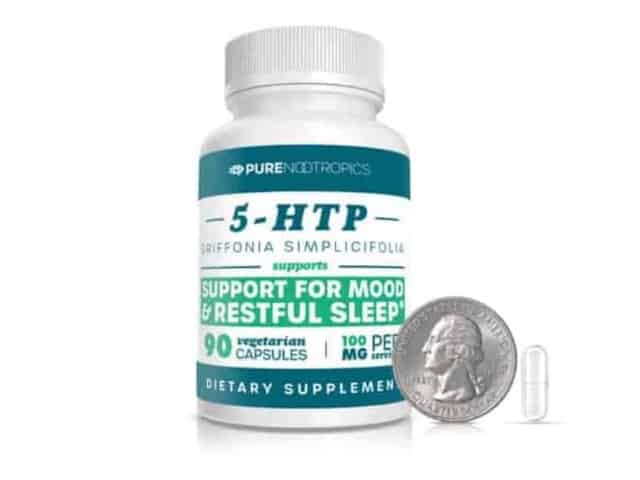
5-HTP
5-HTP is the direct precursor to serotonin — your body converts it one enzymatic step away from the neurotransmitter itself. This makes it fast-acting for impulse control and emotional regulation, but it also makes it one of the higher-risk options on this list.
Small trials (N≈50) have shown that 50 mg taken three times daily reduced panic and anxiety symptoms (p<0.05). The serotonin boost can meaningfully reduce impulsive anger — the kind where you react before you think and immediately regret it. Some users report noticeable calming effects within 1–3 days.
But here’s the critical safety note: 5-HTP should never be combined with SSRIs, SNRIs, or MAOIs. The combination can cause serotonin syndrome, which is a medical emergency. It’s also best used short-term (4–8 weeks) rather than indefinitely, and should include a peripheral decarboxylase inhibitor (like green tea extract) to prevent excessive peripheral serotonin production.
- Dosage: 50–150 mg/day (start at 50 mg)
- Onset: 1–3 days
- Best for: Impulsive anger, emotional eating with anger
- Who should use it: People with suspected low serotonin who are NOT on antidepressants
Important: This is non-negotiable — do NOT take 5-HTP if you’re on any serotonergic medication. The interaction risk is real and dangerous. If you’re on antidepressants and want serotonin support, talk to your prescriber about adjusting your medication instead.
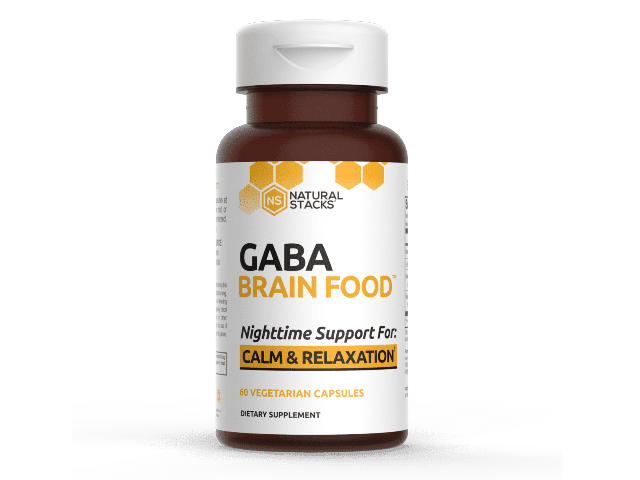
GABA
GABA is the brain’s primary “calm down” signal — it’s the main inhibitory neurotransmitter, and when GABA activity is low, neural circuits stay fired up and reactive. Supplemental GABA is the most direct approach on this list: you’re taking the exact molecule your brain uses to inhibit overexcitation.
The debate around GABA is whether it crosses the blood-brain barrier effectively. The evidence is mixed — some researchers argue that most supplemental GABA acts peripherally (calming the nervous system through the gut-brain axis rather than direct brain penetration). Small trials with fewer than 50 participants have shown anxiety reduction, but the mechanisms remain unclear.
That said, plenty of users report genuine calming effects from 250–500 mg doses. Whether that’s central or peripheral action almost doesn’t matter if the subjective result is less reactivity. I’d classify GABA as a useful acute tool — something you take situationally rather than daily.
- Dosage: 250–750 mg as needed
- Onset: 30–60 minutes
- Best for: Acute stress, situational tension
- Who should use it: People who want a fast-acting, low-risk option for specific stressful situations
Kava
Kava has been used for centuries in Pacific Island cultures specifically to promote social harmony and reduce conflict — which is essentially traditional anger management in a coconut shell. The active compounds, kavalactones, are potent GABA modulators that produce a distinctive calm-but-clear state.
A 2022 review of studies totaling over 300 participants found that 100–300 mg of kavalactones per day significantly reduced anxiety (p<0.001). The effect is notable — Kava rivals benzodiazepines for anxiolytic potency in some trials, without the cognitive impairment or addiction potential.
The elephant in the room is liver safety. Rare but serious hepatotoxicity cases have been reported, mostly linked to non-root preparations or pre-existing liver conditions. Stick with noble kava varieties prepared from root only, avoid alcohol while using it, and don’t exceed 300 mg kavalactones/day.
- Dosage: 100–300 mg kavalactones/day
- Onset: 30–60 minutes
- Best for: Social anxiety-driven anger, evening relaxation
- Who should use it: People whose anger surfaces in social situations, anyone looking for a natural anxiolytic
Important: Avoid Kava if you have any liver condition, drink heavily, or take medications metabolized by the liver (most are). Get liver function tests if using Kava for more than 4 weeks. This isn’t fear-mongering — it’s responsible use of a genuinely powerful compound.
Smart Stacking Strategies (Combining for Better Results)
Single nootropics work. Thoughtful combinations work better. Here are four stacks I’ve seen produce the best results for anger management, organized by use case.
| Stack | Components | Use Case | Notes |
|---|---|---|---|
| Calm Focus | L-Theanine 200 mg + Caffeine 100 mg | Morning irritability from coffee | Blunts jitters while keeping alertness |
| Adaptogen Base | Ashwagandha 600 mg + Rhodiola 300 mg + Magnesium 300 mg | Chronic stress + burnout | Rhodiola AM, Ashwagandha PM, Magnesium PM |
| Serotonin Support | 5-HTP 100 mg + Bacopa 300 mg | Impulsive anger with brain fog | Short-term 5-HTP, long-term Bacopa |
| Evening Wind-Down | PS 200 mg + GABA 500 mg + Kava 150 mg | After-work decompression | GABA stack — monitor for excess sedation |
Pro Tip: Start with one substance at a time. Add a second after 2 weeks if you want more effect. Never start three things simultaneously — you won’t know what’s working and what’s causing side effects. Patience here is a genuine competitive advantage.
How to Choose Without Wasting Your Money
Feeling overwhelmed by the options? Here’s how to narrow it down fast.
If your anger is situational (road rage, meeting stress, arguments): Start with L-Theanine. It’s fast, cheap, safe, and effective. Keep it on hand for acute situations. If you want more GABA support, add Kava for evenings.
If your anger is chronic (always on edge, short fuse all day): Start with Ashwagandha and Magnesium. Address the cortisol and mineral foundations first. Add Rhodiola if burnout/fatigue is a factor.
If your anger is impulsive (you react before you think): Serotonin support is key. Saffron is the safest starting point. 5-HTP is faster but carries more interaction risks.
If your anger correlates with your menstrual cycle: Saffron is the most evidence-backed option specifically for PMS/PMDD irritability. Combine with Magnesium for synergistic effects.
If you’re on a tight budget: Magnesium glycinate ($15–25/month) and L-Theanine ($10–20/month). Under $40/month for the two most versatile options on this list. That’s less than one therapy co-pay.
My Take
I’ve been through the full gamut of anger-management nootropics over the past six years, and here’s what I keep coming back to: the boring stuff works best.
Magnesium and L-Theanine form the foundation. They’re cheap, safe, well-studied, and they address the two most common root causes — mineral deficiency and acute stress reactivity. I’d estimate 60% of people who come to me frustrated with anger will see meaningful improvement from just these two.
For the other 40%, Ashwagandha is the next layer. It takes time, but the cortisol reduction is real and the sleep improvement compounds the benefits. Rhodiola in the morning if burnout is part of the picture.
The rest of this list — Bacopa, PS, Saffron, Omega-3s — they all have their place, but they’re refinements on a foundation, not the foundation itself. Get the basics right first.
And I’ll say this as directly as I can: if nootropics are the only thing you’re doing for anger management, you’re leaving results on the table. Sleep, exercise, therapy, and honest self-reflection do more than any supplement. These compounds make that work easier and more effective — they don’t replace it.
Start simple. Be patient. Pay attention to what actually changes. That’s the whole game.