 Medically reviewed by Dr. Saad Ansar, MBBS
I spent the better part of a year wondering why my brain felt like it was wrapped in cotton. I was sleeping eight hours, meditating, taking every nootropic I could get my hands on — and still waking up foggy. It wasn’t until I pulled gluten and dairy out of my diet for three weeks that the fog lifted like someone had cleaned a dirty windshield. That experience changed how I think about cognitive optimization entirely. Sometimes the most powerful nootropic isn’t something you add — it’s something you remove.
The Short Version: An elimination diet is a 6-10 week protocol where you remove common trigger foods for 2-4 weeks, then systematically reintroduce them one at a time to identify which ones are tanking your energy, focus, and mood. It’s the gold standard for uncovering hidden food sensitivities, and it may do more for your mental clarity than any supplement stack ever could. Below, I walk through exactly how to do it right.
Why Your Food Might Be Sabotaging Your Brain
Here’s something most nootropics content won’t tell you: the foundation of cognitive performance isn’t a pill. It’s what you eat — and more specifically, what you eat that your body can’t handle.
Food sensitivities are sneaky. Unlike a full-blown food allergy (think: throat swelling, hives, trip to the ER), sensitivities create low-grade chronic inflammation that you barely notice because it’s always there. Brain fog. Afternoon fatigue crashes. Anxiety that has no obvious source. Trouble concentrating even after a full night of sleep.
A 2012 review in Psychiatric Quarterly documented neurological and psychiatric manifestations of gluten sensitivity — including depression, anxiety, brain fog, and peripheral neuropathy — even in patients without celiac disease. The researchers noted these symptoms often resolved completely on a gluten-free diet.
The mechanism? Your gut and brain are in constant conversation through the gut-brain axis — a bidirectional communication highway involving the vagus nerve, immune signaling molecules, and the enteric nervous system. When food sensitivities trigger intestinal inflammation and increased gut permeability (what’s commonly called “leaky gut”), pro-inflammatory cytokines can cross the blood-brain barrier and directly impair neurotransmitter function.
Reality Check: An elimination diet isn’t a cure-all, and it’s not a substitute for medical diagnosis. If you suspect a true food allergy (hives, swelling, breathing difficulty), work with an allergist. This guide is for identifying the more subtle sensitivities that drag down your day-to-day cognitive performance.
A landmark 2014 study in BMC Gastroenterology established that increased intestinal permeability is linked to a range of conditions beyond the gut — including autoimmune disorders, metabolic disease, and neuroinflammation. Fixing the gut-food relationship, the researchers argued, should be a frontline intervention.
Step 1: Know What You’re Removing (And Why)
The elimination phase is the backbone of this entire process. You’re going to remove the most common inflammatory and allergenic foods for 2-4 weeks, giving your body a clean baseline to work from.
The “Big Eight” Elimination Categories
| Food Category | Why It’s Removed | Hidden Sources to Watch |
|---|---|---|
| Gluten (wheat, barley, rye) | Triggers inflammation even in non-celiacs; linked to neuropsychiatric symptoms | Soy sauce, salad dressings, beer, some supplements |
| Dairy (milk, cheese, yogurt, butter) | Casein and whey sensitivities are common; linked to brain fog and sinus issues | Protein powders, baked goods, “non-dairy” creamers |
| Eggs | Top 8 allergen; proteins in whites can trigger immune response | Mayo, baked goods, pasta, some vaccines |
| Soy | Phytoestrogens and processing concerns; common allergen | Vegetable oil, protein bars, processed foods, lecithin |
| Corn | Highly processed in modern food supply; common sensitivity | Corn syrup, maltodextrin, dextrose, modified food starch |
| Refined sugar & artificial sweeteners | Drives inflammation, disrupts gut microbiome | Condiments, “health foods,” granola bars, supplements |
| Alcohol | Gut irritant, impairs intestinal barrier function, disrupts sleep architecture | Cooking wines, extracts, some medications |
| Processed/packaged foods | Contain emulsifiers, preservatives, and additives that damage gut lining | Even “healthy” frozen meals and snack bars |
Some protocols also remove nightshades (tomatoes, peppers, eggplant, potatoes), shellfish, tree nuts, peanuts, and caffeine. I’d recommend starting with the Big Eight above and adding these only if you don’t get clear results in the first round.
Pro Tip: Don’t try to remove everything at once if the list feels overwhelming. A simpler approach — removing just gluten, dairy, and refined sugar — can still produce dramatic results. The 2011 INCA study published in The Lancet showed that a restricted elimination diet produced significant behavioral improvements in 64% of children with ADHD, using a protocol that started simple and expanded only as needed.
What You Should Eat
This isn’t about deprivation. Focus on building meals around:
- Clean proteins: Wild-caught fish (salmon, sardines — great for DHA), grass-fed meats, organic poultry
- Vegetables: Leafy greens, cruciferous veggies, squash, sweet potatoes, beets
- Healthy fats: Olive oil, avocado, coconut oil, ghee (if you tolerate it)
- Fruits: Berries (rich in anti-inflammatory anthocyanins), apples, pears
- Gluten-free grains: Rice, quinoa, buckwheat, millet
- Herbs and spices: Curcumin-rich turmeric, ginger, rosemary, oregano
Step 2: Prepare Your Body and Environment (The Pre-Game)
Jumping into an elimination diet cold is the #1 reason people fail. You need a transition week.
Days 1-7 before starting:
- Stock your kitchen. Clear out trigger foods so they’re not staring at you when willpower dips. Replace with approved alternatives.
- Start a food-mood journal. Before you change anything, document your current baseline — energy levels, mood, sleep quality, brain fog frequency, digestive symptoms. Rate each on a 1-10 scale daily. You’ll need this for comparison later.
- Taper, don’t cold-turkey caffeine. If you’re a coffee drinker and plan to remove caffeine, reduce by 25% every 2-3 days. Cold-turkey caffeine withdrawal mimics the exact symptoms you’re trying to track, which defeats the purpose.
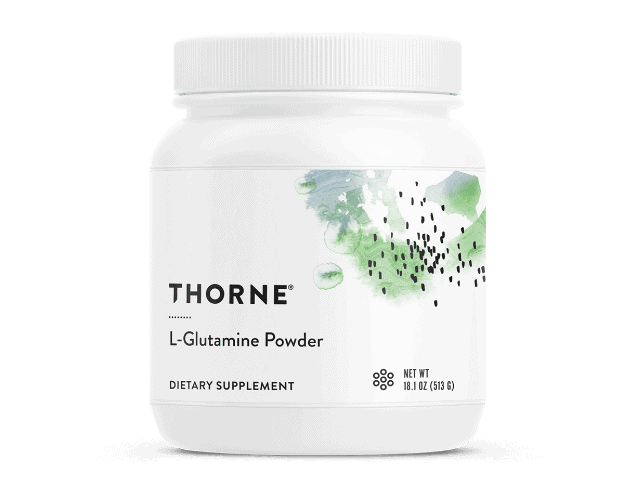
- Consider gut-support supplements. This is where a smart supplement strategy can actually help the process. L-Glutamine is the primary fuel source for intestinal epithelial cells and research suggests it supports gut barrier integrity. Magnesium glycinate can ease the transition period by supporting relaxation and bowel regularity.
Insider Tip: Meal prep 3-4 days of food in advance. The first week of an elimination diet is when cravings hit hardest — usually for the exact foods your body is most sensitive to, interestingly enough. Having ready-made meals removes the decision fatigue that leads to “just one bite.”
Step 3: The Elimination Phase (Weeks 1-4)
This is where discipline matters most. For the next 2-4 weeks, you eat only from your approved list. No exceptions. No “just a little bit.”
Why Strict Adherence Is Non-Negotiable
Even small exposures can keep the inflammatory cascade active. A 2004 randomized controlled trial in Gut demonstrated that food elimination based on IgG antibodies produced significant symptom improvement in IBS patients — but only when compliance was strict. Partial elimination didn’t move the needle.
What to Track Daily
| Category | What to Record | Why It Matters |
|---|---|---|
| Food & drink | Everything consumed, including brands and preparation methods | Identifies hidden ingredients |
| Energy levels | Rate 1-10 morning, afternoon, evening | Tracks overall vitality patterns |
| Mental clarity | Brain fog episodes, focus duration, cognitive sharpness | The metric most readers care about |
| Mood | Anxiety, irritability, depression, emotional stability | Food-mood connections are often the most surprising |
| Sleep | Hours, quality, time to fall asleep, wake-ups | Sleep disruption is a major sensitivity signal |
| Digestion | Bloating, gas, bowel changes, pain | The obvious gut symptoms |
| Physical symptoms | Joint pain, skin changes, headaches, congestion | Systemic inflammation markers |
Most people notice the first significant changes between days 7-14. For some, it’s faster. Give it a full 3 weeks minimum before evaluating.
Supporting Your Brain During Elimination
Removing major food groups can temporarily reduce your intake of certain nutrients. Here’s how to keep your cognitive performance supported during this phase:
- L-Theanine — If you’ve dropped caffeine, L-Theanine provides calm focus without the stimulant effects. Research suggests it promotes alpha brain wave activity associated with relaxed alertness.
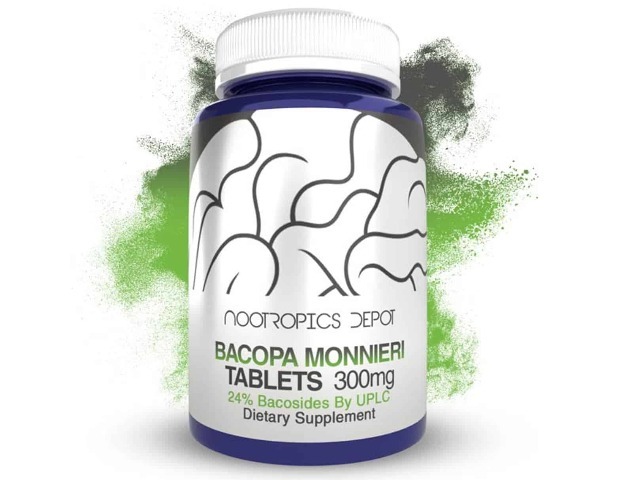
- Bacopa Monnieri — An adaptogenic herb that research suggests supports memory and cognitive processing. Useful when your brain feels sluggish during the transition.
- Lion’s Mane — This medicinal mushroom has been studied for its potential to support nerve growth factor (NGF) production. It also has prebiotic properties that may support beneficial gut bacteria.
- Ashwagandha — Adaptogenic support for the stress that dietary changes can trigger. A 2019 study in Medicine found that ashwagandha supplementation was associated with significant reductions in perceived stress and cortisol levels.
Important: If you’re using the elimination diet to identify sensitivities, be cautious about introducing new supplements during this phase. Stick with supplements you’ve already been taking and tolerate well. New supplements introduce new variables that make it harder to isolate food reactions.
Step 4: The Reintroduction Phase (The Detective Work)
This is where the real answers come. After your elimination phase, you systematically reintroduce one food category at a time.
The Reintroduction Protocol
Day 1: Eat a small portion of the test food in the morning. Wait and observe for 4-6 hours.
Day 2: If no reaction on Day 1, eat a larger, normal-sized portion. Continue observing.
Day 3: Eat the test food again at a normal portion. Track all symptoms through the end of the day.
Days 4-6: Remove the test food completely. Wait 3 full days before introducing the next food. This “washout” period is critical — some sensitivity reactions are delayed by 48-72 hours.
Day 7: Begin the next food challenge.
Reintroduction Order (What to Test First)
I recommend starting with the foods you miss least and working toward the ones you crave most. Cravings often point toward sensitivities — counterintuitive, but well-documented.
A practical order:
- Eggs — Common sensitivity but easy to test in isolation
- Gluten-free grains (oats, if removed) — Mild challenge
- Dairy — Start with ghee/butter (lowest casein), then yogurt, then milk/cheese
- Soy — Try whole soy (edamame) before processed forms
- Corn — Test as whole corn first, then processed corn products
- Gluten — Save for later; strong inflammatory potential
- Refined sugar — Test with simple white sugar, not candy bars
- Alcohol — Test last; confounds other results
Reading the Signals
Not every reaction is obvious. Here’s what to watch for:
Immediate reactions (within 2-4 hours):
- Bloating, gas, stomach pain
- Headache or sudden brain fog
- Rapid heartbeat or flushing
- Skin rash or itching
Delayed reactions (12-72 hours):
- Return of brain fog the next morning
- Joint stiffness or pain
- Mood changes — irritability, anxiety, depression
- Sleep disruption
- Sinus congestion or postnasal drip
- Fatigue that wasn’t present during elimination
Reality Check: Not every food will cause a clear reaction. Some foods may cause subtle effects that only become apparent over weeks of re-exposure. If you get an ambiguous result, mark that food as “retest later” and move on. You can rechallenge it in 3-6 months after further gut healing.
Step 5: Heal the Gut While You Identify Triggers (The Repair Phase)
Here’s where an elimination diet becomes more than just a diagnostic tool — it becomes a therapeutic intervention. While you’re removing triggers, you can actively support gut repair.
The 4R Framework
Functional medicine practitioners use the 4R protocol — Remove, Replace, Reinoculate, Repair — as a structured approach to gut restoration:
- Remove: The elimination diet handles this
- Replace: Support digestive function with digestive enzymes if needed
- Reinoculate: Support beneficial gut bacteria with probiotic-rich foods (sauerkraut, kimchi, coconut yogurt) and prebiotic fibers
- Repair: Targeted nutrients that support intestinal barrier function
Key Supplements for Gut Repair
- L-Glutamine — The most-studied nutrient for gut barrier repair. A 2020 study in Oxidative Medicine and Cellular Longevity found that L-glutamine supplementation supported anti-inflammatory markers and redox balance. Typical research doses range from 5-10g daily.
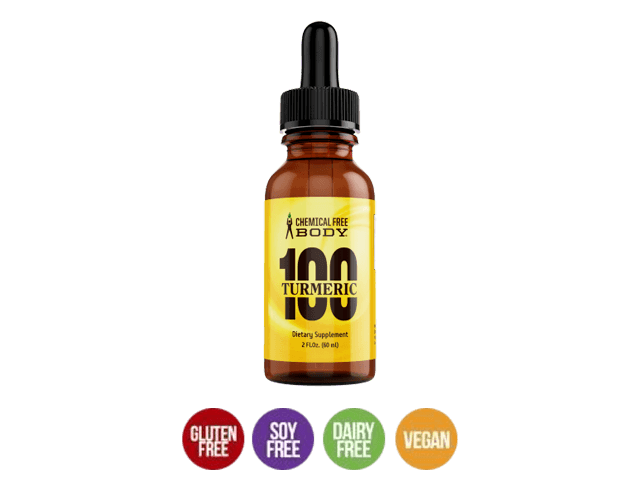
- Curcumin — A 2020 review in the International Journal of Molecular Sciences documented curcumin’s ability to modulate intestinal inflammatory pathways. Look for bioavailability-enhanced forms.
- Quercetin — A flavonoid that research suggests helps stabilize mast cells and reduce histamine release — particularly relevant for food sensitivity reactions.
- N-Acetylcysteine (NAC) — Supports glutathione production, the body’s master antioxidant. Research suggests it may help reduce oxidative stress associated with gut inflammation.
- DHA — Omega-3 fatty acids have well-documented anti-inflammatory effects. A 2017 review in Biochemical Society Transactions confirmed omega-3s modulate inflammatory processes from the molecular level up. Essential for both gut and brain health.
Pro Tip: Taurine is an often-overlooked amino acid that research suggests plays a role in bile acid conjugation — which is critical for fat digestion and gut motility. If you notice digestive sluggishness during the elimination phase, taurine may help.
Step 6: Build Your Personalized Long-Term Protocol
After completing the full elimination and reintroduction cycle, you’ll have actionable data that no lab test can replicate. Here’s how to use it.
Categorize Your Results
| Category | What It Means | What to Do |
|---|---|---|
| Clear triggers (obvious reaction) | Your body is currently intolerant to this food | Eliminate completely for 3-6 months, then rechallenge |
| Moderate sensitivity (mild or delayed reaction) | Partial intolerance, may improve with gut healing | Limit to 1-2 servings per week, monitor |
| No reaction | You tolerate this food well | Reintroduce freely into your regular diet |
| Ambiguous (unclear results) | Reaction may be dose-dependent or masked | Rechallenge in 3-6 months after gut repair protocol |
The Retest Window
After 3-6 months of eliminating trigger foods and actively supporting gut repair, many people find that previously problematic foods become tolerable again. The gut lining regenerates every 3-5 days, and with the right support, significant healing can occur.
This is one of the most empowering aspects of the process. You’re not necessarily condemning yourself to avoid a food forever. You’re identifying what your body can’t handle right now — and giving it the tools to potentially heal.
Long-Term Brain-Support Stack
Once you’ve identified and removed your triggers, this is when nootropics can really shine. With a clean dietary foundation, your brain is better positioned to respond to targeted supplementation:
- Bacopa Monnieri for long-term memory consolidation
- Lion’s Mane for neuroplasticity and NGF support
- Rhodiola Rosea for stress resilience and mental endurance
- Magnesium L-Threonate for cognitive function — the only magnesium form shown to cross the blood-brain barrier effectively
Who Should NOT Do an Elimination Diet (Or Needs Medical Supervision)
This is important. An elimination diet is safe for most adults, but certain populations need medical guidance:
- People with a history of eating disorders. Restrictive diets can trigger disordered eating patterns. Work with a therapist alongside a nutritionist.
- Pregnant or breastfeeding women. Nutritional requirements are elevated; restriction needs careful planning.
- Children under 12. The INCA study (2011, The Lancet) showed promising ADHD results in children, but the protocol was medically supervised. Don’t wing it with kids.
- People with known severe food allergies. Reintroduction of a true allergen can cause anaphylaxis — a potentially life-threatening reaction. This requires an allergist.
- Anyone on medications that interact with dietary changes. Blood sugar medications, blood thinners, and thyroid medications can all be affected by major dietary shifts.
Important: If you experience severe symptoms during elimination or reintroduction — difficulty breathing, significant swelling, chest tightness, or severe abdominal pain — seek medical attention immediately. Sensitivity is not the same as allergy, and this guide is designed for uncovering sensitivities, not managing allergies.
Putting It All Together (Your Timeline)
Here’s the complete protocol at a glance:
| Phase | Duration | Key Actions |
|---|---|---|
| Preparation | 1 week | Stock kitchen, start food-mood journal, taper caffeine, begin gut-support supplements |
| Elimination | 2-4 weeks | Strict removal of trigger food categories, daily symptom tracking |
| Reintroduction | 4-6 weeks | One food category every 5-7 days, careful observation and logging |
| Analysis | 1-2 days | Categorize results, plan long-term dietary changes |
| Gut Repair | 3-6 months | Support with L-Glutamine, Curcumin, probiotics; rechallenge trigger foods at 3 and 6 months |
| Optimization | Ongoing | Clean diet + targeted nootropic stack for peak cognitive performance |
Total active protocol time: 8-12 weeks. That’s a small investment for potentially life-changing clarity about what your body actually needs.
My Take
I’ve recommended hundreds of supplements over the years, and I stand behind every one of them. But if someone came to me tomorrow and said, “Erik, I have brain fog, low energy, and I can’t focus — what’s the one thing I should try first?” — I’d tell them to do an elimination diet before spending a dime on nootropics.
I know how frustrating it is to feel like you’re doing everything right and still operating at 60%. I’ve been there. And the unsexy truth is that no amount of Bacopa or Lion’s Mane can fully compensate for a food sensitivity that’s silently driving inflammation in your gut and brain every single day.
The elimination diet gave me data I couldn’t get from any lab test or biohacking gadget. It showed me that dairy was my cognitive kryptonite — something I never would have guessed because I’d been eating it my entire life.
Is it inconvenient? Yes. Will you have moments where you want to quit? Absolutely. But the mental clarity that comes from removing your personal triggers is unlike anything I’ve experienced from a supplement. It’s the difference between optimizing a well-running machine and trying to turbocharge an engine with a clogged fuel filter.
Fix the foundation first. Then stack your nootropics on top of a body that can actually use them. That’s the holistic approach — and it’s the only one that actually works long-term.