
If there’s one mineral I recommend to virtually every client I work with, it’s magnesium. After years of clinical practice as a Functional Nutritional Therapy Practitioner, I’ve seen magnesium deficiency at the root of more complaints than almost any other single nutrient gap — poor sleep, chronic anxiety, muscle cramps, brain fog, and blood sugar issues all trace back to insufficient magnesium status in a shocking number of people.
The problem is that most magnesium supplements only include one or two forms, meaning you’re getting some benefits while missing others. This is why I’ve been recommending Magnesium Breakthrough from BiOptimizers for several years now. It’s the only product I’ve found that delivers seven different forms of magnesium in a single capsule, each targeting different physiological systems.
Key Takeaways: Magnesium Breakthrough combines seven forms of magnesium (chelate, citrate, bisglycinate, malate, aspartate, taurate, and orotate) to address the full spectrum of magnesium’s 300+ enzymatic roles. Most adults consuming a standard Western diet are significantly deficient. This product is particularly valuable for improving sleep, managing stress, supporting blood sugar balance, and reducing muscle tension. For a deeper dive into the science, see my Ultimate Guide to Magnesium.
Why Magnesium Deficiency Is So Common
Magnesium is required for over 300 enzyme systems in the body, ranging from protein synthesis to nerve function, energy production, and glycolysis. It’s not an exaggeration to say that virtually every metabolic process in your body depends on adequate magnesium.
The recommended daily intake for elemental magnesium is 300-420mg, and most people consuming a standard American diet fall well short of this amount. The reasons are systemic: modern agricultural practices have depleted magnesium from topsoil, processed foods strip it out during manufacturing, and chronic stress accelerates magnesium excretion through the kidneys. A 2024 systematic review in Nutrients confirmed that supplemental magnesium is “likely useful in the treatment of mild anxiety and insomnia, particularly in those with low magnesium status at baseline” — underscoring that the deficiency itself is a major driver of symptoms rather than just a contributing factor.
The consequences of running low are wide-ranging:
- Sleep disruption — magnesium activates the parasympathetic nervous system and regulates melatonin production
- Heightened anxiety and stress — magnesium modulates the HPA axis and GABA receptor function
- Blood sugar instability — magnesium is critical for insulin signaling and glucose metabolism
- Cognitive fog — neuronal firing and neurotransmitter release depend on adequate magnesium
- Muscle cramps and tension — magnesium regulates calcium influx at the neuromuscular junction
- Digestive issues — magnesium supports motility and enzyme secretion throughout the GI tract
For anyone dealing with metabolic or mental health challenges, getting magnesium right is foundational. I cover the full connection between blood sugar, cortisol, and mental health in my article on metabolism and mental health.
What Is Magnesium Breakthrough?
Magnesium Breakthrough is a comprehensive magnesium supplement from BiOptimizers that includes seven distinct forms of magnesium. The rationale is straightforward: different magnesium compounds have different bioavailabilities and tissue affinities. By combining multiple forms, you increase the probability of saturating the various systems that depend on this mineral.
Here’s what each form contributes:
Magnesium Chelate
Magnesium chelate is elemental magnesium bound to a carrier molecule, making it highly absorbable. It supports carbohydrate, protein, and fat metabolism — foundational processes that affect energy levels throughout the day.
Magnesium Citrate
Research indicates that magnesium citrate is among the most bioavailable forms of magnesium. It has a mild natural laxative effect, making it particularly useful for those dealing with sluggish digestion or constipation — a common downstream effect of magnesium deficiency.
Magnesium Bisglycinate
This is magnesium bound to two molecules of the amino acid glycine. Magnesium glycinate is my preferred form for sleep support, since glycine itself has calming, sleep-promoting properties. A 2025 randomized, placebo-controlled trial published in Nutrients confirmed that magnesium bisglycinate supplementation in healthy adults reporting poor sleep produced significant improvements in sleep duration, deep sleep, sleep efficiency, and heart rate variability readiness compared to placebo.
Magnesium Malate
Magnesium bound to malic acid, a compound involved in the Krebs cycle and cellular energy production. Some preliminary research suggests magnesium malate may be beneficial for managing symptoms of fibromyalgia and chronic fatigue syndrome — conditions where mitochondrial energy production is compromised.
Magnesium Aspartate
Research has explored magnesium aspartate as a cardioprotective agent. Aspartic acid plays a role in the urea cycle and amino acid metabolism, potentially supporting cardiovascular function alongside its magnesium delivery.
Magnesium Taurate
Magnesium taurate combines magnesium with taurine, an amino acid with its own calming and cardiovascular benefits. Preliminary research suggests this form may play a role in regulating blood sugar and blood pressure, making it a good choice for metabolic support.
Magnesium Orotate
Magnesium bound to orotic acid, which has been studied for its potential myocardial and neuronal protective effects. The synergistic combination may support heart health and nervous system function beyond what either component provides alone.
Who Benefits Most from Magnesium Breakthrough
In my practice, I recommend Magnesium Breakthrough to several categories of clients:
People with sleep issues — the combination of bisglycinate and taurate forms makes this particularly effective for improving sleep onset and sleep quality. I often pair it with melatonin support strategies for clients with severely disrupted circadian rhythms.
High-stress individuals — magnesium depletion accelerates under chronic stress, and stress depletes magnesium. Breaking this cycle requires aggressive repletion. The multiple forms in Magnesium Breakthrough ensure broad coverage of magnesium-dependent stress pathways, including GABA receptor modulation and HPA axis regulation.
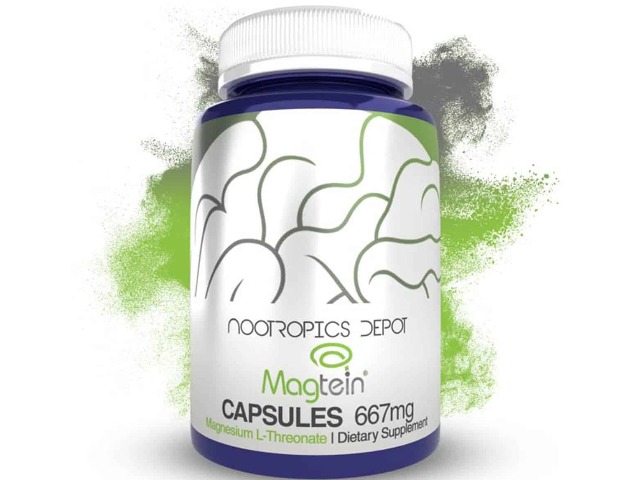
Anyone optimizing cognition — if you’re taking nootropics like citicoline, alpha-GPC, or Bacopa monnieri, magnesium is a non-negotiable foundation. Neurotransmitter synthesis and neuronal signaling depend on it. For targeted brain support, also look into magnesium L-threonate, which has the strongest evidence for crossing the blood-brain barrier. A landmark 2025 RCT published in Frontiers in Nutrition (n=100) found that 2g daily of magnesium L-threonate (Magtein) was associated with a 7.5-year reduction in estimated brain cognitive age and significantly greater improvements in overall cognitive performance on the NIH Total Cognition Composite, including faster reaction times. A 2024 RCT (n=80) in Sleep Medicine: X also found that magnesium L-threonate significantly outperformed placebo for deep sleep, REM sleep, activity, and readiness scores after just 21 days of supplementation.
People with blood sugar concerns — magnesium’s role in insulin signaling makes it critical for metabolic health. I discuss this connection in detail in my article on metabolism and mental health.
My Experience with Magnesium Breakthrough
I’ve been using Magnesium Breakthrough as part of my daily stack for several years now. I take two capsules in the evening, about an hour before bed. The effect on sleep quality was noticeable within the first week — deeper sleep, fewer middle-of-the-night wake-ups, and a more rested feeling upon waking.
Beyond sleep, the most significant change I’ve noticed is in stress resilience. On days when I skip magnesium (traveling, ran out, etc.), I notice a measurably shorter fuse and more difficulty maintaining calm focus during demanding cognitive work. It’s one of those supplements where the absence is more noticeable than the presence — which, in my experience, is a sign of something genuinely foundational.
I’ve also recommended it to dozens of clients, and the feedback is consistently positive, especially for sleep and anxiety reduction. A few clients with chronic constipation have also reported significant improvements in regularity.
Dosage and How to Take It
BiOptimizers recommends 2 capsules daily, which I agree with as a maintenance dose. I take mine in the evening to leverage the sleep-promoting benefits.
For clients who are clearly deficient (most people), I sometimes suggest starting with 3 capsules daily for the first month, then tapering to 2. Taking it with food can reduce the mild GI effects some people experience initially.
If you’re stacking Magnesium Breakthrough with other supplements, note that magnesium can compete for absorption with calcium, iron, and zinc. I recommend spacing magnesium supplementation at least 2 hours from these minerals.
How It Compares to Other Magnesium Products
There are many quality magnesium products on the market. If your primary goal is brain health, a standalone magnesium L-threonate product (like Magtein) is worth considering for its specific blood-brain barrier penetration. If sleep is your main target, a pure magnesium glycinate product works well.
Where Magnesium Breakthrough stands apart is in comprehensive coverage. Rather than optimizing for one pathway, you’re addressing the full range of magnesium-dependent systems simultaneously. For most people who haven’t been supplementing magnesium, this broad approach is exactly what’s needed.
Final Thoughts
Magnesium is not a glamorous supplement. It doesn’t produce the noticeable “on” feeling of caffeine or the acute focus boost of alpha-GPC. But it’s arguably the single most important mineral to get right if you’re pursuing cognitive enhancement, stress management, or general health optimization.
Magnesium Breakthrough is the product I trust to cover all the bases. It’s a cornerstone of both my personal stack and my clinical recommendations. If you’re dealing with sleep issues, anxiety, brain fog, or just want to ensure you’re not leaving performance on the table due to a correctable deficiency, this is where I’d start.
For the full science behind magnesium’s role in anxiety and depression, check out my complete magnesium guide.