One of the most common and challenging addictions I help clients navigate is nicotine dependence. Whether it’s cigarettes, vaping, or even nicotine pouches, the pattern is remarkably consistent: people know they should quit, they want to quit, but their brain chemistry has been fundamentally altered in ways that make cessation feel nearly impossible.
I’ve always believed that understanding the “why” behind a problem is half the battle. When you grasp exactly how nicotine rewires your brain’s reward circuitry, the withdrawal symptoms stop feeling like random torture and start making mechanistic sense. And once you understand the mechanisms, you can target them — with specific amino acids, adaptogenic herbs, and lifestyle interventions that address the actual neurochemical disruptions rather than just white-knuckling through willpower alone.
The Short Version: Nicotine creates dependence by hijacking three key neurotransmitter systems: dopamine (reward and motivation), glutamate (learning and cognition), and GABA (calm and relaxation). Chronic exposure structurally rewires these pathways, making the brain dependent on nicotine for normal function. Withdrawal symptoms directly map to these disruptions. Targeted nootropic support — L-Tyrosine for dopamine, NAC for glutamate regulation, L-Theanine for GABA support, and adaptogens like Rhodiola for stress resilience — can meaningfully ease the transition. But the foundation is always lifestyle: exercise, sleep, nutrition, and stress management.
How Nicotine Chemically Addicts the Brain
The addictive nature of nicotine centers on three key neurotransmitter systems — your brain’s chemical messengers that control mood, cognition, motivation, and stress response.
Dopamine: The Reward Hijack
Nicotine stimulates the release of dopamine, your primary reward neurotransmitter. This triggers the brain’s mesolimbic reward pathway, linking smoking with pleasure, relaxation, and reduced stress. The initial effect is genuinely positive — nicotine acutely enhances focus, mood, and motivation.
The problem is neuroadaptation. Constant nicotine exposure alters dopamine receptor density and sensitivity. Your brain downregulates its own dopamine production and receptor availability, effectively raising the baseline requirement for normal function. Without nicotine, dopamine drops below the pre-addiction baseline. This is the core of dependence: your brain now “needs” nicotine just to feel normal, let alone good. A 2025 study published in the Journal of Neuroscience used optogenetic techniques to demonstrate that during nicotine withdrawal, the interpeduncular nucleus actively suppresses reward-related signaling by reducing both laterodorsal tegmental neuronal activity and nucleus accumbens dopamine release — providing a precise neural circuit explanation for why withdrawal feels so aversive.
For a deeper look at the dopamine system and natural ways to support it, see our natural dopamine guide and our dopamine supplements roundup.
Glutamate: The Cognitive Disruption
Glutamate is your brain’s primary excitatory neurotransmitter, critical for learning, memory formation, and cognitive flexibility. Nicotine throws glutamate signaling out of balance by modulating nicotinic acetylcholine receptors on glutamatergic neurons. A 2025 review in Frontiers in Neuroscience described how early nicotine withdrawal is characterized by decreased function of presynaptic inhibitory metabotropic glutamate 2/3 receptors and increased expression of postsynaptic glutamate receptor subunits in limbic and frontal brain sites — essentially removing the brakes on excitatory signaling while simultaneously increasing the sensitivity of the accelerator.
With sudden cessation, these glutamate surges can impair concentration, learning, and recall. This is why many people report severe “brain fog” during withdrawal — it’s not just psychological, it’s a measurable disruption in excitatory neurotransmission. Research also indicates that protracted abstinence may be associated with increased glutamate response to environmental cues previously associated with nicotine use, which helps explain why cravings can be triggered by specific situations months after quitting.
GABA: The Anxiety Cascade
GABA is your brain’s primary inhibitory neurotransmitter, providing the calming counterbalance to glutamate’s excitatory influence. Nicotine initially stimulates GABA release, promoting the relaxation that smokers associate with their habit.
But chronic smoking diminishes GABA activity over time. The GABAergic system becomes dependent on nicotine-driven stimulation for normal inhibitory tone. When you stop smoking, the drop in GABA activity leaves you feeling anxious, on edge, and unable to relax — the opposite of what nicotine used to provide.
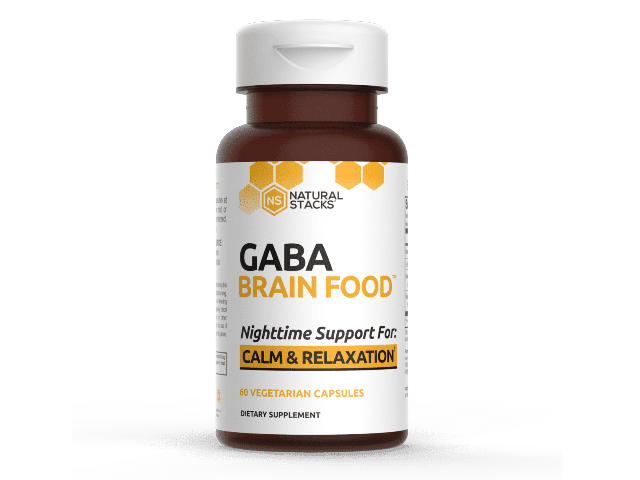
For more on GABA optimization, see our GABA for anxiety and sleep guide.
Nicotine Withdrawal: Why It’s So Brutal
Anyone who has tried quitting knows that acute nicotine withdrawal is genuinely difficult. The symptoms aren’t random — they map directly to the neurotransmitter disruptions described above:
- Dopamine depletion: Low motivation, fatigue, anhedonia (inability to feel pleasure), mood instability, intense cravings
- Glutamate dysregulation: Brain fog, difficulty concentrating, impaired working memory, cognitive sluggishness
- GABA deficit: Anxiety, irritability, restlessness, insomnia, difficulty relaxing
The most intense symptoms peak within the first 1-3 days and can persist for 2-4 weeks as brain chemistry recalibrates. Post-acute withdrawal symptoms (PAWS) — subtler waves of low mood, cravings, and cognitive difficulty — can come and go for 6-12 months as the brain completes its structural remodeling.
Withdrawal feels so awful because your brain has literally redesigned its circuitry around nicotine. Conquering both the chemical and structural dimensions of addiction is key to successful cessation.
Restoring Brain Balance After Quitting
While the first days and weeks after quitting are the hardest, supporting your brain chemistry with targeted interventions can dramatically ease the transition. The strategy is straightforward: address each disrupted neurotransmitter system.
Dopamine Recovery
The dopamine deficit is what drives cravings and the flat, unmotivated feeling that makes people relapse. Targeted amino acid support can help rebuild dopamine production:
- L-Tyrosine (500-2,000mg daily): The direct precursor to dopamine. Most effective under conditions of acute stress and depletion — exactly what withdrawal creates. Take on an empty stomach for better absorption. See our L-Tyrosine substance page.
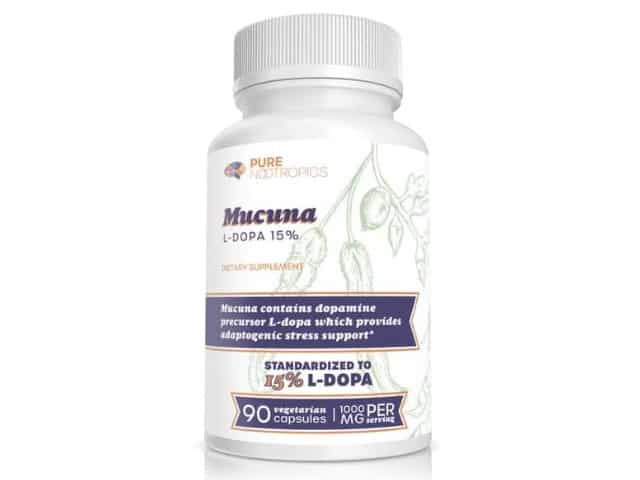
- Mucuna pruriens (containing standardized L-DOPA): Provides the direct dopamine precursor. Use cautiously and at low doses — this is essentially a natural pharmaceutical. See our substance page.
- Vitamin D: Regulates tyrosine hydroxylase, the rate-limiting enzyme in dopamine synthesis. Get your levels tested and supplement to achieve 40-60 ng/mL.
Glutamate Regulation
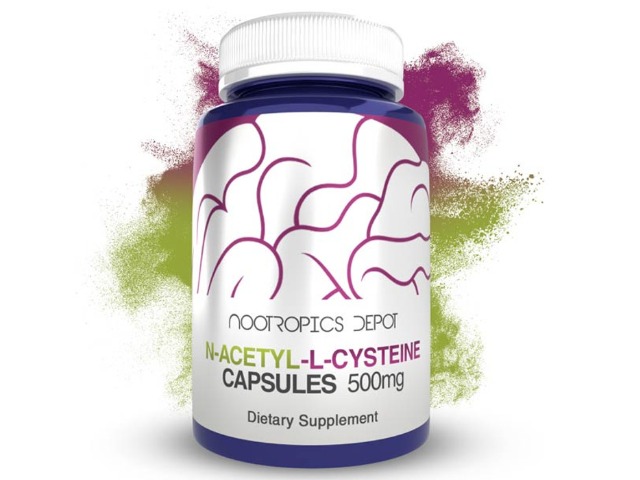
- N-Acetylcysteine (NAC) (600-1,200mg daily): NAC restores glutamate homeostasis by modulating the cystine-glutamate antiporter. Multiple studies show NAC reduces cravings and relapse rates in addiction. This is one of the most evidence-based supplements for addiction recovery. See our NAC substance page.
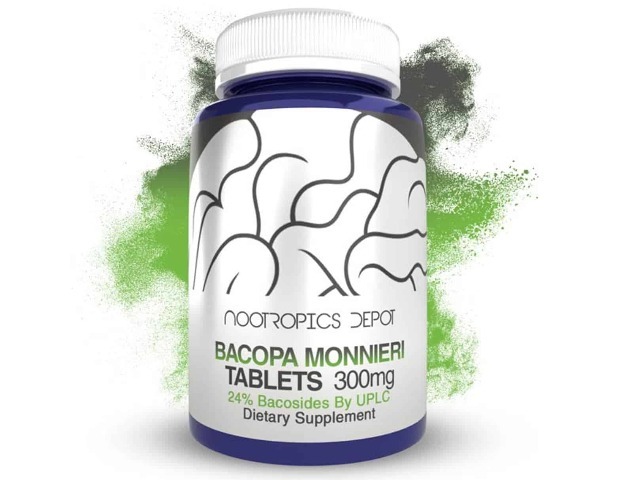
- Bacopa monnieri (300mg standardized extract daily): Modulates glutamatergic signaling while supporting memory and reducing cortisol. Benefits build over weeks of consistent use. See our substance page.
GABA and Calm Restoration
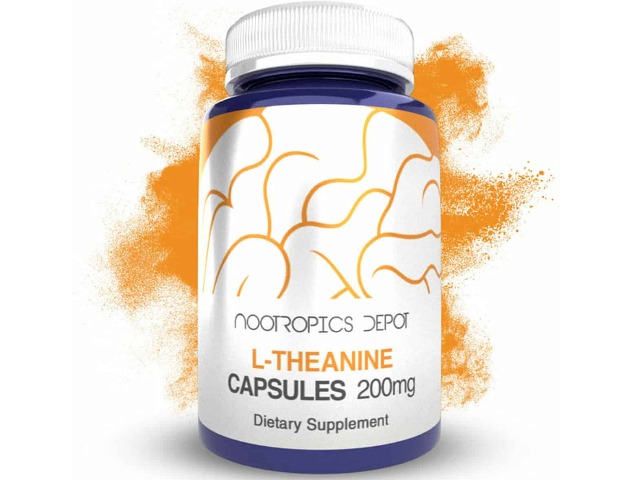
- L-Theanine (200-400mg daily): Promotes alpha brainwaves and GABA activity, producing calm focus without sedation. Particularly useful for managing the anxiety and irritability of withdrawal. See our L-Theanine substance page.
- Rhodiola rosea (200-400mg standardized extract): An adaptogen that modulates the stress response and supports both dopamine and serotonin pathways. Helps with the fatigue and cognitive dullness that accompanies cessation. See our substance page.
For a comprehensive list, see our best nootropics for addiction recovery guide.
Lifestyle Interventions
Supplements are supportive, but lifestyle changes are foundational during cessation:
- Exercise: The single most effective natural intervention for dopamine recovery. HIIT and resistance training boost dopamine receptors, endorphins, and BDNF. Even a 20-minute walk during a craving can significantly reduce its intensity.
- Sleep optimization: Your brain does its most intensive repair work during sleep. Prioritize 7-9 hours nightly. Magnesium L-threonate before bed can help with the insomnia that often accompanies withdrawal.
- Nutrient repletion: Smoking depletes vitamin C, vitamin D, magnesium, and B vitamins. Address these deficiencies to support energy, mood, and cognitive recovery.
- Healthy fats: Omega-3 fatty acids from fatty fish, walnuts, and algae supplements support dopamine receptor membrane integrity and reduce neuroinflammation.
Frequently Asked Questions
How long do nicotine withdrawal symptoms last? The most intense acute symptoms peak within 1-3 days and resolve within 2-4 weeks. Subtler post-acute withdrawal symptoms (cravings, mild mood fluctuations, occasional brain fog) can come and go for 6-12 months as the brain completes its neuroadaptation.
What about prescription cessation aids? Nicotine replacement therapy (patches, gum, lozenges) can ease cravings short-term. Bupropion and varenicline are non-nicotine medications that reduce withdrawal severity. These can work well alongside the natural approaches described here — discuss all options with your doctor.
Is nicotine itself harmful, or just the delivery method? This is a nuanced question. Nicotine in isolation is a potent cognitive enhancer that acutely improves focus, memory, and attention. The harm comes primarily from combustion (tar, carbon monoxide, carcinogens in cigarettes) and from the addictive cycle of dependence and withdrawal. See our nicotine substance page for a balanced look at the compound itself.
What holistic approach would you recommend? Start with neurotransmitter-targeted supplementation (L-Tyrosine, NAC, L-Theanine), layer in adaptogens (Rhodiola, Ashwagandha), prioritize exercise and sleep, and address nutrient deficiencies. Working with a functional medicine practitioner who can run neurotransmitter panels and customize your protocol will give you the best results.
The Bottom Line
Nicotine addiction is a genuine neurochemical condition, not a failure of willpower. Your brain has been structurally and chemically remodeled by chronic nicotine exposure, and it takes time and targeted support to restore balance. A 2024 single-nucleus transcriptomics study revealed that chronic nicotine exposure induces widespread transcriptional changes and mitochondrial dysfunction specifically in the ventral tegmental area — the brain region at the heart of the dopamine reward system — underscoring just how deep the neurobiological impact goes.
The good news is that your brain is remarkably plastic. Research has shown that smoking-related deficits in brain dopamine return to normal approximately three months after quitting, confirming that these deficits are a consequence of chronic smoking rather than a permanent risk factor. With the right combination of amino acid precursors, adaptogens, lifestyle interventions, and patience, you can rebuild the neurotransmitter systems that nicotine disrupted. The first two weeks are the hardest. After that, every day gets incrementally easier as your dopamine receptors upregulate, your GABA tone normalizes, and your glutamate signaling finds its new equilibrium.
If you’re navigating this process, be patient with yourself and lean on every evidence-based tool available.