Let me be direct about something: the supplement industry has turned anxiety into a marketing goldmine, and most “anxiety supplement” listicles are just affiliate links dressed up in pseudoscience. I’m not going to do that here. Instead, I want to walk through what the clinical evidence actually supports, what’s promising but overhyped, and what you should probably skip.
The biological picture of anxiety has gotten clearer. A landmark 2026 genome-wide association study of over 122,000 anxiety cases identified 58 independent risk loci and confirmed what neuroscientists have long suspected: GABAergic signaling disruption is central to anxiety at the genetic level. This doesn’t mean anxiety is “just low GABA” — it means the inhibitory braking system that prevents runaway excitatory activity is genetically vulnerable in anxious people. For a deep dive into GABA biology and GABAergic supplements specifically, see our GABA optimization article.
The Short Version: L-theanine (200-400mg) and magnesium glycinate (200-400mg elemental) have the strongest evidence-to-risk ratio for daily anxiolytic support. Ashwagandha (300-600mg KSM-66) is genuinely effective for chronic stress and anxiety but requires attention to thyroid interactions. Saffron has surprisingly strong trial data rivaling SSRIs. Omega-3s work at doses above 2g/day. NAC shows promise for specific anxiety subtypes. Skip CBD until regulation catches up with the marketing. Combine any supplement strategy with the lifestyle foundations that do most of the heavy lifting.
Tier 1: Strong Evidence, Good Safety Profile
L-Theanine — The Daily Workhorse
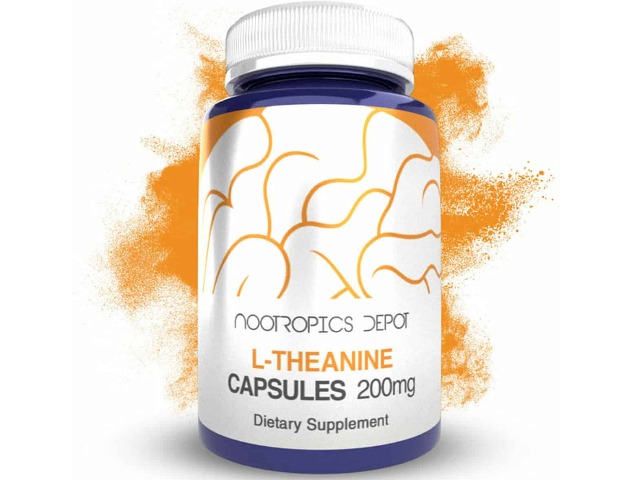
L-theanine, the amino acid from green tea, is the supplement I recommend most for anxiety — not because it’s the most powerful, but because the evidence-to-risk ratio is unmatched.
A 2024 systematic review and meta-analysis confirmed that 200-400mg daily reduces subjective stress and anxiety, with particular benefit for people with elevated baseline anxiety levels. The mechanism is clean: L-theanine enhances alpha brain wave activity (the pattern associated with relaxed alertness), increases GABA availability, and modulates glutamate — all without sedation or dependence.
I take 200mg every morning with coffee. The combination is covered in detail in our L-theanine + caffeine article. For anxiety specifically, an additional 200mg in the afternoon or before stressful situations works well.
Dose: 200-400mg daily. Can be split morning/evening. Onset within 30-60 minutes. No tolerance development, no withdrawal, no interactions with common medications.
Magnesium — Fixing the Most Common Deficiency
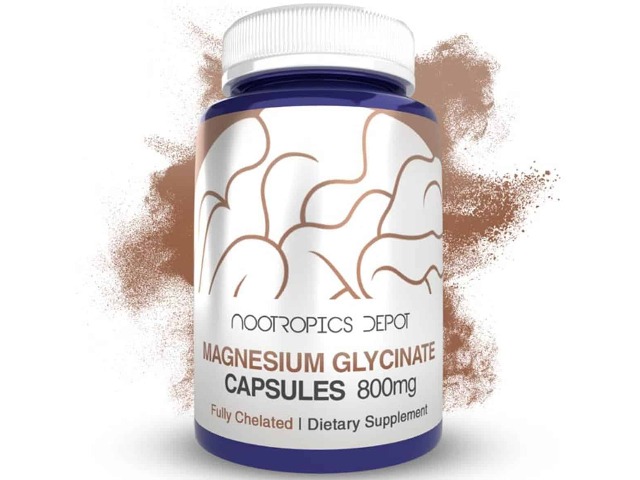
Roughly half of Americans consume inadequate magnesium, and deficiency directly impairs GABAergic function. Magnesium glycinate works through multiple anxiolytic mechanisms: GABA-A receptor activation, NMDA receptor blockade (reducing glutamate excitotoxicity), HPA axis modulation, and cortisol reduction. The glycine component adds its own calming effect.
Clinical trials consistently show anxiolytic benefits, particularly in people with documented deficiency — which, given the prevalence, likely includes you unless you’re actively supplementing.
For a comprehensive guide to magnesium forms, dosing, and the anxiety evidence, see our Magnesium for Anxiety and Depression article.
Dose: 200-400mg elemental magnesium from glycinate, 30-60 minutes before bed. Morning doses are fine too if anxiety is your primary target rather than sleep.
Ashwagandha — The Adaptogenic Heavy Hitter
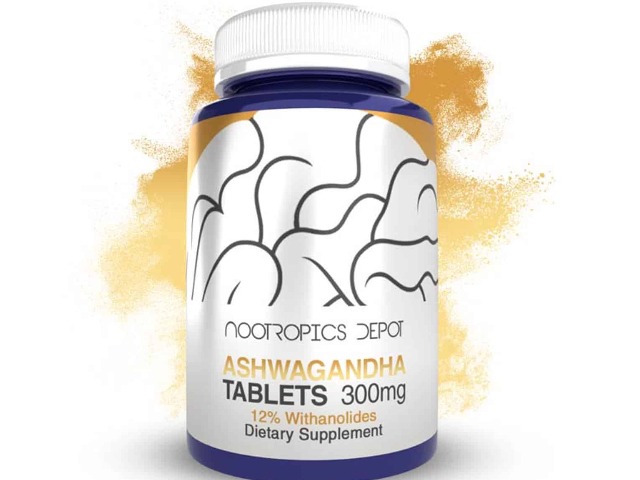
Ashwagandha (specifically KSM-66 and Sensoril extracts) is one of the most studied adaptogenic herbs for anxiety, with multiple RCTs showing significant reductions in perceived stress, cortisol levels, and anxiety scores.
A 2024 systematic review of RCTs confirmed significant anxiolytic effects across various populations. The mechanism involves HPA axis modulation — ashwagandha doesn’t just mask anxiety symptoms, it recalibrates your stress response system over 4-8 weeks of consistent use.
Important caveats: Ashwagandha can increase thyroid hormone levels, so it’s contraindicated with hyperthyroidism and requires monitoring if you have Hashimoto’s or are on thyroid medication. It can also cause GI upset and, in some people, emotional blunting at higher doses. Start low.
Dose: 300-600mg KSM-66 daily, or 125-250mg Sensoril. Effects build over 4-8 weeks. Not ideal for acute anxiety relief — think of it as a stress resilience builder.
Tier 2: Promising Evidence, Some Caveats
Saffron — The Underrated Option
Saffron has quietly accumulated impressive clinical data. A 2024 double-blind RCT found saffron extract comparable to citalopram (a standard SSRI) for generalized anxiety disorder, with fewer side effects. The active compounds — crocin and safranal — modulate serotonin reuptake and have anti-inflammatory effects in the CNS.
Multiple trials show anxiolytic and antidepressant effects at 30mg standardized extract daily. The main limitation is cost — quality saffron extract is expensive, and the market has significant adulteration problems.
Dose: 30mg standardized extract (with verified crocin/safranal content) daily. Effects emerge over 4-6 weeks.
Omega-3 Fatty Acids — Dose Matters Enormously
A dose-response meta-analysis of 19 RCTs found that omega-3s reduce anxiety symptoms — but only at doses above 2,000mg/day combined EPA/DHA, with higher EPA ratios showing the strongest effects. Below this threshold, the effect is negligible.
This means the typical “take a fish oil capsule” recommendation is inadequate. You need therapeutic dosing. The mechanism involves anti-inflammatory effects on neuroinflammation, membrane fluidity improvements that affect receptor function, and HPA axis modulation.
Dose: 2-4g combined EPA/DHA daily, favoring higher EPA ratios (2:1 or 3:1 EPA:DHA). Takes 8-12 weeks for full anxiolytic effect.
Lavender Oil (Silexan) — Better Than You’d Think
Lavender oil sounds like aromatherapy nonsense, but the pharmaceutical-grade oral preparation Silexan (sold as CalmAid or Lavela) has genuine clinical support. An updated 2024 meta-analysis of 8 RCTs found significant anxiolytic effects comparable to low-dose benzodiazepines, without sedation or dependence risk.
Silexan works through calcium channel modulation and serotonin receptor binding — it’s not just a pleasant scent. The distinction matters: diffusing lavender essential oil is not the same as taking a standardized oral capsule.
Dose: 80-160mg Silexan daily. Effects begin within 1-2 weeks. Well-tolerated; occasional fishy burps if not taken with food.
N-Acetylcysteine (NAC) — For Specific Subtypes
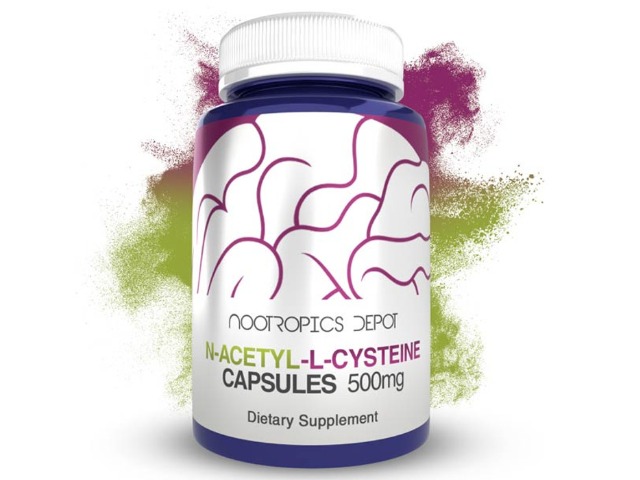
NAC modulates glutamate signaling through the cystine-glutamate antiporter, effectively reducing excitatory overactivity. A 2024 meta-analysis found significant benefits for anxiety, with the strongest effects in OCD-spectrum presentations and anxiety accompanied by rumination or intrusive thoughts.
NAC isn’t a general anxiolytic — it’s most useful when anxiety manifests as repetitive, stuck thought patterns. If your anxiety is more somatic (physical tension, panic sensations), NAC is less likely to help.
Dose: 1,200-2,400mg daily in divided doses. Takes 8-12 weeks for full effect. Can cause GI upset; start at 600mg and titrate up.
Tier 3: Helpful for Stress Resilience, Not Acute Anxiety
Rhodiola Rosea
Rhodiola is consistently helpful for subjective stress, fatigue, and burnout, but recent rigorous trials show the cognitive enhancement claims are overstated. Think of it as a stress buffer — it helps you tolerate demanding situations better without directly reducing anxious thoughts.
Dose: 200-400mg standardized extract (3% rosavins, 1% salidroside) daily. See our Rhodiola substance page.
Bacopa Monnieri
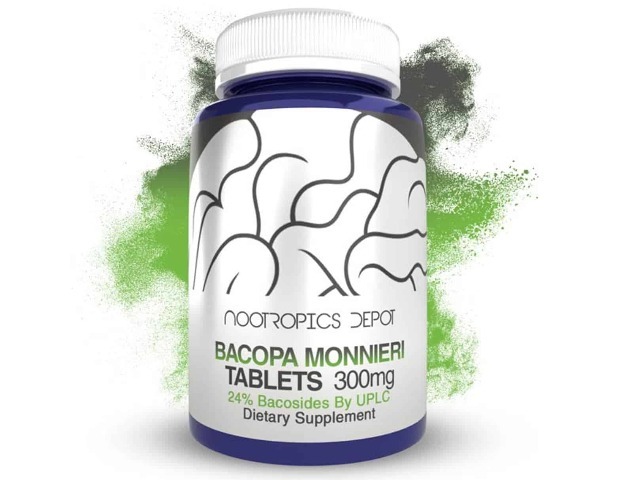
Bacopa is better categorized as a long-term cognitive builder than an anxiolytic, but a 2025 RCT found it significantly reduced stress reactivity and post-cognitive-demand fatigue. If your anxiety worsens after mentally demanding work, Bacopa may help address that specific pattern over months of use.
Dose: 300mg standardized extract daily for 12+ weeks. See our cholinergics article for Bacopa’s role in cognitive stacks.
Probiotics — Emerging but Inconsistent
A 2025 RCT found the GABA-producing probiotic Lactiplantibacillus plantarum Lp815 reduced anxiety scores in 68% of participants at 5 billion CFU daily. The gut-brain axis is real and relevant to anxiety. But results are strain-specific and highly heterogeneous — a random probiotic from the grocery store is unlikely to help. This field is promising but not yet practical for reliable recommendations. See our GABA article for more on the Lp815 trials.
What I’d Skip (For Now)
CBD: The therapeutic evidence exists primarily at prescription doses (300-600mg) that cost $5-15 per dose. Over-the-counter CBD products are poorly regulated, often contain less CBD than labeled, and the doses typically sold (10-25mg) are far below what clinical studies used. I’m not anti-CBD — I’m anti-paying premium prices for unregulated products at sub-therapeutic doses.
Kava: Genuinely anxiolytic but carries real hepatotoxicity risk that I can’t responsibly dismiss. The liver damage reports are rare but severe. If you choose to use it, source noble cultivar kava only and avoid daily use beyond 4 weeks.
Phenibut: A potent GABAergic compound that works acutely but carries significant dependence and withdrawal risk. It’s on our Red List for good reason. See the CLAUDE.md compliance rules — this is not a supplement, it’s a research chemical.
Pre-formulated “anxiety stacks”: Products combining 8-12 ingredients at sub-clinical doses. You’re paying for marketing. Buy the 2-3 compounds that matter to you individually at effective doses.
Building Your Protocol
Here’s how I think about anxiety supplementation, layered from foundation to targeted support:
Foundation (everyone):
- Fix magnesium deficiency (200-400mg glycinate daily)
- Ensure adequate omega-3 intake (2g+ EPA/DHA from diet or supplements)
- Exercise, sleep hygiene, stress management — these do more than any supplement
Daily Support:
- L-theanine (200-400mg) for steady-state calm without sedation
- Ashwagandha (300-600mg KSM-66) if chronic stress is the primary driver
Targeted Additions (pick based on your anxiety pattern):
- Rumination/OCD-type anxiety: NAC (1,200-2,400mg)
- Anxiety with depression: Saffron (30mg)
- Evening/sleep anxiety: Additional magnesium + L-theanine before bed
- Stress-induced cognitive fog: Rhodiola (200-400mg morning)
My Protocol
My daily anxiety management is straightforward:
- Morning: 200mg L-theanine with caffeine. This combination has been my daily driver for years.
- Evening: 200mg elemental magnesium from glycinate before bed.
- As needed: Additional 200mg L-theanine before stressful situations (presentations, difficult conversations).
- Foundation: HIIT 4-5x/week (the single most effective anxiolytic I’ve found), 8 hours sleep, limited alcohol.
I’ve tried ashwagandha and it works well for chronic stress periods, but I don’t take it continuously — I use it in 8-12 week cycles during particularly demanding seasons.
The uncomfortable truth about anxiety supplements is that they work best as amplifiers of a good foundation — regular exercise, adequate sleep, stress management, and social connection. No pill replaces those. But the right supplements can meaningfully improve your baseline when the foundations are in place.
For detailed pharmacology and safety data on each compound, see the individual substance pages linked throughout.