Metformin has been one of the most interesting drugs to watch from the biohacking world. Originally prescribed exclusively for type 2 diabetes, it’s now being studied for anti-aging, cancer prevention, and neuroprotection — with some healthy, non-diabetic individuals taking it specifically for longevity. The TAME (Targeting Aging with Metformin) trial is one of the most anticipated studies in geroscience.
But here’s the thing: Metformin isn’t for everyone. Some people experience uncomfortable GI side effects. It’s contraindicated with certain kidney, liver, and cardiovascular conditions. And many people simply prefer a natural approach when one exists that provides comparable results. After spending significant time diving into the research, I’ve found that several natural compounds and lifestyle interventions work through similar metabolic pathways — and some have been clinically studied head-to-head against Metformin with impressive results.
This article covers the science of blood sugar regulation, why it matters far beyond diabetes, and the natural alternatives that offer real metabolic benefits.
Key Takeaways: Metformin works by reducing hepatic glucose production, improving insulin sensitivity, and reducing gut glucose absorption. Natural alternatives that work through overlapping mechanisms include berberine (the closest natural analog, with clinical data showing comparable glucose-lowering effects), curcumin, magnesium, exercise, intermittent fasting, and dietary optimization. Blood sugar regulation affects far more than diabetes risk — poor metabolic health drives cardiovascular disease, cognitive decline, hormonal disruption, and accelerated aging.
Why Metformin Matters (Even If You Don’t Have Diabetes)
Metformin is the fourth most commonly prescribed medication in the United States, with over 80 million prescriptions written annually. It’s a derivative of galegine, a natural compound from the French lilac (Galega officinalis), which was used in medieval European herbal medicine to treat diabetes symptoms.
The drug works through three primary mechanisms:
- Reduces hepatic glucose production: Tells your liver to produce less sugar
- Improves insulin sensitivity: Makes your cells more responsive to insulin’s signal
- Reduces gut glucose absorption: Decreases the amount of sugar absorbed from food
Beyond blood sugar control, Metformin modulates mitochondrial function, exhibits anti-inflammatory effects, and shows promise for longevity. Multiple studies demonstrate improvements in healthspan indicators — reduced incidence of age-related diseases, lower cancer rates, and decreased risk of cognitive decline and dementia in diabetic populations.
The anti-aging mechanisms include enhancing autophagy (cellular cleanup), delaying stem cell aging, and protecting against molecular damage. This is why the longevity community has embraced it.
The Case for Natural Alternatives
Despite its benefits, Metformin comes with drawbacks:
- GI side effects: Stomach upset, nausea, diarrhea, bloating, and metallic taste are common
- Contraindications: Not suitable for people with kidney disease, liver disease, or certain cardiovascular conditions
- Drug interactions: Adding other diabetes medications increases side effect risk
- Prescription requirement: Requires medical supervision and regular monitoring
Several natural compounds work through similar metabolic pathways. Here are the most evidence-based alternatives.
Understanding Blood Sugar and Insulin
Before diving into specific alternatives, it helps to understand the basics. When you eat, your body breaks food down into glucose, which enters the bloodstream. The pancreas releases insulin, which signals cells to absorb that glucose for energy or storage.
Insulin resistance develops when cells become unresponsive to insulin’s signal — they’re essentially “full” and stop answering when insulin knocks. The pancreas compensates by producing more insulin, creating a vicious cycle. Insulin resistance is the precursor to type 2 diabetes and is a core component of metabolic syndrome.
Insulin sensitivity is the opposite — cells respond readily to insulin, glucose is efficiently cleared from the blood, and the metabolic system runs smoothly. The goal of both Metformin and its natural alternatives is to improve insulin sensitivity and reduce insulin resistance.
Natural Lifestyle Interventions
Exercise
If there’s one natural intervention that rivals Metformin for metabolic health, exercise is it. A landmark study found that lifestyle intervention (centered on exercise) was actually more effective than Metformin at regulating blood glucose levels and preventing type 2 diabetes in high-risk populations.
The mechanisms are direct: exercise increases glucose uptake by muscles during activity, improves insulin sensitivity, promotes weight loss (which independently reduces insulin resistance), and enhances mitochondrial function.
The American Diabetes Association recommends at least 150 minutes of moderate-intensity physical activity per week, spread across at least three days. But the research suggests that combining aerobic and resistance training yields the best metabolic outcomes.
Exercise also delivers cognitive benefits through BDNF production, improved cardiovascular health, and reduced inflammation — all of which protect against the mental health consequences of poor metabolic function. See our article on exercise and brain health for more.
Intermittent Fasting
Time-restricted eating and intermittent fasting improve metabolic health through multiple mechanisms: increased pancreatic cell responsiveness, improved insulin sensitivity, reduced inflammation, and beneficial shifts in the gut microbiome. The fasting state allows insulin levels to drop low enough for cells to regain sensitivity.
For more on fasting strategies and cognitive benefits, see our article on nootropics for intermittent fasting.
Dietary Optimization
Both Mediterranean and plant-based diets show strong evidence for improving insulin sensitivity. The ketogenic diet takes a different approach — by eliminating most carbohydrates, it forces the body into ketosis, where fat becomes the primary fuel source. This can significantly improve fasting glucose and lipid levels.
The paleo diet (high-protein, moderate-fat) has also demonstrated improved glycemic control and insulin sensitivity in type 2 diabetics. For the cognitive angle, see our article on ketosis and brain health.
Adequate Sleep
Insufficient sleep is directly linked to increased obesity risk and imbalanced glucose and insulin levels. Optimizing sleep hygiene and maintaining a healthy circadian rhythm enhances insulin sensitivity. This is one of the most underrated metabolic interventions.
Stress Reduction
When your body is under stress, cortisol increases glucose production and promotes fat accumulation, directly worsening insulin resistance. Managing chronic stress — through meditation, breathwork, adequate rest, and adaptogenic herbs — has measurable effects on metabolic health. See our articles on breathing exercises for anxiety and herbs for adrenal fatigue.
Natural Supplement Alternatives to Metformin
Berberine
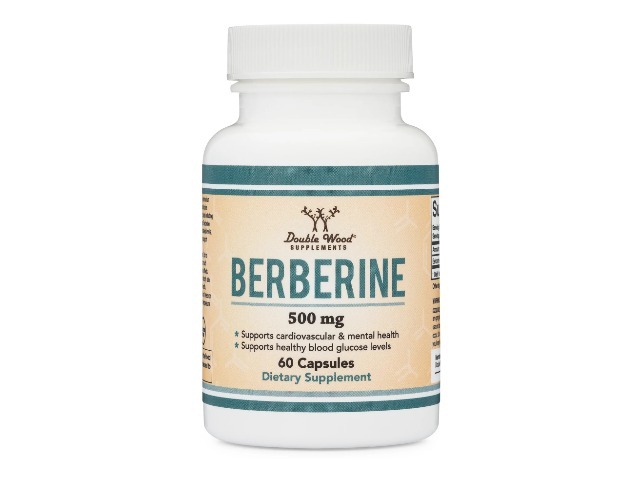
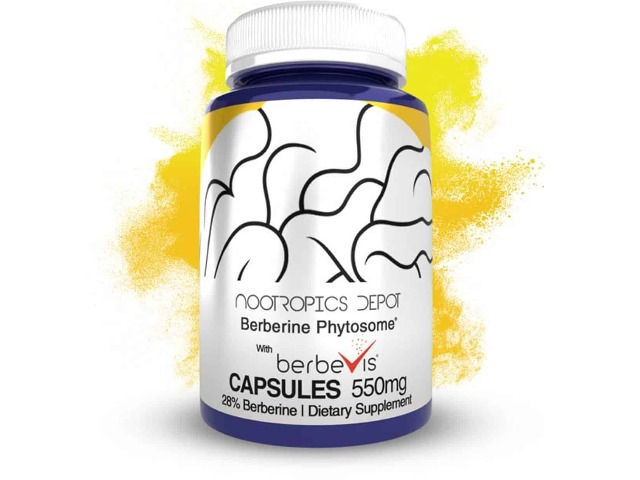
Berberine is the closest natural analog to Metformin — so much so that researchers frequently compare them head-to-head. Berberine is a bioactive compound found in several plants, including goldenseal, Oregon grape, and Chinese goldthread.
Multiple clinical studies show that berberine lowers blood glucose, improves insulin sensitivity, and reduces HbA1c (a marker of long-term blood sugar control) at levels comparable to Metformin. It works through overlapping mechanisms: activating AMPK (the same metabolic master switch that Metformin targets), reducing hepatic glucose production, and improving gut microbiome composition. A 2024 comprehensive review published in Pharmaceuticals highlighted berberine as a “rising star” in type 2 diabetes management, documenting novel anti-inflammatory, metabolic, and epigenetic mechanisms beyond what was previously understood. Notably, a 2025 clinical study found that berberine combined with metformin achieved a 96% effective rate versus 82% for metformin alone, with the combination group showing significantly lower HbA1c, insulin resistance index, fasting blood glucose, triglycerides, and LDL cholesterol — suggesting these approaches work even better together than separately.
Berberine also inhibits HPA axis overactivity, which makes it doubly useful for people whose metabolic issues are intertwined with chronic stress. Standard dosing is 500mg two to three times daily with meals.
Curcumin
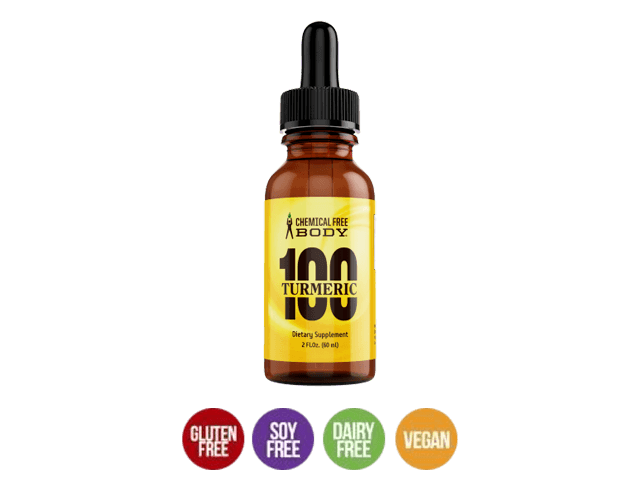
Curcumin, the active compound in turmeric, demonstrates significant anti-inflammatory and insulin-sensitizing effects. A clinical trial found that curcumin supplementation in prediabetic patients significantly reduced the progression to type 2 diabetes compared to placebo.
Curcumin works partly through anti-inflammatory mechanisms — chronic low-grade inflammation is a driver of insulin resistance. It also supports mitochondrial function and modulates NF-kB signaling. Use a bioavailable formulation (Longvida, Meriva, or with piperine) for meaningful absorption. See our curcumin substance page.
Magnesium
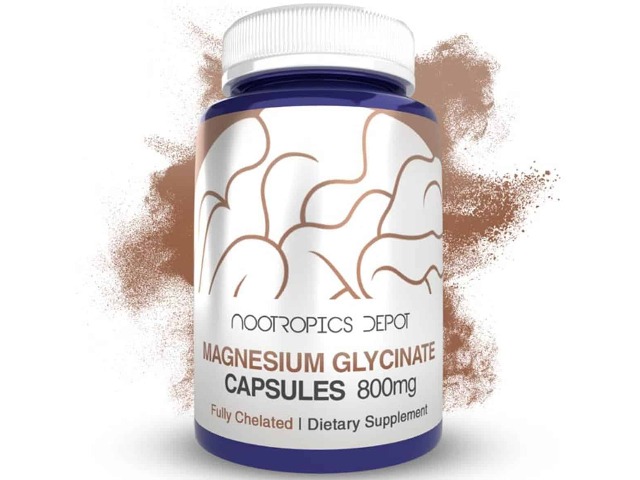
Magnesium deficiency is remarkably common and directly contributes to insulin resistance. Higher magnesium intake is consistently associated with improved insulin sensitivity and lower diabetes risk. Magnesium participates in over 300 enzymatic reactions, many of which relate to glucose metabolism and insulin signaling. A 2023 meta-analysis published in Frontiers in Nutrition analyzing dose-response relationships confirmed that berberine supplementation at 900-2,400mg/day for 1-6 months significantly reduced fasting blood glucose, insulin levels, HOMA-IR, and HbA1c, with larger effects observed in women, individuals with type 2 diabetes, and Asian populations.
Supplementation with magnesium glycinate or magnesium threonate (300-400mg daily) is a straightforward way to address this deficiency. Both forms offer good bioavailability and additional cognitive benefits. For a deep dive, see our complete magnesium guide.
Alpha-Lipoic Acid
Alpha-lipoic acid (ALA) is a potent antioxidant that improves insulin sensitivity by enhancing glucose uptake in skeletal muscle. It also protects against diabetic neuropathy — one of the most debilitating complications of poor blood sugar control. Standard dosing is 300-600mg daily.
Chromium
Chromium picolinate enhances insulin signaling at the receptor level. While the effect size is modest compared to berberine, it’s a useful addition to a comprehensive metabolic support protocol. 200-1,000mcg daily is the typical range.
Cinnamon Extract
Ceylon cinnamon (Cinnamomum verum) contains compounds that mimic insulin’s action on cells, improving glucose uptake. Several meta-analyses show modest but consistent blood sugar-lowering effects. Use Ceylon cinnamon specifically — cassia cinnamon contains coumarin, which can be hepatotoxic at high doses.
Apple Cider Vinegar
The acetic acid in apple cider vinegar delays gastric emptying and improves insulin sensitivity, particularly after carbohydrate-rich meals. The effect is modest but consistent across studies. 1-2 tablespoons diluted in water before meals is the standard protocol.
Gymnema Sylvestre
Known as the “sugar destroyer” in Ayurvedic medicine, gymnema reduces sugar absorption in the gut and stimulates insulin secretion from the pancreas. It also reduces sugar cravings, which can be a practical benefit for dietary compliance.
NMN
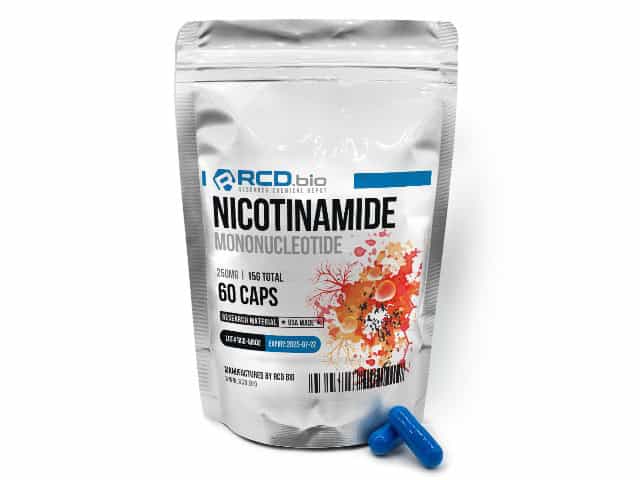
NMN (nicotinamide mononucleotide) approaches metabolic health from the NAD+ and mitochondrial angle. By restoring NAD+ levels, NMN improves mitochondrial function and insulin sensitivity. Research shows it restores gene expression patterns related to insulin sensitivity that decline with age. A 2024 systematic review and meta-analysis of randomized controlled trials found that NMN supplementation significantly improved insulin sensitivity markers, with smaller doses proving particularly effective at reducing insulin resistance — reinforcing the metabolic benefits of NAD+ replenishment for blood sugar regulation. See our full NMN supplement guide.
The Mental Health Connection
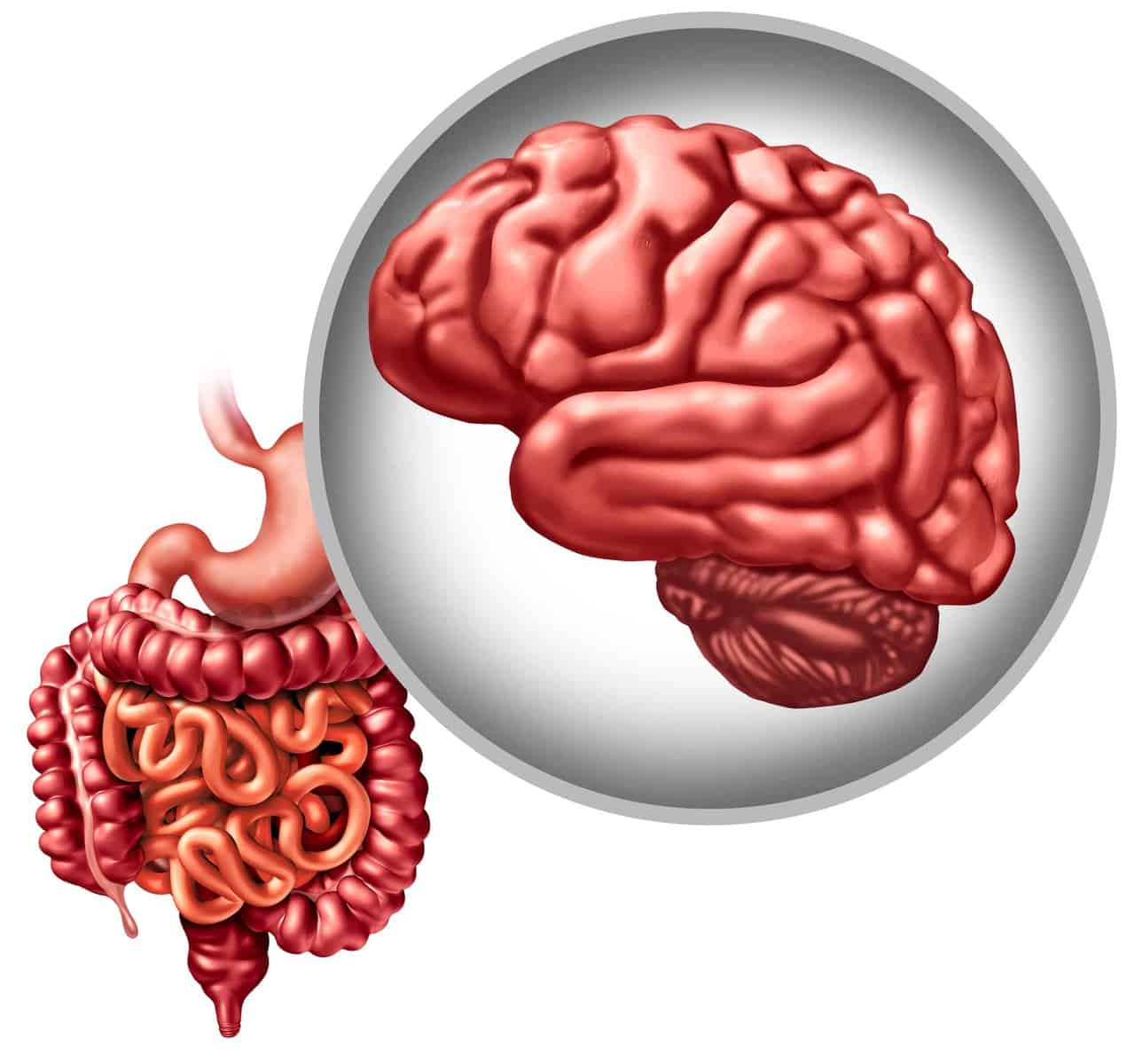
One aspect of blood sugar regulation that deserves more attention is its impact on brain health. Chronically elevated glucose damages nerves and blood vessels, contributes to neuroinflammation, disrupts neurotransmitter signaling (including serotonin and dopamine), and doubles the risk of depression.
Research shows that about one-third of people with diabetes have mental health issues that impair their ability to manage their condition effectively. Improving metabolic health isn’t just about avoiding diabetes complications — it’s about protecting cognitive function, mood stability, and mental resilience.
This is why I find the intersection of metabolic and nootropic optimization so compelling. Many of the compounds that improve blood sugar regulation — berberine, curcumin, magnesium, exercise — also have independent cognitive benefits. You’re supporting your brain and your metabolic health simultaneously.
The Bottom Line
Metformin is genuinely beneficial, and I’m not anti-pharmaceutical. But for people seeking natural alternatives — whether due to side effects, personal preference, or a desire for complementary support — the evidence base for several natural compounds and lifestyle interventions is strong.
The most impactful approach combines multiple strategies: regular exercise, dietary optimization (whatever framework works for your lifestyle), adequate sleep, stress management, and targeted supplementation with compounds like berberine, magnesium, and curcumin.
If you’re currently on Metformin, don’t discontinue it without medical guidance. These natural approaches can complement pharmaceutical treatment, but the transition should be supervised by a healthcare provider who can monitor your metabolic markers.