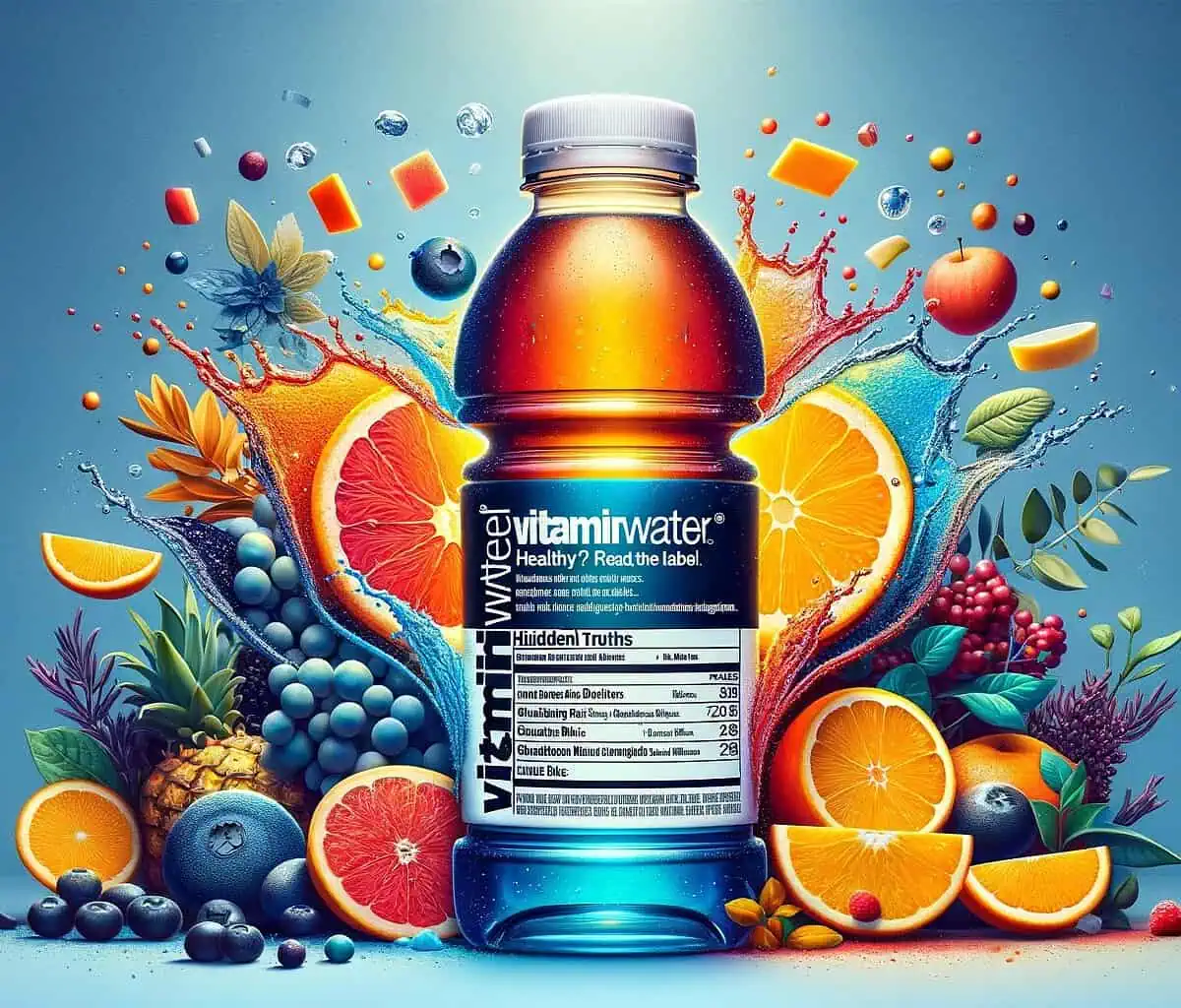
I’ll be honest — I used to drink Vitaminwater. The branding is excellent: bright colors, clean design, names like “Focus” and “Energy” printed right on the label. It felt like a responsible choice compared to soda. And with “vitamin” literally in the name, how bad could it be?
Then I started reading ingredient labels for a living, and the picture changed entirely. Vitaminwater is a case study in how clever marketing can make a product appear health-promoting while the actual contents tell a very different story. If you’re someone who cares about cognitive function, metabolic health, or gut-brain axis optimization, this is a product worth understanding — as an example of what to avoid.
Key Takeaways: A 20-ounce bottle of Vitaminwater contains approximately 32 grams of sugar — roughly equivalent to eating 8 teaspoons straight. The added vitamins have questionable bioavailability and are unnecessary for anyone eating a reasonable diet. The sugar and artificial ingredients can disrupt gut microbiome balance, promote inflammation, and contribute to the very brain fog and fatigue that the product claims to address. Better alternatives for cognitive hydration include plain water, green tea, or targeted nootropic support from compounds like Lion’s Mane, Magnesium L-Threonate, and Bacopa Monnieri.
The Marketing vs. the Reality
Vitaminwater’s marketing is a masterclass in health-washing. Sleek, colorful bottles positioned next to sports drinks and sparkling water. Variety names that evoke cognitive and physical benefits. The implicit promise: this is water, but better — enhanced with the vitamins and minerals your body needs.
Here’s what the label actually reveals. A 20-ounce bottle of Vitaminwater contains around 120 calories and 32 grams of sugar, primarily from crystalline fructose and cane sugar. For comparison, a same-sized Coca-Cola has 240 calories and 65 grams of sugar. So yes, Vitaminwater has less sugar than Coke — but “less sugar than Coca-Cola” is not the health benchmark anyone should be aiming for.
Thirty-two grams of sugar is still a significant metabolic load. Regular consumption contributes to insulin resistance, weight gain, systemic inflammation, and the blood sugar roller coaster that tanks cognitive performance mid-afternoon. If your goal is sustained mental energy and focus, a sugar bomb in a vitamin-branded bottle is working against you.
Deconstructing the Ingredient List
Beyond the sugar, several components deserve scrutiny.
Crystalline fructose and cane sugar are the primary sweeteners. Crystalline fructose sounds scientific and potentially health-adjacent, but it is simply isolated fructose — the same sugar found in fruit, but without the fiber, micronutrients, and water matrix that make whole fruit metabolically manageable. Isolated fructose is processed primarily by the liver and has been linked to non-alcoholic fatty liver disease, elevated triglycerides, and increased visceral fat when consumed in excess.
Artificial colors and flavors are present in many varieties. These synthetic additives have been linked to hyperactivity in children and other health concerns, and they provide zero nutritional value. Notably, in January 2025, the FDA banned Red Dye No. 3 from food and ingested drugs — the first artificial food color revocation in decades — after determining it caused cancer in laboratory animals. A 2025 review in Molecular Sciences further documented how artificial sweeteners disrupt the gut-brain axis through microbiota-mediated effects and altered neural reward processing, compounding the problems created by the added sugars.
The added vitamins are the product’s key marketing claim, but the reality is that most people eating a reasonably varied diet already get adequate amounts of the vitamins Vitaminwater provides (primarily B-vitamins and vitamin C). More importantly, the bioavailability of synthetic vitamins in a sugar-water solution is questionable at best. If you genuinely need to supplement vitamins, a high-quality standalone supplement will always outperform a sugary drink.
How Sugar Disrupts the Gut-Brain Axis
This is where the story gets particularly relevant for anyone interested in cognitive optimization. The sugar and artificial ingredients in Vitaminwater can disrupt the delicate balance of gut microbiota — the trillions of bacteria in your digestive system that directly influence brain function.
Research has demonstrated that high sugar intake promotes the growth of inflammatory bacterial strains while suppressing beneficial species. A comprehensive 2025 review in Gut Microbes confirmed that added sugars — including glucose, fructose, and sucrose (all present in Vitaminwater) — reduce gut microbial diversity, lower fecal short-chain fatty acid concentrations, and increase the abundance of pro-inflammatory bacteria. This dysbiosis leads to increased intestinal permeability (commonly called “leaky gut”), which allows bacterial endotoxins to enter the bloodstream and trigger systemic inflammation.
That inflammation doesn’t stay in your gut. It crosses into the brain, contributing to neuroinflammation that manifests as brain fog, reduced motivation, anxiety, and depressed mood. A particularly striking 2024 study published in Translational Psychiatry found that gut microbial taxa elevated by dietary sugar directly disrupt hippocampal memory function — specifically, adolescent sugar-sweetened beverage consumption altered the gut microbiome in ways that impaired hippocampal-dependent memory during adulthood. The researchers identified specific bacterial species (Parabacteroides distasonis and P. johnsonii) that were enriched by sugar consumption and negatively correlated with memory performance. There’s a painful irony here: Vitaminwater varieties branded as “Focus” and “Energy” contain the exact ingredients (sugar, artificial additives) that research associates with impaired focus and reduced energy over time.
For a deeper dive into this mechanism, our articles on gut health and mental performance and leaky gut and cognitive health cover the science in detail.
What to Drink Instead
If Vitaminwater isn’t the brain-boosting beverage it claims to be, what actually supports cognitive hydration and performance?
Plain water remains the single best thing you can drink for cognitive function. Even mild dehydration (1-2% body weight loss) impairs attention, working memory, and mood. Most cognitive performance issues attributed to “needing vitamins” are actually dehydration.
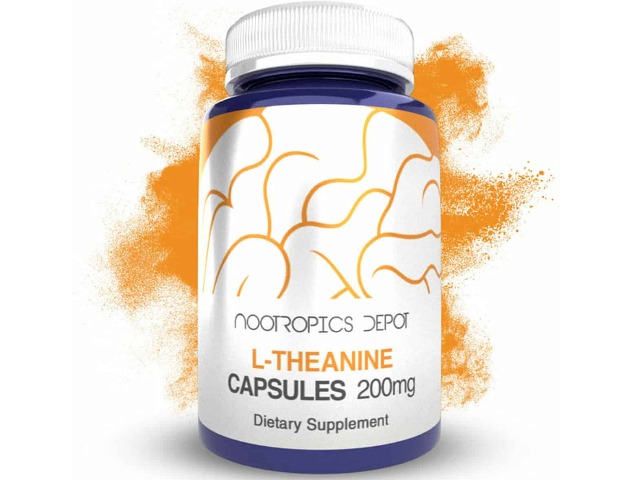
Green tea provides L-Theanine and moderate caffeine in their natural, synergistic form — the same combination that research consistently shows improves attention and calm focus. Plus antioxidant catechins that support neuroprotection.
Mineral water or electrolyte-enhanced water (without added sugar) supports hydration with naturally occurring minerals like magnesium, calcium, and potassium.
Genuine Nootropic Alternatives for Cognitive Support
If you’re reaching for Vitaminwater because you want cognitive enhancement — focus, energy, mental clarity — there are compounds with actual clinical evidence behind them:
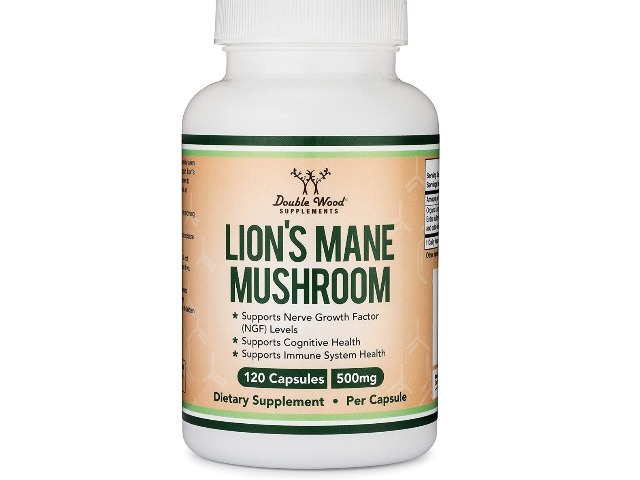
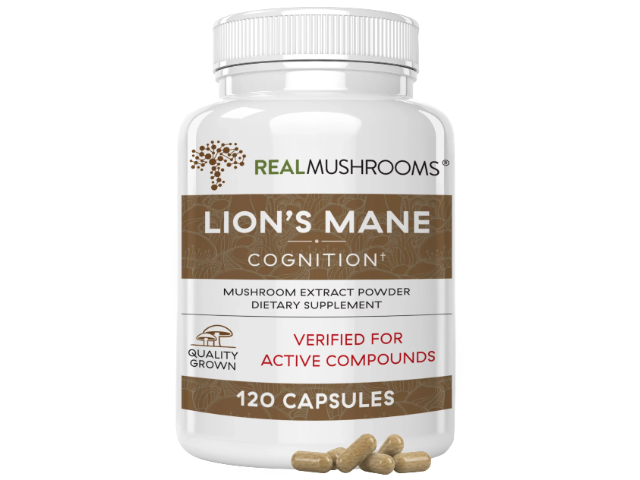
Lion’s Mane Mushroom stimulates nerve growth factor (NGF) production, supporting neurogenesis and cognitive function through a mechanism that sugary drinks could never replicate. Look for dual-extracted (hot water + alcohol) whole fruiting body products for optimal potency.
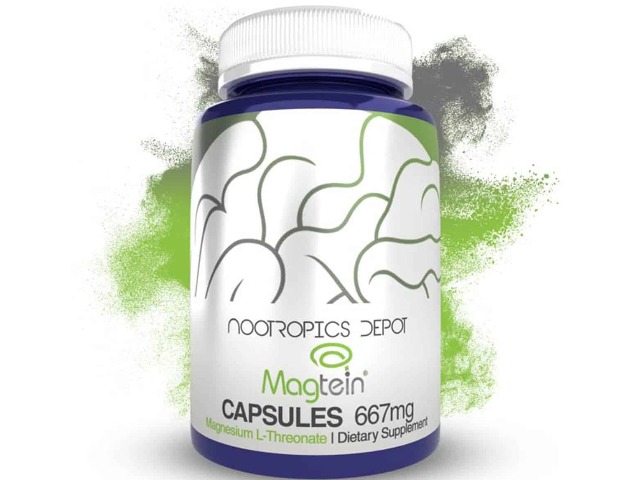
Magnesium L-Threonate is the only form of magnesium clinically shown to cross the blood-brain barrier effectively. It supports memory, learning, and overall cognitive function — particularly valuable given that the majority of adults are deficient in magnesium.
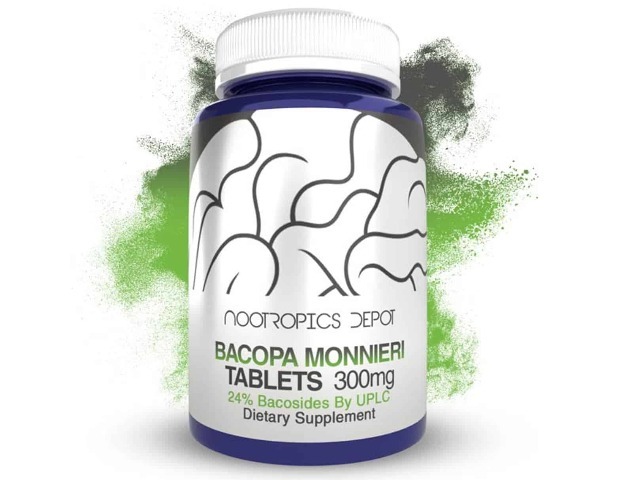
Bacopa Monnieri is an Ayurvedic herb with robust clinical evidence for enhancing memory consolidation and cognitive processing speed. Its effects build over 4-8 weeks of consistent use.
These compounds address the root mechanisms of cognitive performance — neurotransmitter synthesis, neuroplasticity, neuroprotection — rather than providing a transient sugar spike followed by a crash.
The Bigger Lesson: Reading Labels Critically
Vitaminwater is just one example of a broader pattern in the food and beverage industry: products that leverage health-adjacent language and branding to sell what are essentially sugar-delivery vehicles. The same critical eye should be applied to energy drinks, protein bars, “superfood” smoothies, and any product that prioritizes marketing claims over ingredient transparency.
When evaluating any product marketed as health-promoting, I recommend:
- Check the sugar content first. Anything over 5-8 grams per serving deserves scrutiny.
- Look at the source of sweetness. Crystalline fructose, high-fructose corn syrup, agave nectar, and cane sugar are all metabolically similar regardless of how natural they sound.
- Assess vitamin/mineral claims skeptically. If you eat a varied diet, you likely don’t need vitamins from your beverages. If you do need supplementation, use a purpose-built supplement with verified bioavailability.
- Consider the delivery matrix. Nutrients in a sugar solution compete with the metabolic damage the sugar causes. It’s a net negative.
Moving Forward
True cognitive vitality doesn’t come from a bottle with clever branding. It comes from the fundamentals: adequate hydration with clean water, a nutrient-dense whole-food diet, quality sleep, regular exercise, stress management, and — when appropriate — targeted nootropic supplementation based on your individual needs.
If you’ve been relying on Vitaminwater or similar products for your daily “health boost,” consider replacing them with plain water and redirecting the money toward a single evidence-based nootropic compound. You’ll get better cognitive results, better metabolic outcomes, and a much clearer understanding of what’s actually supporting your brain.
The best beverage for your brain is almost always the simplest one.