
If there’s one thing I’ve learned working with clients as a Functional Nutritional Therapy Practitioner, it’s that insomnia is almost never just a sleep problem. It’s a downstream symptom of something else — a disrupted circadian rhythm, depleted neurotransmitters, gut inflammation, chronic stress, or some combination of all four.
I spent years struggling with my own sleep issues before I understood this. I tried every sleep supplement on the market, stacked melatonin on top of valerian on top of magnesium, and still found myself staring at the ceiling at 2 AM. It wasn’t until I started addressing the root causes — not just the symptom of sleeplessness — that things actually changed.
The Short Version: Insomnia is driven by neurotransmitter imbalances (low GABA, serotonin, melatonin), circadian rhythm disruption (blue light, irregular schedules), gut dysfunction (inflammation reduces neurotransmitter production), and chronic stress (elevated cortisol). The fix isn’t a single supplement — it’s identifying your specific drivers and addressing them with targeted lifestyle changes, nutritional interventions, and evidence-based supplementation like magnesium L-threonate, ashwagandha, L-theanine, and 5-HTP.
What Exactly Is Insomnia?
Insomnia is defined as persistent difficulty falling asleep, staying asleep, or waking unrefreshed despite adequate opportunity to sleep. It becomes a clinical disorder when it occurs at least three nights per week for three or more months and results in impaired daytime function.
The key patterns include:
- Sleep onset insomnia — difficulty falling asleep, often linked to anxiety, elevated cortisol, or excessive stimulation before bed
- Sleep maintenance insomnia — waking frequently during the night, often driven by blood sugar dysregulation, cortisol spikes, or pain
- Early morning awakening — waking at 3-4 AM and being unable to fall back asleep, commonly tied to cortisol and adrenal dysfunction
- Non-restorative sleep — sleeping adequate hours but feeling exhausted, suggesting issues with sleep architecture (insufficient deep sleep or REM)
Each pattern points to different underlying drivers. This is why a one-size-fits-all approach rarely works. For a comprehensive rundown of sleep-supporting supplements and biohacks, see our guide on the best nootropics for sleep.
Root Cause #1: Neurotransmitter Imbalances
Your brain relies on a delicate balance of excitatory and inhibitory neurotransmitters to transition from wakefulness to sleep. When this balance tips toward excitation, sleep becomes difficult.
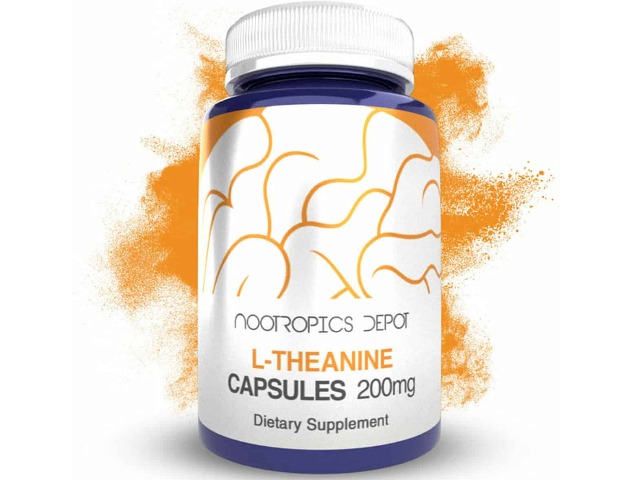
GABA is your brain’s primary inhibitory neurotransmitter — it literally tells neurons to stop firing. Low GABA tone means your brain stays revved up even when your body is exhausted. Chronic stress, poor nutrition, and alcohol all deplete GABA over time. L-theanine supports GABA activity and promotes alpha brain waves associated with calm wakefulness, making it useful for the transition into sleep.
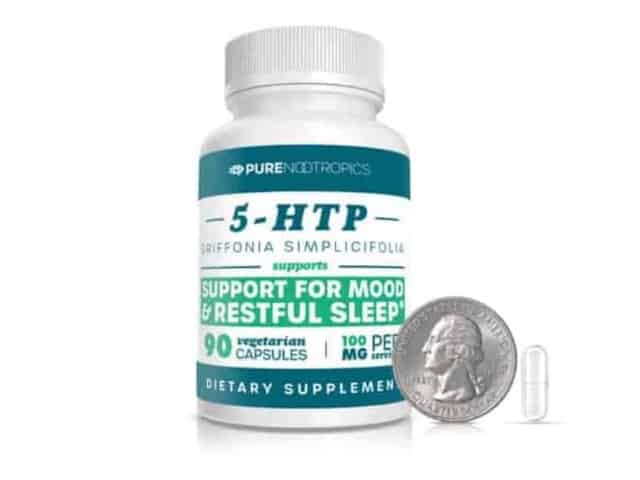
Serotonin is the direct precursor to melatonin. Without adequate serotonin, your body can’t produce enough melatonin to initiate sleep. Serotonin synthesis depends on tryptophan availability, B6, and a healthy gut microbiome — roughly 90% of serotonin is produced in the GI tract. 5-HTP bypasses the rate-limiting step in serotonin synthesis, making it a useful targeted intervention.
Melatonin is the hormone that signals your body it’s time to sleep. It doesn’t sedate you — it shifts your circadian clock toward sleep mode. Melatonin supplementation at low doses (0.3-1mg) can be helpful for circadian resetting, but higher doses often cause grogginess and can suppress your body’s own production over time.
Root Cause #2: Circadian Rhythm Disruption
Your circadian rhythm is a 24-hour internal clock governed primarily by light exposure. When it’s functioning properly, cortisol rises in the morning (waking you up) and melatonin rises in the evening (bringing on sleep). Disruption of this cycle is one of the most common — and most overlooked — drivers of insomnia.
Common disruptors include:
- Blue light exposure after sunset — screens suppress melatonin production by up to 50%. Even small smartphone screens can delay your circadian clock by 1-2 hours. See our full guide on why blue light harms your brain and sleep.
- Irregular sleep schedules — shifting your sleep time by even 1-2 hours on weekends creates “social jet lag” that can take days to recover from
- Shift work — rotating shifts are devastating to circadian function and are associated with significantly higher rates of metabolic disease, depression, and cognitive decline
- Insufficient morning light exposure — bright light in the first 30-60 minutes of waking is the strongest circadian reset signal available
The fix is straightforward: Get 10-30 minutes of direct sunlight within the first hour of waking. Dim artificial lights after sunset. Use blue-light blocking glasses if you must use screens in the evening. Keep a consistent sleep/wake time within a 30-minute window, even on weekends.
Root Cause #3: Gut Dysfunction and Inflammation
This is the one most people miss entirely. Your gut produces the vast majority of your serotonin, and systemic inflammation from gut dysfunction directly impairs sleep architecture.
Intestinal permeability (“leaky gut”) allows bacterial endotoxins (lipopolysaccharide) into the bloodstream, triggering an inflammatory cascade that elevates cytokines like IL-6 and TNF-alpha. These inflammatory markers are directly associated with disrupted sleep continuity and reduced deep sleep. For a deeper dive into this connection, see our article on how your gut health affects your mental health.
Practical gut interventions for better sleep:
- Reduce or eliminate alcohol, refined sugar, and processed seed oils — all of which increase intestinal permeability
- Increase fermented foods (kimchi, sauerkraut, kefir) for beneficial bacteria diversity
- Consider a high-quality probiotic with Lactobacillus and Bifidobacterium strains
- Support digestive function with enzymes if you notice bloating or undigested food
- Eat your largest meal earlier in the day — late heavy meals increase core body temperature and disrupt sleep onset
Root Cause #4: Chronic Stress and HPA Axis Dysregulation
Cortisol should follow a predictable daily rhythm: high in the morning, gradually declining throughout the day, and reaching its lowest point around midnight. Chronic stress flattens this curve, leading to cortisol levels that are too low in the morning (you can’t wake up) and too high at night (you can’t fall asleep).
Ashwagandha is one of the most well-studied adaptogens for modulating the HPA axis. A systematic review of five RCTs found it significantly reduced cortisol levels and improved sleep quality scores compared to placebo. I recommend the Sensoril extract (standardized to withanolides) taken in the evening.
Other effective stress-management strategies:
- Breathwork — even 5 minutes of box breathing (4-count inhale, 4-count hold, 4-count exhale, 4-count hold) activates the parasympathetic nervous system
- Meditation — consistent practice physically changes the amygdala’s stress reactivity over time
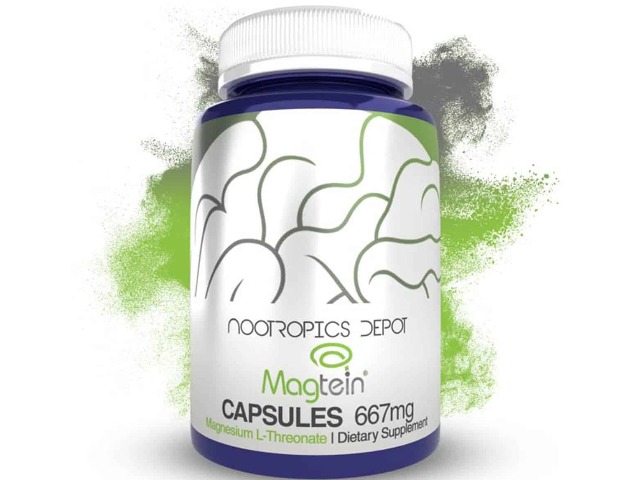
- Magnesium supplementation — magnesium L-threonate crosses the blood-brain barrier more effectively than other forms, directly supporting GABA receptor function and calming neural excitability. See our complete magnesium guide for form comparisons.
Evidence-Based Sleep Supplementation
After addressing the root causes above, targeted supplements can meaningfully accelerate improvement. Here’s what the evidence actually supports:
Tier 1 — Strong evidence:
- Magnesium L-threonate (144mg elemental Mg before bed) — enhances GABA signaling, supports deep sleep
- L-theanine (200mg before bed) — promotes alpha waves, reduces sleep latency without sedation
- Glycine (3g before bed) — lowers core body temperature (a key sleep onset signal), improves subjective sleep quality in multiple RCTs
Tier 2 — Good evidence:
- Ashwagandha (300mg Sensoril or KSM-66 in evening) — modulates cortisol, reduces sleep onset latency
- 5-HTP (100-200mg before bed) — supports serotonin-to-melatonin conversion
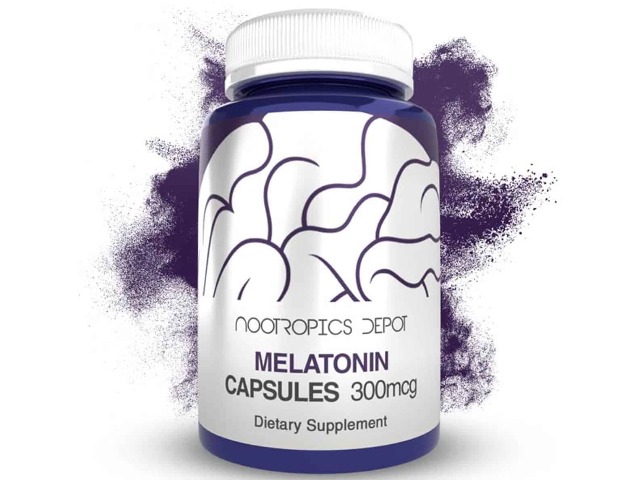
- Melatonin (0.3-1mg, 30 min before bed) — best for circadian resetting, not long-term nightly use
Tier 3 — Supportive evidence:
- Lemon balm — mild GABAergic effects, pleasant as a tea
- Chamomile — apigenin binds benzodiazepine sites on GABA receptors at modest affinity
- Reishi mushroom — traditional use for sleep, emerging evidence for TNF-alpha modulation. See our nootropic mushroom guide.
For a full ranking and dosing guide, see our best nootropics for sleep article.
Building Your Sleep Protocol
Rather than throwing supplements at the problem, I recommend a systematic approach:
Week 1-2: Fix the foundations. Consistent sleep/wake times. Morning sunlight. Blue light blocking after sunset. No caffeine after noon. No alcohol within 3 hours of bed.
Week 3-4: Add gut support. Clean up diet, add fermented foods, consider a probiotic if needed.
Week 5-6: Introduce targeted supplementation. Start with magnesium and L-theanine. Add ashwagandha if stress/cortisol is a primary driver. Add 5-HTP if mood or serotonin depletion is a factor.
Ongoing: Reassess every 4-6 weeks. As root causes resolve, you should be able to reduce supplementation. The goal is restoring your body’s innate ability to sleep well — not permanent supplement dependence.
FAQs
Is it safe to take sleep medications long-term?
Pharmaceutical sleep aids like zolpidem (Ambien) and eszopiclone (Lunesta) carry real risks of dependence, tolerance, and rebound insomnia with long-term use. They also suppress deep sleep and REM architecture — meaning you’re unconscious but not getting truly restorative sleep. I recommend exhausting natural interventions and root-cause approaches before turning to pharmaceuticals, and working with a physician if you do.
How long until lifestyle changes improve my sleep?
Most people notice meaningful improvement within 2-4 weeks of implementing consistent circadian hygiene (light exposure timing, consistent schedule, blue light management). Gut healing and neurotransmitter rebalancing can take 6-12 weeks for full effect. Consistency matters more than perfection.
Should I take supplements or focus on meditation and lifestyle?
Both, and ideally in the right order. Lifestyle interventions address root causes. Supplements support the biochemistry while those root causes resolve. Meditation and breathwork directly downregulate the stress response. They complement each other — they’re not competing strategies.
Why do I sleep enough hours but still feel exhausted?
You’re likely not reaching adequate deep sleep (N3) or REM stages. Common causes include alcohol (severely disrupts sleep architecture even in moderate amounts), sleep apnea (consider a home sleep test if you snore), late eating, and chronic inflammation. A sleep tracker like the Oura Ring can help identify whether your sleep architecture is the issue.
My Take
Sleep is the foundation everything else is built on. No nootropic stack, exercise program, or diet protocol will deliver full results if your sleep is broken. I’ve seen clients transform their cognitive function, mood, and energy not by adding more supplements but by finally fixing their sleep.
The approach that works is frustratingly simple: get morning sunlight, manage your stress, feed your gut, time your light exposure, and support your brain chemistry with targeted interventions where needed. It’s not sexy, but it works — and unlike pharmaceutical sleep aids, the improvements are sustainable.
If you’re struggling with persistent insomnia despite implementing these strategies, consider working with a functional health practitioner who can run targeted labs (cortisol rhythm testing, organic acids, comprehensive stool analysis) to identify your specific biochemical drivers. Sometimes the root cause isn’t obvious without data.