
- Acute energy and alertness
- Heightened focus and concentration
- Appetite suppression
I’m going to be straight with you on this one — and that’s exactly what you need if you’re reading about DMAA.
Back when I was deep in the supplement rabbit hole, chasing the next edge, DMAA-loaded pre-workouts were the thing everyone whispered about in gym parking lots. “Bro, you haven’t tried Jack3d? It’s like NZT from Limitless.” I tried it. Once. My heart felt like it was trying to escape my ribcage, I couldn’t sit still for six hours, and I spent the rest of the night staring at the ceiling wondering if I needed to call 911.
That experience taught me something important: intensity is not the same as optimization. And DMAA is a case study in that difference.
The Short Version: DMAA (1,3-Dimethylamylamine hydrochloride) is a powerful synthetic stimulant banned by the FDA after being linked to deaths, strokes, and cardiac events. There are zero controlled human trials showing nootropic or cognitive benefits. While users report intense energy and focus, safer and better-studied alternatives exist for every claimed benefit. This is one supplement where the risk-reward math doesn’t add up.
What Is 1,3-Dimethylamylamine Hydrochloride?
DMAA is a synthetic aliphatic amine — structurally, it’s a cousin of amphetamine. It was originally patented by Eli Lilly in 1944 and sold as Forthane, an inhaled nasal decongestant reportedly 19 times stronger than ephedrine at constricting blood vessels. By 1983, it was voluntarily pulled from the pharmaceutical market because it didn’t work well enough as a decongestant and caused too many side effects.
That should have been the end of the story. It wasn’t.
After ephedrine got banned from supplements in 2004, the industry needed a new stimulant to sell. DMAA re-emerged around 2006, this time marketed as a “natural extract” from geranium plants. Products like Jack3d and OxyElite Pro turned it into a cash cow. There was just one problem — the “natural geranium” claim was a lie. Multiple independent studies confirmed the DMAA in these products came from Chinese chemical laboratories, not flowers. In 2015, USPlabs executives were criminally indicted for fraud.
The FDA banned DMAA in dietary supplements in 2013 after two active-duty soldiers died taking DMAA products during physical training. The ban was upheld by a US District Court in 2017. It’s also prohibited by WADA, the US military, and regulatory agencies in Canada, Australia, the UK, and most of the EU.
Reality Check: Despite all of this, DMAA products still circulate online, often labeled “for research purposes only” or hidden behind names like “geranamine” and “4-amino-2-methylpentane citrate.” Just because you can buy something doesn’t mean it’s legal, safe, or a good idea.
How Does 1,3-Dimethylamylamine Hydrochloride Work?
Think of your sympathetic nervous system as your body’s turbo button — the “fight or flight” switch. DMAA doesn’t just flip that switch. It jams it in the on position.
At the molecular level, DMAA is a norepinephrine and dopamine releasing agent. It forces your nerve terminals to dump extra norepinephrine into circulation, which constricts blood vessels, raises blood pressure, and jacks up alertness. A 2023 study published in Molecular Pharmacology revealed something more concerning — DMAA actually binds to the dopamine transporter’s substrate site, behaving similarly to amphetamine. It doesn’t just block dopamine reuptake; it actively hijacks the transporter, causing it to internalize from the cell surface. More dopamine flooding the synapse means euphoria, motivation, and focus — but also abuse potential.
In plain English: DMAA forces your brain to release more “go” chemicals than it normally would. That feels amazing in the short term. But it’s the neurochemical equivalent of redlining your engine — you’re borrowing energy and focus from tomorrow and paying interest in the form of crashes, tolerance, and cardiovascular strain.
The substance also inhibits the CYP2D6 enzyme, which your liver uses to metabolize a wide range of medications. This means DMAA can unexpectedly amplify the effects of other drugs in your system — a hidden danger that most users never consider.
Benefits of 1,3-Dimethylamylamine Hydrochloride
Here’s where I have to be more honest than most supplement writers are willing to be: there are no controlled human clinical trials demonstrating cognitive or nootropic benefits from DMAA.
None. Zero.
What does exist:
Acute stimulant effects. At 25mg, DMAA enters the bloodstream within about 8 minutes. A 2014 pharmacokinetic study found it produced minimal measurable physiological changes at this dose — meaning the subjective “rocket fuel” feeling users report may be partly psychological at lower doses.
Dopamine transporter engagement. The 2023 mechanistic study confirmed DMAA acts as a DAT substrate, providing a pharmacological explanation for the focus and euphoria users experience. But this is a mechanism paper, not a clinical trial showing cognitive enhancement.
A 12-week tolerability study. One study found that daily caffeine-plus-DMAA supplementation didn’t produce significant adverse health markers over 12 weeks. This tells us low doses might not kill you in three months. It doesn’t tell us it improves cognition.
Animal abuse liability data. In discrimination studies, DMAA fully substituted for cocaine and partially (77%) for methamphetamine. Animals developed conditioned place preference for it — meaning they sought out environments where they’d received DMAA. This is a red flag, not a benefit.
Reality Check: The entire “nootropic” reputation of DMAA comes from anecdotal reports in the bodybuilding and biohacking communities — not from scientific evidence. User reports of “tunnel vision focus” and “laser concentration” are consistent with any potent sympathomimetic stimulant. Caffeine does similar things at high doses, with far less risk.
How to Take 1,3-Dimethylamylamine Hydrochloride
I need to be clear: I am not recommending anyone take DMAA. It’s banned by the FDA in supplements for good reason. But if you’re going to ignore that — and I know some of you will — at least understand the pharmacology so you can make an informed decision.
Historical dosing from research and supplement formulations:
- 25mg — produced minimal cardiovascular effects in studies
- 50mg — raised blood pressure by approximately 7 mmHg
- 75mg — raised blood pressure by approximately 16 mmHg (dose-dependent increase)
The original Jack3d formula used roughly 25mg DMAA with 250mg caffeine — about a 1:10 DMAA-to-caffeine ratio.
Pharmacokinetics you need to know:
The half-life is 8.5 hours. That’s long. If you take it at noon, half of it is still in your system at 8:30 PM. Take it two days in a row and it accumulates. This is not a substance for daily use, and afternoon dosing will wreck your sleep.
Peak blood concentration hits at 3–5 hours — much slower than caffeine. The full duration of effects is 7–9 hours, followed by a crash that users universally describe as unpleasant.
The hydrochloride (HCl) form is more water-soluble and stable than the free base. Functionally, the effects are the same.
Important: NSF testing found DMAA concentrations in supplements varied by 600-fold — from 0.11% to 67.3% of labeled amounts. You genuinely cannot know what dose you’re getting from an unregulated product. This alone should give anyone pause.
Tolerance develops rapidly, particularly to the euphoric effects. Users report needing progressively higher doses — a classic pattern that leads to dangerous territory.
Side Effects and Safety
This is the section that matters most. Read it carefully.
Common side effects:
- Elevated blood pressure (dose-dependent, measurable even at moderate doses)
- Rapid heartbeat and palpitations
- Headaches and dizziness
- Nausea and vomiting, especially on an empty stomach
- Anxiety, nervousness, agitation
- Tremors and jitteriness
- Insomnia and night sweats
- Significant energy crash after effects wear off
Serious adverse events documented in the medical literature:
- Cerebral hemorrhage (brain bleed): Five cases documented in patients aged 21–41, with alcohol and/or caffeine involved in four of the five
- Cardiac arrest in a 21-year-old
- Heart attack and stroke
- Death: Two US soldiers died during physical training after taking DMAA supplements; additional fatalities were reported to the FDA
- Acute liver failure: Over 50 cases of hepatitis linked to OxyElite Pro products, including one death and multiple emergency liver transplants
- Seizures in overdose situations
Important: DMAA should never be used by anyone with hypertension, cardiovascular disease, history of stroke or heart attack, glaucoma, liver disease, anxiety disorders, or a history of substance abuse. It is absolutely contraindicated during pregnancy and nursing. Combining DMAA with MAO inhibitors can cause a potentially fatal hypertensive crisis.
Critical drug interactions:
- MAOIs — risk of hypertensive crisis (potentially fatal)
- Other stimulants including prescription ADHD medications, pseudoephedrine, and phentermine
- Caffeine — amplifies cardiovascular side effects; implicated in multiple serious adverse events
- Alcohol — present in 4 of 5 documented cerebral hemorrhage cases
- CYP2D6 substrates including codeine, tramadol, certain antidepressants, and beta-blockers — DMAA inhibits the enzyme that metabolizes these drugs
Stacking 1,3-Dimethylamylamine Hydrochloride
I’ll be blunt: there is no “safe stack” with DMAA. The substance itself carries substantial standalone risk, and combinations generally increase that risk.
Historical supplement combinations (for educational context, not recommendation):
The Jack3d formula paired DMAA with caffeine, arginine alpha-ketoglutarate, creatine, beta-alanine, and schizandrol A. OxyElite Pro combined it with caffeine, Bacopa monnieri, and rauwolscine.
What must never be combined with DMAA:
- MAO inhibitors of any type
- Any other stimulant, prescription or OTC
- Alcohol — dramatically increases cerebrovascular risk
- Sympathomimetic drugs or decongestants
- Intense physical exercise — multiple deaths occurred during strenuous training
What to consider instead — safer stimulant stacks with actual evidence:
- Caffeine + L-Theanine: The most well-studied focus and energy combination in nootropics. Clean alertness without the cardiovascular danger. Start with 100mg caffeine and 200mg L-theanine.
- Theacrine + Methylliberine: Newer stimulants with better safety profiles. Less potent than DMAA, but that’s the point — potency without safety isn’t an advantage.
- Rhodiola Rosea: Adaptogenic support for energy and stress resilience, with a solid evidence base and an excellent safety record.
My Take
I’ll cut straight to it: DMAA has no place in a responsible nootropic protocol.
I understand the appeal. I really do. When you’re searching for that edge — that feeling of being completely dialed in — the reports of DMAA-induced “tunnel vision” focus sound like exactly what you want. I fell for it too. But here’s what years in this space have taught me: the most potent substance is rarely the best tool for the job.
DMAA is a synthetic amphetamine-adjacent stimulant that was pulled from the pharmaceutical market in the 1980s because it wasn’t good enough as a medicine. It was resurrected by supplement companies looking for the next cash cow after ephedrine got banned, wrapped in a fraudulent “natural geranium” story, and linked to deaths before getting banned again. That’s not a track record that inspires confidence.
The complete absence of clinical evidence for cognitive benefits seals it. Every effect DMAA provides — energy, focus, alertness — can be achieved through safer, better-studied compounds. Caffeine with L-theanine gives you clean focus. Modafinil, for those with a prescription, provides sustained wakefulness. Even synephrine offers stimulation without the same cardiovascular danger profile.
If you’re reading this because you’re already using DMAA — be honest with yourself about tolerance development and withdrawal. If you need more each time to get the same effect, that’s your body telling you something important.
And if you’re reading this because you’re curious about trying it — take it from someone who’s spent years testing everything in this space: the best nootropics are the boring ones. Sleep. Magnesium. Creatine. Gut health. Build the foundation first. The flashy stimulants are a distraction from the work that actually moves the needle.
Your brain deserves better than a banned stimulant with a body count.
Recommended DMAA Products
I know how frustrating it is to sort through dozens of brands making the same claims. These are the ones I've personally vetted — because quality is the difference between results and wasted money.
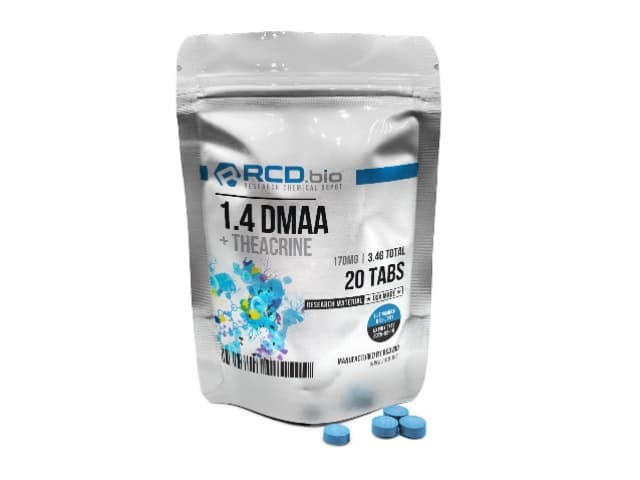
1,4 DMAA + Theacrine Tablets by Research Chemical Depot
Shop Now →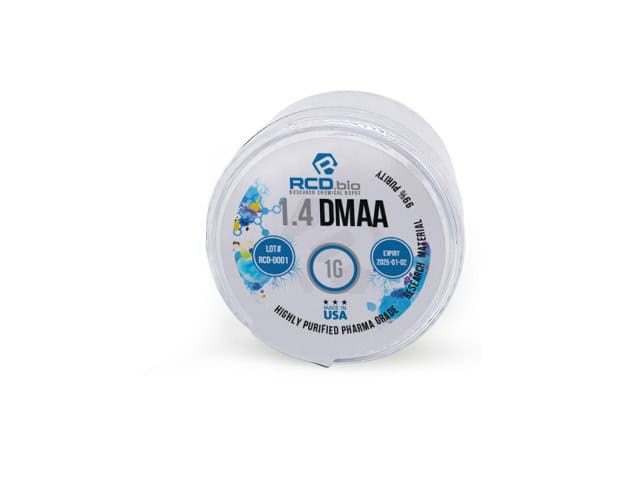
1,4 DMAA Powder by Research Chemical Depot
Shop Now →Disclosure: These are affiliate links. I earn a small commission if you purchase — at no extra cost to you. I only recommend products I personally use or have thoroughly researched.