
- Supports healthy blood pressure
- Promotes restful sleep
- May reduce symptoms of depression and anxiety
- Supports muscle relaxation and recovery
- Aids migraine prevention
- Foundational support for 300+ enzymatic reactions
Here’s a number that still stops me in my tracks: roughly half of Americans aren’t getting enough magnesium from their diet. Half. And this one mineral is a cofactor in over 300 enzymatic reactions in your body — including the ones responsible for making your neurotransmitters work, keeping your blood pressure in check, and letting you actually fall asleep at night.
I’ll be honest — magnesium citrate isn’t the sexiest supplement I’ve ever written about. It doesn’t have a cool name. Nobody’s making YouTube videos about their “magnesium citrate transformation.” But after years of chasing exotic nootropics and spending embarrassing amounts of money on compounds I couldn’t pronounce, I keep coming back to the basics. And magnesium citrate is about as foundational as it gets.
The Short Version: Magnesium citrate is a highly bioavailable, affordable form of magnesium that supports sleep, mood, blood pressure, and muscle relaxation. It’s best suited as a general-purpose magnesium supplement for people who suspect they’re deficient (statistically, you probably are). For targeted cognitive enhancement, Magnesium L-Threonate is better; for sleep and anxiety with a sensitive stomach, Magnesium Glycinate edges it out. But for overall value? Citrate is hard to beat.
What Is Magnesium Citrate?
Magnesium citrate is exactly what it sounds like — elemental magnesium bound to citric acid. That bond is what makes it special. Unlike magnesium oxide (which your body absorbs at a dismal ~4%), magnesium citrate is water-soluble and absorbs at roughly 25–30%, with studies showing approximately 80% absorption after six hours. It produces significantly higher plasma magnesium levels compared to oxide at both the 4-hour and 8-hour marks.
The recognition of magnesium as essential dates back to 1926, but it took decades before researchers fully mapped out just how many processes depend on it. We now know the number is somewhere between 300 and 600+ enzymatic reactions — everything from DNA repair to energy production to neurotransmitter synthesis.
Here’s the part that matters for you: modern diets are terrible at delivering magnesium. Processed foods strip it out, depleted soil means even whole foods contain less than they used to, and stress actively burns through your magnesium stores. If you’re reading an article about nootropics, you’re probably a high-performer dealing with chronic stress. Which means you’re almost certainly running low.
Think of magnesium as the oil in your engine. You don’t feel oil working when everything’s running smoothly — but you absolutely feel it when it’s gone.
How Does Magnesium Citrate Work?
The Plain-English Version
Your brain has a delicate balancing act between “go” signals (excitatory neurotransmitters like glutamate) and “chill” signals (inhibitory neurotransmitters like GABA). Magnesium acts like a bouncer at the door of your neurons — it blocks excessive excitatory signals from flooding in while simultaneously supporting the calming signals that keep you relaxed and focused.
When magnesium is low, that bouncer leaves the building. The result? Overstimulated neurons, racing thoughts, muscle tension, poor sleep, and a stress response that’s permanently dialed up to eleven.
The Science
Magnesium’s most important neurological role involves NMDA receptors — the brain’s primary learning and memory receptors. Recent cryo-EM studies (2025) identified three distinct Mg²⁺ binding sites on these receptors. At resting membrane potential, magnesium physically blocks the NMDA channel pore, preventing calcium and sodium from rushing in. This makes NMDA receptors “coincidence detectors” — they only open when both glutamate binds and the neuron is already depolarized.
This is critical. Without that magnesium block, neurons would fire continuously, leading to excitotoxicity — literally burning out your brain cells. At the same time, controlled NMDA activation is essential for synaptic plasticity and long-term potentiation (the cellular basis of learning and memory).
Beyond NMDA receptors, magnesium supports the GABAergic system by enhancing GABA-A receptor binding affinity and supporting GABA synthesis. It modulates the HPA axis by decreasing ACTH release and reducing cortisol secretion. And it acts as an NF-κB inhibitor, suppressing pro-inflammatory cytokines like TNF-α, IL-1β, and IL-6.
So What Does This Mean for You?
In practical terms: adequate magnesium protects your neurons from burnout, supports your brain’s natural calming systems, keeps your stress response from spiraling, and dials down neuroinflammation. It’s not a flashy cognitive enhancer — it’s the infrastructure that makes everything else work. The citrate component also participates in the Krebs cycle, supporting the very energy metabolism your brain depends on to function.
Reality Check: Magnesium citrate won’t make you feel “limitless.” Its effects are foundational — more like removing a bottleneck than adding a turbocharger. Most people describe the experience as “an absence of problems” rather than a noticeable boost. If you’re deficient, though, the difference can be dramatic.
Benefits of Magnesium Citrate
Blood Pressure Support — Strong Evidence
This is where the data is most convincing. A 2025 meta-analysis of 38 randomized controlled trials (2,709 participants) found magnesium supplementation reduced blood pressure by -2.81 mmHg systolic and -2.05 mmHg diastolic overall. In hypertensive individuals already on medication, the reductions were more impressive: -7.68/-2.96 mmHg. Doses of 400mg/day or higher showed the greatest benefit.
Notably, normotensive individuals didn’t see significant reductions — which is actually reassuring. It means magnesium helps normalize blood pressure rather than push it dangerously low.
Sleep Quality — Moderate to Good Evidence
A study using 320mg/day of magnesium citrate for 7 weeks improved PSQI (Pittsburgh Sleep Quality Index) scores in adults over 51. The largest placebo-controlled trial to date (2024) showed significant improvements in sleep duration, deep sleep, and sleep efficiency. A 2021 meta-analysis confirmed benefits specifically for insomnia in older adults.
Most users report noticing sleep improvements within 1–2 weeks of consistent use.
Depression & Mood — Moderate Evidence
A meta-analysis found a significant decline in depression scores with magnesium supplementation (SMD: -0.919, p=0.001). The mechanistic rationale is strong — magnesium deficiency disrupts the glutamate/GABA balance critical for mood regulation and amplifies HPA axis stress responses. More large-scale RCTs are needed, but the existing data is encouraging.
Migraine Prevention — Moderate Evidence
A meta-analysis of 10 RCTs (789 participants) found significant reductions in migraine frequency and intensity. Prophylactic treatment with 600mg magnesium dicitrate appears safe and cost-effective. The American Academy of Neurology rates it as “possibly effective” (Grade C) — which sounds lukewarm, but it’s one of the better-tolerated preventive options available, particularly for children, pregnant women, and older adults.
Anxiety — Moderate Evidence (With Caveats)
Five out of seven studies in a 2024 systematic review showed improvement in anxiety symptoms. However, the evidence quality is limited — varying dosages, different formulations, and few high-quality RCTs. Magnesium glycinate is generally considered the better choice for anxiety specifically, due to glycine’s own calming properties.
Muscle Relaxation & Recovery — Moderate Evidence
Magnesium decreases acetylcholine liberation at the neuromuscular junction, producing a natural muscle-relaxing effect. A 2024 review found benefits for muscle mass, respiratory muscle strength, exercise recovery, and soreness reduction.
| Benefit | Evidence Level | Key Finding |
|---|---|---|
| Blood pressure | Strong (38 RCTs) | -2.81/-2.05 mmHg overall; -7.68 mmHg systolic in hypertensives |
| Sleep quality | Moderate-Good | Improved PSQI scores, sleep duration, and deep sleep |
| Depression | Moderate | Significant decline in depression scores (meta-analysis) |
| Migraine prevention | Moderate | Reduced frequency and intensity in 10-RCT meta-analysis |
| Anxiety | Moderate (limited) | 5/7 studies positive; glycinate may be preferred |
| Muscle relaxation | Moderate | Improved recovery, reduced soreness |
| Cognition (direct) | Low | L-threonate is the better choice for brain-specific effects |
How to Take Magnesium Citrate Without Wasting Your Money
Here’s the single biggest mistake people make with magnesium citrate: they look at the label and think they’re taking 500mg of magnesium when they’re actually taking 500mg of magnesium citrate — which contains only 55–80mg of elemental magnesium. Always check the Supplement Facts panel for the elemental magnesium amount. That’s what matters.
| Use Case | Elemental Mg | Timing | Notes |
|---|---|---|---|
| General supplementation | 200–400mg/day | Morning, with food | Start at 200mg |
| Sleep support | 200–400mg/day | 30–60 min before bed | Consistency is key |
| Stress & mood | 300–400mg/day | With dinner | Glycinate may be preferred |
| Migraine prevention | 400–600mg/day | Split AM/PM | Allow 8–12 weeks for full effect |
| Deficiency correction | 600mg/day | Split AM/PM, with food | 12 weeks, then retest RBC Mg |
Practical Dosing Tips
- Start low. Begin at 200mg elemental magnesium and increase by 100mg every 3–5 days. Your GI tract will thank you.
- Take with food. Absorption increases from 45.7% to 52.3% — a meaningful difference over months of use.
- Be consistent. Daily use for 4–8 weeks is when most people notice cumulative benefits. Missing a day here or there won’t matter, but sporadic use won’t get you results.
- Powder vs. capsules: Bioavailability is comparable. Powder is cheaper and allows flexible dosing but has a tart/sour taste. Capsules are more convenient. Pick whichever you’ll actually take consistently.
Pro Tip: The NIH sets the supplemental upper limit at 350mg/day, but this is a conservative guideline — not a hard ceiling. Many practitioners recommend 400–600mg for therapeutic purposes. Toxicity doesn’t occur until well above 5,000mg/day, and healthy kidneys efficiently clear excess magnesium. That said, respect the GI signals — if you’re running to the bathroom, you’ve overshot your dose.
Do You Need to Cycle?
Generally, no. Most people take magnesium citrate daily without any issue. Some practitioners suggest 5 days on / 2 days off, but there’s no strong evidence this is necessary. Your body doesn’t build tolerance to magnesium the way it does with, say, caffeine. Take it consistently and don’t overthink it.
The Side Effects Nobody Warns You About
Let me save you the unpleasant surprise: the most common side effect of magnesium citrate is loose stools or diarrhea. This is dose-dependent, typically hits within 30 minutes to 6 hours, and is the reason magnesium citrate doubles as an over-the-counter laxative at higher doses.
Common Side Effects
- Diarrhea / loose stools — the #1 complaint, especially above 400mg
- Abdominal cramping and bloating — more common at higher doses
- Nausea — usually only on an empty stomach
- Gas — particularly in the first week
Most people develop tolerance within 1–2 weeks when titrating slowly. If GI issues persist, switching to magnesium glycinate or magnesium malate may be the move — they’re significantly gentler on the gut.
Serious Side Effects (Rare)
Hypermagnesemia — dangerously elevated magnesium — virtually never occurs in people with healthy kidneys. It requires either severe renal impairment or a truly massive overdose. Early signs include facial flushing, low blood pressure, and lethargy. Severe cases (which are medical emergencies) can progress to loss of reflexes, paralysis, and cardiac arrest.
Important: Magnesium citrate is contraindicated in three populations: people with kidney disease or renal impairment (can’t excrete excess Mg), those with heart block (Mg slows cardiac conduction), and individuals with myasthenia gravis (can precipitate a life-threatening crisis). If any of these apply to you, talk to your doctor before supplementing.
Drug Interactions to Know
| Drug Class | What Happens | What to Do |
|---|---|---|
| Tetracyclines & fluoroquinolones | Reduces antibiotic absorption 40–90% | Take Mg 2 hrs before OR 4–6 hrs after |
| Bisphosphonates (Fosamax, etc.) | Decreases drug absorption | Separate by at least 2 hours |
| Loop & thiazide diuretics | Accelerate magnesium depletion | You may need supplementation |
| Potassium-sparing diuretics | Increase Mg retention → toxicity risk | Monitor levels with your doctor |
| PPIs (omeprazole, etc.) | Combined with diuretics, synergistic Mg depletion | Monitor and likely supplement |
| Muscle relaxants & BP meds | Additive effects | Use caution, start lower dose |
Regarding pregnancy: magnesium citrate is FDA Category C. Oral supplementation for 4+ weeks before delivery has been associated with delayed lactation onset. It’s generally considered safe during breastfeeding, but work with your OB-GYN.
Stacking Magnesium Citrate
Magnesium plays well with others — and certain combinations are genuinely synergistic rather than just additive.
Synergistic Pairings
- Vitamin D3 (1,000–4,000 IU): This is the most important pairing. Vitamin D aids magnesium absorption, and magnesium converts vitamin D into its active form. Without adequate magnesium, vitamin D supplementation can actually deplete your magnesium stores faster. Take them together.
- Vitamin B6 (10–50mg): Enhances cellular magnesium uptake and supports neurotransmitter synthesis. The classic “MagPyridoxine” combination exists for a reason.
- Taurine (500–1,000mg): Synergistic for both cardiovascular support and GABAergic calming effects. A solid one-two punch for stress management.
- Zinc (15–30mg): Complementary mineral roles, but keep zinc moderate — doses above 40mg can start competing with magnesium for absorption.
Goal-Specific Stacks
Sleep Stack: Magnesium citrate 300–400mg + melatonin 0.3–1mg + apigenin 50mg + glycine 3g — take 30–60 minutes before bed.
Stress & Anxiety Stack: Magnesium 300mg + L-theanine 200mg + ashwagandha 300–600mg — take with dinner.
Migraine Prevention Stack: Magnesium 400–600mg + CoQ10 100–300mg + riboflavin (B2) 400mg — split morning and evening.
Foundational Cognitive Stack: Magnesium 300mg + omega-3 DHA 1–2g + creatine 5g — take with breakfast.
What to Avoid
- High-dose calcium at the same time — they compete for absorption. Take calcium in the morning, magnesium in the evening (or vice versa).
- Zinc above 142mg/day — impairs magnesium balance (though nobody should be taking this much zinc anyway).
- Other laxatives — additive GI effects. This seems obvious, but it’s worth stating.
Insider Tip: If you’re taking magnesium for sleep, pair it with a hot bath or shower 90 minutes before bed. The magnesium supports muscle relaxation and GABA activity, while the post-bath body temperature drop triggers melatonin release. It’s a simple combination that works better than either intervention alone.
My Take
I’ve tried pretty much every form of magnesium on the market. Here’s my honest assessment of citrate.
It’s the best starting point for most people. If you suspect you’re magnesium-deficient (and again — statistically, you probably are), citrate gives you the best absorption for the price. It’s widely available, well-researched, and effective for the foundational stuff: sleep quality, muscle tension, stress resilience, blood pressure.
It’s not the best at any one thing. If sleep and anxiety are your primary targets and you have a sensitive stomach, magnesium glycinate is the better call. If you’re specifically after cognitive enhancement — sharper memory, better learning — magnesium L-threonate crosses the blood-brain barrier in ways citrate simply doesn’t. If cardiovascular health is your focus, magnesium taurate has the edge.
But here’s the thing — most people don’t need the best form for one specific outcome. They need a reliable, affordable form that covers the broadest range of benefits. That’s citrate.
The GI side effects are real. I won’t sugarcoat it — if you jump straight to 400mg on day one, you’re going to have a bad afternoon. Titrate slowly. Start at 200mg with food. Give your gut a week to adjust before bumping up. If the GI issues persist even after slow titration, that’s your body telling you to switch forms — not to give up on magnesium altogether.
My recommendation: start with magnesium citrate at 200–300mg daily for a month. Pay attention to your sleep, your muscle tension, your overall sense of calm. If you feel a meaningful difference (most people do), you’ve found a keeper. If you want to level up from there, explore glycinate for relaxation or L-threonate for cognition as targeted additions — not replacements.
Magnesium isn’t glamorous. It won’t make a good Instagram post. But in my years of experimenting with nootropics, it remains one of the few supplements I never stop taking. The foundations matter more than the fancy stuff. They always do.
Recommended Magnesium Citrate Products
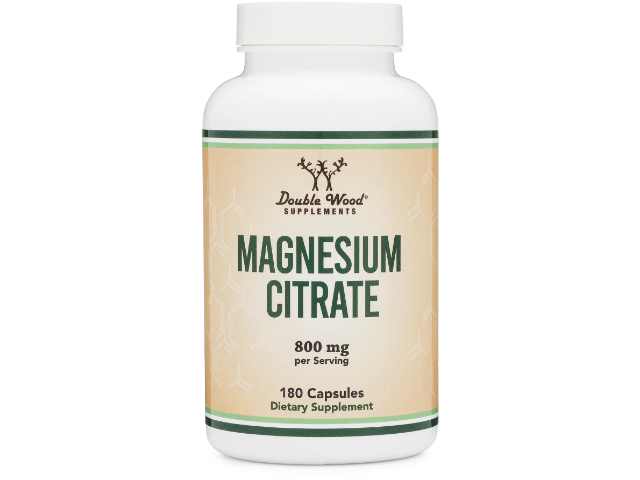
I know how frustrating it is to sort through dozens of brands making the same claims. These are the ones I've personally vetted — because quality is the difference between results and wasted money.
Disclosure: These are affiliate links. I earn a small commission if you purchase — at no extra cost to you. I only recommend products I personally use or have thoroughly researched.