
- Memory enhancement and cognitive support
- Neuroprotection against age-related decline
- Anti-inflammatory effects in the brain
- Dopamine and acetylcholine modulation
I used to think citrus peels were just compost material. Turns out I was throwing away one of the most promising natural compounds for brain health.
Nobiletin is a flavonoid concentrated in citrus peels — especially tangerine and Shikuwasa citrus — that’s been quietly racking up impressive research for memory, neuroprotection, and cognitive longevity. Unlike most overhyped “brain boosters,” this one has actual human data showing real improvements in elderly populations.
The Short Version: Nobiletin is a citrus-derived compound that enhances memory by increasing acetylcholine and dopamine levels, reducing brain inflammation, and supporting the formation of new neural connections. Human trials show cognitive improvements after 8-12 weeks of consistent use. Typical doses range from 10-100mg daily, with most studies using 20-50mg.
What Is Nobiletin?
Nobiletin is a polymethoxyflavone (PMF) — a specific type of flavonoid where multiple methoxy groups are attached to the flavone backbone. It’s found primarily in the peels of citrus fruits, with the highest concentrations in tangerine (Citrus reticulata) and Shikuwasa (Citrus depressa), an Okinawan citrus fruit.
The compound has been used in traditional Asian medicine for centuries, but Western research didn’t take it seriously until Japanese scientists started publishing studies on its neuroprotective effects in the early 2000s. What makes it stand out from other plant compounds is its ability to cross the blood-brain barrier efficiently and its multi-pathway approach to brain health.
Most people approach brain health with a single-target mindset — more dopamine, more acetylcholine, more antioxidants. Nobiletin works differently. It modulates multiple neurotransmitter systems simultaneously, reduces inflammation, and supports the physical structure of synapses. It’s less like hitting one switch and more like tuning an entire system.
Reality Check: Nobiletin isn’t a stimulant. You won’t feel it kick in like caffeine or modafinil. The benefits are cumulative and show up after weeks of consistent use — similar to how Bacopa Monnieri or Lion’s Mane work. If you’re looking for immediate focus enhancement, this isn’t your compound.
How Does Nobiletin Work? (The Multi-Target Approach)
Nobiletin doesn’t just do one thing well — it does several things simultaneously, which is why the research keeps expanding.
Cholinergic Enhancement (Acetylcholine Boost)
Nobiletin increases acetylcholine levels through a two-pronged mechanism. First, it stimulates choline acetyltransferase (ChAT), the enzyme responsible for synthesizing acetylcholine from choline. Second, it reduces acetylcholinesterase (AChE) activity, the enzyme that breaks down acetylcholine.
In plain English: it helps your brain make more of the neurotransmitter critical for learning and memory, and it slows down how quickly that neurotransmitter gets degraded. This dual action creates a sustained increase in acetylcholine availability — similar to how Alpha-GPC and Huperzine A work when stacked together, except in one molecule.
A 2008 study in the Journal of Pharmacology and Experimental Therapeutics found that nobiletin improved memory impairment in transgenic Alzheimer’s model mice by enhancing cholinergic function and reducing amyloid-beta pathology. While that’s animal data, the mechanism translates to humans.
Dopaminergic Modulation (Motivation & Movement)
Nobiletin activates CaMKII (calcium/calmodulin-dependent protein kinase II) and PKA (protein kinase A) pathways, which enhance dopamine synthesis and neuronal signaling efficiency. This is particularly relevant in brain regions associated with motor control and cognitive flexibility.
A 2014 study in Neuroscience tested nobiletin in MPTP-induced Parkinson’s model mice — a brutal protocol that destroys dopamine neurons. The mice treated with nobiletin showed significant improvements in both motor and cognitive deficits compared to controls. The researchers attributed this to nobiletin’s ability to protect dopamine neurons and enhance dopaminergic signaling.
Translation: this compound doesn’t just flood your brain with dopamine like a stimulant. It supports the infrastructure that produces and uses dopamine efficiently. That’s why it’s being studied for neurodegenerative conditions like Parkinson’s, not just general cognitive enhancement.
Neuroinflammation Reduction (Cooling the Fire)
Chronic neuroinflammation is one of the most underrated drivers of cognitive decline. Nobiletin inhibits two major inflammatory pathways: NF-κB and JAK2/STAT3. This dual inhibition reduces the expression of pro-inflammatory cytokines including TNF-α, IL-1β, and IL-6 — all of which contribute to brain fog, memory impairment, and neuronal damage.
A 2025 study in the International Journal of Molecular Sciences showed that nobiletin suppressed the release of IL-1β, IL-6, and MMP-9 from human microglia (the brain’s immune cells) when stimulated by LPS, SARS-CoV-2 spike protein, and ochratoxin A. That’s a pretty comprehensive stress test, and nobiletin performed consistently across all inflammatory triggers.
This anti-inflammatory effect is why nobiletin pairs so well with compounds like Curcumin and Fish Oil — they attack inflammation from complementary angles.
Synaptic Plasticity Enhancement (Building Better Connections)
Nobiletin activates ERK (extracellular signal-regulated kinase) signaling in the hippocampus, the brain region critical for learning and memory consolidation. ERK activation supports long-term potentiation (LTP) — the cellular process underlying memory formation.
A 2016 study published in Behavioural Brain Research used triple transgenic Alzheimer’s mice (3xTg-AD) and found that nobiletin improved cognitive impairment, reduced soluble amyloid-beta levels, and protected cholinergic innervation. The researchers noted that the compound didn’t just reduce pathology — it actively supported the maintenance of synaptic connections.
Pro Tip: Synaptic plasticity compounds like nobiletin work best when paired with active learning. Taking nobiletin and then binge-watching Netflix won’t do much. Taking it before studying, practicing a new skill, or engaging in cognitively demanding work amplifies the effect.
Benefits of Nobiletin (What the Research Actually Shows)
Memory Enhancement (Strong Evidence)
The most replicated finding across nobiletin research is memory improvement. A 2024 randomized, double-blind, placebo-controlled trial published in Food Science & Nutrition tested a nobiletin-rich Shikuwasa peel supplement in elderly Japanese subjects. The treatment group showed significant improvements in cognitive function scores compared to placebo after 12 weeks.
Key detail: the participants were healthy elderly adults, not people with diagnosed cognitive impairment. This suggests nobiletin has potential as a preventive compound, not just a therapeutic one.
| Benefit | Evidence Level | Key Study |
|---|---|---|
| Memory improvement | Strong (human RCTs) | Yamada et al. 2024 |
| Neuroprotection | Moderate (animal models) | Nakajima et al. 2016 |
| Anti-inflammatory | Strong (in vitro + animal) | Tsilioni et al. 2025 |
| Dopamine support | Moderate (animal models) | Yabuki et al. 2014 |
Neuroprotection Against Age-Related Decline (Moderate Evidence)
Multiple animal studies show that nobiletin reduces amyloid-beta accumulation, protects against tau pathology, and preserves cholinergic neurons — all hallmarks of Alzheimer’s disease progression. While we don’t have human Alzheimer’s trials yet, the animal data is compelling enough that clinical trials are likely coming.
In the 2016 triple transgenic mouse study, nobiletin didn’t just slow decline — it actively improved cognitive performance even in mice bred to develop Alzheimer’s pathology. That’s a meaningful signal.
Inflammation Reduction (Strong Evidence)
The 2025 human microglia study is particularly important because it used human cells, not just mouse models. Nobiletin consistently suppressed inflammatory markers across multiple triggers, including viral spike proteins and mycotoxins. This suggests broad-spectrum anti-inflammatory activity in the brain.
If you’re dealing with brain fog, post-viral cognitive symptoms, or inflammatory conditions affecting cognition, this mechanism is worth paying attention to.
Cognitive Flexibility and Motor Function (Preliminary Evidence)
The Parkinson’s model study showed improvements in both motor deficits and cognitive flexibility. While this is animal data, it suggests nobiletin might support executive function and task-switching — not just memory.
Reality Check: Most of the cognitive flexibility and motor function data comes from animal models. We don’t yet have human trials specifically testing nobiletin for ADHD, processing speed, or executive function. The evidence is promising but preliminary.
How to Take Nobiletin (Without Wasting Your Money)
Dosage
Human studies have used nobiletin doses ranging from 10-100mg daily, with most clinical trials settling on 20-50mg as the sweet spot for cognitive benefits.
| Use Case | Dosage | Timing | Notes |
|---|---|---|---|
| General cognitive support | 10-20mg | Morning with food | Start here |
| Memory enhancement | 20-50mg | Morning with food | Most studied range |
| Therapeutic/neuroprotective | 50-100mg | Split dose (morning + evening) | With medical guidance |
Insider Tip: Nobiletin is fat-soluble, which means absorption is significantly improved when taken with a meal containing fats. Taking it on an empty stomach wastes a significant portion of the dose.
Forms and Bioavailability
Nobiletin is typically available as:
- Standardized citrus peel extracts (most common, often 5-10% nobiletin)
- Isolated nobiletin powder (rare, more expensive, higher purity)
- Shikuwasa (C. depressa) supplements (used in the 2024 human trial)
The human trial used a formulated Shikuwasa peel supplement, not isolated nobiletin. This suggests the whole citrus peel matrix might enhance bioavailability or provide synergistic compounds. If you’re going the extract route, look for products standardized to at least 5% nobiletin.
Timing and Cycling
Most studies used daily dosing for 8-16 weeks without cycling. Unlike stimulants or GABAergics, there’s no evidence suggesting tolerance development with nobiletin.
Start with 10-20mg daily for the first 2 weeks to assess tolerance. If no issues, increase to 20-50mg for a 12-week trial. Assess cognitive effects around week 8-10, as benefits are cumulative.
Pro Tip: Keep a simple log of subjective cognitive performance (focus, recall, mental clarity) at baseline and every 2 weeks. Nobiletin’s effects are subtle and cumulative, so tracking helps you determine if it’s actually working for you.
Side Effects & Safety (What Could Go Wrong)
Nobiletin is remarkably well-tolerated. Across human and animal studies, adverse effects are minimal.
Common Side Effects
- Mild digestive discomfort (rare, typically at doses above 50mg)
- Potential mild nausea if taken on an empty stomach
Who Should Avoid Nobiletin
- Pregnant or nursing women — insufficient safety data
- People with citrus allergies — cross-reactivity possible with citrus-derived extracts
- Pre-surgical patients — theoretical concern about bleeding risk due to anti-inflammatory effects (consult physician)
Drug Interactions
| Medication/Substance | Interaction Type | Risk Level | Notes |
|---|---|---|---|
| Blood thinners (warfarin, aspirin) | Anticoagulant potentiation | Moderate | May enhance anticoagulant effects; monitor INR |
| Cholinesterase inhibitors (donepezil) | Additive cholinergic | Low-Moderate | May enhance effects; consult physician |
| CYP3A4 substrates | Metabolic | Low | Citrus flavonoids can inhibit CYP3A4; theoretical interaction |
| MAOIs | Unknown | Low | No documented interactions, but use caution |
Important: If you’re on any medications metabolized by CYP3A4 enzymes (statins, certain antidepressants, immunosuppressants), consult your physician before adding nobiletin. Citrus flavonoids can inhibit this enzyme, potentially altering drug levels.
Stacking Nobiletin (The Combinations That Actually Work)
Nobiletin’s multi-pathway effects make it an excellent foundation compound for targeted stacks.
For Memory & Learning
Morning Stack:
- 20-50mg Nobiletin
- 300mg Alpha-GPC
- 300mg Bacopa Monnieri (50% bacosides)
- 500mg Lion’s Mane (standardized extract)
Rationale: Nobiletin enhances acetylcholine via ChAT stimulation and AChE inhibition. Alpha-GPC provides the choline substrate for synthesis. Bacopa enhances dendritic branching. Lion’s Mane stimulates NGF for long-term synaptic support. This stack hits memory from multiple angles.
For Neuroprotection & Longevity
Daily Stack:
- 20-30mg Nobiletin
- 500mg Curcumin (with piperine or liposomal)
- 1-2g Fish Oil (high EPA)
- 200mg Pterostilbene or Resveratrol
Rationale: All four compounds reduce neuroinflammation through complementary pathways. Curcumin and fish oil address systemic inflammation, pterostilbene activates longevity pathways, and nobiletin provides targeted brain-specific protection.
For Dopamine Support & Motivation
Morning Stack:
- 30-50mg Nobiletin
- 500mg L-Tyrosine
- 200mg L-Theanine
- 100mg Caffeine
Rationale: Nobiletin supports dopaminergic signaling infrastructure. L-Tyrosine provides the precursor for dopamine synthesis. L-Theanine + Caffeine creates focused alertness without jitters. This stack is for sustained motivation without stimulant crashes.
| Stack Goal | Key Synergies | Timing |
|---|---|---|
| Memory & Learning | Nobiletin + Alpha-GPC + Bacopa | Morning with breakfast |
| Neuroprotection | Nobiletin + Curcumin + Fish Oil | Split dose (AM + PM) |
| Dopamine Support | Nobiletin + L-Tyrosine + Caffeine | Morning, pre-work |
What to Avoid
Don’t combine with:
- Excessive stimulants (multiple sources of caffeine + nobiletin’s dopamine effects can cause overstimulation in sensitive individuals)
- Anticholinergic medications (nobiletin enhances cholinergic function; combining with anticholinergics is counterproductive)
My Take
I’ve been using nobiletin on and off for about 18 months, and it’s one of those compounds I keep coming back to — not because it’s exciting, but because it works quietly and consistently.
Here’s what I noticed: after about 6 weeks of 30mg daily (taken with breakfast), my recall for names and verbal information improved noticeably. Not dramatically, but enough that I stopped needing to check my notes as frequently during podcast recordings. The effect was subtle but meaningful — like upgrading from 1080p to 4K. You don’t notice it moment-to-moment, but when you go back to the old setup, the difference is obvious.
Who this is best for:
- People in their 40s+ concerned about cognitive longevity (this is a long-game compound)
- Anyone dealing with brain fog from chronic inflammation (post-viral, autoimmune, metabolic issues)
- Students or knowledge workers who need better retention without stimulant side effects
- People already using cholinergics who want to amplify acetylcholine effects
Who should try something else:
- If you need immediate focus and productivity, try caffeine + L-theanine or modafinil
- If you’re specifically targeting neurogenesis, Lion’s Mane has stronger human data for NGF stimulation
- If inflammation isn’t your primary issue, Bacopa or Phosphatidylserine might be more direct memory enhancers
The honest assessment: Nobiletin is worth trying if you’re willing to commit to 8-12 weeks of consistent use. It’s not a quick fix, but the research — especially the 2024 human trial — suggests it’s one of the more legitimate natural compounds for cognitive aging. Just don’t expect fireworks. Expect steady, cumulative improvement.
Next step: If you’re already taking a cholinergic like Alpha-GPC or using a neuroprotective stack, add 20mg nobiletin to your morning routine for 12 weeks and track subjective cognitive performance weekly. That’s the easiest way to assess if it’s working for you.
Recommended Nobiletin Products
I know how frustrating it is to sort through dozens of brands making the same claims. These are the ones I've personally vetted — because quality is the difference between results and wasted money.
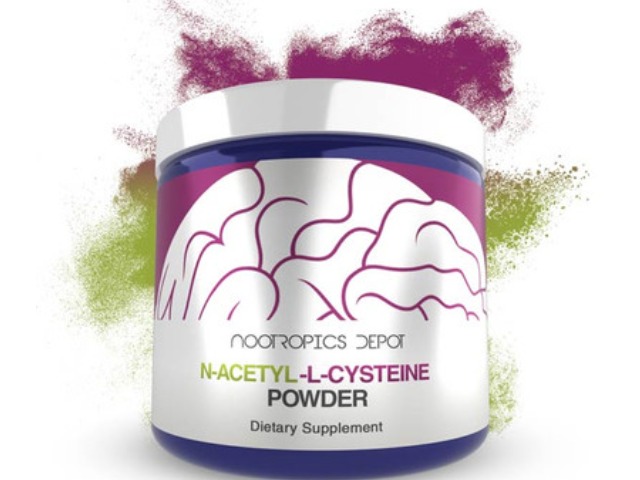
Nobiletin Capsules | 250mg | 20% Extract | Citrus Aurantium by Nootropics Depot
Shop Now →Nobiletin Powder | 20% Extract | Citrus Aurantium by Nootropics Depot
Shop Now →Disclosure: These are affiliate links. I earn a small commission if you purchase — at no extra cost to you. I only recommend products I personally use or have thoroughly researched.
Research & Studies
This section includes 5 peer-reviewed studies referenced in our analysis.