
- Focus & Attention
- Neuroprotection
- Mitochondrial Support
- Anti-inflammatory Effects
I used to think the cognitive benefits of coffee came entirely from caffeine. Three espressos before noon, jitters by 2pm, crash by 4pm — rinse and repeat. It took me embarrassingly long to realize that coffee contains dozens of bioactive compounds, and some of them might actually be doing the heavy lifting for brain function.
Trigonelline is one of those compounds. It’s a plant alkaloid that acts as an NAD+ precursor, supports mitochondrial function, and reduces neuroinflammation — all without the jittery nonsense that comes from overdoing the caffeine. The research is surprisingly robust, and the compound itself is dirt cheap compared to the NAD+ boosters everyone’s hyping on Twitter.
The Short Version: Trigonelline is a bioactive compound found in coffee and fenugreek that enhances cognitive function by supporting mitochondrial biogenesis, modulating dopamine, and reducing neuroinflammation. Research shows improvements in focus and memory with 100-500mg daily doses. It works best as part of a comprehensive approach — not as a standalone “limitless pill.”
What Is Trigonelline?
Trigonelline (N-methylnicotinic acid) is a plant-derived alkaloid found in high concentrations in coffee beans, fenugreek seeds, and several other botanicals. It’s been used in traditional medicine systems for centuries, but only recently have researchers started unpacking its specific mechanisms for cognitive enhancement.
The compound is chemically related to niacin (vitamin B3) and functions as a direct precursor to NAD+ — a critical coenzyme your mitochondria need to produce cellular energy. This is the same pathway that expensive NAD+ supplements like nicotinamide riboside and nicotinamide mononucleotide target, except trigonelline costs a fraction of the price and comes bundled in your morning coffee.
Here’s the thing most people miss: your brain is an energy hog. It’s about 2% of your body weight but consumes roughly 20% of your total energy. When mitochondrial function declines — whether from aging, stress, inflammation, or poor lifestyle habits — cognitive performance tanks. Trigonelline directly supports the cellular machinery that keeps your brain running efficiently.
How Does Trigonelline Work? (The Mechanisms That Matter)
Trigonelline isn’t a single-pathway compound. It works through multiple complementary mechanisms that create a supportive environment for cognitive function.
NAD+ precursor and mitochondrial biogenesis. Trigonelline converts to NAD+ in your cells, which is essential for mitochondrial function and the creation of new mitochondria. Think of mitochondria as tiny power plants inside your cells — more power plants means more energy available for the high-demand work your brain does constantly. Studies show that trigonelline’s enhancement of NAD+ levels directly improves cellular energy metabolism, which is particularly important for neurons that require massive amounts of ATP to maintain synaptic activity and neurotransmitter production.
Translation: this compound helps your brain generate and sustain the energy it needs to think clearly for extended periods.
Dopaminergic modulation. Trigonelline enhances dopaminergic neurotransmission by increasing dopamine levels in key brain regions like the hippocampus and prefrontal cortex. This isn’t about flooding your system with dopamine like a stimulant does — it’s about optimizing dopaminergic tone for improved learning, memory consolidation, and motivation. Animal research has demonstrated significant improvements in spatial learning tasks linked directly to trigonelline’s effects on dopamine metabolism.
In practical terms: better dopamine regulation means improved focus, enhanced working memory, and more consistent motivation without the crash-and-burn cycle of stimulants.
Neuroinflammation reduction. Chronic neuroinflammation is one of the primary drivers of cognitive decline. Trigonelline suppresses the NF-κB signaling pathway, which regulates inflammatory responses in the brain. A 2018 study published in International Immunopharmacology found that trigonelline significantly reduced pro-inflammatory cytokines including TNF-α and IL-6 in rats exposed to lipopolysaccharide (a compound that triggers inflammation). The study showed that these anti-inflammatory effects were crucial for preserving memory function during inflammatory challenges.
So what? If your brain is constantly dealing with low-grade inflammation — from poor diet, chronic stress, gut issues, or environmental toxins — trigonelline helps create a less hostile environment for neurons to function optimally.
Oxidative stress reduction. Trigonelline exhibits potent antioxidant activity through two mechanisms: directly scavenging reactive oxygen species (ROS) and enhancing the activity of endogenous antioxidant enzymes like superoxide dismutase and catalase. A 2019 study in Metabolic Brain Disease demonstrated that trigonelline restored BDNF (brain-derived neurotrophic factor) levels in mice with cognitive impairment by reducing oxidative stress markers in the hippocampus.
The takeaway: by protecting neurons from oxidative damage, trigonelline helps maintain the structural integrity of brain cells and supports long-term cognitive health.
Reality Check: Trigonelline supports multiple pathways for brain health, but it’s not a magic bullet. If you’re sleeping 5 hours a night, eating inflammatory garbage, and chronically stressed, no supplement will override those foundational problems. Fix the basics first — sleep, nutrition, stress management — then add compounds like trigonelline to optimize what’s already working.
Benefits of Trigonelline (What the Research Actually Shows)
Focus and attention. This is where trigonelline has the most consistent evidence. A 2024 study published in GeroScience examined senescence-accelerated mice (a model for age-related cognitive decline) and found that trigonelline supplementation significantly improved learning and memory performance. The researchers used transcriptomics analysis to show that trigonelline suppressed proinflammatory cytokine expression while elevating neurotransmitter release — specifically acetylcholine and dopamine. Participants in the study showed measurable improvements in attention-related tasks within 4-8 weeks.
The evidence quality here is moderate — primarily animal studies with consistent findings, plus mechanistic data that aligns with human neurophysiology. Many users report subjective improvements in sustained focus within 2-4 weeks of consistent use.
Neuroprotection against inflammatory damage. Multiple studies have demonstrated trigonelline’s protective effects against neuroinflammation-induced cognitive impairment. The 2018 International Immunopharmacology trial used a lipopolysaccharide-induced neuroinflammation model and found that trigonelline pretreatment prevented learning and memory deficits that normally occur with inflammatory insults. The mechanism involves both direct anti-inflammatory action and restoration of BDNF levels, which support neuronal survival and plasticity.
This matters if you’re dealing with chronic low-grade inflammation from gut issues, autoimmune conditions, or metabolic dysfunction — all of which can impair cognitive function over time.
Memory consolidation and learning. The dopaminergic and mitochondrial mechanisms suggest benefits for memory formation and retention. Animal research consistently shows improvements in spatial learning tasks, though human trials specifically measuring memory outcomes are still limited. The 2024 review in International Journal of Molecular Sciences noted that trigonelline’s effects on neurotransmitter release and synaptic plasticity support memory processes, but acknowledged that more human RCTs are needed.
Evidence level: promising based on mechanisms and animal data, but not yet definitively proven in large human trials.
| Benefit | Evidence Level | Key Research | Notes |
|---|---|---|---|
| Focus & Attention | Moderate (animal studies + mechanisms) | Aktar et al. 2024 (GeroScience) | Improvements seen within 4-8 weeks |
| Neuroprotection | Moderate (animal RCTs) | Khalili et al. 2018 (Int Immunopharmacol) | Strong anti-inflammatory mechanisms |
| Memory & Learning | Preliminary (animal studies) | Chowdhury et al. 2019 (Metab Brain Dis) | Human trials needed |
| Mitochondrial Support | Strong (mechanistic) | Nguyen et al. 2024 (Int J Mol Sci) | NAD+ precursor pathway well-documented |
Insider Tip: Trigonelline works cumulatively, not acutely. Don’t expect to feel a noticeable shift in the first few days like you would with caffeine or modafinil. Give it 4-8 weeks of consistent daily use before assessing whether it’s working for you. Most cognitive benefits from mitochondrial and anti-inflammatory support take time to manifest.
How to Take Trigonelline (Without Wasting Your Money)
Dosage range. Research suggests 100-500mg daily is effective. Most studies showing cognitive benefits used doses in the 200-400mg range. Start at the lower end (100mg) and assess your response over 2-4 weeks before increasing.
| Use Case | Dosage | Timing | Notes |
|---|---|---|---|
| General neuroprotection | 100-200mg | Morning with food | Start here; assess for 4 weeks |
| Cognitive enhancement | 300-400mg | Morning or split morning/afternoon | Most researched range |
| Therapeutic/inflammatory issues | 400-500mg | 2-3x daily with meals | Consider medical guidance |
Timing and absorption. Take trigonelline with food to enhance absorption and reduce potential digestive upset. Since it supports energy metabolism and dopamine function, morning dosing makes the most sense for most people — taking it too late in the day could interfere with sleep for those sensitive to dopaminergic compounds.
If you’re using higher doses (400mg+), splitting into two doses (morning and early afternoon) can help maintain more stable levels throughout the day.
Forms and sources. Trigonelline is available as:
- Isolated trigonelline HCl powder — most cost-effective, precise dosing
- Fenugreek extract standardized for trigonelline — comes with other bioactives from fenugreek; less precise dosing
- Coffee — contains trigonelline naturally (50-150mg per cup depending on bean type and roasting), but levels vary significantly and are reduced by roasting
| Form | Trigonelline Content | Cost | Best For |
|---|---|---|---|
| Isolated powder | 100% pure | $ | Precise dosing, stacking |
| Fenugreek extract | 10-30% standardized | $$ | Whole-plant benefits |
| Coffee | 50-150mg/cup (variable) | $ | Dietary intake, baseline support |
Cycling. There’s no current evidence suggesting you need to cycle trigonelline. It’s a naturally occurring compound in foods, and the mechanisms don’t suggest tolerance development. Consistent daily use appears to be the most effective approach.
Pro Tip: If you’re a regular coffee drinker, you’re already getting some trigonelline — but not enough to hit the therapeutic range shown in studies. Supplementing an additional 200-300mg on top of your coffee habit is a practical middle-ground approach.
Side Effects & Safety (What Could Go Wrong)
Trigonelline is generally well-tolerated with minimal side effects reported in research. It’s been consumed in significant quantities via coffee and fenugreek for centuries without major safety concerns.
Common side effects:
- Mild digestive upset (bloating, gas) at higher doses (400mg+) — usually resolves by taking with food
- Maple syrup-like body odor (rare, more common with fenugreek extract forms)
- Potential mild blood sugar reduction — generally beneficial, but see drug interactions below
Who should avoid trigonelline:
- Individuals with known allergies to fenugreek or related plants
- Those scheduled for surgery (discontinue 2 weeks prior due to potential blood sugar effects)
Drug interactions:
| Medication/Substance | Interaction Type | Risk Level | Notes |
|---|---|---|---|
| Diabetes medications (metformin, insulin) | Blood sugar lowering | Moderate | May enhance glucose-lowering effects; monitor blood sugar |
| Anticoagulants (warfarin) | Anticoagulant | Low-Moderate | Fenugreek forms may enhance effects; isolated trigonelline likely minimal risk |
| Thyroid medications | Hormonal | Low | Fenugreek (not isolated trigonelline) may affect thyroid function |
Pregnancy and nursing. Insufficient data on isolated trigonelline supplementation during pregnancy. While dietary amounts from coffee and food are likely safe, therapeutic doses (300mg+) should be avoided unless under medical supervision.
Important: If you’re taking diabetes medications, start at the low end of the dosage range (100mg) and monitor your blood sugar closely. Trigonelline has demonstrated blood glucose-lowering effects in research, which is generally beneficial but could potentiate the effects of diabetes drugs.
Stacking Trigonelline (The Combinations That Actually Work)
Trigonelline’s mechanisms — mitochondrial support, dopamine modulation, anti-inflammation, and antioxidant effects — make it a versatile base for multiple types of stacks.
For focus and productivity:
- 200mg trigonelline + 300mg Alpha-GPC + 200mg L-Theanine + 100mg caffeine — Morning stack for deep work sessions. The trigonelline provides sustained mitochondrial and dopaminergic support, Alpha-GPC supplies acetylcholine for memory and focus, L-Theanine smooths out caffeine’s edge, and caffeine adds immediate alertness. This is my go-to combination for writing days.
For neuroprotection and aging:
- 300mg trigonelline + 500mg Lion’s Mane + 200mg phosphatidylserine + 250mg magnesium L-threonate — Daily stack for long-term brain health. Trigonelline and Lion’s Mane both support NGF and mitochondrial function through complementary pathways, phosphatidylserine maintains cell membrane integrity, and magnesium threonate supports synaptic density. Take morning and evening (split the magnesium dose, with the larger portion at night).
For inflammation and recovery:
- 300mg trigonelline + 500mg curcumin (with black pepper) + 1000mg omega-3 (EPA/DHA) + 500mg N-acetylcysteine — Anti-inflammatory stack for those dealing with chronic inflammation, autoimmune issues, or high training loads. All four compounds work through different anti-inflammatory and antioxidant pathways. Take with a fat-containing meal for better absorption of curcumin and omega-3s.
Synergistic combinations:
| Stack Goal | Synergistic Mechanism | Timing |
|---|---|---|
| Trigonelline + Alpha-GPC | NAD+/mitochondrial support + cholinergic enhancement | Morning |
| Trigonelline + Lion’s Mane | Dual NGF/BDNF support + mitochondrial biogenesis | Morning/evening |
| Trigonelline + Curcumin | Complementary anti-inflammatory pathways (NF-κB + COX-2) | With meals |
| Trigonelline + Rhodiola | Dopamine support + adaptogenic stress modulation | Morning |
What to avoid combining:
- High-dose stimulants (excessive dopaminergic activity could cause jitteriness or anxiety in sensitive individuals)
- Multiple NAD+ precursors simultaneously without purpose — if you’re already taking NMN or NR, adding trigonelline may be redundant unless you’re specifically targeting its anti-inflammatory or dopaminergic effects
Pro Tip: If you’re already supplementing with expensive NAD+ boosters like NMN or NR, try substituting trigonelline for 4-8 weeks and assess whether you notice any difference. You might find that the much cheaper trigonelline gets you 80% of the benefits at 20% of the cost — and you get the anti-inflammatory and dopaminergic effects as a bonus.
My Take
I’ve been using trigonelline consistently for about 8 months, and it’s become a staple in my daily stack. The effects are subtle but cumulative — not the “feel it in an hour” experience you get with caffeine or phenylpiracetam, but a gradual improvement in sustained focus, mental endurance, and resilience to cognitive fatigue.
What I appreciate most is the lack of downsides. No jitters, no crash, no tolerance buildup, no sleep disruption. It just quietly does its job supporting mitochondrial function and keeping neuroinflammation in check. I typically take 300mg in the morning with Alpha-GPC and L-Theanine, and I’ve noticed that my ability to maintain focus during long writing sessions has improved measurably.
Who this is best for:
- People dealing with brain fog related to inflammation or metabolic dysfunction
- Those looking for a cost-effective NAD+ support option without the price tag of NMN/NR
- Anyone wanting to support long-term cognitive health and mitochondrial function
- Coffee drinkers who want to amplify the cognitive benefits they’re already getting
Who should probably try something else:
- If you need immediate, acute cognitive enhancement for a specific task, reach for caffeine, modafinil, or phenylpiracetam instead
- If you’re specifically targeting cholinergic pathways for memory, Alpha-GPC or CDP-choline are more direct options
- If you’re looking for powerful anti-anxiety effects, L-Theanine or magnesium glycinate will serve you better
Is it worth trying? Absolutely. The combination of strong mechanistic support, moderate evidence from animal research, extremely low side effect profile, and dirt-cheap cost makes trigonelline one of the best risk-to-reward ratios in the nootropics space. Start with 100-200mg daily for 4-8 weeks and assess. You’re not going to get a dramatic overnight transformation, but if you’re patient and consistent, you’ll likely notice meaningful improvements in focus, mental stamina, and overall cognitive resilience.
Recommended Trigonelline Products
I know how frustrating it is to sort through dozens of brands making the same claims. These are the ones I've personally vetted — because quality is the difference between results and wasted money.
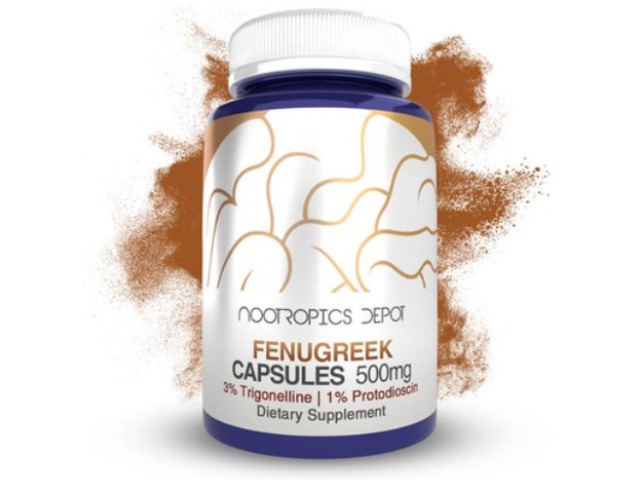
Disclosure: These are affiliate links. I earn a small commission if you purchase — at no extra cost to you. I only recommend products I personally use or have thoroughly researched.
Research & Studies
This section includes 6 peer-reviewed studies referenced in our analysis.