I’ll be straight with you: the testosterone supplement market is one of the most overhyped corners of the health industry. Every other product promises to “skyrocket your T levels” with some proprietary blend, and most of them are expensive placebos. I’ve tried dozens of them over the years while optimizing my own cognitive and physical performance, and the honest conclusion is that the most impactful testosterone interventions aren’t found in bottles — they’re found in your daily habits.
That said, the relationship between testosterone and cognitive function is real and significant. Optimal testosterone levels support mental clarity, motivation, working memory, and stress resilience. Low T doesn’t just affect your gym performance; it affects your ability to think clearly and sustain drive throughout the day. This is why I cover it on a nootropics site — hormonal optimization is cognitive optimization.
The Short Version: Lifestyle factors — resistance training, sleep quality, stress management, body composition, and nutrition — are the primary drivers of natural testosterone production, and no supplement can compensate for deficiencies in these areas. Once your foundation is solid, Ashwagandha (KSM-66), Tongkat Ali, and micronutrient correction (zinc, vitamin D, magnesium) have the strongest evidence for meaningful support. Maca improves libido but doesn’t directly raise testosterone. Always get blood work before assuming you have low T.
The Foundation: Lifestyle Optimization
If you take one thing from this article, let it be this: your lifestyle is the most potent testosterone intervention available. Everything else is supplementary — literally.
Resistance Training
This is non-negotiable. Resistance training, especially compound movements at challenging loads, sends a powerful hormonal signal. Building muscle mass itself is a biological cue for increased testosterone synthesis.
- 3-4 sessions of resistance training per week, focusing on squats, deadlifts, presses, and rows
- 1-2 HIIT sessions for a synergistic dopamine and testosterone boost (see our natural dopamine guide for more on exercise and neurotransmitters)
- Progressive overload — continuously challenging yourself is what drives the hormonal adaptation
I’ve personally found that the days I consistently hit the weights, my mental drive and focus see a noticeable bump alongside the physical benefits. It’s a virtuous cycle.
Body Composition
Here’s the uncomfortable biochemistry: visceral fat tissue contains aromatase, an enzyme that converts testosterone into estrogen. The more excess abdominal fat you carry, the more of your testosterone is being actively converted. Research consistently shows a strong inverse relationship between obesity and testosterone levels.
This isn’t about aesthetics. Even modest fat loss can produce significant improvements in free testosterone. If you’re carrying excess weight, this single change may do more for your testosterone than any supplement.
Sleep Quality
Testosterone production peaks during deep sleep cycles. Consistently getting less than 7-9 hours of quality sleep can dramatically reduce your testosterone. I learned this the hard way during a particularly demanding period — my energy plummeted, my focus suffered, and I felt generally off. When I finally prioritized sleep, the difference was immediate.
- Aim for 7-9 hours of quality sleep per night
- Establish a consistent sleep schedule, even on weekends
- Create a dark, cool, quiet sleep environment
- See our best nootropics for sleep guide for evidence-based sleep optimization
Stress Management
Cortisol has an inverse relationship with testosterone. When cortisol is chronically elevated, testosterone production drops — your body prioritizes survival over reproduction and muscle building. Chronic stress is one of the most common and overlooked causes of low T in men who otherwise have healthy lifestyles.
Adaptogens like Ashwagandha work specifically on this axis, which is why they show up in both testosterone and cognitive optimization protocols. See our adaptogens guide for more.
Nutrition
A well-rounded diet is fundamental to testosterone production. Each macronutrient plays a role: protein provides building blocks for hormones, healthy fats are essential for steroid hormone synthesis (testosterone is literally made from cholesterol), and complex carbohydrates fuel your workouts and maintain energy without excessive insulin spikes.
Key micronutrients for testosterone:
- Zinc: Vital for testicular function and preventing aromatization. Oysters, beef, pumpkin seeds, and legumes are top sources.
- Vitamin D: A pro-hormone crucial for testosterone production. Many people are deficient. Get your levels tested.
- Magnesium: Involved in over 300 enzymatic reactions including testosterone synthesis. Leafy greens, nuts, seeds, and dark chocolate.
- Healthy fats: Avocados, nuts, seeds, olive oil, and omega-3s from fatty fish provide the cholesterol backbone for steroid hormone synthesis.
What to minimize:
- Processed and fried foods — high in inflammatory compounds
- BPA and phthalates from plastic containers — endocrine disruptors that mimic estrogen
- Excessive sugar and refined grains — contribute to insulin resistance and weight gain
- Heavy alcohol consumption — directly impairs testosterone production and increases aromatization
Targeted Supplementation: Support, Not Solution
My philosophy on supplements hasn’t changed: they’re supportive, not foundational. They optimize a system that’s already well-tuned by lifestyle choices. They won’t fix a broken foundation. And always get blood work before assuming your testosterone is low.
Strong Evidence
These supplements have the most compelling research, particularly in individuals who are deficient in specific nutrients or under chronic stress.
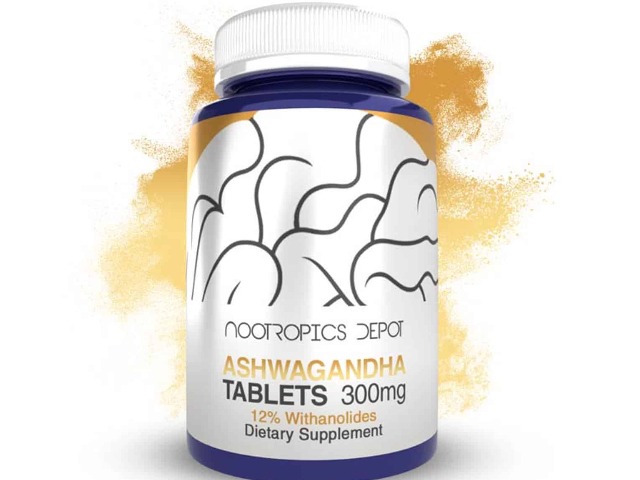
Ashwagandha (Withania somnifera): The strongest evidence is for patented extracts like KSM-66 and Sensoril. Ashwagandha’s primary mechanism is cortisol reduction — by lowering chronic stress hormones, it creates space for testosterone to normalize. Some studies also show direct testosterone-boosting effects. A 2024 randomized, double-blind clinical trial with 80 healthy exercising adults (ages 18-45) found that 300mg ashwagandha twice daily (standardized to 5% withanolides) for 8 weeks produced an 18% greater increase in DHEA-S and a 14.7% greater increase in testosterone compared to placebo. I’ve found it invaluable for managing the everyday stressors that chip away at energy and cognitive drive. See our Ashwagandha substance page for full dosing and safety information.
Tongkat Ali (Eurycoma longifolia): Strong evidence suggests Tongkat Ali increases testosterone concentrations, improves libido, and reduces stress. A 2024 study published in the Tropical Journal of Natural Product Research found that Tongkat Ali extracts increased testosterone secretion by up to 41.1% in laboratory models, and a 6-month randomized, double-blind, placebo-controlled trial confirmed that the combination of Tongkat Ali and concurrent exercise training improved both erectile function and total testosterone levels in men with androgen deficiency of aging (ADAM). Look for standardized extracts like LJ100 or those standardized to eurycomanone (2% or 10%). I’ve personally experienced noticeable improvements in drive and recovery with quality Tongkat Ali. See our substance page.
Vitamin D: If you’re deficient (and statistically, you probably are), supplementing is a straightforward win. Vitamin D is a pro-hormone crucial for numerous bodily functions including testosterone production. Get your 25(OH)D levels tested and aim for 40-60 ng/mL.
Magnesium: Another common deficiency, especially in active individuals. Supplementation has been linked to increased free and total testosterone. Magnesium L-threonate crosses the blood-brain barrier and supports both hormonal and cognitive function — see our complete magnesium guide.
Zinc: For individuals with low zinc status, supplementation (zinc picolinate or glycinate forms) can significantly improve testosterone levels. Athletes and those with restrictive diets are most at risk for deficiency.
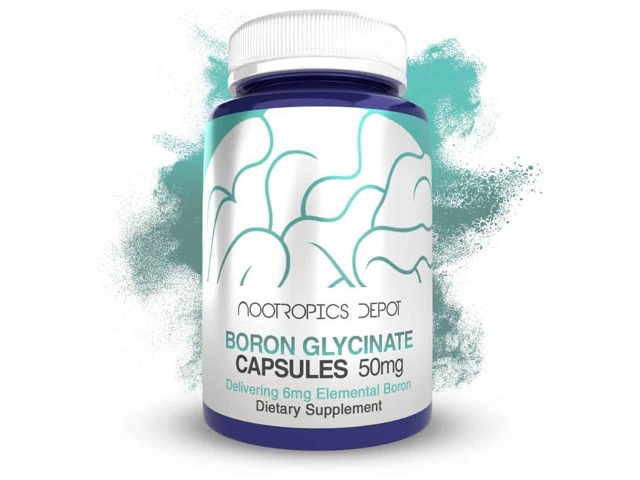
Boron: This trace mineral has interesting research suggesting it may increase free testosterone and reduce estrogen, along with anti-inflammatory properties. Boron glycinate is the best-absorbed form.
Shilajit: An ancient Ayurvedic compound rich in minerals and fulvic acid. A randomized, double-blind, placebo-controlled study found that purified Shilajit at 250mg twice daily for 90 consecutive days significantly increased total testosterone, free testosterone, and DHEA-S compared to placebo in healthy volunteers. A 2024 trial using 500mg/day of a standardized extract further supported these findings, though the overall evidence base remains smaller than for ashwagandha or tongkat ali.
Mixed or Limited Evidence
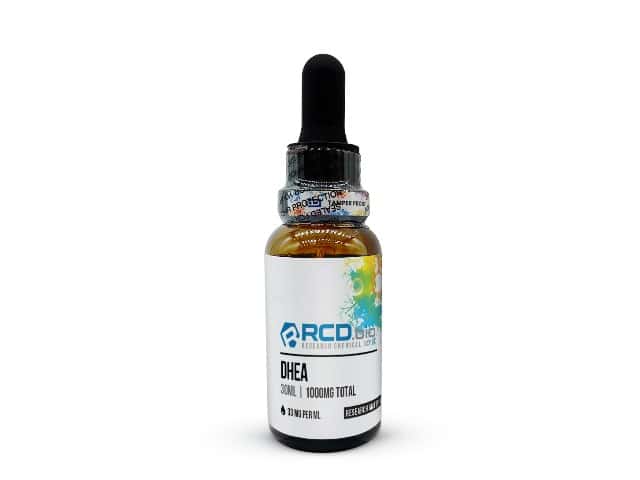
DHEA: A natural precursor to testosterone that declines with age. Supplementation results are highly variable — best used under medical supervision with blood monitoring.
D-Aspartic Acid: Some initial promise, but later research has been mixed, with many studies finding no significant effect in healthy individuals.
Fenugreek: Often sold as Testofen, it may increase free testosterone by inhibiting aromatase. A recent comprehensive review of testosterone-boosting supplements ranked fenugreek alongside tongkat ali and ashwagandha as having the strongest evidence for positive effects on testosterone concentration, with one RCT showing benefits at 600mg daily of standardized extract over 12 weeks. Earlier results were inconsistent, but the evidence has strengthened.
Promising but Limited Human Data
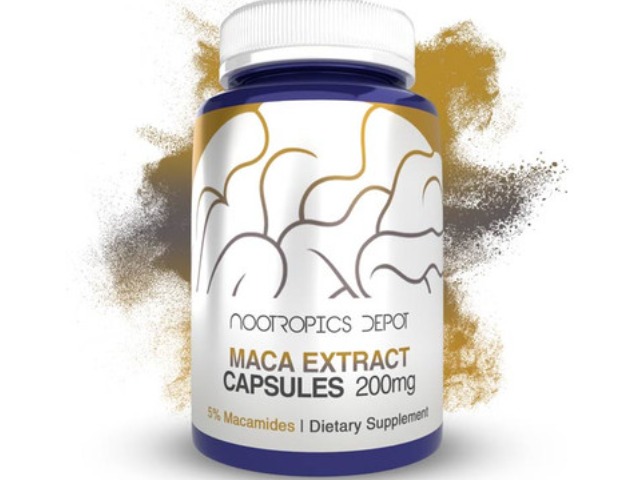
Maca: Reliably improves libido and sexual function, but typically does not directly increase testosterone levels. It appears to work through other mechanisms — still worth considering for its subjective benefits. See our Maca substance page.
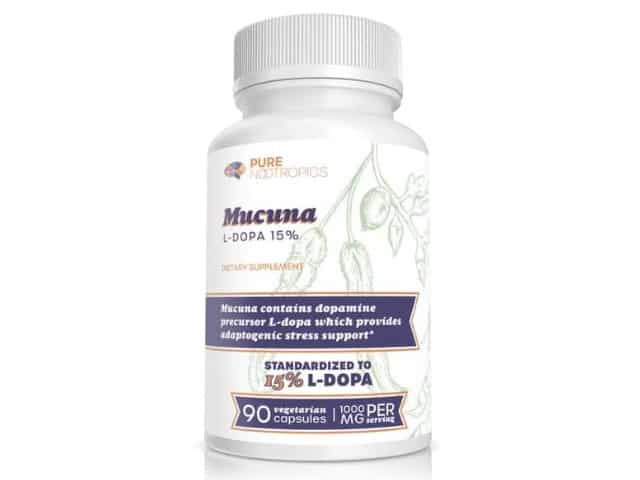
Mucuna pruriens: Contains L-DOPA, which may support reproductive health, but human testosterone data is limited. See our substance page.
Testosterone and Mental Health
The connection between testosterone and cognitive/emotional well-being is well-established. Low testosterone can contribute to:
- Increased irritability, anxiety, and depressive symptoms
- Difficulty with focus and reduced motivation
- Mental fog and decreased working memory
- General lack of drive and confidence
If you’re experiencing several of these alongside physical symptoms (fatigue, loss of muscle mass, decreased libido), get your testosterone levels checked. A comprehensive hormone panel is the starting point — don’t guess, test.
For natural mood support while you’re optimizing, see our best natural mood enhancing supplements guide.
Common Questions
Does smoking increase testosterone? This is a common misconception. While some studies show slightly higher total testosterone in smokers, this is likely due to increased Sex Hormone Binding Globulin (SHBG), which binds testosterone and makes it unavailable for use. Free, bioactive testosterone may actually be lower. More importantly, smoking damages the Leydig cells responsible for testosterone production and harms cardiovascular health. Quitting is one of the best things you can do for your hormonal balance.
Can I increase testosterone naturally at any age? Yes, though the degree of improvement depends on your baseline and age. The lifestyle interventions described above work at any age. Men over 40 may see more modest improvements from lifestyle alone, making targeted supplementation (ashwagandha, tongkat ali, correcting micronutrient deficiencies) more valuable as complementary strategies.
How long until I see results? Lifestyle changes typically show measurable hormonal improvements within 4-8 weeks. Supplements like ashwagandha and tongkat ali need at least 8-12 weeks of consistent use. Get baseline blood work and retest after 3 months.
My Approach
My testosterone optimization protocol centers on the basics:
- Resistance training 4x per week with progressive overload
- HIIT 1-2x per week for the combined dopamine and testosterone benefits
- Sleep 7-8 hours nightly, consistent schedule, dark room
- Stress management through morning routine, exercise, and Ashwagandha (KSM-66, 600mg daily)
- Nutrition focused on adequate protein, healthy fats, and micronutrient density
- Tongkat Ali (200mg LJ100) on training days
- Vitamin D (5,000 IU daily, monitored via blood work) and magnesium before bed
The goal isn’t just a number on a lab report. It’s about how you feel, how you perform cognitively and physically, and how you engage with life. Build the foundation first, supplement strategically second, and partner with healthcare professionals to monitor your progress. The sustainable gains come from consistent, intelligent choices — not magic pills.