I spent years as a vegetarian, and tofu was a staple of my diet for most of that time. Stir-fries, scrambles, smoothies — it went into everything. It seemed like the obvious choice: cheap, versatile, high in protein, and widely available. It wasn’t until I started studying functional nutrition more deeply that I realized the picture is considerably more complicated.
Tofu isn’t bad food. But after working with hundreds of clients — many of them pursuing plant-based diets while trying to optimize cognitive function — I’ve concluded that it’s not the optimal plant-based protein source either. The concerns are real, they’re evidence-based, and there are alternatives that deliver equal or better protein with fewer potential downsides.
The Short Version: Tofu’s protein content is solid, but its high phytoestrogen load can disrupt hormonal balance in sensitive individuals, its anti-nutrient content (phytates, trypsin inhibitors) reduces mineral absorption and protein digestibility, and the vast majority of soy in the US is GMO and heavily sprayed with glyphosate. Better plant-based protein alternatives include legumes (lentils, chickpeas), quinoa, hemp seeds, and pea protein — all of which deliver high-quality protein without soy’s potential downsides. Pairing any plant-based protein strategy with targeted cognitive support from lion’s mane, magnesium, and curcumin optimizes both nutrition and brain health.
The Real Concerns with Tofu
Tofu has been a dietary staple in East Asian cultures for centuries, and it absolutely has nutritional value — it’s a complete protein, low in calories, and contains beneficial minerals. But context matters. Traditional Asian soy consumption typically involves fermented forms (tempeh, miso, natto) in moderate quantities, which is quite different from the highly processed, unfermented soy products that dominate Western diets.
Phytoestrogens and Hormonal Concerns
Tofu contains isoflavones — specifically genistein and daidzein — that are classified as phytoestrogens because they can bind to estrogen receptors in the body. The effects are complex and dose-dependent:
At moderate intake levels, phytoestrogens may have neutral or even mildly beneficial effects. But at the quantities many plant-based eaters consume (multiple servings daily), there are legitimate concerns about hormonal disruption. Some research suggests high soy intake may:
- Influence thyroid function, particularly in individuals with marginal iodine status
- Affect testosterone levels and reproductive health in men (though the clinical evidence here is mixed)
- Interact with estrogen-dependent conditions
The issue isn’t that occasional tofu will wreck your hormones. It’s that relying on tofu as your primary protein source — which many plant-based eaters do by default — creates a consistently high phytoestrogen load that may not be ideal for everyone.
Anti-Nutrients and Digestibility
Soybeans contain several anti-nutritional factors that can reduce the bioavailability of key nutrients:
- Phytic acid (phytates) binds minerals like zinc, iron, calcium, and magnesium, reducing their absorption. For brain health, zinc and magnesium availability are particularly important. See our magnesium guide for why magnesium matters.
- Trypsin inhibitors interfere with protein digestion, reducing the effective protein yield from tofu below what the label suggests
- Lectins and saponins can irritate the gut lining in sensitive individuals, potentially contributing to intestinal permeability
Fermentation significantly reduces these anti-nutrients — which is why traditionally fermented soy products (tempeh, miso, natto) are preferable to unfermented tofu from a nutrient absorption standpoint.
GMO and Pesticide Exposure
In the United States, over 90% of soybeans are genetically modified, and conventional soy is among the most heavily sprayed crops with glyphosate-based herbicides. While the health effects of GMO foods remain debated, the glyphosate exposure is a clearer concern — it disrupts the gut microbiome, the same microbial ecosystem that produces neurotransmitters and maintains the gut-brain axis.
If you do consume tofu, always choose organic, non-GMO varieties to minimize pesticide exposure.
Digestive Issues
Many people experience bloating, gas, or discomfort after eating tofu — often attributed to its oligosaccharide content (raffinose and stachyose) and trypsin inhibitors. If you notice GI distress after soy consumption, your body is telling you something. Gut inflammation from food sensitivities directly impairs cognitive function through the gut-brain axis.
Better Plant-Based Protein Alternatives
The good news: you don’t need tofu to meet your protein needs on a plant-based diet. These alternatives deliver excellent protein profiles with fewer concerns.
Legumes (Lentils, Chickpeas, Black Beans)
Legumes are nutritional powerhouses — high in protein, fiber, folate, iron, and potassium. A cup of cooked lentils provides roughly 18g of protein along with substantial prebiotic fiber that feeds beneficial gut bacteria.
Key advantages over soy:
- No phytoestrogen concerns
- Lower anti-nutrient content (further reduced by soaking and cooking)
- Excellent prebiotic fiber for gut microbiome diversity
- More environmentally sustainable than soy monocultures
Use them in soups, stews, grain bowls, or blended into spreads and dips.
Quinoa
Quinoa is one of the few plant foods that qualifies as a complete protein — it contains all nine essential amino acids in adequate proportions. One cup of cooked quinoa provides roughly 8g of protein along with magnesium, iron, B vitamins, and fiber.
It’s also gluten-free, making it accessible to people with celiac disease or gluten sensitivity. Use it as a base for grain bowls, as a side dish, or in salads.
Hemp Seeds
Three tablespoons of hemp hearts deliver roughly 10g of protein plus an excellent omega-3 to omega-6 ratio. Hemp seeds also provide all essential amino acids, making them a complete protein source. The omega-3 content is particularly valuable for brain health — see our article on omega-3s for brain health.
Sprinkle them on salads, blend into smoothies, or add to oatmeal.
Pea Protein
Pea protein isolate (derived from yellow split peas) has emerged as one of the best plant-based protein powders available. A double-blind RCT found that pea protein supplementation promoted muscle thickness gains comparably to whey protein during resistance training.
Advantages over soy protein:
- Hypoallergenic — far fewer sensitivity and intolerance issues
- Rich in branched-chain amino acids (BCAAs) for muscle recovery
- No phytoestrogen content
- Easily digestible
Pea protein powder blends well into smoothies, oatmeal, and baked goods. It’s also the base protein in many commercial plant-based meat alternatives.
Nuts and Seeds
Almonds, walnuts, chia seeds, pumpkin seeds, and sunflower seeds all contribute meaningful protein alongside healthy fats, minerals, and antioxidants. Walnuts deserve special mention for their ALA omega-3 content and polyphenols that support brain health.
While nuts and seeds alone shouldn’t be your primary protein strategy (the calorie-to-protein ratio is high), they’re excellent supplementary sources that add diversity to your amino acid intake.
Optimizing Brain Health on a Plant-Based Diet
Plant-based diets can absolutely support optimal cognitive function, but they require more intentional planning than omnivorous diets. Key considerations:
Protein adequacy and quality: Aim for 0.7-1g of protein per pound of body weight from diverse sources to ensure complete amino acid coverage. Combine legumes with grains (classic rice and beans) to create complementary amino acid profiles.
Nutrient gaps to monitor:
- B12 — virtually absent in plant foods, supplementation is essential
- Omega-3 DHA — plant sources provide ALA, which converts poorly to DHA. Consider algae-based DHA supplementation. See our omega-3 guide.
- Iron — plant-based (non-heme) iron is less bioavailable; pair with vitamin C to enhance absorption
- Zinc — reduced by phytates; consider supplementation or emphasize zinc-rich plant foods
- Magnesium — critical for over 300 biochemical reactions including brain function; many people are deficient regardless of diet. See our complete magnesium guide.
Targeted cognitive supplementation:
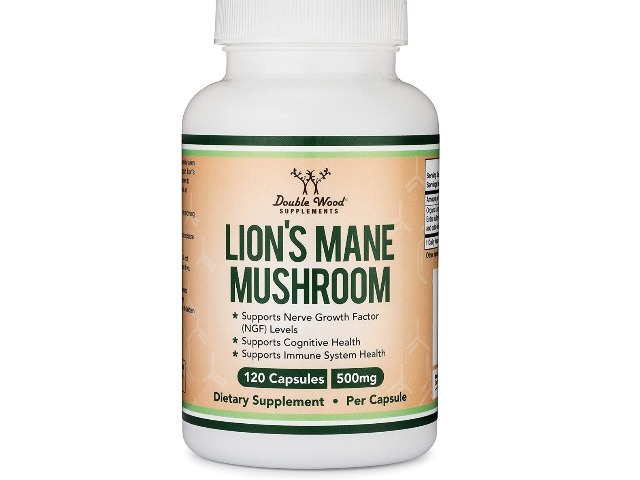
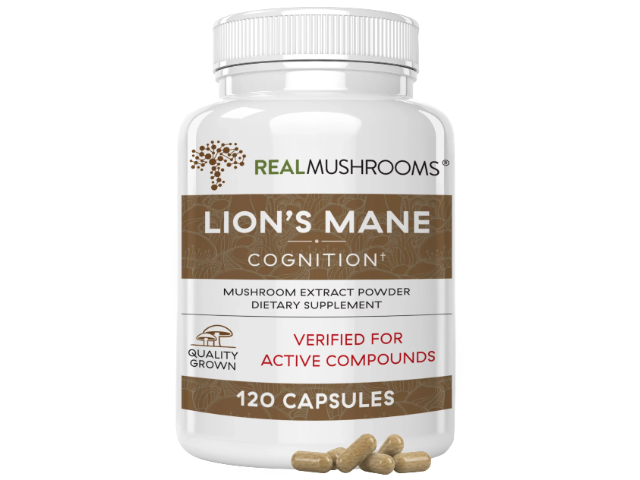
- Lion’s Mane Mushroom — stimulates nerve growth factor and BDNF production, supporting neuroplasticity. A double-blind RCT showed improvement in mild cognitive impairment scores with daily lion’s mane supplementation. See our mushroom nootropics guide.
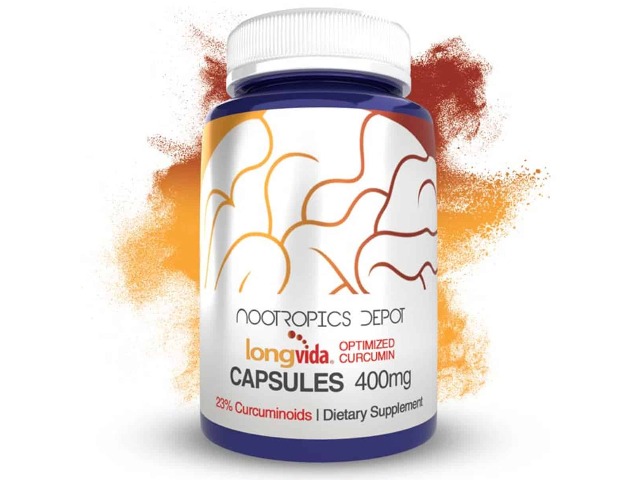
- Curcumin — potent anti-inflammatory and neuroprotective compound; especially important on plant-based diets where systemic inflammation management supports brain health. See our curcumin brain benefits article.
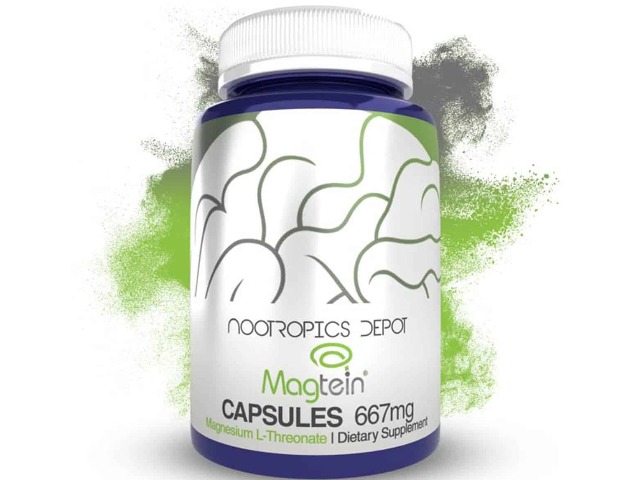
- Magnesium L-Threonate — the only magnesium form demonstrated to significantly raise brain magnesium levels, supporting synaptic plasticity and cognitive function.
For a broader look at cognitive enhancement strategies that pair well with plant-based nutrition, see our best nootropics for studying and focus guide.
FAQs
Is tofu bad for you?
Not inherently. Moderate tofu consumption (a few servings per week), especially from organic/non-GMO sources, is fine for most people. The concern arises when tofu becomes your primary or sole protein source, creating high phytoestrogen exposure and reduced mineral absorption over time. If you enjoy tofu, keep it as one protein source among many rather than your default.
What are the best plant-based protein sources for brain health?
Legumes (lentils, chickpeas), quinoa, hemp seeds, and pea protein top the list. They provide complete or near-complete amino acid profiles, beneficial fiber, and important minerals without soy’s potential concerns. Combining multiple sources ensures full amino acid coverage.
Can I get enough protein on a plant-based diet without soy?
Absolutely. A well-planned plant-based diet incorporating legumes, whole grains, nuts, seeds, quinoa, and pea protein can easily meet protein requirements of 0.7-1g per pound of body weight. The key is variety — no single plant protein needs to do all the heavy lifting.
Is fermented soy (tempeh, miso) better than tofu?
Yes, meaningfully so. Fermentation substantially reduces phytic acid, trypsin inhibitors, and other anti-nutrients while increasing bioavailability of minerals and B vitamins. Fermentation also creates beneficial probiotics. If you want soy in your diet, prioritize fermented forms.
My Take
I’m not anti-tofu, and I’m not anti-soy. But I’ve seen too many plant-based clients default to tofu as their protein cornerstone and end up with suboptimal mineral status, digestive complaints, and — in some cases — hormone-related symptoms. The fix is simple: diversify your protein sources.
Lentils, chickpeas, quinoa, hemp seeds, pea protein, and fermented soy products like tempeh give you everything tofu offers and more, without the concentrated phytoestrogen exposure and anti-nutrient load. Pair that diversified protein strategy with targeted supplementation — lion’s mane for neuroplasticity, magnesium L-threonate for brain mineral status, curcumin for inflammation management — and you have a plant-based nutrition approach that genuinely supports both body and brain.