
- Improved sleep quality via melatonin
- Reduced neuroinflammation
- Enhanced sustained attention
- Reduced mental fatigue
- Mood and serotonin support
I used to think sleep optimization meant melatonin supplements and blackout curtains. Then I discovered that a glass of tart cherry juice before bed worked better than anything I’d tried — and the research backed it up in ways I didn’t expect.
Prunus cerasus isn’t just a sleep aid. It’s one of the most polyphenol-dense foods on the planet, with cascading effects on neuroinflammation, oxidative stress, neurotransmitter balance, and cognitive performance. The Montmorency variety in particular has become a staple in my personal stack, and after digging into the research, I understand why it works.
If you’re dealing with racing thoughts at night, brain fog during the day, or just want a research-backed way to support brain health without exotic compounds, this guide breaks down what tart cherry actually does — and how to use it effectively.
The Short Version: Prunus cerasus (tart cherry) is a polyphenol-rich fruit that supports sleep quality through natural melatonin content, reduces neuroinflammation via anthocyanins, and enhances cognitive function by modulating serotonin and dopamine. Typical dosing is 500-2000mg standardized extract daily or 8-16oz concentrated juice. Effects build over 4-12 weeks of consistent use.
What Is Prunus cerasus? (The Unglamorous Superfood)
Prunus cerasus — commonly known as tart cherry or sour cherry — is a stone fruit native to Europe and Southwest Asia, now cultivated widely across North America. The Montmorency variety accounts for the vast majority of tart cherries grown in the U.S. and is the form most studied in research.
Unlike sweet cherries (Prunus avium), which are bred for dessert appeal, tart cherries are astringent, intensely flavored, and packed with bioactive polyphenols — particularly anthocyanins, the deep-red pigments responsible for most of their biological activity. These compounds don’t just provide antioxidant benefits; they cross the blood-brain barrier and directly modulate inflammatory and neurotransmitter pathways in neural tissue.
Tart cherry has been used traditionally for gout, arthritis, and sleep disorders — applications that align remarkably well with modern research on its anti-inflammatory and melatonin-boosting properties. It’s not a stimulant, not a synthetic nootropic, and not particularly sexy from a marketing perspective. But the clinical evidence for cognitive and neurological benefits is surprisingly robust, especially for sustained attention, mental fatigue, and sleep architecture.
Reality Check: Tart cherry isn’t a cognitive enhancer in the traditional “feel it in an hour” sense. It’s a foundational compound that works over weeks by reducing background inflammation, improving sleep quality, and supporting neurotransmitter balance. If your gut is wrecked, your sleep is nonexistent, and your stress is through the roof, tart cherry won’t fix those problems — but it can absolutely complement the foundational work.
How Does Prunus cerasus Work? (The Polyphenol Cascade)
Tart cherry’s cognitive effects stem from multiple overlapping mechanisms, all driven by its exceptional polyphenol density — particularly anthocyanins like cyanidin-3-glucoside.
The blood-brain barrier crossing. Unlike many plant polyphenols that get metabolized before reaching the brain, tart cherry anthocyanins and their metabolites cross the blood-brain barrier and accumulate in neural tissue. Once there, they modulate inflammatory signaling, scavenge reactive oxygen species, and influence neurotransmitter metabolism.
Neuroinflammation reduction. The anthocyanins in tart cherry inhibit cyclooxygenase (COX) and lipoxygenase (LOX) enzymes — the same targets as NSAIDs like ibuprofen, but through a gentler, multi-pathway mechanism. They also suppress pro-inflammatory cytokines (TNF-α, IL-6, IL-1β) while promoting anti-inflammatory mediators. This is particularly relevant in brain regions like the hippocampus and prefrontal cortex, where chronic low-grade inflammation is linked to cognitive decline, brain fog, and mood disorders.
A 2024 randomized controlled trial in middle-aged adults found that 12 weeks of Montmorency tart cherry concentrate significantly improved sustained attention and feelings of alertness while reducing mental fatigue — effects the researchers attributed to reduced neuroinflammatory signaling and improved cerebrovascular function.
Oxidative stress reduction. Tart cherry’s antioxidant capacity is among the highest of any food, measured by ORAC (oxygen radical absorbance capacity) values. The polyphenols donate electrons to free radicals, stabilizing them before they damage lipids, proteins, or DNA in neural tissue. But they also upregulate endogenous antioxidant enzymes like superoxide dismutase (SOD) and catalase, creating a sustained protective effect rather than just a one-time scavenging action.
The brain is particularly vulnerable to oxidative damage — it consumes 20% of the body’s oxygen despite being only 2% of body weight, and it’s rich in polyunsaturated fatty acids that are easily oxidized. Tart cherry’s dual-action antioxidant mechanism helps protect the structural integrity of neurons and synaptic connections.
Serotonergic and dopaminergic modulation. This is where it gets interesting from a mood and cognition perspective. Tart cherry contains compounds that inhibit monoamine oxidase A (MAO-A), the enzyme responsible for breaking down serotonin and dopamine in synaptic clefts. By reducing the degradation rate of these neurotransmitters, tart cherry effectively increases their availability and duration of action.
The result: improved mood regulation, better stress resilience, enhanced motivation, and sharper focus — without the tolerance buildup or crash associated with direct dopaminergic stimulants. Think of it as turning down the drainage rate of your neurotransmitter pool rather than forcing production higher.
Melatonin content and sleep architecture. Tart cherries are one of the few whole-food sources of melatonin, containing 13.5 ng/g fresh weight in Montmorency varieties. A 2013 study in European Journal of Nutrition found that tart cherry juice significantly increased melatonin levels and improved both sleep duration and quality in adults with insomnia. Participants slept an average of 84 minutes longer per night and reported better subjective sleep quality.
The mechanism isn’t just about exogenous melatonin — the polyphenols also reduce oxidative stress and inflammation that disrupt circadian rhythm regulation, creating a compounding effect on sleep quality.
Pro Tip: The sleep benefits are dose-dependent and cumulative. Acute dosing (one glass of cherry juice) provides some benefit, but consistent daily intake over 2-4 weeks produces significantly stronger effects as polyphenol levels stabilize and inflammation decreases. If you’re using tart cherry for sleep, commit to at least a month before assessing effectiveness.
Benefits of Prunus cerasus (What the Research Actually Shows)
The clinical evidence for tart cherry is surprisingly deep, especially compared to many trendy nootropics with far less human data.
Sleep quality and duration. This is the most well-established benefit. The 2013 Howatson study mentioned above found significant improvements in sleep efficiency, total sleep time, and subjective sleep quality with just 30ml of tart cherry concentrate twice daily. A follow-up analysis showed these effects were mediated by increased urinary melatonin excretion (a marker of elevated melatonin levels) and reduced inflammatory markers.
If you’re dealing with racing thoughts, difficulty falling asleep, or poor sleep continuity, tart cherry addresses multiple upstream causes — low melatonin, neuroinflammation, and oxidative stress — rather than just masking the symptom.
Sustained attention and mental fatigue. The 2024 Kimble study in British Journal of Nutrition is a game-changer for understanding tart cherry as a cognitive tool. Middle-aged adults taking Montmorency tart cherry concentrate for 12 weeks showed significant improvements in sustained attention tasks and reported reduced mental fatigue compared to placebo. Importantly, these weren’t acute effects — they emerged gradually as inflammation decreased and vascular function improved.
The researchers noted parallel improvements in plasma metabolites associated with reduced oxidative stress and enhanced nitric oxide bioavailability, suggesting that tart cherry’s cognitive benefits are mediated partly through better cerebral blood flow.
Mood and emotional resilience. While there aren’t large-scale RCTs specifically targeting mood disorders, the MAO-A inhibition mechanism and the observed improvements in subjective feelings of alertness and mental energy suggest mood-supportive effects. Anecdotally (and in my own experience), consistent tart cherry use seems to smooth out mood variability and reduce stress reactivity — likely through the serotonin-sparing mechanism.
Cardiometabolic and vascular support. A 2021 trial found that 3 months of tart cherry supplementation improved markers of vascular function and reduced systolic blood pressure in middle-aged adults. Better vascular function means better oxygen and nutrient delivery to the brain, which indirectly supports cognitive performance. This isn’t a direct nootropic effect, but it’s part of the broader “foundations first” approach — if your cardiovascular system is compromised, your brain won’t perform optimally no matter what supplements you take.
Neuroprotection and cognitive aging. While most tart cherry studies focus on middle-aged adults, a 2025 randomized trial on dark sweet cherry (Prunus avium, a closely related species) found improvements in cognitive function and circadian rhythm markers in obese adults. The mechanisms — anthocyanin-mediated reduction in neuroinflammation and oxidative stress — are shared across Prunus species, suggesting potential long-term neuroprotective benefits.
| Benefit | Evidence Level | Key Study | Notes |
|---|---|---|---|
| Sleep quality | Strong (RCTs) | Howatson 2013 | 84-minute increase in sleep time |
| Sustained attention | Strong (RCTs) | Kimble 2024 | Effects emerge after 4-12 weeks |
| Mental fatigue reduction | Moderate | Kimble 2024 | Subjective but significant |
| Mood support | Preliminary | MAO-A mechanism | No dedicated RCTs yet |
| Vascular function | Strong (RCTs) | Kimble 2021 | Indirectly supports cognition |
Reality Check: The cognitive benefits of tart cherry are real, but they’re not instantaneous. This isn’t modafinil or caffeine. You won’t feel sharper 30 minutes after drinking cherry juice. The effects accumulate over weeks as inflammation decreases, sleep improves, and neurotransmitter balance stabilizes. If you’re looking for acute cognitive enhancement, combine tart cherry with faster-acting compounds like caffeine or L-theanine.
How to Take Prunus cerasus (Without Wasting Your Money)
Tart cherry is available in several forms, each with different bioavailability and practical considerations.
Forms and bioavailability:
| Form | Bioavailability | Cost | Best For |
|---|---|---|---|
| Juice concentrate | High | $$ | Sleep, acute use |
| Standardized extract (capsules) | Moderate-High | $ | Convenience, travel |
| Freeze-dried powder | Moderate | $$ | Smoothies, versatility |
| Whole fruit (fresh/frozen) | Low-Moderate | $ | Culinary, whole-food purists |
Dosage:
The research uses a wide range, but the most effective protocols cluster around these targets:
| Use Case | Dosage | Timing | Notes |
|---|---|---|---|
| Sleep support | 500-1000mg extract OR 8-12oz concentrate | 30-60 min before bed | Start with lower dose |
| Cognitive/anti-inflammatory | 1000-2000mg extract daily | Split AM/PM with food | Build up over 2 weeks |
| Athletic recovery | 16oz concentrate | Post-exercise | Reduces muscle soreness |
Practical protocol:
- Start low. Begin with 500mg extract or 8oz juice concentrate daily for the first week to assess tolerance.
- With food. Polyphenol absorption improves when taken with dietary fat. I take mine with breakfast and dinner.
- Consistency matters more than dose. Taking 500mg every day for 8 weeks will outperform sporadic 1500mg doses. The anti-inflammatory and neurotransmitter effects are cumulative.
- Cycling isn’t necessary. Unlike stimulants or GABAergics, tart cherry doesn’t produce tolerance. You can use it continuously.
- Watch the sugar. If using juice concentrate, be aware of carbohydrate content. The concentrate is potent but contains natural sugars — if you’re managing blood sugar or on a ketogenic diet, capsules are a better choice.
Insider Tip: I keep both capsules and concentrate on hand. Capsules for daily baseline anti-inflammatory support, concentrate for targeted sleep intervention when stress or travel disrupts my routine. The concentrate is also more versatile — you can mix it into sparkling water, smoothies, or even cocktails (a tart cherry old-fashioned is genuinely excellent).
Side Effects & Safety (What Could Go Wrong)
Tart cherry is remarkably safe, but there are a few considerations.
Common side effects:
- Mild GI upset at higher doses (>2000mg extract or >16oz juice) — typically bloating or loose stools from the high polyphenol and fiber content. Start low and build up.
- Allergic reactions are rare but possible in people with stone fruit allergies (peaches, plums, apricots). If you react to other Prunus species, avoid tart cherry.
Blood sugar considerations:
- Tart cherry juice concentrate contains natural sugars (fructose, glucose). If you’re diabetic, pre-diabetic, or following a strict low-carb diet, use capsules instead or monitor blood glucose response carefully.
Drug interactions:
| Medication/Substance | Interaction Type | Risk Level | Notes |
|---|---|---|---|
| Warfarin/blood thinners | Anticoagulant potentiation | Moderate | Anthocyanins may enhance anticoagulant effects; monitor INR |
| SSRIs/MAOIs | Serotonergic | Low-Moderate | Theoretical serotonin syndrome risk due to MAO-A inhibition; use caution |
| Diabetes medications | Hypoglycemic | Low | Monitor blood sugar if using juice concentrate |
| NSAIDs | Additive anti-inflammatory | Low | Generally safe; may reduce NSAID need |
Who should avoid tart cherry:
- People on therapeutic anticoagulation (warfarin, heparin) without medical clearance
- Those with known stone fruit allergies
- Pregnant/nursing women (insufficient safety data, though food-level consumption is likely safe)
Important: If you’re on blood thinners, do NOT start high-dose tart cherry supplementation without consulting your physician. The anthocyanins have measurable anticoagulant effects, and combining them with pharmaceutical anticoagulants can increase bleeding risk.
Stacking Prunus cerasus (The Combinations That Actually Work)
Tart cherry is a versatile foundational compound that pairs well with multiple goals.
For Sleep & Recovery:
- 500-1000mg tart cherry extract (or 8-12oz concentrate) + 200-400mg magnesium glycinate + 100-200mg L-theanine — 30-60 minutes before bed. The magnesium enhances GABA signaling, L-theanine reduces mental chatter, and tart cherry provides melatonin and anti-inflammatory support. This is my go-to stack after high-stress days or intense training.
For Cognitive Performance & Mental Clarity:
- 1000mg tart cherry extract (AM dose) + 300mg Alpha-GPC + 100mg caffeine + 200mg L-theanine — morning stack. The tart cherry provides baseline anti-inflammatory support, Alpha-GPC supports acetylcholine for memory and focus, and the caffeine/L-theanine combo delivers clean, sustained energy. Take with breakfast for better polyphenol absorption.
For Mood & Stress Resilience:
- 1000-2000mg tart cherry extract (split AM/PM) + 200-400mg Rhodiola rosea + 500mg ashwagandha — daily adaptogenic stack. The MAO-A inhibition from tart cherry supports serotonin/dopamine availability, while Rhodiola and ashwagandha modulate HPA axis stress response. Effects build over 4-8 weeks.
For Neuroprotection & Longevity:
- 1000mg tart cherry extract + 500-1000mg resveratrol + 500mg quercetin — daily polyphenol stack for aging adults. Synergistic antioxidant and anti-inflammatory effects, particularly protective against neurodegenerative processes. Take with fat-containing meal.
What to avoid combining:
- MAOIs (pharmaceutical antidepressants). Tart cherry’s MAO-A inhibition is mild, but stacking with pharmaceutical MAOIs could theoretically amplify effects unpredictably.
- High-dose blood thinners. Monitor closely if combining with warfarin, heparin, or even high-dose fish oil.
| Stack Goal | Combination | Timing | Expected Benefit |
|---|---|---|---|
| Sleep | Tart cherry + Mag glycinate + L-theanine | 30-60 min pre-bed | Faster onset, deeper sleep |
| Focus | Tart cherry + Alpha-GPC + Caffeine/L-theanine | Morning with food | Sustained attention, reduced fatigue |
| Mood | Tart cherry + Rhodiola + Ashwagandha | AM/PM split | Better stress resilience |
| Neuroprotection | Tart cherry + Resveratrol + Quercetin | With fatty meal | Long-term cognitive aging support |
Pro Tip: Don’t underestimate the power of combining tart cherry with basic sleep hygiene and stress management. The supplement amplifies good habits — it doesn’t replace them. If you’re sleeping 5 hours on a broken schedule, drinking tart cherry juice won’t fix it. But if you’re doing the foundational work and still struggling with sleep quality or mental fatigue, tart cherry can be the missing piece.
My Take (Is Tart Cherry Worth It?)
Tart cherry is one of the most underrated tools in the nootropic toolkit. It’s not flashy. It’s not exotic. It doesn’t produce acute, dramatic effects that make for compelling testimonials. But the research is solid, the safety profile is excellent, and the effects — when given time to accumulate — are genuinely meaningful.
I use it personally in two contexts: as a daily baseline anti-inflammatory (1000mg extract with breakfast) and as a targeted sleep aid when stress or travel disrupts my routine (8-12oz concentrate before bed). The sleep effects are noticeable within a few days; the cognitive effects — sharper sustained attention, less afternoon brain fog — took about 6 weeks of consistent use to become obvious.
Who is tart cherry best for?
- People struggling with sleep onset or sleep quality who want a whole-food-based approach
- Middle-aged and older adults looking for neuroprotective, anti-inflammatory support
- Athletes dealing with post-exercise inflammation and recovery issues
- Anyone with chronic low-grade neuroinflammation (brain fog, mood variability, cognitive fatigue)
Who should try something else?
- If you need acute cognitive enhancement, start with caffeine + L-theanine or modafinil.
- If sleep issues stem from anxiety or racing thoughts unrelated to inflammation, magnesium glycinate or L-theanine alone may be more targeted.
- If you’re looking for direct dopaminergic stimulation for motivation and drive, consider L-tyrosine or mucuna pruriens.
The honest assessment: tart cherry isn’t a magic bullet. It’s a foundational tool that works best when combined with good sleep hygiene, anti-inflammatory nutrition, and stress management. But if you’re already doing those things and still dealing with suboptimal sleep, mental fatigue, or cognitive aging concerns, tart cherry is worth the investment. Start with a month of consistent use — 500-1000mg extract daily or 8oz concentrate before bed — and assess from there.
It won’t turn you into a superhuman. But it might help you function like the well-rested, clear-headed version of yourself you remember being.
Recommended Tart Cherry Products
I know how frustrating it is to sort through dozens of brands making the same claims. These are the ones I've personally vetted — because quality is the difference between results and wasted money.
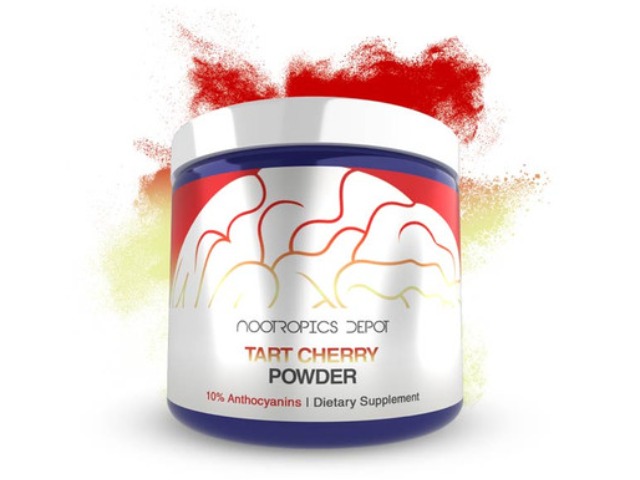
Tart Cherry Extract Powder | Minimum 10% Anthocyanins by Nootropics Depot
Shop Now →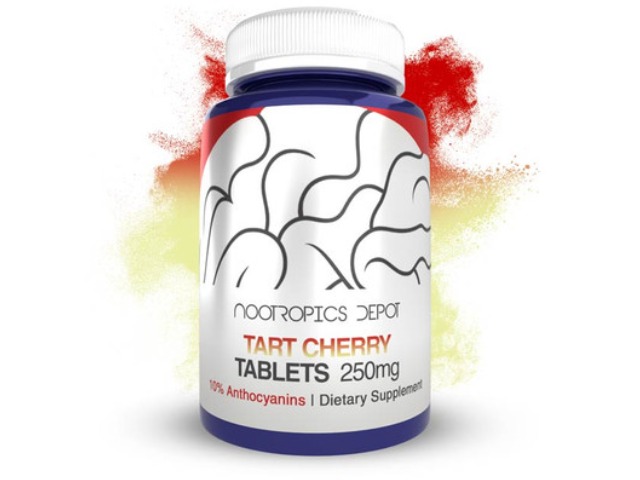
Buy Tart Cherry Extract Tablets by Nootropics Depot
Shop Now →Disclosure: These are affiliate links. I earn a small commission if you purchase — at no extra cost to you. I only recommend products I personally use or have thoroughly researched.
Research & Studies
This section includes 6 peer-reviewed studies referenced in our analysis.