
- Enhances cholinergic function and memory formation
- Supports dopamine production and motivation
- Powerful antioxidant and neuroprotective effects
- Modulates serotonin for mood and stress response
I spent two years chasing exotic nootropics before I realized I was ignoring one of the most researched neuroprotective compounds hiding in plain sight — in sesame seeds. Sesamin is one of those compounds that doesn’t get the hype it deserves, probably because it’s not a synthetic drug with a flashy marketing campaign behind it. But the research? Solid. The mechanisms? Multiple and well-documented. The practical benefits? Real.
If you’ve been struggling with brain fog, motivation issues, or just want a research-backed compound that supports long-term brain health without the jitters or crashes, this guide breaks down everything you need to know.
The Short Version: Sesamin is a lignan compound extracted from sesame seeds that enhances cholinergic and dopaminergic function, reduces oxidative stress, and modulates serotonin activity. Typical doses range from 100-400mg daily with meals. It’s best for people seeking neuroprotection, cognitive enhancement, and mood support through a multi-mechanism natural compound.
What Is Sesamin? (The Sesame Seed Secret)
Sesamin is a lignan — a type of plant compound with potent antioxidant and neuroprotective properties — primarily extracted from sesame seeds (Sesamum indicum). While sesame seeds have been used in traditional medicine for thousands of years, sesamin’s specific cognitive and neuroprotective benefits have only been rigorously studied in the past few decades.
Unlike synthetic nootropics that hit one receptor system hard, sesamin works through multiple complementary pathways: it enhances acetylcholine availability, boosts dopamine synthesis, reduces oxidative damage, and modulates serotonin receptors. This multi-target approach makes it particularly valuable for foundational brain health rather than acute performance hacks.
Here’s the thing most people miss: sesamin isn’t a “take it and feel different in an hour” compound. It’s more like Bacopa Monnieri or Lion’s Mane — the benefits are cumulative, building over weeks of consistent use. If you’re looking for a long-term investment in cognitive resilience and neuroprotection, sesamin is worth serious consideration.
How Does Sesamin Work? (Four Pathways to Better Brain Function)
Sesamin’s cognitive benefits come from its ability to modulate multiple neurotransmitter systems and protect neurons from oxidative damage. Let me break down the four major mechanisms.
Cholinergic Enhancement — Keeping Acetylcholine Active Longer
Sesamin inhibits acetylcholinesterase, the enzyme that breaks down acetylcholine in your synaptic clefts. More acetylcholine hanging around means better signal transmission in brain regions responsible for memory, learning, and attention. Animal studies show that sesamin can restore acetylcholinesterase levels in memory-impaired subjects, leading to measurable improvements in cognitive function.
Think of acetylcholine like a message being passed between neurons. Acetylcholinesterase is the cleanup crew that clears the message after it’s delivered. Sesamin slows down that cleanup crew, allowing the message to stay active longer and be received more reliably. This is the same mechanism used by compounds like Huperzine A and pharmaceutical cholinesterase inhibitors, but with a gentler, more natural modulation.
Dopaminergic Modulation — Turning Up Motivation and Focus
Sesamin enhances dopamine biosynthesis by upregulating tyrosine hydroxylase (TH), the rate-limiting enzyme in dopamine production. This means your brain can produce more dopamine from the same amount of L-Tyrosine precursor. More dopamine synthesis capacity translates to better motivation, improved focus, enhanced reward processing, and more consistent drive.
In plain English: sesamin helps your brain make more of the neurochemical that makes you want to do things and feel good when you accomplish them. It’s not a stimulant — it’s not forcing dopamine release like caffeine or amphetamines. Instead, it’s increasing your brain’s capacity to produce dopamine naturally, which supports sustainable motivation rather than boom-bust cycles.
Oxidative Stress Reduction — Protecting Your Neurons From Damage
This is where sesamin really shines. It works through multiple antioxidant pathways simultaneously:
- Direct NADPH oxidase inhibition: NADPH oxidase is a major source of reactive oxygen species (ROS) that damage neurons. Sesamin directly blocks this enzyme, reducing harmful free radical production at the source.
- Endogenous antioxidant enhancement: Sesamin increases the activity of superoxide dismutase (SOD), catalase (CAT), and glutathione peroxidase (GPx) — your body’s own antioxidant defense systems.
- Lipid peroxidation prevention: By reducing oxidative damage to cell membranes, sesamin helps maintain neuronal integrity and function.
Research shows that sesamin significantly decreases malondialdehyde (MDA) levels — a biomarker of oxidative damage — while simultaneously increasing antioxidant enzyme activity. This dual-action approach makes it particularly effective for long-term neuroprotection.
The practical takeaway: chronic oxidative stress is one of the primary drivers of cognitive decline, brain fog, and neurodegenerative disease. Sesamin addresses this at multiple levels, which is why it’s often combined with other antioxidants like Astaxanthin in clinical research.
Serotonergic Activity — Balancing Mood and Stress Response
Sesamin activates serotonin 5-HT1A receptors, which are distributed throughout the brain and play crucial roles in mood regulation, anxiety modulation, and pain perception. When these receptors are activated, they cause neuronal hyperpolarization — essentially calming down excessive neural firing and promoting a more balanced neurochemical state.
This mechanism contributes to sesamin’s demonstrated anxiolytic (anti-anxiety) and antinociceptive (pain-reducing) effects in research. It’s not sedating like L-Theanine or GABAergic compounds, but it does promote a more stable, balanced mood baseline.
Reality Check: Sesamin isn’t a replacement for foundational health practices. If your sleep is wrecked, your gut is inflamed, or you’re chronically stressed, no supplement — including sesamin — is going to fix that. Address the fundamentals first. Sesamin works best when you’ve already got the basics dialed in.
Benefits of Sesamin (What the Research Actually Shows)
Let’s talk evidence. Sesamin has been studied in both animal models and human clinical trials, with particularly strong research around cognitive function in aging populations and neuroprotection in stress-induced damage models.
Cognitive Function and Memory Support
A 2019 randomized, double-blind, placebo-controlled trial published in the Journal of Alzheimer’s Disease examined a composite supplement containing astaxanthin and sesamin in people with mild cognitive impairment (MCI). Participants taking the sesamin-containing formula for 12 weeks showed significant improvements in cognitive function scores compared to placebo controls.
The study enrolled 60 adults aged 45-75 with documented MCI. The treatment group demonstrated measurable improvements in memory acquisition and retention, with effects becoming statistically significant around the 8-week mark. This aligns with sesamin’s mechanism — it’s building cholinergic capacity and reducing oxidative damage, which takes time to accumulate.
Neuroprotection Against Stress-Induced Damage
A 2020 study in The Journal of Nutritional Biochemistry found that (+)-sesamin significantly attenuated depressive-like behaviors and memory deficits in a chronic unpredictable mild stress (CUMS) model. The researchers noted that sesamin’s benefits were mediated through suppression of neuroinflammation — specifically, it reduced pro-inflammatory cytokines and microglial activation in brain regions associated with mood and memory.
This is huge for anyone dealing with chronic stress (so, basically everyone). Chronic stress triggers inflammatory cascades that damage neurons and impair cognitive function. Sesamin appears to interrupt this process at multiple points.
Synergistic Effects with Other Antioxidants
Multiple studies have combined sesamin with Astaxanthin, and the results suggest genuine synergy. A 2025 study in Metabolic Brain Disease found that astaxanthin nanoemulsion (which included sesamin in the formulation) improved cognitive function and synaptic integrity in an Alzheimer’s disease model. The combination was more effective than either compound alone, likely due to complementary antioxidant pathways and enhanced bioavailability.
| Benefit | Evidence Level | Key Study Details |
|---|---|---|
| Memory & Cognitive Function | Strong (human RCTs) | 60 participants, 12 weeks, significant improvement in MCI patients |
| Neuroprotection | Strong (animal + mechanistic) | CUMS model, reduced neuroinflammation and oxidative damage |
| Mood Support | Moderate (animal studies) | 5-HT1A activation, reduced depressive-like behaviors |
| Antioxidant Activity | Strong (mechanistic) | Decreased MDA, increased SOD/CAT/GPx activity |
Pro Tip: If you’re considering sesamin primarily for cognitive benefits, look for formulations that combine it with astaxanthin or Vitamin E. The research suggests these combinations produce better results than sesamin alone, likely due to complementary antioxidant mechanisms.
How to Take Sesamin (Without Wasting Your Money)
Here’s the practical protocol based on the research and my own experience.
Dosage Guidelines
| Use Case | Dosage | Timing | Notes |
|---|---|---|---|
| General neuroprotection | 100-200mg | Morning with breakfast | Start here for foundational support |
| Cognitive enhancement | 200-300mg | Morning with food | Most research uses this range |
| Therapeutic (stress/inflammation) | 300-400mg | Split into 2 doses (morning + evening) | With meals for absorption |
Start low: Begin with 100mg daily for the first week to assess tolerance. Sesamin is generally well-tolerated, but individual responses vary. If you tolerate it well and aren’t seeing the results you want after 2-3 weeks, increase to 200mg, then 300mg if needed.
Take with meals: Sesamin is fat-soluble, which means it absorbs better when taken with dietary fats. Taking it with breakfast or lunch (assuming these meals contain some fat) will improve bioavailability significantly compared to taking it on an empty stomach.
Timing considerations: Most people take sesamin in the morning because of its dopaminergic and cholinergic effects, which support focus and motivation during the day. However, if you’re using it primarily for neuroprotection and anti-inflammatory effects, splitting the dose (morning and evening) may provide more consistent coverage.
Consistency matters more than quantity: Taking 200mg daily for 12 weeks will produce better results than taking 400mg sporadically. The mechanisms — enhanced neurotransmitter synthesis, reduced oxidative damage, improved antioxidant enzyme activity — are cumulative. You’re building brain resilience over time, not chasing an acute effect.
Insider Tip: Give sesamin at least 8 weeks before evaluating results. This isn’t a stimulant that you’ll feel working in an hour. The benefits are subtle, progressive, and become more noticeable over time. Many users report that they don’t realize how much it’s helping until they stop taking it and notice the difference.
Side Effects & Safety (What Could Go Wrong)
Sesamin has an excellent safety profile in clinical research, with very few reported adverse effects even at higher doses. That said, no compound works perfectly for everyone.
Common side effects (rare, reported in <5% of users):
- Mild digestive upset (nausea, bloating) — usually resolves with food
- Headache — often dose-dependent, reduce if this occurs
- Allergic reactions — possible in individuals with sesame seed allergies
Who should avoid sesamin:
- Anyone with a known sesame allergy (obviously)
- Pregnant or nursing women (insufficient safety data)
- Individuals with hormone-sensitive conditions (sesamin has mild phytoestrogenic activity, though clinical significance is unclear)
Drug interactions:
| Medication/Substance | Interaction Type | Risk Level | Notes |
|---|---|---|---|
| Blood thinners (warfarin, aspirin) | Anticoagulant enhancement | Moderate | Sesamin may enhance anticoagulant effects; monitor INR |
| Antidepressants (SSRIs, MAOIs) | Serotonergic | Low-Moderate | Theoretical risk of serotonin syndrome; monitor for symptoms |
| Blood pressure medications | Hypotensive | Low | Sesamin may lower blood pressure; monitor if combining |
| Statins | Metabolic | Low | Sesamin affects lipid metabolism; generally complementary but inform your doctor |
Important: If you’re on any prescription medications — especially blood thinners, antidepressants, or blood pressure meds — consult your healthcare provider before adding sesamin. The interactions are generally low-risk but worth monitoring.
Long-term safety: Animal studies using doses equivalent to human consumption over extended periods (6+ months) have not shown toxicity or adverse effects on organ function. However, human long-term data beyond 12 weeks is limited. I’d recommend periodic breaks (e.g., 12 weeks on, 2 weeks off) if using sesamin continuously, just as a general precautionary principle.
Stacking Sesamin (The Combinations That Actually Work)
Sesamin plays well with others. Its multi-mechanism profile makes it a versatile addition to several goal-specific stacks.
For Cognitive Enhancement & Focus:
- 200mg Sesamin + 300mg Alpha-GPC + 200mg L-Theanine + 100mg Caffeine
- Timing: Morning with breakfast
- Rationale: Sesamin enhances cholinergic and dopaminergic function, Alpha-GPC provides choline substrate for acetylcholine synthesis, L-Theanine smooths out caffeine’s edge while promoting focus, and caffeine provides acute alertness. This is a well-rounded daily stack for sustained cognitive performance.
For Neuroprotection & Longevity:
- 300mg Sesamin + 12mg Astaxanthin + 200mg CoQ10 + 500mg NAC
- Timing: Morning and evening (split doses)
- Rationale: All four compounds work through complementary antioxidant pathways. Sesamin + astaxanthin has specific research support (see studies above). CoQ10 supports mitochondrial function and reduces oxidative stress. NAC boosts glutathione, your body’s master antioxidant. This stack is for long-term brain health and resilience.
For Mood Support & Stress Resilience:
- 300mg Sesamin + 300mg Rhodiola Rosea + 500mg L-Tyrosine + 400mg Magnesium Glycinate
- Timing: Morning (sesamin, rhodiola, tyrosine) + evening (magnesium)
- Rationale: Sesamin modulates serotonin via 5-HT1A activation, rhodiola is an adaptogen that reduces stress-induced fatigue, L-tyrosine provides dopamine substrate (which sesamin helps convert more efficiently), and magnesium supports overall stress response and sleep quality. This stack addresses mood from multiple angles without sedation.
| Stack Goal | Key Synergies | Expected Timeline |
|---|---|---|
| Focus/Productivity | Cholinergic + dopaminergic + clean stimulation | 2-4 weeks |
| Neuroprotection | Multi-pathway antioxidant coverage | 8-12 weeks |
| Mood/Stress | Serotonergic + adaptogenic + dopamine support | 4-8 weeks |
What to AVOID combining:
- High-dose serotonergic compounds: Combining sesamin with multiple strong serotonin modulators (e.g., 5-HTP + SSRIs + sesamin) increases theoretical serotonin syndrome risk. Use caution and monitor symptoms.
- Excessive stimulants: Sesamin enhances dopamine synthesis capacity, which can amplify stimulant effects. If you’re combining with Modafinil or strong stimulants, start with lower doses of both to assess tolerance.
My Take (Is Sesamin Worth It?)
After experimenting with sesamin for the past 18 months, here’s my honest assessment: it’s one of the best foundational neuroprotective compounds I’ve used, but it requires patience and realistic expectations.
Who sesamin is BEST for:
- People looking for long-term neuroprotection and cognitive resilience, not acute performance hacks
- Anyone dealing with chronic stress, brain fog, or mild cognitive decline (assuming foundations are addressed)
- Users who want a multi-mechanism compound that supports cholinergic, dopaminergic, and antioxidant pathways simultaneously
- Individuals interested in research-backed natural compounds with excellent safety profiles
Who should probably try something else:
- If you need immediate, noticeable cognitive effects within hours, try Caffeine + L-Theanine, Alpha-GPC, or Phenylpiracetam instead.
- If you’re primarily chasing dopamine for motivation, L-Tyrosine or Mucuna Pruriens will give you more direct, noticeable effects.
- If antioxidant support is your main goal and you want something with faster subjective effects, Astaxanthin or NAC might be better starting points.
My protocol: I take 200mg sesamin every morning with breakfast alongside Alpha-GPC and a multivitamin. I’ve noticed gradual improvements in mental clarity, stress resilience, and overall cognitive endurance — the kind of benefits you don’t fully appreciate until you stop taking it and realize how much it was contributing.
The biggest lesson I’ve learned with sesamin: don’t expect fireworks. Expect slow, steady, cumulative improvements in how your brain handles stress, processes information, and maintains function over time. It’s an investment in brain health, not a performance drug.
If that aligns with your goals — and you’re willing to commit to 8-12 weeks of consistent use to evaluate results — sesamin is absolutely worth trying. Just make sure your sleep, nutrition, and stress management are dialed in first. Build on a solid foundation, and sesamin will help you build even higher.
Recommended Sesamin Products
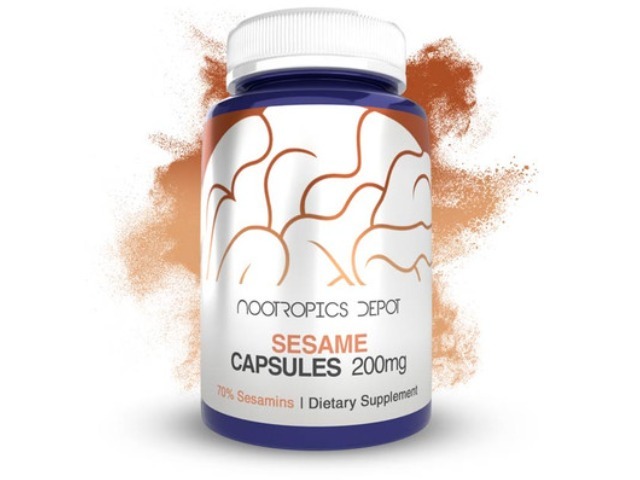
I know how frustrating it is to sort through dozens of brands making the same claims. These are the ones I've personally vetted — because quality is the difference between results and wasted money.
Disclosure: These are affiliate links. I earn a small commission if you purchase — at no extra cost to you. I only recommend products I personally use or have thoroughly researched.
Research & Studies
This section includes 5 peer-reviewed studies referenced in our analysis.