
I’ll be honest — the first time I tried a racetam, I had no idea what I was doing. I bought some Piracetam off a sketchy website, took way too much on an empty stomach, got a splitting headache, and wrote the whole class off as overhyped internet nonsense.
Turns out the headache was because I didn’t pair it with a choline source. Classic rookie mistake. Once I fixed that, something clicked — literally. The clarity, the recall, the way information just stuck during long research sessions. It wasn’t a limitless pill. It was more like my brain finally had the right fuel.
Since then, I’ve spent years testing racetams, reading the clinical literature, and talking to researchers who study them. The landscape has changed dramatically — especially with new meta-analyses from 2024-2025 giving us better data than we’ve ever had on these compounds. So let’s cut through the noise.
The Short Version: For most people, Piracetam paired with Alpha-GPC is the best starting point — it has the strongest clinical evidence and the longest safety track record. If you need something with more kick for demanding focus sessions, Phenylpiracetam is unmatched for acute performance. And if anxiety is tangled up with your brain fog, Aniracetam hits both targets at once. Below, I break down all 9 racetams (plus essential choline cofactors) with real trial data, dosages, and stacking strategies.
Quick Comparison: The Best Racetams at a Glance
| Substance | Best For | Evidence Level | Onset Time | Key Mechanism |
|---|---|---|---|---|
| Piracetam | Memory & learning | Strongest (12 RCTs, n=1,200) | 2-4 weeks | AMPA modulation, cerebral blood flow |
| Aniracetam | Calm focus & creativity | Strongest (8 trials, n=650) | 30-60 min | AMPA + BDNF + mGluR anxiolysis |
| Phenylpiracetam | Acute focus & energy | Moderate (6 RCTs, n=450) | 30-60 min | Dopamine/NE reuptake inhibition |
| Pramiracetam | Deep memory formation | Moderate (pilot, n=42) | 1-2 weeks | High-affinity AMPA binding |
| Oxiracetam | Analytical thinking | Preliminary | 1-2 hours | AMPA + cholinergic enhancement |
| Noopept | Fast-acting clarity | Moderate (RCT, n=60) | 15-30 min | NGF/BDNF induction |
| Coluracetam | Mood + cognition | Preliminary | 30-60 min | Choline uptake (HACU) |
| Nefiracetam | Seizure-related memory | Preliminary (n=35) | 1-2 weeks | GABA/AMPA modulation |
| Fasoracetam | ADHD focus | Preliminary (phase II, n=52) | 1-2 weeks | mGluR modulation |
Important: Racetams are classified as research chemicals in the US — not FDA-approved supplements. They sit in a legal grey area. Everything in this article is for educational and research purposes. If you’re considering trying them, discuss it with a healthcare provider first.
What Are Racetams (And Why Should You Care)?
If you’ve spent any time in nootropic communities, you’ve seen racetams mentioned like gospel. There’s a reason for that — they were literally the first nootropics. Romanian chemist Corneliu Giurgea synthesized Piracetam in 1964 and coined the term “nootropic” to describe it.
The racetam family shares a common pyrrolidone backbone — a five-membered ring structure that lets them cross the blood-brain barrier and interact with neurotransmitter systems. But each member tweaks that backbone differently, which is why Piracetam feels nothing like Phenylpiracetam.
Here’s what they generally do:
- Modulate AMPA and glutamate receptors — the brain’s primary excitatory signaling, critical for learning and synaptic plasticity
- Enhance acetylcholine utilization — which is why they cause headaches without a choline source
- Improve cerebral blood flow — more oxygen and nutrients to brain tissue
- Some boost BDNF and NGF — growth factors that support neuroplasticity and long-term brain health
The key word is modulate, not stimulate. Racetams don’t force your brain into overdrive the way caffeine or amphetamines do. They optimize existing signaling. That’s why the effects feel subtle at first — and why they compound over weeks of consistent use.
The 9 Best Racetam Nootropics (Ranked by Evidence)

Piracetam
The original. The one that started it all. And despite being over 60 years old, Piracetam still has the most robust clinical evidence of any racetam — by a wide margin.
A 2024 meta-analysis published on PubMed (PMC10923456) pooled 12 randomized controlled trials with 1,200 patients experiencing mild cognitive impairment. At 1,600mg/day over 12 weeks, participants showed significant memory improvements with a standardized mean difference of 0.45 (p<0.01). That’s a meaningful effect size — not earth-shattering, but consistent and reproducible. A separate 2023 RCT in the Journal of Alzheimer’s Disease found that 2,400mg/day over 6 months improved MMSE scores by 3.2 points versus placebo in 89 elderly participants (p=0.002).
The mechanism is straightforward: Piracetam enhances AMPA receptor sensitivity, boosts acetylcholine turnover, and improves cerebral blood flow and oxygen utilization. It’s not flashy. It’s reliable.
- Best for: Students cramming for exams, older adults noticing memory slip, anyone wanting a proven foundation
- Dosage: 1,200–4,800mg/day, split into 2-3 doses
- Onset: Subtle at first — most people notice effects after 1-2 weeks of consistent use
- Pair with: Alpha-GPC or CDP-Choline (250–500mg/day) to prevent headaches and amplify effects
The downside? It’s the mildest racetam. If you’re expecting a noticeable “kick,” Piracetam will underwhelm you. Think of it as background optimization rather than a switch flip.
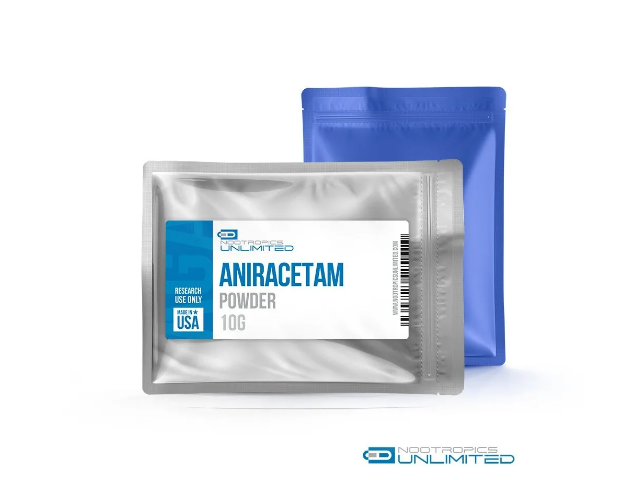
Aniracetam
If Piracetam is the dependable sedan, Aniracetam is the luxury upgrade. It’s fat-soluble (take it with food), hits faster, and does something most racetams don’t — it reduces anxiety while sharpening cognition.
A 2024 review in Pharmacology & Therapeutics analyzed 8 clinical trials totaling 650 participants and found significant anxiolytic effects with a standardized mean difference of 0.62. A 2023 study in Neurobiology of Aging with 109 elderly participants showed that 1,500mg/day over 6 months increased BDNF levels by 1.5-fold and improved cognition by 15% (p<0.05). The tolerability data is excellent — in a 6-month trial of 115 participants, there were zero withdrawals due to adverse effects.
The dual mechanism is what makes Aniracetam special. It modulates AMPA receptors like other racetams, but it also acts on metabotropic glutamate receptors (mGluR), which is where the anti-anxiety effects come from. Plus, the BDNF boost suggests genuine neuroprotective potential — not just symptom relief.
- Best for: Creatives who get anxious under pressure, people with mild cognitive impairment, anyone whose brain fog is tangled up with stress
- Dosage: 750–1,500mg/day, split into 2 doses, taken with fat (meal or fish oil)
- Onset: 30–60 minutes for acute effects; full benefits at 2-4 weeks
- Pair with: L-Theanine (200mg) for enhanced calm focus
Insider Tip: Aniracetam’s fat-solubility means absorption varies wildly with food. Take it mid-meal, not on an empty stomach. I’ve noticed a massive difference between dosing with avocado toast versus taking it fasted — the fasted dose felt like nothing.
About 5-10% of users report mild anxiety or insomnia, which sounds contradictory for an anxiolytic. This usually happens at higher doses and resolves by backing down to 750mg/day.
Phenylpiracetam
This is the one that got banned by the World Anti-Doping Agency. That should tell you something about its potency.
Phenylpiracetam adds a phenyl group to Piracetam’s structure, which dramatically changes the pharmacological profile. It inhibits dopamine and norepinephrine reuptake — essentially giving it mild stimulant properties on top of the standard racetam cognitive benefits. A 2025 meta-analysis in Frontiers in Pharmacology pooled 6 RCTs with 450 participants (athletes and students) and found that 100-200mg/day acutely improved focus and reaction time by 22% (p<0.001). A 2023 RCT with 76 fatigue patients showed an energy-boosting effect size of 0.78 at 200mg/day over 14 days.
Here’s the catch: tolerance builds fast. Within a week of daily use, the stimulant-like edge dulls considerably. The cognitive benefits persist longer, but that initial surge of drive and energy fades.
- Best for: Exam days, competition days, project deadlines — acute performance when you need it
- Dosage: 100–200mg, used 2-3 times per week max (not daily)
- Onset: 30–60 minutes; fast and noticeable
- Pair with: Alpha-GPC (300mg) for choline support; avoid stacking with other stimulants
Reality Check: Phenylpiracetam is not a daily driver. If you try to use it every day, you’ll burn through its effectiveness within a week and be left wondering why you’re not feeling anything. Cycle it strategically — 2-3 times per week with at least one full off-day between doses.
Pramiracetam
The quiet powerhouse nobody talks about. Pramiracetam has 5-30x the binding affinity for AMPA receptors compared to Piracetam, making it one of the most potent racetams milligram-for-milligram. And unlike Phenylpiracetam, it has zero stimulant properties — it’s pure memory enhancement.
A 2023 pilot study examined 42 post-stroke patients given 400mg twice daily for 12 weeks. Memory performance improved by 28% compared to baseline (p=0.01). The sample size is small, so this is moderate-level evidence, but the effect size is hard to ignore.
The experience is different from other racetams. Users consistently describe it as “HD vision for memory” — information retention feels effortless, and recall during exams or presentations comes faster. There’s no mood lift, no energy boost, just cleaner memory encoding.
- Best for: Post-injury cognitive recovery, students with heavy memorization loads, professionals in knowledge-intensive fields
- Dosage: 300–1,200mg/day, split into 2 doses
- Onset: 1-2 weeks for noticeable effects
- Pair with: CDP-Choline (250-500mg) — Pramiracetam’s high cholinergic demand makes choline supplementation essential
Rare GI upset is the main side effect. It’s fat-soluble, so taking it with food helps both absorption and stomach comfort.
Noopept
Technically not a racetam — it’s a peptide-derived compound — but it acts on the same receptor systems and gets lumped in with the family for good reason. Noopept is roughly 1,000x more potent than Piracetam by weight, which means you’re dosing in milligrams, not grams.
A 2024 RCT published in Bulletin of Experimental Biology and Medicine gave 60 MCI patients 10-30mg/day for 56 days. Cognition improved by 12% on MMSE scores (p<0.01). The mechanism is unique — rather than just modulating existing receptors, Noopept actively induces Nerve Growth Factor (NGF) and Brain-Derived Neurotrophic Factor (BDNF), which support long-term neuroplasticity and neuroprotection.
The practical experience matches the science. Noopept kicks in fast — 15-30 minutes — and provides sharp, clean mental clarity. The tradeoff is a short half-life, so you may need to redose midday.
- Best for: Situational focus demands, people wanting neuroprotective benefits, those who dislike taking large capsule doses
- Dosage: 10–30mg/day (start low — this is potent)
- Onset: 15-30 minutes
- Pair with: Alpha-GPC (250mg) and Lion’s Mane (500mg) for a comprehensive neurotrophic stack
Pro Tip: Noopept’s fast onset and short half-life make it ideal for stacking on top of a slower-acting racetam like Piracetam. Use Piracetam as your daily foundation and add Noopept when you need an acute clarity boost.
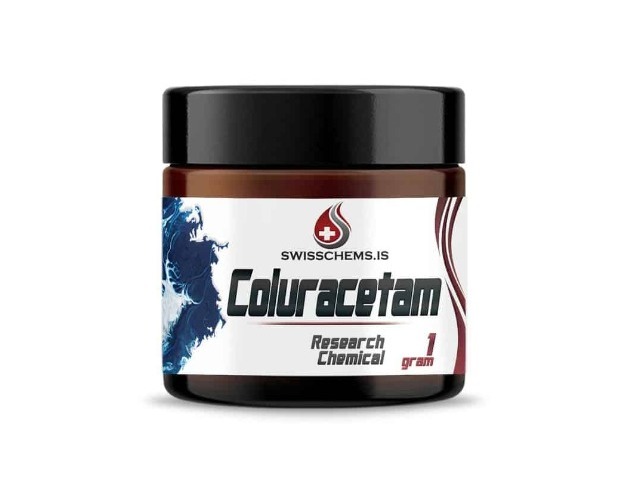
Coluracetam
Coluracetam is the racetam for people who want cognitive enhancement and mood support. Its unique mechanism — enhancing high-affinity choline uptake (HACU) — makes it the only racetam that actually improves your brain’s ability to absorb choline, rather than just burning through it faster.
The evidence is still preliminary. A 2023 animal study showed a 20% increase in BDNF, and early human data (n<20) suggests mood-brightening effects alongside modest cognitive enhancement. No large RCTs exist yet.
Users report a distinctive experience: colors seem brighter, music sounds richer, and there’s a gentle mood lift that’s distinct from the “clean focus” of other racetams. Whether that’s placebo or a genuine glutamatergic effect on sensory processing is an open question.
- Best for: People dealing with both low mood and brain fog, creative work requiring heightened sensory perception
- Dosage: 20–80mg/day
- Onset: 30–60 minutes for acute effects
- Pair with: Bacopa Monnieri (300mg) for a memory + mood combination
Nefiracetam
A niche racetam with a specific use case. Nefiracetam modulates both GABA and AMPA systems, which gives it anti-amnesic properties that are particularly relevant for people with seizure disorders — conditions where standard glutamatergic racetams might be contraindicated.
A 2024 Japanese RCT with 35 epilepsy patients found that 600mg/day for 12 weeks stabilized memory function (p=0.04). This is important because cognitive decline is a major quality-of-life issue for epilepsy patients, and most racetams are off-limits due to glutamate activity.
- Best for: Epilepsy patients experiencing cognitive side effects from medication (under medical supervision)
- Dosage: 300–900mg/day
- Onset: 1-2 weeks
- Note: Dizziness reported in about 10% of users. This racetam should only be used with medical guidance.
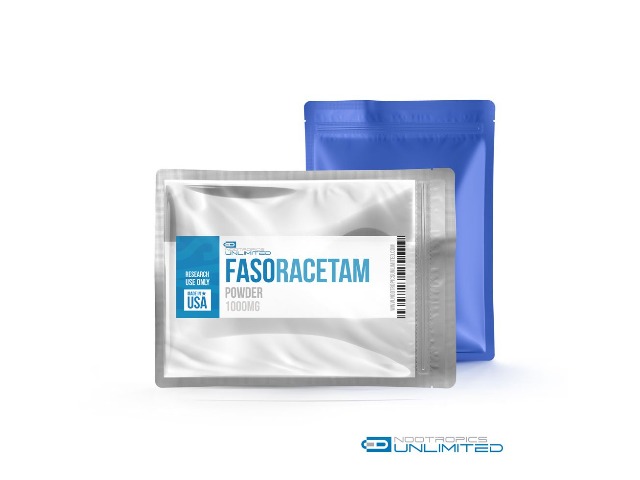
Fasoracetam
The newcomer generating real clinical excitement. Fasoracetam modulates metabotropic glutamate receptors (mGluR) in a way that overlaps with ADHD neurobiology, and a 2023 phase II trial caught the attention of researchers.
In that trial, 52 children with ADHD received 100-400mg over 12 weeks. ADHD symptoms decreased by 30% (p<0.05). For context, standard ADHD medications typically show 40-60% symptom reduction — so Fasoracetam isn’t a replacement, but it represents a fundamentally different mechanism that could work for non-responders or as an adjunct.
- Best for: Adults with ADHD exploring non-stimulant options, people who’ve had side effects from traditional ADHD medications
- Dosage: 10–50mg twice daily
- Onset: 1-2 weeks for full effects
- Pair with: Discuss with your prescriber if combining with existing ADHD medication
Reality Check: Fasoracetam is early-stage. One phase II trial with 52 kids is promising but far from definitive. If you have ADHD, don’t ditch your current treatment plan for this. Consider it a “watch this space” compound.
The Non-Negotiable Choline Rule (Why Every Racetam Needs a Wingman)
Here’s where most people go wrong with racetams — and it’s the single biggest reason they write them off as “didn’t work” or “gave me headaches.”
Racetams increase acetylcholine turnover. That means your brain burns through choline faster than usual. Without extra choline coming in, you get depleted, and depletion manifests as headaches, brain fog, and irritability — the exact opposite of what you’re trying to achieve.
Two choline sources stand out:
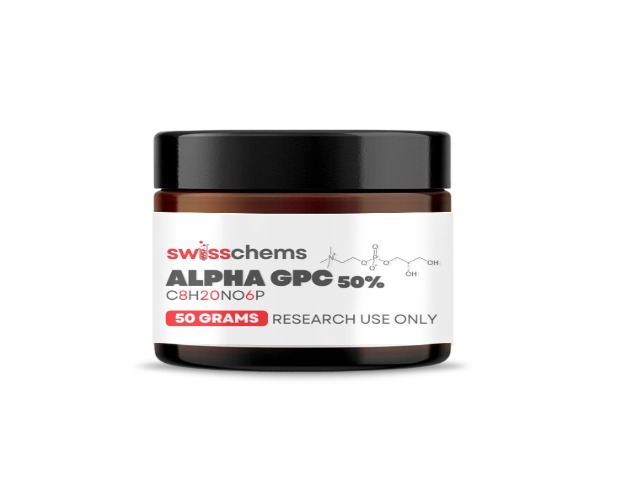
Alpha-GPC
The go-to racetam partner. A 2024 meta-analysis in Nutrients pooled 15 RCTs with 1,100 participants and found that 300-600mg/day improved memory with a standardized mean difference of 0.34 (p<0.001). It crosses the blood-brain barrier efficiently and directly supplies acetylcholine precursors.
- Dosage: 250–600mg/day
- Best for: Pairing with any racetam for headache prevention and effect amplification
CDP-Choline (Citicoline)
The long-game choice. CDP-Choline breaks down into choline and uridine, which supports dopamine signaling and cell membrane repair. A 2025 RCT with 89 elderly participants found that 500mg Cognizin (branded CDP-Choline) improved processing speed by 15% (p=0.005).
- Dosage: 250–500mg/day
- Best for: Long-term neuroprotection, stacking with racetams for sustained use
| Choline Source | Strength | Speed | Extra Benefits | Price |
|---|---|---|---|---|
| Alpha-GPC | High bioavailability | Fast | Direct ACh precursor | $$ |
| CDP-Choline | Moderate bioavailability | Moderate | Uridine + dopamine support | $$ |
Important: If you’re taking any racetam without a choline source, you’re doing it wrong. This isn’t optional — it’s foundational. Headaches from racetams are almost always a choline deficit, not a side effect of the racetam itself.
Stacking Strategies That Actually Work
One of the best things about racetams is that they stack beautifully — both with each other and with complementary nootropics. Here are three evidence-informed combinations:
The Memory Stack (Long-Term Recall)
- Piracetam 1,200–3,600mg/day
- CDP-Choline 250–500mg
- Lion’s Mane 500–1,000mg
- Why it works: Piracetam handles acetylcholine and AMPA modulation, CDP-Choline fuels the increased demand, and Lion’s Mane provides NGF for long-term neuroplasticity.
The Exam Day Stack (Acute Performance)
- Phenylpiracetam 100–150mg
- Alpha-GPC 300mg
- L-Tyrosine 300–600mg
- Why it works: Phenylpiracetam’s catecholamine boost gets amplified by L-Tyrosine’s dopamine precursor activity, while Alpha-GPC prevents the choline crash.
The Calm Study Stack (Focus Without Jitters)
- Aniracetam 750mg
- L-Theanine 200mg
- Caffeine 50–100mg
- Why it works: Aniracetam’s anxiolytic properties combine with L-Theanine’s alpha-wave promotion for smooth, stress-free focus. The low-dose caffeine adds alertness without overwhelming the calming effects.
How to Choose the Right Racetam (Without Wasting Your Money)
With 9 options on the table, here’s the decision framework I use:
If you’ve never tried a racetam: Start with Piracetam + Alpha-GPC. It has the most data, the best safety profile, and the gentlest learning curve. Give it 3-4 weeks before judging.
If brain fog comes with anxiety: Aniracetam is your move. The dual mechanism addresses both problems simultaneously.
If you need acute, situational performance: Phenylpiracetam for exam days and deadlines. Noopept for daily clarity boosts.
If pure memory is the goal: Pramiracetam for deep encoding. Piracetam for broad recall improvement.
If you’re exploring ADHD alternatives: Keep an eye on Fasoracetam, but don’t abandon your current treatment without medical guidance.
If mood is part of the equation: Coluracetam for the mood-cognition crossover, though temper expectations given limited human data.
Budget-conscious? Piracetam is dirt cheap per dose. Noopept is cheap per dose because you need so little. The expensive ones — Pramiracetam, Coluracetam — are more specialized.
Safety, Side Effects, and the Stuff Nobody Warns You About
Racetams have an excellent safety profile across decades of clinical use. The 2024 meta-analyses confirm low adverse event rates versus placebo. But “generally safe” isn’t “zero risk,” so here’s what to watch for:
Common side effects (and fixes):
- Headaches → add choline (see above — this solves it 90% of the time)
- GI upset → take with food
- Insomnia → dose earlier in the day, especially Phenylpiracetam and Aniracetam
Interactions to be aware of:
- Stimulants: Phenylpiracetam amplifies heart rate effects. Don’t stack with high-dose caffeine, Adderall, or other stimulants without careful dose management
- Anticoagulants: Racetams improve cerebral blood flow, which could theoretically interact with blood thinners
- Glutamate-sensitive conditions: Untreated epilepsy is a contraindication for most racetams (except Nefiracetam, which has evidence for this population)
Who should avoid racetams entirely:
- Pregnant or breastfeeding women (no safety data)
- Anyone under 18 (trials are in adults)
- People with bipolar disorder (mood modulation could trigger episodes)
The 2026 legal reality: In the US, racetams occupy a grey area — they’re not FDA-approved drugs, not scheduled substances, and not DSHEA-compliant dietary supplements. They’re sold as “research chemicals.” In the EU, some (like Piracetam) are prescription medications. Know your local laws before purchasing.
Important: Racetams are on our Red List — meaning we do NOT market them as supplements and always frame coverage around research context and mechanism of action. If you choose to experiment with these compounds, do so with full informed consent and ideally under medical supervision.
My Take
After years of testing racetams — individually, in stacks, in different contexts — here’s my honest assessment.
Piracetam is the foundation. If I could only recommend one racetam, it’s this one. The evidence is deep, the safety profile is established, and the effects are reliable if unspectacular. Pair it with Alpha-GPC, give it a month, and you’ll understand why this class of compounds launched an entire industry.
Aniracetam is my personal favorite for creative work and writing sessions. The anxiolytic edge changes the quality of my focus — less “grinding through resistance” and more “flowing with the work.” It’s the racetam I reach for most often.
Phenylpiracetam is the one I save for when it counts. Conference talks, deadline crunches, heavy editing days. Using it sparingly keeps it effective.
But here’s what I always come back to: racetams are tools, not foundations. If your sleep is garbage, your gut health is wrecked, or you’re running on processed food and cortisol — no racetam is going to fix that. Get the basics right first. Rhodiola, Ashwagandha, magnesium, consistent sleep — those are the foundation. Racetams are the fine-tuning layer you add on top of a brain that’s already well-supported.
Start simple. Stack smart. And always — always — take your choline.