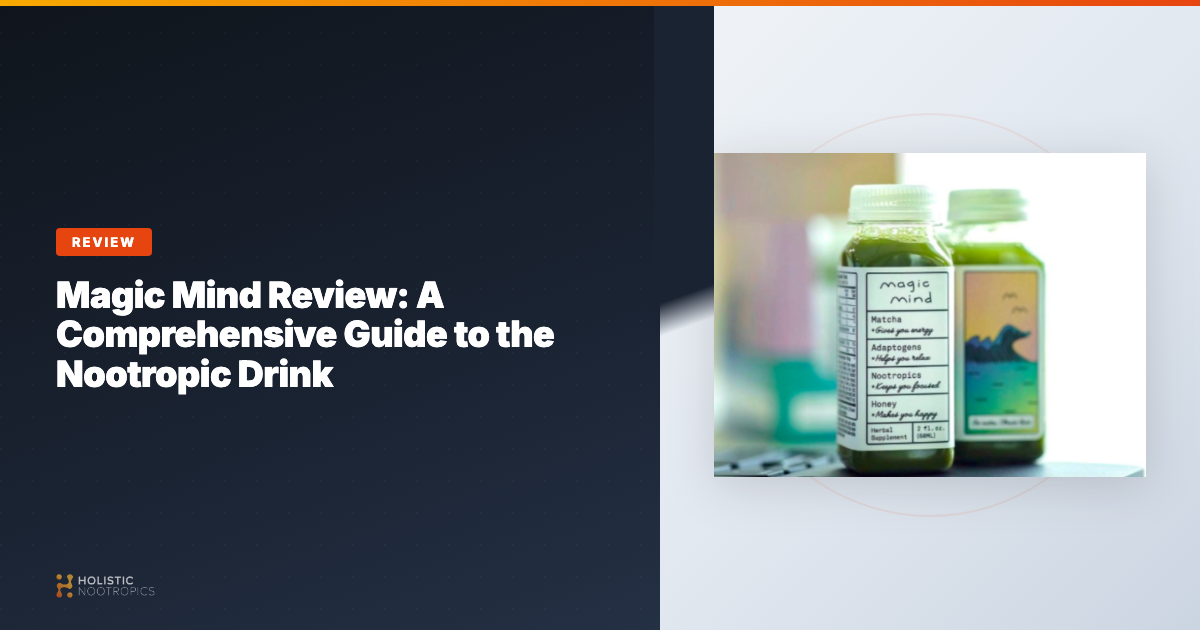
I first heard about Magic Mind on a podcast — probably the same way you did. As someone deep in the nootropics space, a ready-to-drink nootropic shot that combines matcha, adaptogens, and functional mushrooms immediately caught my attention. I’m always interested in products that attempt to replicate what I do manually with individual supplements, because convenience matters for long-term adherence.
After several weeks of daily use, I can say that Magic Mind is a genuinely well-formulated product that delivers noticeable effects — particularly for sustained focus and mood during the workday. It’s not going to replace a carefully optimized individual supplement stack, but that’s not really the point. For most people, it serves as either a solid entry point into nootropics or a convenient daily foundation that you can build on.
It also tastes surprisingly good, which shouldn’t matter but absolutely does for something you’re supposed to drink every single day.
Key Takeaways: Magic Mind is a 2oz nootropic shot containing matcha green tea, L-theanine, Bacopa monnieri, Lion’s Mane mushroom, cordyceps mushroom, turmeric (curcumin), ashwagandha, and several other functional ingredients. The caffeine content is moderate (roughly equivalent to half a cup of coffee from matcha), balanced by L-theanine for smooth, sustained focus. Effects last approximately 5-7 hours. It works best as a daily product taken consistently for at least 7-10 days, as several ingredients (particularly Bacopa and adaptogenic mushrooms) require cumulative use to reach full effect.
What’s In Magic Mind
Magic Mind distinguishes itself from most nootropic products through its ingredient breadth. Rather than focusing on one mechanism (like a pure stimulant or a pure cholinergic), it covers multiple cognitive pathways simultaneously:
Matcha Green Tea provides the caffeine base — roughly 55mg per serving, which is about half a standard cup of coffee. Matcha delivers caffeine alongside naturally occurring L-theanine and the antioxidant EGCG, creating a smoother stimulant profile than coffee from the start.
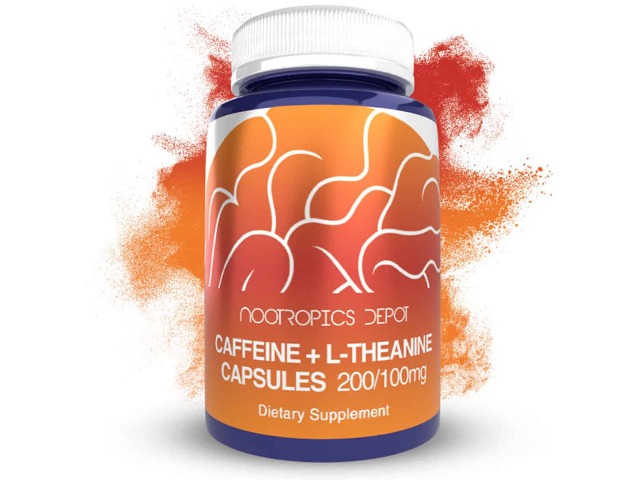
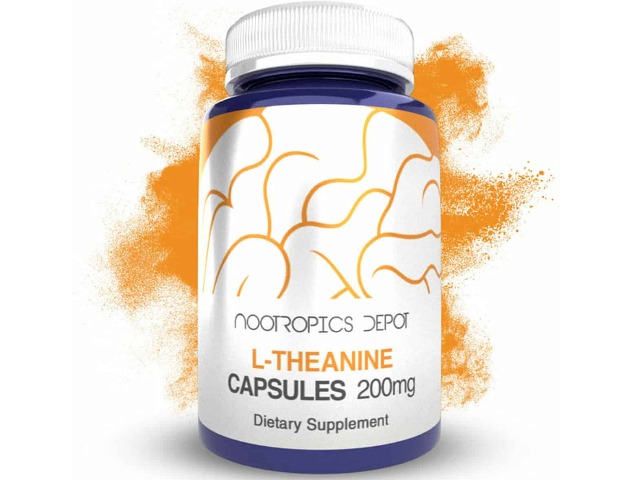
L-Theanine is added beyond what the matcha naturally provides, creating the caffeine-L-theanine synergy that I consider the most well-validated nootropic combination in existence. This pairing enhances focus and attention while eliminating the jittery edge that caffeine alone can produce.
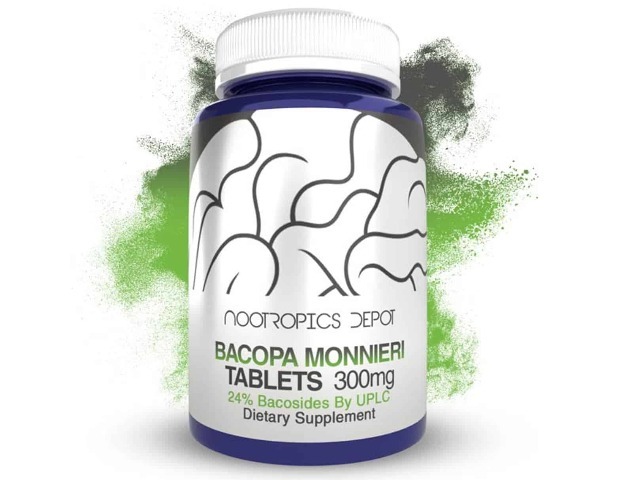
Bacopa Monnieri is an Ayurvedic herb with solid clinical evidence for improving memory, learning, and stress resilience over 8-12 weeks of consistent use. Its inclusion signals that Magic Mind is designed for daily, ongoing use rather than occasional stimulation. See our Bacopa substance page for the full evidence review.
Lion’s Mane Mushroom (Hericium erinaceus) supports nerve growth factor (NGF) production, which underlies neuronal health, repair, and potentially neurogenesis. A 2025 double-blind RCT published in Frontiers in Nutrition tested 1,000mg of Lion’s Mane extract in 40 healthy younger adults and found acute improvements in cognition and mood — notable because prior research had primarily demonstrated benefits in older populations and over longer timeframes. A 2024 comprehensive review in Neuroscience & Biobehavioral Reviews confirmed that Lion’s Mane shows enhancement of mood and cognitive function across the lifespan, with its bioactive metabolites (erinacines and hericenones) stimulating NGF synthesis critical for memory, attention, and spatial navigation. Like Bacopa, Lion’s Mane benefits compound over weeks of consistent use. See our Lion’s Mane article for more detail.
Cordyceps Mushroom is traditionally used for energy and endurance, with research suggesting it supports mitochondrial ATP production and oxygen utilization. For a deeper look at functional mushrooms, see our nootropic mushroom guide.
Turmeric / Curcumin provides anti-inflammatory and neuroprotective benefits. Chronic neuroinflammation is one of the key drivers of cognitive decline, so including an anti-inflammatory agent in a daily nootropic makes strategic sense.
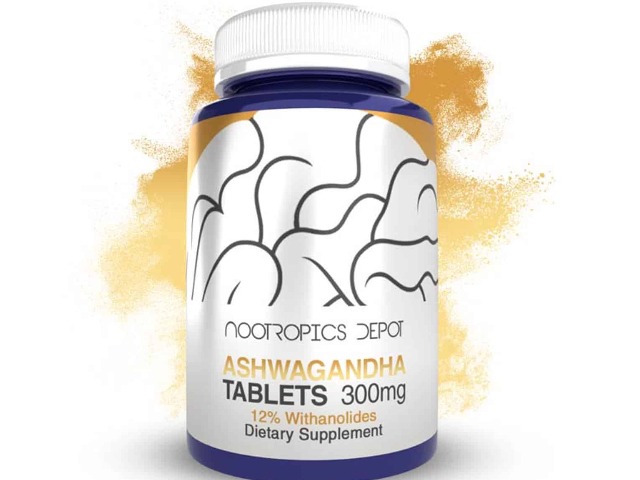
Ashwagandha (Withania somnifera) is a well-studied adaptogen that modulates the cortisol response to stress. A 2025 meta-analysis of 15 RCTs (873 participants) in BJPsych Open confirmed statistically significant reductions in cortisol (p<0.0001), perceived stress (p=0.0013), and anxiety (p=0.0007) with ashwagandha supplementation. In a nootropic context, it prevents stress from undermining the cognitive benefits of the other ingredients.
Organic Honey provides a small amount of natural sugar for palatability and a mild glucose boost that supports brain function alongside the slower-acting ingredients.
My Experience
I tested Magic Mind by drinking one shot each morning, either alongside a small cup of coffee or on its own as a coffee replacement in the late morning or early afternoon. Here’s what I noticed:
Focus and productivity. This is where Magic Mind shines. Within about 30-40 minutes, I experience a smooth, clean sense of focus that’s noticeably different from coffee alone. There’s no jittery edge, no anxious energy — just a calm alertness that makes it easier to settle into deep work. The effects persist for roughly 5-7 hours, which is long enough to carry through a productive workday.
Mood elevation. Subtle but real. I feel more positive, more engaged, and less reactive to minor frustrations during the hours after taking Magic Mind. This is likely a combination of the L-theanine (which promotes alpha wave activity and reduces cortisol), the ashwagandha (stress modulation), and the steady caffeine delivery from matcha.
No crash. This is a significant advantage over coffee, energy drinks, or high-caffeine pre-workouts. The energy decline at the end of Magic Mind’s effective window is gradual rather than abrupt. I attribute this to the L-theanine buffering the caffeine and the absence of the blood sugar spike that often accompanies energy drinks.
Cumulative improvements. After about two weeks of daily use, I noticed that the baseline benefits improved — slightly better focus even in the hours before taking it, more consistent energy throughout the day, and improved stress tolerance. This tracks with the accumulating effects of Bacopa, Lion’s Mane, and ashwagandha, all of which require sustained use to reach peak efficacy. Recent research supports this pattern: a 2024 systematic review of psychobiotic and adaptogenic compounds found that single-ingredient interventions often need 4-12 weeks before measurable cognitive and mood benefits emerge, while the acute caffeine-L-theanine synergy provides immediate effects from day one.
Taste. Genuinely pleasant. A slightly earthy, slightly sweet flavor that’s easy to drink. This matters for compliance — if a daily supplement tastes terrible, you’ll eventually stop taking it regardless of how well it works.
Who It’s Best For
Magic Mind occupies a specific and useful niche in the nootropic landscape:
Nootropic newcomers who want a single, simple product that covers multiple cognitive enhancement pathways without needing to research, source, and dose individual supplements. If the idea of building your own stack feels overwhelming, Magic Mind is a well-designed starting point.
Busy professionals who want reliable cognitive support without managing multiple supplement bottles. The convenience of a single daily shot is genuinely valuable for adherence.
Coffee drinkers looking to reduce caffeine intake while maintaining or improving cognitive performance. Magic Mind can either replace a cup of coffee or complement one, depending on your caffeine sensitivity.
People seeking stress resilience alongside focus. Many nootropic products focus exclusively on stimulation and ignore the stress-resilience side of cognitive performance. Magic Mind’s inclusion of ashwagandha, adaptogenic mushrooms, and L-theanine addresses both.
Limitations
Ingredient amounts are not fully disclosed. Magic Mind lists its ingredients but uses a proprietary blend format for some components, making it difficult to verify whether individual ingredients reach clinically effective doses. This is my primary criticism. For example, Bacopa monnieri typically requires 300-450mg daily for meaningful cognitive effects — and in a small 2oz shot with many ingredients, it’s unclear whether that threshold is met.
Lower caffeine than coffee. If you’re a heavy coffee drinker used to 200-400mg of caffeine daily, Magic Mind’s ~55mg won’t feel like enough stimulation on its own. This is by design (they’re going for smooth focus rather than raw stimulation), but it means you may want to supplement with coffee or additional caffeine initially.
Cost. Magic Mind is subscription-based and not cheap relative to buying individual supplement ingredients. You’re paying for convenience, formulation, and the liquid delivery format. Whether that premium is worth it depends on how you value your time versus your supplement budget.
Requires consistent daily use. Several key ingredients (Bacopa, Lion’s Mane, ashwagandha) need weeks of consistent use to reach full effect. If you take Magic Mind sporadically, you’ll get the caffeine-L-theanine benefits but miss the adaptogenic and neurotrophic effects that make it more than just a fancy matcha shot.
Not a complete stack. Magic Mind covers multiple pathways but doesn’t replace everything a comprehensive nootropic protocol might include. It lacks cholinergic support (alpha-GPC, citicoline), direct dopamine precursors (L-tyrosine), or magnesium for nervous system support. Think of it as a foundation, not a ceiling.
How to Get the Most From Magic Mind
Based on my testing, here are recommendations for optimal use:
Commit to at least 10-14 days of daily use before evaluating effectiveness. The acute caffeine-L-theanine effects are apparent from day one, but the full formula needs time to build.
Take it in the morning or early afternoon. The caffeine content is modest but still present. If you’re caffeine-sensitive, avoid taking it after 2 PM.
Consider your stomach. Most people tolerate Magic Mind fine on an empty stomach, but if matcha on an empty stomach bothers you, have a light meal within 30 minutes before or after.
Start with one shot. If you’re sensitive to caffeine or any of the herbal ingredients, begin with half a serving and work up. This is unlikely to be necessary for most people given the moderate dosing, but it’s a sensible precaution.
Use it as a foundation to build on. If you find Magic Mind works well as a base, you can add targeted supplements to address specific cognitive needs — alpha-GPC for cholinergic support, Rhodiola rosea for additional stress resilience, or phosphatidylserine for cortisol management.
Frequently Asked Questions
Is Magic Mind safe?
Magic Mind is formulated with natural, well-studied ingredients and is generally well-tolerated. However, if you’re taking medications — particularly SSRIs, blood thinners, or blood pressure medications — consult with your healthcare provider before starting, as some ingredients (particularly turmeric and ashwagandha) can interact with certain medications.
How does Magic Mind compare to coffee?
Magic Mind provides roughly half the caffeine of a standard cup of coffee, but the presence of L-theanine, adaptogens, and functional mushrooms creates a qualitatively different experience: smoother onset, longer duration (5-7 hours vs. 3-4 for coffee), no jitters, and minimal crash. It’s less about raw stimulation and more about sustained, balanced cognitive enhancement.
Can I take Magic Mind with coffee?
Yes. Many users (including me) take Magic Mind in addition to a small cup of morning coffee. Just be mindful of your total caffeine intake — the combined amount should stay within your personal tolerance range.
How quickly will I feel effects?
The caffeine-L-theanine component kicks in within 30-40 minutes. The adaptogenic ingredients (ashwagandha, mushrooms, Bacopa) build effects over 7-14 days of consistent daily use.
Are there any side effects?
Reported side effects are uncommon and typically mild — occasional GI discomfort (usually from matcha on an empty stomach) or mild headache during the first few days. If you experience jitteriness, you may be more caffeine-sensitive than average and should try a half serving.
The Bottom Line
Magic Mind is one of the better-designed ready-to-drink nootropic products on the market. It covers a thoughtful range of cognitive enhancement pathways — stimulation, cholinergic modulation, adaptogenic stress support, neuroprotection, and neurotrophin support — in a convenient, good-tasting daily format.
Its main value proposition is convenience and breadth rather than raw potency. If you’re already running a carefully optimized supplement stack, Magic Mind probably won’t replace it. But if you want a single daily product that reliably delivers clean focus, mood elevation, and stress resilience — without the complexity of managing multiple supplements — it’s a strong option.
For me, Magic Mind has earned a spot in my rotation, particularly on days when I want something simpler than my full protocol. It’s a solid foundation for cognitive enhancement, and it pairs well with the individual supplements I use for targeted optimization.
For more on the individual ingredients, check our substance pages for L-theanine, Bacopa monnieri, Lion’s Mane, ashwagandha, and curcumin.