
Important disclaimer: Phenibut is on our Red List — it is not FDA-approved, carries significant addiction and withdrawal risk, and should not be recommended or used recreationally. This article exists solely as a harm reduction resource for individuals who are currently using phenibut and need guidance on safe discontinuation. If you are experiencing phenibut withdrawal, seek medical supervision immediately. This is not medical advice.
I’ve received more messages about phenibut withdrawal than almost any other topic on this site. The pattern is painfully consistent: someone discovers phenibut for its powerful anxiolytic effects, uses it more frequently or at higher doses than intended, develops tolerance, and then faces a withdrawal syndrome that can be genuinely dangerous. This article is for those people — not to encourage phenibut use, but to provide evidence-based guidance on getting off it safely.
Phenibut withdrawal is a serious medical situation. Unlike withdrawing from many supplements, phenibut acts on the same GABA-B receptors as baclofen and shares pharmacological similarities with benzodiazepines and alcohol. Abrupt cessation after sustained use can produce symptoms ranging from severe anxiety to seizures. This is not something to manage alone.
Critical Information: Phenibut is a GABAergic compound with significant addiction potential. Withdrawal can be medically dangerous and should be managed under professional supervision. Tapering is essential — never stop abruptly. Safer alternatives for anxiety and GABA support include L-theanine, ashwagandha, magnesium L-threonate, NAC, and GABA. If you are in acute withdrawal, go to the emergency room.
What Is Phenibut and Why Is Withdrawal Dangerous?
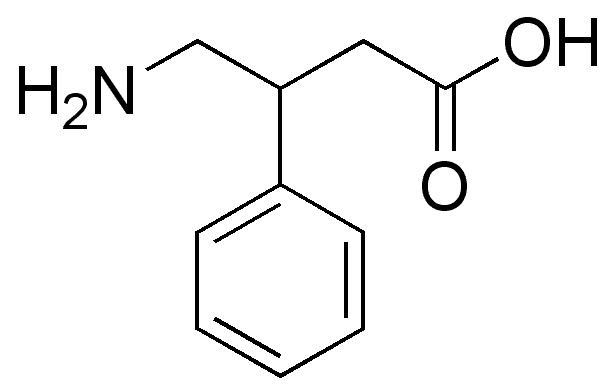
Phenibut (beta-phenyl-gamma-aminobutyric acid) is a synthetic GABA analogue originally developed in Russia in the 1960s for cosmonauts. It crosses the blood-brain barrier more effectively than GABA itself and acts primarily on GABA-B receptors, with secondary dopaminergic activity. At low doses (around 20 mg/kg), it has nootropic effects on cognitive function. At higher doses, it produces strong anxiolytic, sedative, and euphoric effects.
The problem is tolerance. With regular use, the brain downregulates its own GABA receptors to compensate for the external agonism. When phenibut is removed, the brain is left in a state of severe GABA deficiency and glutamate excess — a neurochemical imbalance that produces the withdrawal syndrome. This is the same fundamental mechanism behind alcohol and benzodiazepine withdrawal, which is why phenibut withdrawal can share similar severity.
Because phenibut is not FDA-approved and is sold as a supplement in many countries, many users don’t appreciate the pharmacological gravity of what they’re taking until withdrawal hits.
The clinical data on phenibut withdrawal severity has become substantially clearer in recent years. A 2024 systematic review published in Clinical Toxicology (DOI: 10.1080/15563650.2023.2285702) analyzed 25 case reports and found alarming statistics: seizures were reported in 8% of withdrawal cases, intubation was required in 24%, and ICU admission was necessary in 44% of cases. Withdrawal symptoms occurred as quickly as 2 hours after the last phenibut dose, and 64% of patients showed progression of withdrawal severity within the first 24 hours of healthcare contact. A separate 2024 systematic review in Cureus confirmed these findings across a broader case set, establishing that phenibut withdrawal can be a medical emergency on par with alcohol or benzodiazepine withdrawal.
Phenibut Withdrawal Symptoms
Withdrawal symptoms can range from uncomfortable to life-threatening, depending on dose, duration of use, and individual physiology:
Anxiety, Depression, and Nervousness
The most common and often most debilitating withdrawal symptom. The rebound anxiety can be significantly worse than the original anxiety that led to phenibut use. Changes in dopamine and GABA concentrations also trigger depressive symptoms, with altered neuronal communication causing increased emotional dysregulation.
Sleep Disorders
Melatonin and serotonin levels drop during withdrawal, disrupting the body’s circadian rhythm and producing insomnia. Paradoxically, excessive GABA rebound from prolonged phenibut use can also cause hypersomnia — characterized by extreme daytime sleepiness, difficulty awakening, and cognitive dysfunction.
Intense Cravings
Because phenibut builds tolerance rapidly, the body demands more after cessation. Users frequently report that their previous dose stopped producing the desired effect, leading to dose escalation. If cravings are not properly managed during withdrawal, the cycle deepens.
Reduced Appetite
Appetite changes are common as the body copes with sudden neurochemical shifts. This can exacerbate fatigue and cognitive dysfunction during the withdrawal period.
Muscular Symptoms and Seizures
Altered muscle tone, restlessness, uncontrolled movements, and seizures can occur — particularly with abrupt cessation of high doses. Seizures are the most dangerous withdrawal symptom and are the primary reason medical supervision is essential.
Altered Mental State
Some individuals experience depersonalization, suicidal ideation, and psychotic symptoms during withdrawal. High-dose users who stop abruptly may experience visual and auditory hallucinations, leading to anxiety and paranoia. Clinical reports document decreased consciousness, agitated delirium, and significant behavioral changes in patients admitted for phenibut withdrawal.
Fatigue and Cognitive Impairment
Extreme tiredness is typical. Phenibut’s psychotropic effects alter the neurons governing learning, memory, and attention, and withdrawal produces a period of impaired cognitive function that can persist for weeks.
Safe Discontinuation: Tapering Protocols
Tapering is the single most important strategy for managing phenibut withdrawal. Never stop abruptly.
Recommended Taper Schedules
- Slow taper: Reduce by 50 mg or less per day. This is the safest approach for long-term or high-dose users and minimizes withdrawal severity.
- Standard taper: Reduce by 50-100 mg per day. Appropriate for moderate users under medical supervision.
- Conservative approach: Some clinical resources recommend reducing by approximately 10% of current dose per week, adjusting based on symptom severity.
The key principle: go slowly and listen to your body. If withdrawal symptoms become intolerable at any reduction step, hold at the current dose until symptoms stabilize before reducing further. Drastic decreases accelerate and intensify withdrawal symptoms.
Work with a medical professional who understands GABAergic withdrawal. Bring your phenibut supply to your appointment so your physician can assess the product and help design an appropriate taper schedule. The American Addiction Center has noted baclofen as a potential medical detox aid for phenibut withdrawal, since baclofen acts on the same GABA-B receptors and can provide a smoother transition.
The 2024 Clinical Toxicology systematic review quantified treatment approaches across 25 documented cases: benzodiazepines were the most commonly used medication (68% of cases), followed by baclofen (60% of cases). Baclofen was primarily used in conjunction with GABA-A agonists (80% of baclofen cases) or as monotherapy during a phenibut taper. A general conversion guideline that has emerged: 1 gram of phenibut may be substituted with approximately 10 mg of baclofen. Critically, 76% of patients required at least two drug therapies to manage symptoms adequately.
A 2024 case report published in Case Reports in Psychiatry documented the first detailed successful outpatient management of phenibut withdrawal over 5 months using a baclofen taper with gabapentin and clonidine as adjuncts for anxiety, irritability, blood pressure spikes, and hyperadrenergic symptoms. This case provides a practical model for clinicians managing phenibut withdrawal outside of hospital settings — though it also underscores that even outpatient management requires medical oversight and multi-drug support.
Safer Alternatives for Anxiety and GABA Support
Once you’ve successfully tapered off phenibut, these evidence-based supplements can support GABA function and anxiety management without the addiction risk:
L-Theanine
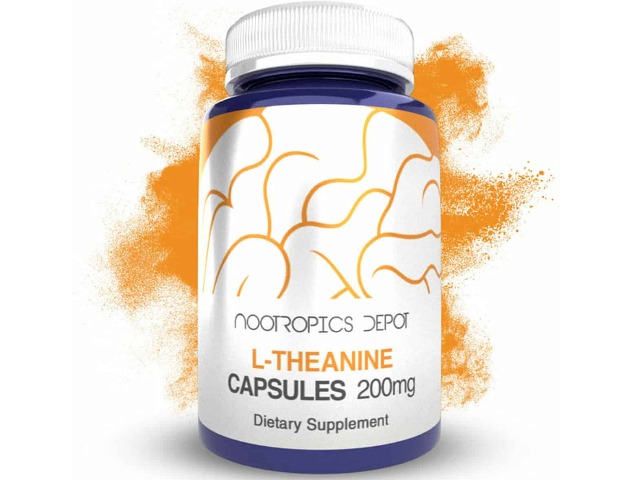
L-theanine is an amino acid from green tea that promotes alpha brain wave generation — a relaxed but alert state. It works synergistically with GABA to promote calm without sedation, reduces stress hormones, and supports sleep quality. Importantly, it has no addiction potential and a strong safety profile. It also shows neuroprotective properties, preventing neuronal death in the hippocampus and mitigating oxidative stress. See our L-theanine substance page and our article on L-theanine and caffeine synergy.
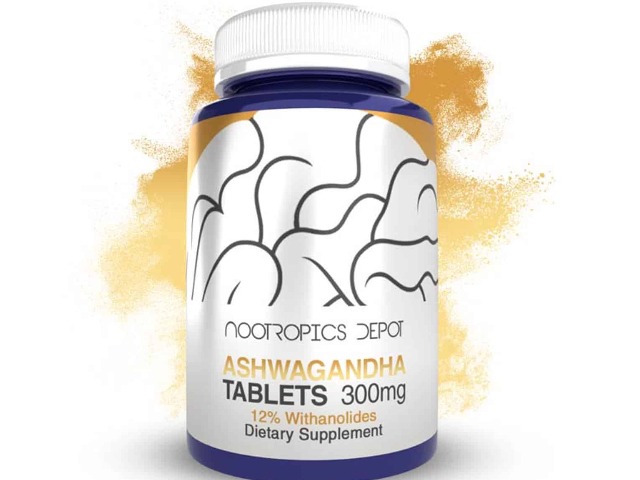
Ashwagandha (KSM-66)
Ashwagandha (Withania somnifera) is an adaptogenic herb with robust research supporting its anti-stress and anxiolytic effects. It modulates the GABA system, has neuroprotective properties, and helps manage cortisol levels. KSM-66 is the most well-studied extract. It’s particularly relevant as a phenibut alternative because it provides GABA-mediated calming without receptor downregulation or dependence. See our ashwagandha substance page.
Magnesium
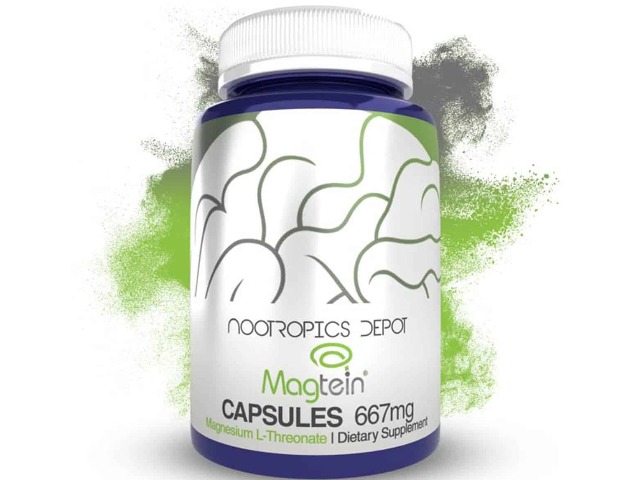
Magnesium is essential for central nervous system function and neurotransmission. Research documents its positive effects as therapy for anxiety and other psychiatric disorders. Magnesium enhances GABA responses and has shown potential as an adjunct to antidepressant therapy. Magnesium L-threonate specifically crosses the blood-brain barrier and is my recommended form for neurological applications. See our complete magnesium guide.
NAC (N-Acetylcysteine)
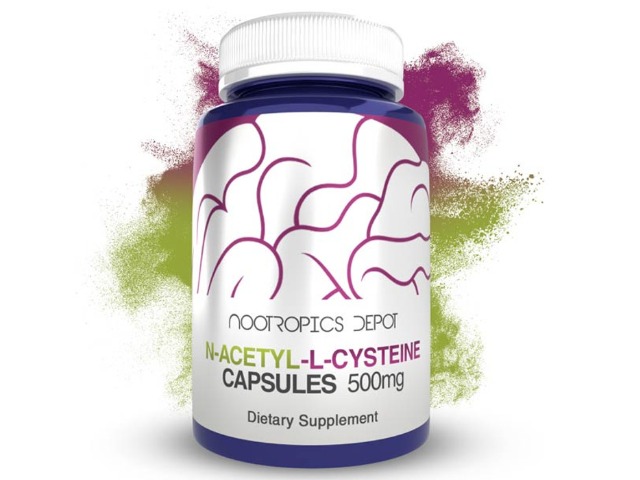
NAC is an antioxidant amino acid with growing evidence for managing addiction and substance withdrawal. It helps regulate glutamate (which becomes dysregulated during GABAergic withdrawal), reduces oxidative stress, supports neuronal repair, and has demonstrated benefits in psychiatric conditions including substance use disorders, OCD, and mood disorders. NAC’s ability to modulate glutamate makes it particularly relevant during phenibut withdrawal, when glutamate excess drives many of the most uncomfortable symptoms.
Taurine
Taurine is essential for brain development and protects against glutamate toxicity — making it directly relevant to the neurochemical imbalance caused by phenibut withdrawal. It supports neuronal function, reduces oxidative stress, and has been shown to stabilize insulin levels and reduce muscular twitching. As a GABAergic modulator that limits glutamate excitotoxicity, taurine can help address some of the core neurochemical disruptions of withdrawal.
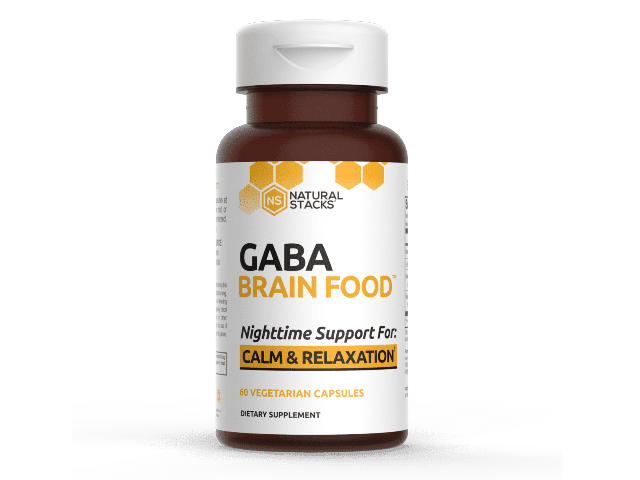
GABA
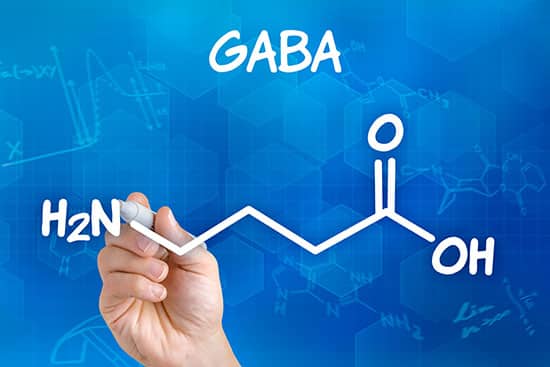
GABA supplementation provides direct support for the inhibitory neurotransmitter system that phenibut artificially stimulates. While oral GABA’s ability to cross the blood-brain barrier is debated, research shows it can increase brain alpha wave activity (associated with relaxed alertness) and may work partly through the gut-brain axis. It’s a much safer approach to supporting GABAergic function than phenibut. See our article on optimizing GABA for anxiety and sleep.
Supportive Lifestyle Practices
Beyond supplementation, these practices support GABA production, stress resilience, and recovery during and after withdrawal:
Yoga and Meditation

Yoga and meditation improve serotonin and GABA levels while reducing cortisol. Both activate the parasympathetic nervous system and support neurological rebalancing. Research also supports meditation’s effectiveness in managing substance withdrawal symptoms specifically.
Gut Health and Probiotics
A healthy gut microbiome directly influences GABA, serotonin, and dopamine production through the brain-gut axis. Probiotics have shown improvements in anxiety, depression, and neurological conditions. During withdrawal, supporting gut health with fermented foods and targeted probiotic supplementation can help restore neurotransmitter balance.
Blood Sugar Stabilization
Blood sugar dysregulation worsens anxiety and mood instability. Research demonstrates strong links between glycemic control and psychiatric symptom severity. During withdrawal, maintaining stable blood sugar through regular balanced meals, adequate protein, and limiting refined carbohydrates can meaningfully reduce anxiety symptoms. See our article on the best natural alternatives to metformin.
Heart Rate Variability Training
Devices like the Apollo Neuro wearable can help activate the parasympathetic nervous system through gentle vibration patterns, improving heart rate variability — a key marker of stress resilience and autonomic nervous system health.
Factors That Worsen Withdrawal
Concurrent Alcohol Use
Alcohol acts on the same GABA system and clinical reports show that alcohol use prolongs and intensifies phenibut withdrawal symptoms. Avoid alcohol entirely during the tapering and withdrawal period.
Other Recreational Substances
Using other drugs during phenibut withdrawal magnifies symptoms and can produce severe complications including aggressive behavior, intense hallucinations, and suicidal ideation.
When to Seek Emergency Help
Go to the emergency room immediately if you experience:
- Seizures or convulsions
- Suicidal thoughts or self-harm ideation
- Severe hallucinations or psychosis
- Extreme agitation or delirium
- Loss of consciousness
Bring your phenibut container with you so your medical team can assess the product and its contents.
Final Thoughts
Phenibut withdrawal is one of the more serious situations in the nootropic and supplement world. The compound’s availability as a “supplement” belies its pharmacological potency and genuine addiction risk. If you’re currently using phenibut and want to stop, the most important steps are: work with a medical professional, taper slowly, support your neurochemistry with safer supplements, and be patient with the recovery process.
For long-term anxiety management without the risks of phenibut, I strongly recommend exploring the natural anxiolytics covered in our best nootropics for anxiety guide and our article on nootropics for social anxiety. There are effective, non-addictive options that support your GABA system without the devastating withdrawal potential.
Recovery takes time, but with proper support and a gradual approach, it is absolutely achievable.