
- Enhanced memory and learning through acetylcholine support
- Reduced brain inflammation and oxidative stress
- Neuroprotection and neurogenesis promotion
- Improved cognitive function in aging populations
Four years into experimenting with nootropics, I realized I’d been overlooking one of the most well-researched compounds hiding in plain sight. It wasn’t some exotic peptide or experimental racetam—it was a polyphenol found in the rosemary sitting in my spice cabinet.
Rosmarinic acid turned out to be one of those rare compounds where the traditional use, the mechanism research, and the human clinical data all point in the same direction: this stuff actually works for brain health. And unlike a lot of trendy nootropics, it’s been studied extensively enough that we know why it works.
The Short Version: Rosmarinic acid is a polyphenolic antioxidant found in rosemary, lemon balm, and sage that enhances acetylcholine levels, reduces brain inflammation, and promotes the growth of new neurons. Studies show 100-500mg daily doses improve memory, learning, and cognitive function—especially in older adults—with effects building over 8-12 weeks. It’s not an overnight fix, but the research backing is solid.
What Is Rosmarinic Acid? (The Polyphenol You’ve Been Ignoring)
Rosmarinic acid (RA) is a naturally occurring ester of caffeic acid and 3,4-dihydroxyphenyllactic acid—which sounds complicated until you realize it just means it’s a plant compound with powerful antioxidant and anti-inflammatory properties. It’s found in high concentrations in herbs from the Lamiaceae family: rosemary, lemon balm, sage, basil, thyme, and peppermint.
Traditional herbalism has long used these plants for memory and mood support. Rosemary was famously known as the “herb of remembrance” in ancient Greece. What’s fascinating is that modern neuroscience is now explaining why those traditional uses weren’t just folklore—rosmarinic acid hits multiple pathways critical for cognitive function.
People use rosmarinic acid today primarily for cognitive enhancement, neuroprotection, and as part of anti-aging protocols. It’s particularly popular among older adults looking to maintain cognitive sharpness, but younger biohackers are catching on to its neurogenesis-promoting effects. The compound works through at least four distinct mechanisms: cholinergic enhancement, neuroinflammation reduction, oxidative stress protection, and activation of BDNF-mediated neurogenesis.
Reality Check: Rosmarinic acid isn’t a “feel it in 30 minutes” stimulant like caffeine. This is a foundational compound that works cumulatively. If your sleep is wrecked, your gut is inflamed, and you’re chronically stressed, adding RA won’t magically fix your brain fog. But if you’re building on solid foundations, it’s one of the most research-backed neuroprotective compounds available.
How Does Rosmarinic Acid Work? (Four Pathways to Better Brain Function)
Here’s where rosmarinic acid gets interesting—it doesn’t just do one thing. It hits your brain from multiple angles simultaneously.
The acetylcholine connection. Rosmarinic acid is a potent inhibitor of acetylcholinesterase (AChE) and butyrylcholinesterase (BuChE)—the enzymes responsible for breaking down acetylcholine in your brain. By inhibiting these enzymes, RA effectively increases acetylcholine availability in critical regions like the frontal cortex and hippocampus. Acetylcholine is your brain’s primary neurotransmitter for learning, memory formation, and attention. Research shows that RA reverses scopolamine-induced memory impairment in animal models, which is the gold-standard test for cholinergic enhancement.
Translation: Rosmarinic acid helps keep your “memory neurotransmitter” around longer, which is why it shows up consistently in memory and learning studies. This is the same mechanism targeted by prescription Alzheimer’s drugs like donepezil—but with a better safety profile.
The BDNF/neurogenesis pathway. This is where rosmarinic acid moves beyond simple symptom management into actual brain remodeling. RA activates the BDNF/TrkB/CREB signaling cascade, which is essential for growing new neurons in the adult hippocampus. Brain-derived neurotrophic factor (BDNF) is like fertilizer for your brain—it promotes the growth, survival, and differentiation of neurons and synapses.
A 2023 study in Nutrients found that aged mice given rosmarinic acid showed significant improvements in cognitive abilities alongside enhanced glucose metabolism, with researchers noting sex-dependent effects on metabolic markers. The cognitive improvements correlated with increased neuroplasticity markers in the hippocampus—the brain’s memory center.
In plain English: Rosmarinic acid doesn’t just protect your existing brain cells; it helps grow new ones and strengthen the connections between them. This is a long-term investment in cognitive reserve, not a quick fix.
The anti-inflammatory shield. Chronic neuroinflammation is increasingly recognized as a driver of cognitive decline. Rosmarinic acid significantly suppresses the production of pro-inflammatory cytokines—TNF-α, IL-6, and IL-1β—in brain tissue. It also modulates microglial activation and inhibits the NF-κB pathway, which is central to inflammatory signaling in the central nervous system.
Multiple studies show RA’s anti-inflammatory effects extend beyond simple cytokine suppression. It modulates the entire inflammatory cascade, reducing the chronic low-grade inflammation that accelerates brain aging. This is particularly relevant for anyone dealing with brain fog, post-infection cognitive issues, or age-related cognitive decline.
The antioxidant defense system. Your brain uses 20% of your body’s oxygen despite being only 2% of your body weight. That metabolic intensity generates a lot of oxidative stress—reactive oxygen species that damage cellular machinery. Rosmarinic acid acts as both a direct free radical scavenger and an enhancer of your endogenous antioxidant enzyme systems.
Research demonstrates that RA neutralizes nitric oxide, superoxide radicals, and hydroxyl radicals while simultaneously boosting the activity of superoxide dismutase (SOD), catalase, and glutathione peroxidase—your brain’s built-in antioxidant defense team. It also reduces lipid peroxidation (cell membrane damage) and protein oxidation in neural tissue.
Insider Tip: The antioxidant effects of rosmarinic acid are enhanced when combined with other polyphenols. This is why whole-food extracts from rosemary or lemon balm (which contain RA plus supporting compounds) often outperform isolated rosmarinic acid in studies. Context matters.
Benefits of Rosmarinic Acid (What the Research Actually Shows)
Let’s cut through the hype and look at what the evidence actually supports.
Memory and learning enhancement. This is where rosmarinic acid has the strongest human evidence. A double-blind, placebo-controlled trial using rosemary extract (standardized for rosmarinic acid content) found significant improvements in cognitive function scores in older adults after 16 weeks of supplementation. The improvements were most pronounced in memory acquisition and retention—exactly what you’d expect from a cholinergic enhancer.
Animal studies are even more impressive. Research consistently shows that rosmarinic acid reverses scopolamine-induced memory deficits, improves performance in Morris water maze tests (spatial memory), and enhances novel object recognition. These aren’t subtle effects—we’re talking about measurable improvements in learning speed and memory retention.
Neuroprotection and cognitive aging. The 2023 study in Nutrients found that rosmarinic acid improved cognitive abilities and glucose metabolism in aged mice, with researchers noting that the compound appeared to slow age-related cognitive decline. The evidence quality here is moderate (animal models plus some human data), but the mechanisms are well-understood and consistent across studies.
A 2014 review in Advances in Nutrition identified rosmarinic acid as one of the most promising supplemental substances derived from foods for adjunctive treatment of neurodegenerative diseases. The authors noted its multi-targeted approach—antioxidant, anti-inflammatory, and cholinergic—as particularly valuable for conditions involving cognitive decline.
Mood and stress resilience. Rosmarinic acid shows anxiolytic (anti-anxiety) effects in animal models, likely mediated through GABAergic modulation and cortisol regulation. A study in Pharmacological Research found neurobehavioral effects including reduced anxiety-like behavior without sedation. The evidence here is preliminary (mostly animal studies), but consistent enough to warrant attention.
Glucose metabolism and brain energy. The 2023 Nutrients study found that rosmarinic acid improved glucose metabolism in aged mice, which is relevant because glucose dysregulation accelerates cognitive decline. Better glucose utilization means more efficient brain energy metabolism, which supports everything from neurotransmitter synthesis to cellular repair processes.
| Benefit | Evidence Level | Key Research | Typical Timeframe |
|---|---|---|---|
| Memory enhancement | Strong (human RCTs + animal) | 16-week rosemary extract trial, multiple animal studies | 8-16 weeks |
| Acetylcholine support | Strong (mechanism well-established) | AChE/BuChE inhibition studies | 4-8 weeks |
| Neuroprotection | Moderate (animal + mechanistic) | 2023 Nutrients study, 2014 Adv Nutr review | Cumulative over months |
| Neuroinflammation reduction | Moderate (mostly animal) | Cytokine suppression studies | 4-12 weeks |
| Mood/anxiety support | Preliminary (animal studies) | 2006 Pharm Res study | Variable |
Reality Check: The strongest evidence for rosmarinic acid is in memory, learning, and neuroprotection—particularly for aging populations. The mood and anti-anxiety effects are theoretically sound but based primarily on animal research. Don’t expect dramatic overnight changes in any category. This is a compound that builds cognitive reserve over weeks to months.
How to Take Rosmarinic Acid (Without Wasting Your Money)
The dosing for rosmarinic acid is pretty straightforward, but there are a few nuances worth knowing.
Effective dosage range: Research uses 100-500mg daily of isolated rosmarinic acid, with most cognitive studies clustering around 200-300mg. The 2023 Nutrients study that showed cognitive improvements in aged mice used a human-equivalent dose of approximately 300-400mg daily.
If you’re using whole-herb extracts (rosemary, lemon balm), you’ll need higher doses because RA is just one component. Look for extracts standardized to 5-20% rosmarinic acid and adjust accordingly. For example, 1000mg of a 20% standardized extract provides 200mg of actual rosmarinic acid.
| Use Case | Rosmarinic Acid Dose | Timing | Notes |
|---|---|---|---|
| General cognitive support | 100-200mg | Morning with food | Start here for maintenance |
| Memory enhancement | 200-300mg | Morning or split AM/afternoon | Sweet spot for most users |
| Neuroprotection (aging) | 300-500mg | Split 2x daily with meals | Higher end requires patience |
| Whole rosemary extract (20% RA) | 1000-2000mg | With food | Preferred for synergistic effects |
Timing and food. Rosmarinic acid is better absorbed with food, particularly meals containing some fat. The compound is relatively lipophilic (fat-loving), so taking it with a meal that includes healthy fats may enhance bioavailability. Most people take it in the morning or split between morning and early afternoon doses.
Avoid taking rosmarinic acid late in the day—while it’s not stimulating in the way caffeine is, some users report that it enhances mental clarity enough to interfere with winding down for sleep.
Forms and bioavailability. You’ll encounter rosmarinic acid in several forms:
- Isolated rosmarinic acid powder: Highest concentration, easiest to dose precisely, but lacks the synergistic compounds found in whole-herb extracts
- Rosemary extract (standardized to RA): Preferred by many practitioners because you get rosmarinic acid plus carnosic acid, carnosol, and other neuroprotective compounds
- Lemon balm extract (Melissa officinalis): Another excellent source, particularly if you want the added calming effects of lemon balm’s GABAergic compounds
- Whole herb powders: Lowest concentration of RA, require very high doses, inconsistent potency
Pro Tip: If you’re choosing between isolated RA and a standardized rosemary or lemon balm extract, I’d go with the extract. The research increasingly suggests that polyphenols work better in context with their naturally-occurring companion compounds. A standardized extract gives you the best of both worlds—measurable rosmarinic acid content plus supporting phytochemicals.
Starting protocol. Begin at the lower end (100-200mg) and assess for 2-3 weeks before increasing. Rosmarinic acid’s effects are cumulative—you’re building neuroprotective capacity, not flipping a switch. Most people report noticing clearer thinking and better memory retention after 4-8 weeks of consistent use, with continued improvement through 12-16 weeks.
Cycling. There’s no compelling evidence that you need to cycle rosmarinic acid. The compound doesn’t appear to cause tolerance, and the mechanisms (cholinergic support, BDNF activation, antioxidant activity) remain effective with chronic use. That said, some practitioners recommend a 1-week break every 3 months just as a general principle for any long-term supplement.
Side Effects & Safety (What Could Go Wrong)
Rosmarinic acid has an excellent safety profile in the research, but no compound is side-effect-free for everyone.
Common side effects (reported in <5% of users):
- Mild digestive upset (nausea, stomach discomfort) when taken on an empty stomach
- Headaches at doses above 400mg in sensitive individuals
- Very rare reports of skin reactions in people with existing allergies to plants in the Lamiaceae family
Who should avoid rosmarinic acid:
- Anyone with a known allergy to rosemary, sage, lemon balm, or related herbs
- People scheduled for surgery within 2 weeks (theoretical bleeding risk due to antiplatelet effects)
- Those with severe hypotension (RA may have mild blood pressure-lowering effects)
Pregnancy and nursing: Safety data is limited. While culinary use of rosemary and sage is generally considered safe, supplemental doses of isolated rosmarinic acid haven’t been studied in pregnant or nursing women. Conservative approach: avoid supplemental doses during pregnancy and lactation.
Drug interactions (IMPORTANT):
| Medication/Substance | Interaction Type | Risk Level | Notes |
|---|---|---|---|
| Anticoagulants (warfarin, heparin) | Antiplatelet/anticoagulant | Moderate | RA has mild antiplatelet effects; monitor INR if combining |
| Antiplatelet drugs (aspirin, clopidogrel) | Additive antiplatelet effect | Moderate | Increased bleeding risk; consult physician |
| Diabetes medications (metformin, insulin) | Blood sugar lowering | Low-Moderate | RA may enhance glucose uptake; monitor blood sugar |
| Blood pressure medications | Additive hypotensive effect | Low | RA may mildly lower blood pressure |
| Cholinesterase inhibitors (donepezil, rivastigmine) | Additive cholinergic effect | Low-Moderate | Theoretical enhancement; medical supervision advised |
| Caffeine | No known interaction | None | Often stacked together |
Important: If you’re on anticoagulants or diabetes medications, don’t start rosmarinic acid without talking to your doctor first. The glucose metabolism effects and antiplatelet activity are generally mild, but individual responses vary, and medication dosing may need adjustment.
Tolerability: The vast majority of people tolerate rosmarinic acid well even at higher doses (400-500mg). The compound has been used in traditional medicine for centuries and has a GRAS (Generally Recognized As Safe) status when consumed as part of culinary herbs.
Stacking Rosmarinic Acid (The Combinations That Actually Work)
Rosmarinic acid plays well with other nootropics, and certain combinations show genuine synergy.
For memory and learning enhancement:
- 200mg Rosmarinic Acid (from rosemary extract) + 300mg Alpha-GPC + 500mg Lion’s Mane — Morning with breakfast
- Rationale: Triple-threat cholinergic stack. RA inhibits acetylcholine breakdown, Alpha-GPC provides the raw material for acetylcholine synthesis, and Lion’s Mane promotes NGF for long-term neuroplasticity
- This is my go-to stack for deep learning sessions or when I’m trying to retain complex technical information
For neuroprotection and cognitive aging:
- 300mg Rosmarinic Acid + 500mg Curcumin (enhanced absorption formula) + 200mg Resveratrol — Split AM/PM with meals
- Rationale: Polyphenol powerhouse. All three compounds reduce neuroinflammation, activate BDNF, and provide complementary antioxidant protection
- This stack targets the hallmarks of brain aging through multiple overlapping mechanisms
For focus and productivity (with minimal stimulation):
- 200mg Rosmarinic Acid + 200mg L-Theanine + 100mg Caffeine + 200mg Rhodiola Rosea — Morning stack
- Rationale: Clean, sustained focus without jitters. L-Theanine smooths caffeine’s edge, RA supports acetylcholine for working memory, Rhodiola provides adaptogenic stress resilience
- This is what I use for long writing sessions where I need mental clarity but not aggressive stimulation
For mood and stress resilience:
- 250mg Rosmarinic Acid (from Lemon Balm extract) + 300mg Ashwagandha (KSM-66) + 400mg Magnesium L-Threonate — Evening with dinner
- Rationale: Calming without sedation. Lemon balm (high in RA) has GABAergic effects, Ashwagandha modulates cortisol, Magnesium L-Threonate supports NMDA receptor function and has anxiolytic properties
- Excellent for winding down after a mentally demanding day while supporting neuroplasticity during sleep
| Stack Goal | Key Synergy | Expected Timeline | Best For |
|---|---|---|---|
| Memory/Learning | RA + Alpha-GPC + Lion’s Mane | 4-8 weeks for noticeable improvement | Students, professionals learning new skills |
| Neuroprotection | RA + Curcumin + Resveratrol | 8-16 weeks (cumulative) | Aging adults, long-term brain health |
| Focus/Productivity | RA + L-Theanine + Caffeine | Immediate (caffeine) + cumulative (RA) | Knowledge workers, writers |
| Mood/Stress | RA (from Lemon Balm) + Ashwagandha + Mag-Threonate | 2-4 weeks | High-stress professionals, anxious phenotypes |
What to AVOID combining:
- Other strong acetylcholinesterase inhibitors (like Huperzine A) — Combining multiple potent AChE inhibitors increases the risk of cholinergic side effects (nausea, headaches, vivid dreams). If you’re stacking RA with other cholinergic enhancers, stick to precursors like Alpha-GPC or Citicoline rather than other inhibitors
- Excessive stimulants — RA enhances acetylcholine, which can amplify the cognitive effects of stimulants but may also increase jitteriness or anxiety in sensitive individuals. If you’re combining with caffeine, start with lower doses of both
- Sedatives or strong GABAergics (without medical guidance) — While RA’s mild GABAergic effects from lemon balm are generally safe, combining with prescription sedatives or high-dose GABA supplements without medical oversight is not advisable
Insider Tip: If you’re stacking rosmarinic acid for the first time, start with just one combination and run it for 4-6 weeks before adding or changing other compounds. The cumulative effects take time to manifest, and adding too many variables at once makes it impossible to know what’s actually working.
My Take
I slept on rosmarinic acid for way too long. When I finally tried a high-quality rosemary extract standardized to 20% RA, I was genuinely surprised by how noticeable the effects were—not in a “holy shit, my brain is on fire” way, but in a subtle “wait, I’m retaining information better and my thinking feels clearer” way that built over 6-8 weeks.
Here’s what I appreciate about rosmarinic acid: it’s one of the few compounds where the traditional use, the mechanistic research, and the human clinical data all align. It’s not hyped by supplement marketers because it’s not sexy—it’s not a “limitless pill.” But if you’re building a long-term cognitive health protocol, especially if you’re over 40 or concerned about cognitive aging, RA deserves a spot.
Who this is best for:
- Older adults (50+) looking to maintain cognitive function and slow age-related decline
- Anyone dealing with brain fog from inflammation (post-infection, autoimmune, chronic stress)
- Students or professionals who want to enhance memory retention and learning capacity without stimulants
- People building a neuroprotection protocol who want a well-researched, safe, affordable compound with multiple mechanisms of action
Who should probably try something else:
- If you want immediate, noticeable effects, rosmarinic acid isn’t your compound. Try Alpha-GPC or Caffeine + L-Theanine for faster-acting cognitive enhancement
- If you’re primarily targeting mood or motivation, adaptogens like Rhodiola or Ashwagandha might be more directly beneficial
- If you’re on anticoagulants or diabetes medications, the interaction risks (though modest) might make other options like Lion’s Mane or Bacopa Monnieri safer first choices
Is it worth trying? Absolutely, especially if you’re thinking long-term. Rosmarinic acid is affordable, well-tolerated, has an excellent safety profile, and the research backing is solid. I’d start with a standardized rosemary or lemon balm extract (rather than isolated RA) to get the synergistic compounds, run it for at least 8-12 weeks, and assess honestly whether you notice improvements in memory, clarity, or overall cognitive resilience.
This isn’t a magic bullet. But it’s one of those rare compounds where doing the boring, consistent thing—taking 200-300mg daily with food for a few months—actually produces measurable, research-validated improvements in brain function. And unlike a lot of trendy nootropics, it’s something you can take indefinitely without concern.
If you’re building your cognitive health stack from the ground up, start with foundations (sleep, gut health, stress management), then add Magnesium L-Threonate and Omega-3s. After that? Rosmarinic acid is one of the smartest next additions you can make.
Recommended Rosmarinic Acid Products
I know how frustrating it is to sort through dozens of brands making the same claims. These are the ones I've personally vetted — because quality is the difference between results and wasted money.
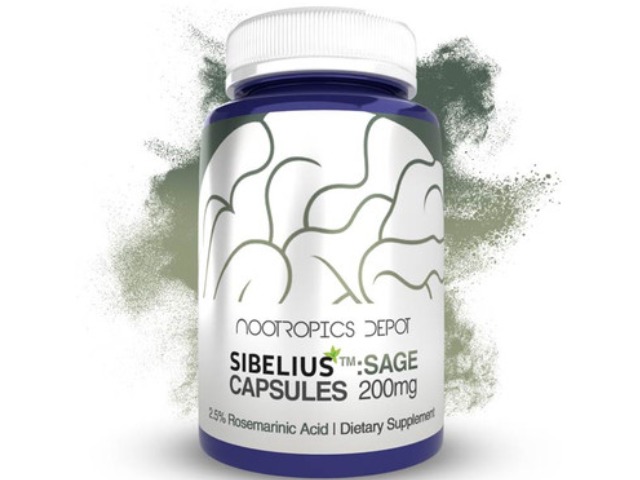
Sibeliustm Sage Capsules | 200mg | 2.5% Rosmarinic Acid by Nootropics Depot
Shop Now →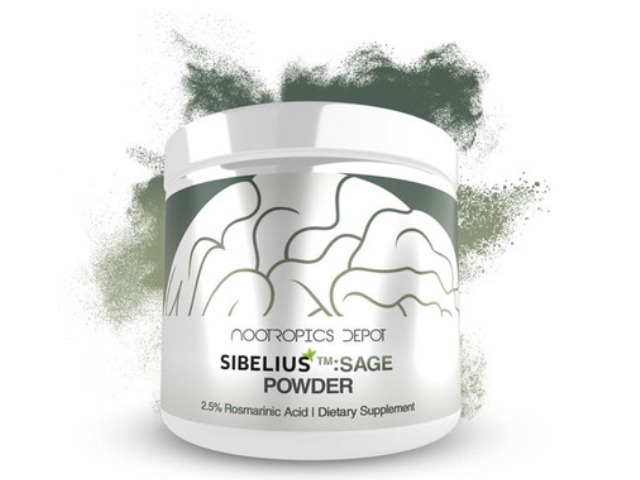
Sibeliustm Sage Powder | 2.5% Rosmarinic Acid by Nootropics Depot
Shop Now →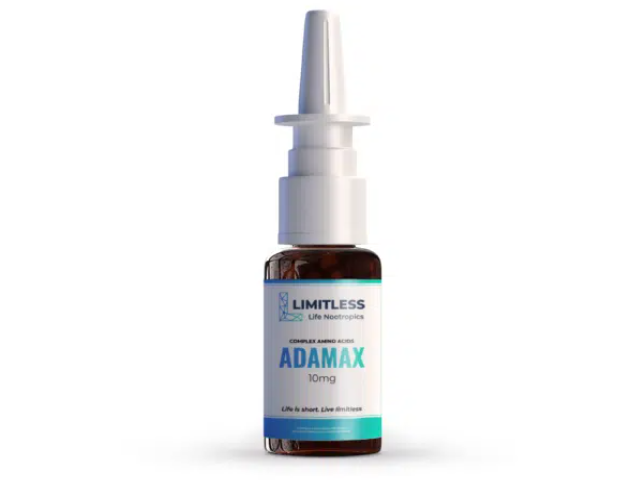
Adamax Nootropic Peptide – Nasal Spray by Limitless Life Nootropics
Shop Now →Disclosure: These are affiliate links. I earn a small commission if you purchase — at no extra cost to you. I only recommend products I personally use or have thoroughly researched.
Research & Studies
This section includes 4 peer-reviewed studies referenced in our analysis.