
- Supports cellular antioxidant defense
- May enhance cognitive function and memory
- Supports glutathione levels more effectively than standard forms
- May reduce oxidative stress and neuroinflammation
I used to think all glutathione supplements were created equal. Spent a solid year taking standard reduced glutathione capsules, dutifully swallowing them every morning, convinced I was doing something great for my brain and longevity.
Then I learned that most of that glutathione was getting destroyed in my stomach acid before it ever had a chance to do anything useful. $300 worth of supplements, basically turned into expensive urine.
That’s when I discovered S-Acetyl L-Glutathione — and understood why the delivery form matters just as much as the compound itself.
The Short Version: S-Acetyl L-Glutathione (SAG) is an acetylated, highly bioavailable form of glutathione that actually makes it into your cells intact, unlike standard glutathione supplements. It supports antioxidant defense, cognitive function, and healthy aging by replenishing your body’s master antioxidant. Best for those seeking neuroprotection, mitochondrial support, or recovery from oxidative stress.
What Is S-Acetyl L-Glutathione? (And Why the Acetyl Part Actually Matters)
Glutathione is a tripeptide — a molecule made of three amino acids (glutamate, cysteine, and glycine) — that functions as your body’s primary intracellular antioxidant. It’s produced naturally in every cell, with particularly high concentrations in the liver and brain. Think of it as your cellular cleanup crew, neutralizing reactive oxygen species (ROS), supporting detoxification pathways, and maintaining the redox balance that keeps your mitochondria functioning optimally.
The problem? Standard oral glutathione supplements have terrible bioavailability. Your digestive enzymes break down the peptide bonds before it reaches your bloodstream, and even if some survives, glutathione doesn’t cross cell membranes easily due to its polar structure.
S-Acetyl L-Glutathione solves both problems. The acetylation — adding an acetyl group to the sulfur atom of the cysteine residue — protects the molecule from enzymatic degradation in your GI tract. Once absorbed, it crosses cell membranes intact because the acetyl group makes it more lipophilic (fat-soluble). Once inside the cell, cytoplasmic thioesterases cleave off the acetyl group, releasing active glutathione exactly where you need it.
Reality Check: Even with superior bioavailability, SAG works best when you’ve addressed the fundamentals. If you’re chronically sleep-deprived, eating inflammatory foods, and living in constant stress, no antioxidant supplement is going to offset that damage completely. SAG is a powerful tool for supporting your cellular defense systems, but it’s not a replacement for getting the basics right.
This compound has been studied for its potential in supporting liver health, reducing oxidative stress markers, and protecting brain tissue from age-related decline. A 2025 safety assessment published in Food and Chemical Toxicology confirmed SAG’s safety profile for use in foods and dietary supplements, based on comprehensive toxicological evaluation.
How Does S-Acetyl L-Glutathione Work? (The Science of Getting Antioxidants Where They’re Needed)
Here’s where SAG gets interesting from a neurochemical perspective.
The acetyl armor. When you swallow a standard glutathione capsule, digestive peptidases in your stomach and intestines cleave the peptide bonds, breaking it down into individual amino acids. You absorb those amino acids, sure, but you’ve lost the intact glutathione molecule. SAG’s acetyl group acts like molecular armor — it sterically hinders enzymatic attack, allowing the molecule to survive the harsh acidic environment and make it to your small intestine for absorption.
Crossing the membrane barrier. Even if glutathione makes it into your bloodstream intact, it faces another challenge: cell membranes. The standard glutathione molecule is highly polar and hydrophilic, making it difficult to cross lipid bilayers without specific transporters. The acetyl modification increases lipophilicity just enough to allow passive diffusion across cell membranes. Research demonstrates this leads to significantly higher intracellular glutathione concentrations compared to non-acetylated forms.
Intracellular activation. Once SAG is inside the cell, cytoplasmic thioesterases recognize the acetyl group and hydrolyze it off, releasing free, active glutathione. This is the form that participates in antioxidant reactions — neutralizing hydrogen peroxide, lipid peroxides, and other ROS through the glutathione peroxidase enzyme system, and regenerating oxidized vitamin C and vitamin E back to their active forms.
In the brain specifically, SAG’s mechanisms are particularly relevant:
Glutamate regulation: Glutathione plays a crucial role in glutamate metabolism. Adequate glutathione levels help maintain proper balance between excitatory and inhibitory neurotransmission, preventing excitotoxicity — the neurodegenerative process caused by excessive glutamate signaling. When glutathione is depleted, neurons become more vulnerable to glutamate-induced damage. A 2024 study in NeuroImage found that brain glutathione levels decrease with age, and extended (oxidized) glutathione is associated with visuospatial memory performance.
Neuroinflammation suppression: SAG has been shown to modulate the TLR4/NF-κB inflammatory signaling pathway. In preclinical models, SAG supplementation reduced activation of this cascade, which is centrally involved in neuroinflammation and oxidative stress responses in brain tissue. Less NF-κB activation means reduced production of pro-inflammatory cytokines like TNF-α and IL-6 that contribute to cognitive decline.
Synaptic plasticity support: Research with glutathione precursors has demonstrated restoration of hippocampal long-term potentiation (LTP) — the cellular mechanism underlying learning and memory formation — in aged animals. The mechanism involves maintaining optimal redox balance at synapses, which is necessary for the calcium signaling and protein synthesis required for synaptic strengthening. SAG’s ability to rapidly replenish cellular glutathione creates conditions favorable for LTP.
Translation: SAG doesn’t just mop up free radicals randomly. It supports the specific cellular conditions that allow your neurons to communicate effectively, resist inflammatory damage, and maintain the plasticity required for learning and memory. It’s addressing oxidative stress at the source, inside the cells where the damage occurs.
Benefits of S-Acetyl L-Glutathione (What the Research Actually Shows)
Let’s be honest about the evidence here. Most glutathione research has focused on intravenous administration or precursor compounds like N-Acetylcysteine (NAC). Direct human trials specifically examining oral S-Acetyl L-Glutathione are still relatively limited, but the mechanistic rationale is strong and the available evidence is promising.
| Benefit | Evidence Level | Key Research |
|---|---|---|
| Increased cellular glutathione | Strong | Multiple pharmacokinetic studies |
| Antioxidant capacity | Strong | Direct measurement of oxidative markers |
| Liver support | Moderate | Animal models + mechanistic data |
| Cognitive function | Moderate-Preliminary | Aging studies, mechanism supported |
| Neuroprotection | Preliminary | Preclinical + mechanism |
Raising glutathione levels that actually matter. This is where SAG shines. Pharmacokinetic studies have demonstrated that oral SAG significantly elevates intracellular glutathione concentrations in a way that standard oral glutathione does not. In liver tissue studies, SAG increased reduced glutathione (GSH) levels and improved the GSH/GSSG ratio — the balance between reduced (active) and oxidized (inactive) glutathione, which is a key marker of cellular redox status.
Reducing oxidative stress markers. Multiple studies have shown that SAG supplementation reduces markers of oxidative damage — things like malondialdehyde (MDA, a lipid peroxidation marker) and protein carbonylation. In practical terms, this means less cellular damage from free radicals, which is particularly relevant for tissues with high metabolic activity like the brain and liver.
Cognitive and memory support. The 2024 NeuroImage study I mentioned earlier found that brain glutathione levels correlate with visuospatial memory performance, and those levels decline with age. While this wasn’t an SAG intervention study specifically, it establishes the link between brain glutathione status and cognitive function. Given SAG’s demonstrated ability to raise intracellular glutathione, the implication for cognitive support is clear, though more direct human trials would strengthen this connection.
Liver health and detoxification. The liver has the highest glutathione concentration of any organ — it’s the metabolic workhorse that processes everything from medications to alcohol to environmental toxins. Animal studies have shown SAG can protect against liver injury induced by various toxins, reducing inflammation and hepatic enzyme elevations. If you’re someone with significant toxin exposure or taking medications that stress the liver, maintaining adequate glutathione is critical.
Mitochondrial function. Glutathione is essential for mitochondrial health. Mitochondria are both the primary producers of ROS (as a byproduct of energy production) and highly vulnerable to oxidative damage. SAG’s ability to deliver glutathione directly into cells, including into mitochondria, supports the organelles’ ability to produce ATP efficiently without accumulating oxidative damage.
Pro Tip: Don’t expect overnight results. Glutathione’s benefits are more about prevention and gradual restoration than acute effects. Think of it like regularly changing the oil in your car — you’re not going to feel a dramatic difference day-to-day, but over months and years, you’re preventing accumulated damage.
How to Take S-Acetyl L-Glutathione (Without Wasting Your Money)
Based on the available research and clinical use, here’s what actually works:
| Use Case | Dosage | Timing | Notes |
|---|---|---|---|
| General antioxidant support | 100-200mg | Morning with food | Good starting point |
| Cognitive/neuroprotection | 300-450mg | Morning with or without food | Most common range |
| Intensive support (liver, recovery) | 450-600mg | Split into 2 doses | Short-term or medical guidance |
Starting protocol: Begin with 100mg daily for the first week. SAG is generally very well-tolerated, but starting low allows you to assess your individual response. If you experience any digestive discomfort, take it with food. After a week, you can increase to 200-300mg daily.
Timing: Unlike some nootropics where timing is critical, SAG is flexible. Many people take it in the morning with their other supplements, but there’s no strong evidence that morning is superior to evening. Some practitioners recommend splitting higher doses (450mg+) into morning and afternoon to maintain more stable levels throughout the day.
With or without food: The acetylation makes SAG relatively stable in the acidic stomach environment, so it doesn’t strictly require food for protection like some supplements. That said, taking it with food may reduce any potential GI discomfort and may slightly enhance absorption through delayed gastric emptying. Do what works for your digestion.
Forms available: SAG is typically available as:
- Capsules (most common): 100mg, 200mg, or 300mg per capsule
- Sublingual tablets: Some brands offer sublingual SAG, claiming enhanced absorption by bypassing first-pass metabolism, though SAG’s acetyl group already solves the bioavailability problem
- Liposomal formulations: Encapsulating SAG in liposomes may further enhance cellular uptake, though the standard acetylated form is already highly bioavailable
Cycling: Not necessary. Glutathione is produced endogenously and consumed constantly in normal cellular metabolism. Supplementing SAG doesn’t downregulate your body’s own production the way exogenous hormones might. Continuous daily use is appropriate for most people.
What to expect and when: Unlike stimulants or even something like L-Theanine where effects are felt within an hour, SAG’s benefits accrue over weeks to months. You’re rebuilding cellular antioxidant reserves and supporting long-term protective mechanisms. Most users report increased energy, better recovery, and improved mental clarity after 2-4 weeks of consistent use, though objective benefits (reduced oxidative markers, improved liver enzymes) continue to build over 8-12 weeks.
Insider Tip: If you’re taking SAG primarily for cognitive benefits, consider pairing it with other compounds that support the glutathione system from different angles. N-Acetylcysteine provides the cysteine building block for endogenous glutathione synthesis. Alpha Lipoic Acid helps regenerate oxidized glutathione back to its reduced form. SAG delivers the end product directly. Together, you’re hitting the pathway from multiple directions.
Side Effects & Safety (What Could Go Wrong)
SAG has an excellent safety profile. The 2025 toxicological assessment published in Food and Chemical Toxicology evaluated SAG extensively and concluded it’s safe for use in foods and dietary supplements at typical supplementation levels.
Common side effects (rare, usually dose-dependent):
- Mild digestive discomfort (bloating, gas) — usually occurs at doses above 400mg and resolves with food or dose reduction
- Headache — uncommon, may be related to detoxification processes
- Skin rash or flushing — very rare, may indicate individual sensitivity
Who should exercise caution:
- Asthmatics: There are isolated reports of exogenous glutathione (delivered via inhalation) triggering bronchospasm in sensitive individuals. Oral SAG is likely safer, but asthmatics should start with low doses and monitor for respiratory symptoms.
- Those on chemotherapy: Glutathione’s antioxidant properties could theoretically interfere with oxidative chemotherapy agents. Discuss with your oncologist before using.
Drug interactions:
| Medication/Substance | Interaction Type | Risk Level | Notes |
|---|---|---|---|
| Chemotherapy agents | Potential antagonism | Moderate-High | May reduce oxidative drug efficacy; consult oncologist |
| Acetaminophen | Protective interaction | Positive | Glutathione protects against acetaminophen hepatotoxicity |
| Alcohol | Protective interaction | Positive | SAG may reduce alcohol-induced oxidative stress |
| Nitroglycerin | Potential enhancement | Low | Glutathione may enhance nitric oxide signaling |
Pregnancy and nursing: No adequate safety studies exist for pregnant or breastfeeding women. While glutathione itself is a normal physiological compound, supplementation with SAG during pregnancy hasn’t been studied sufficiently. Err on the side of caution and avoid unless specifically recommended by your healthcare provider.
Important: If you have a known severe sulfur sensitivity or issues metabolizing sulfur-containing compounds, start with a very low dose (50mg) and assess tolerance carefully. While rare, some individuals don’t tolerate sulfur amino acids well.
Stacking S-Acetyl L-Glutathione (The Combinations That Actually Work)
SAG is one of those compounds that plays well with almost everything because it’s supporting fundamental cellular machinery rather than directly manipulating neurotransmitter systems. Here’s how to stack it strategically based on your goals:
For Cognitive Enhancement & Neuroprotection:
The Antioxidant Defense Stack
- 300mg S-Acetyl L-Glutathione (morning)
- 500mg N-Acetylcysteine (morning)
- 300mg Alpha Lipoic Acid (R-ALA form preferred, with food)
- 500mg Acetyl L-Carnitine (morning)
Synergy: NAC provides the building blocks for endogenous glutathione synthesis (covering production), SAG delivers the end product directly (covering immediate availability), ALA regenerates both glutathione and vitamins C/E (covering recycling), and ALCAR supports mitochondrial function and acetyl group metabolism. This is comprehensive antioxidant and mitochondrial support.
For Aging & Longevity:
The Cellular Maintenance Stack
- 300mg S-Acetyl L-Glutathione (morning)
- 250mg Nicotinamide Riboside or NMN (morning)
- 100mg Coenzyme Q10 (ubiquinol form, with fat-containing meal)
- 500mg Resveratrol (evening)
Synergy: You’re supporting the core longevity pathways — NAD+ (energy metabolism and DNA repair), mitochondrial function (CoQ10), antioxidant defense (SAG), and sirtuin activation (resveratrol). This combination addresses multiple hallmarks of aging simultaneously.
For Liver Support & Detoxification:
The Hepatoprotection Stack
- 450mg S-Acetyl L-Glutathione (split: 300mg AM, 150mg PM)
- 500mg N-Acetylcysteine (morning)
- 200mg Milk Thistle extract (standardized to 80% silymarin, with meals)
- 500mg TUDCA (with evening meal)
Synergy: This is the gold standard liver support protocol. Glutathione is the liver’s primary detox molecule, NAC supports its synthesis, silymarin protects hepatocytes from oxidative damage, and TUDCA supports bile flow and cellular stress response. If you’re on medications that tax the liver or recovering from liver stress, this is the stack.
For Athletic Performance & Recovery:
The Adaptation Stack
- 300mg S-Acetyl L-Glutathione (post-workout)
- 3-5g Creatine Monohydrate (daily, timing flexible)
- 500mg Taurine (post-workout)
- 2g Vitamin C (split doses, avoiding pre-workout)
Synergy: Exercise creates oxidative stress (which is actually the stimulus for adaptation, but excessive ROS can impair recovery). SAG and vitamin C support antioxidant defense during the recovery window, taurine supports cellular hydration and calcium handling, and creatine enhances energy metabolism. Time SAG post-workout rather than pre-workout to avoid blunting the beneficial oxidative signaling from exercise.
| Stack Combination | Goal | Timing | Notes |
|---|---|---|---|
| SAG + NAC + ALA | Maximum glutathione support | All morning or split AM/PM | The trifecta for antioxidant defense |
| SAG + NR/NMN + CoQ10 | Mitochondrial optimization | Morning with food | Energy and longevity focus |
| SAG + Milk Thistle + TUDCA | Liver protection | Split doses with meals | For those on hepatotoxic meds |
| SAG + Vitamin C + Taurine | Post-exercise recovery | Post-workout | Don’t use high-dose antioxidants pre-workout |
What to avoid combining:
- High-dose antioxidants pre-workout: Don’t take SAG (or other antioxidants like vitamin C, vitamin E) immediately before exercise. Some oxidative stress from exercise is the signal for adaptation. Blunting it completely can reduce training adaptations. Save antioxidants for post-workout recovery.
- Iron supplements: Glutathione can bind iron and potentially reduce its absorption. Space SAG at least 2 hours away from iron supplementation if you take both.
My Take (Is S-Acetyl L-Glutathione Worth It?)
After years of experimenting with various antioxidant strategies, SAG is one of the few supplements that I keep in my core stack year-round.
Here’s why: glutathione depletion is one of the most consistent findings in aging, neurodegenerative disease, liver dysfunction, and chronic inflammatory conditions. And unlike many “anti-aging” compounds where the mechanism is speculative, glutathione’s role is well-established. The question was never “does glutathione matter?” — it was always “how do we effectively raise it?”
Standard oral glutathione doesn’t work. I learned that the expensive way. NAC works, but you’re relying entirely on your body’s synthesis pathway, which can be rate-limited and declines with age. SAG gives you the best of both worlds — it’s orally bioavailable AND delivers the active molecule directly.
In my experience, SAG is most noticeable when you’re under significant oxidative stress — recovering from illness, dealing with poor sleep, high training volume, alcohol consumption, or medication use. That’s when I notice better recovery, sustained energy throughout the day, and clearer thinking. When I’m dialed in on all fronts (great sleep, low stress, clean diet), SAG feels more like an insurance policy than an acute performance enhancer.
Who this is BEST for:
- People over 40 concerned with cognitive aging and neuroprotection
- Anyone with liver stress (medications, alcohol use, environmental toxin exposure)
- Athletes with high training volumes seeking better recovery
- Individuals with chronic inflammatory conditions or autoimmune issues
- Those who’ve tried NAC but want more direct glutathione support
Who should probably try something else:
- If you’re primarily seeking acute cognitive enhancement for focus and productivity, start with L-Theanine + caffeine, Alpha-GPC, or Rhodiola — you’ll feel those compounds working immediately. SAG is more of a long-game neuroprotection strategy.
- If budget is tight and you’re deciding between SAG and NAC, start with N-Acetylcysteine — it’s significantly cheaper, well-studied, and still effective for raising glutathione, just via a different pathway.
- If you’re very young (under 25) with no significant health stressors, your endogenous glutathione production is probably humming along fine. Focus on foundational lifestyle factors first.
My honest assessment: SAG is worth trying if you’re investing in long-term brain health and cellular protection. It’s not going to give you a noticeable “nootropic rush,” but neither does wearing sunscreen or brushing your teeth — and you still do those because the cumulative protection matters. Start with 200-300mg daily for 4-6 weeks and assess subjectively (energy, recovery, mental clarity) and ideally with some objective markers if you have access (liver enzymes, oxidative stress markers through functional medicine testing).
The acetylated form specifically is worth the premium over standard glutathione. The bioavailability difference is substantial and well-documented. If you’re going to supplement glutathione at all, SAG is the form to use.
Recommended S-Acetyl L-Glutathione Products
I know how frustrating it is to sort through dozens of brands making the same claims. These are the ones I've personally vetted — because quality is the difference between results and wasted money.
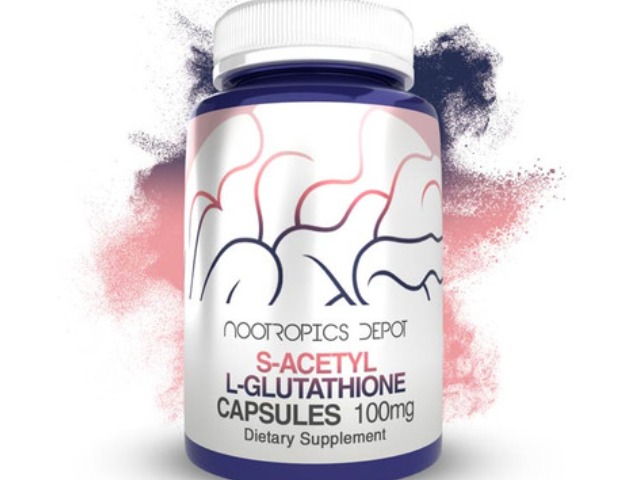
S-Acetyl L-Glutathione Capsules | 100mg by Nootropics Depot
Shop Now →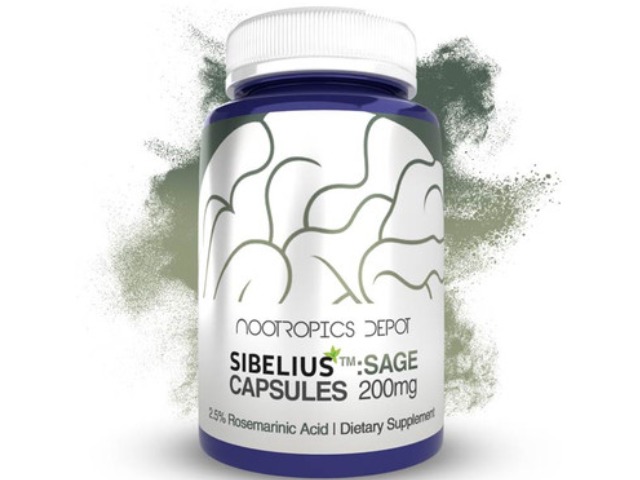
Sibeliustm Sage Capsules | 200mg | 2.5% Rosmarinic Acid by Nootropics Depot
Shop Now →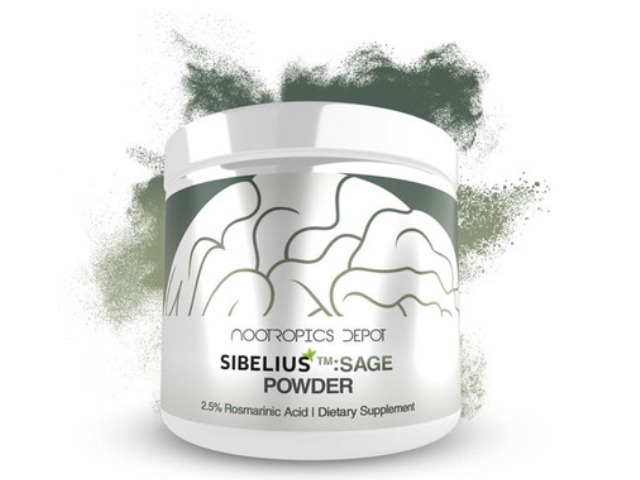
Sibeliustm Sage Powder | 2.5% Rosmarinic Acid by Nootropics Depot
Shop Now →Disclosure: These are affiliate links. I earn a small commission if you purchase — at no extra cost to you. I only recommend products I personally use or have thoroughly researched.
Research & Studies
This section includes 2 peer-reviewed studies referenced in our analysis.