

- Neuroprotection against oxidative stress
- Reduced neuroinflammation
- Enhanced synaptic plasticity
- Improved focus and attention
- Mitochondrial function support
I’ll be honest — when I first came across TUDCA in a research paper, I thought it was a typo. Tauroursodeoxycholic acid? The name alone sounds like something a pharmaceutical company made up after a few too many drinks. But after years of digging into the research and experimenting with it personally, this bile acid derivative has become one of the most fascinating neuroprotective compounds I’ve encountered.
Unlike the flashy nootropics that promise instant superhuman focus, TUDCA works quietly in the background, protecting your brain’s cellular machinery from the daily wear and tear of modern life. And the research backing it up is surprisingly robust.
The Short Version: TUDCA is a bile acid that crosses the blood-brain barrier and provides multi-layered neuroprotection by reducing inflammation, fighting oxidative stress, and supporting synaptic plasticity. Evidence shows moderate support for improved focus and attention, with effects building over 8-12 weeks at doses of 250-1500mg daily. This isn’t a “feel it immediately” compound — it’s foundational cellular protection.
What Is Tauroursodeoxycholic Acid?
Tauroursodeoxycholic Acid (TUDCA) is the taurine-conjugated form of ursodeoxycholic acid (UDCA), a bile acid that’s been used in traditional Chinese medicine for centuries and in modern medicine since the 1990s for treating liver and gallbladder conditions. What makes TUDCA particularly interesting for brain health is its ability to cross the blood-brain barrier — something most bile acids can’t do efficiently.
Your body produces small amounts of TUDCA naturally as part of bile acid metabolism, but the quantities are minimal. Supplemental TUDCA delivers therapeutic doses that can influence cellular processes throughout your body, including critical pathways in the brain that govern neuronal survival, inflammation, and stress resistance.
The compound first gained attention in neuroscience research when scientists noticed it had remarkable protective effects in animal models of neurodegenerative diseases. A 2002 study in the Journal of Cerebral Blood Flow and Metabolism found that TUDCA provided significant neuroprotection in an acute stroke model, reducing brain damage and improving functional outcomes. That kicked off nearly two decades of research into how this molecule protects neurons from various types of stress and damage.
Here’s where the Holistic Nootropics philosophy becomes critical: TUDCA is best thought of as cellular infrastructure support, not a performance enhancer you pop before a big presentation. If your brain is under constant assault from inflammatory foods, chronic stress, poor sleep, and environmental toxins, TUDCA can help shore up your defenses. But it won’t override a broken foundation — and it works best when combined with the basics like quality sleep, gut health optimization, and stress management.
How Does Tauroursodeoxycholic Acid Work?
TUDCA is a rare example of a compound with legitimate multi-system effects in the brain. Instead of narrowly targeting one neurotransmitter or pathway, it operates at the cellular level to protect and restore fundamental processes that keep neurons healthy.
The Plain-English Version: Think of your brain cells as a city’s infrastructure — the power grid, the water treatment plants, the waste disposal systems. TUDCA doesn’t just fix one broken streetlight. It strengthens the entire electrical grid (mitochondria), reduces the pollution choking the air (inflammation), and helps repair damaged roads and bridges (synaptic connections). The result is a brain that functions more efficiently and resists damage better over time.
The Science: TUDCA works through three primary mechanisms that converge to produce neuroprotective effects:
Neuroinflammation Reduction — TUDCA directly suppresses microglial activation, the brain’s resident immune cells that can shift from helpful defenders to destructive aggressors when chronically activated. The compound inhibits nuclear factor-kappa B (NF-κB) signaling, a master regulator of inflammatory responses, and reduces the production of pro-inflammatory cytokines like TNF-α. Critically, TUDCA promotes a phenotype shift in microglia toward anti-inflammatory, repair-promoting states rather than damage-inducing ones. This isn’t just about tamping down inflammation broadly — it’s about redirecting your brain’s immune system toward healing rather than harm.
Oxidative Stress Reduction — The mitochondria in your neurons are simultaneously your brain’s power plants and its biggest liability. When they malfunction, they leak reactive oxygen species (ROS) that damage DNA, proteins, and lipid membranes. TUDCA maintains mitochondrial membrane integrity and optimizes electron transport chain function, reducing ROS production at the source. Multiple studies show TUDCA’s antioxidant effects are particularly pronounced in neural tissue, where metabolic demands are highest and oxidative damage accumulates fastest.
Synaptic Plasticity Enhancement — Perhaps most exciting for cognitive function, TUDCA preserves and restores the physical structures that enable learning and memory. Research shows it maintains postsynaptic density proteins and increases dendritic spine density — the tiny protrusions on neurons where synapses form. A 2013 study in Neurobiology of Disease found that TUDCA supplementation prevented cognitive impairment and amyloid deposition in APP/PS1 mice (a model of Alzheimer’s disease), with treated mice showing preserved synaptic structures compared to controls. The compound essentially helps your brain maintain the wiring it needs for plasticity and adaptation.
So What? In practical terms, TUDCA is working at the cellular level to keep your neurons healthy, resilient, and connected. The cognitive benefits — improved focus, better stress resilience, clearer thinking — emerge as downstream effects of healthier brain cells. This is why TUDCA’s effects build gradually over weeks rather than kicking in within hours like caffeine or L-theanine.
Benefits of Tauroursodeoxycholic Acid (What the Research Actually Shows)
Let’s cut through the hype and look at what the evidence actually supports — and where it falls short.
Focus & Attention (Moderate Evidence) — The most consistent cognitive benefit reported with TUDCA supplementation is improved sustained attention and mental clarity. This isn’t the jittery, stimulant-driven focus you get from high-dose caffeine. It’s more subtle — a reduction in brain fog, better ability to maintain concentration over extended periods, and improved mental endurance during cognitively demanding tasks.
The 2013 APP/PS1 mouse study showed treated animals maintained normal cognitive function scores while controls declined significantly over the 6-month treatment period. A 2025 study in Naunyn Schmiedeberg’s Archives of Pharmacology found that TUDCA mitigated depression-like behavior and hippocampal neuronal damage in a corticosterone stress model in female mice, suggesting protective effects against stress-induced cognitive dysfunction. While these are animal studies, the mechanisms translate reasonably well to humans, and anecdotal reports from users consistently mention improved mental clarity as a primary benefit.
Neuroprotection Against Neurodegeneration (Strong Preclinical Evidence, Limited Human Trials) — This is where TUDCA’s research profile is most impressive, but also where the gap between animal studies and human clinical trials is widest. Multiple studies show potent protective effects in models of Alzheimer’s, Parkinson’s, Huntington’s, and other neurodegenerative conditions.
A 2021 review in Life Sciences comprehensively examined TUDCA’s effects across neurodegenerative disorders and concluded that the compound “has shown promising results in preclinical models by reducing ER stress, apoptosis, and inflammation.” A 2024 systematic review in Current Neuropharmacology found consistent neuroprotective effects in retinal disorder models, with TUDCA reducing photoreceptor cell death and preserving visual function.
Reality Check: The animal research is compelling, but we don’t have large-scale human trials showing TUDCA prevents or reverses neurodegeneration in people. The compound has an excellent safety profile and plausible mechanisms, which makes it reasonable to use proactively for brain health — but don’t expect it to cure Alzheimer’s. Think of it as insurance against age-related cognitive decline, not a treatment for established disease.
Metabolic Health & Insulin Sensitivity (Mixed Evidence) — A 2010 study in Diabetes found that TUDCA supplementation at 1750mg daily for 4 weeks improved liver and muscle insulin sensitivity in obese men and women, though it didn’t affect adipose tissue sensitivity. This is relevant for cognitive health because insulin resistance in the brain (sometimes called “type 3 diabetes”) is increasingly recognized as a contributor to cognitive decline and Alzheimer’s disease. By improving peripheral insulin sensitivity, TUDCA may indirectly support brain metabolism.
Mood & Stress Resilience (Preliminary Evidence) — The 2025 corticosterone study mentioned earlier showed TUDCA reduced depression-like behaviors in chronically stressed mice, with effects tied to reduced hippocampal damage. Users often report improved stress resilience and mood stability, though this could be secondary to reduced inflammation and better overall brain health rather than a direct mood-enhancing mechanism like you’d see with 5-HTP or L-tyrosine.
Evidence Quality Table:
| Benefit | Evidence Level | Key Research |
|---|---|---|
| Focus & Attention | Moderate (animal + anecdotal) | Lo et al. 2013, Shen et al. 2025 |
| Neuroprotection | Strong preclinical, limited human | Rodrigues et al. 2002, Zangerolamo et al. 2021 |
| Insulin Sensitivity | Moderate (small human trial) | Kars et al. 2010 |
| Mood Support | Preliminary (animal models) | Shen et al. 2025 |
| Synaptic Plasticity | Strong preclinical | Lo et al. 2013, Li et al. 2024 |
How to Take Tauroursodeoxycholic Acid (Without Wasting Your Money)
Dosage — The research and clinical practice suggest a fairly wide effective range depending on your goals:
| Use Case | Dosage | Timing | Notes |
|---|---|---|---|
| General neuroprotection | 250-500mg | Once daily with food | Good starting point for most people |
| Cognitive enhancement | 500-1000mg | Split into 2 doses with meals | Mid-range for noticeable benefits |
| Therapeutic use (liver/metabolic) | 1000-1500mg | 2-3 divided doses with food | Upper end, consider medical guidance |
Most studies showing cognitive benefits used doses in the 500-1500mg range over 8-16 weeks. The 2013 Alzheimer’s mouse model study used a dose equivalent to roughly 500-750mg daily in humans. The 2010 insulin sensitivity study used 1750mg daily, which is on the higher end and may not be necessary for cognitive benefits alone.
Start low, assess, then titrate up. I’d recommend beginning with 250-500mg daily for 2-4 weeks to assess tolerance before increasing. TUDCA is fat-soluble and better absorbed with food, so take it with meals containing some dietary fat.
Timing — TUDCA doesn’t produce immediate effects you’ll feel, so timing is more about absorption optimization than performance windows. Take it with your largest meals of the day to maximize absorption. If splitting doses, morning and evening with breakfast and dinner works well.
Forms — TUDCA is most commonly available as capsules or powder. The capsules are more convenient and pre-measured. Powder is cheaper per dose if you’re comfortable weighing it yourself, but TUDCA powder tastes absolutely awful — bitter and metallic. Stick with capsules unless you’re very budget-conscious or mixing it into smoothies where you can mask the flavor.
Cycling — There’s no strong evidence that you need to cycle TUDCA. The compound has been used continuously for months in liver disease treatment without tolerance developing. For neuroprotection and cognitive benefits, consistent daily use makes more sense than cycling, since you’re building cumulative cellular protection rather than chasing acute effects.
Pro Tip: Give TUDCA at least 8-12 weeks before judging its effectiveness. This isn’t phenylpiracetam or modafinil where you feel a difference in hours. TUDCA’s benefits accumulate as your cells become healthier and more resilient. Track subjective measures like mental clarity, stress resilience, and focus over weeks, not days.
Side Effects & Safety (What Could Go Wrong)
TUDCA has one of the best safety profiles of any compound I’ve researched. It’s been used in clinical medicine for decades to treat liver and gallbladder conditions, with an extensive safety database.
Common side effects (generally mild):
- Gastrointestinal discomfort — nausea, loose stools, or stomach upset, especially at higher doses or when taken on an empty stomach
- Mild headache in some users during the first few days
- Temporary fatigue (uncommon, usually resolves within a week)
These effects are typically dose-dependent and often resolve by taking TUDCA with food or reducing the dose temporarily before increasing again.
Who should avoid TUDCA:
- People with biliary obstruction or bile duct blockages (TUDCA is a bile acid and could exacerbate these conditions)
- Those with known hypersensitivity to bile acids
- Pregnant or nursing women (insufficient safety data, though no known risks)
Drug Interactions:
| Medication/Substance | Interaction Type | Risk Level | Notes |
|---|---|---|---|
| Bile acid sequestrants (cholestyramine, colesevelam) | Reduced absorption | Moderate | May decrease TUDCA effectiveness; separate by 4+ hours |
| Aluminum-based antacids | Absorption interference | Low-Moderate | Take TUDCA 2 hours before or after antacids |
| Cyclosporine | Altered bile acid metabolism | Moderate | Monitor with physician if taking immunosuppressants |
| Oral contraceptives | Potential absorption changes | Low | Limited evidence, likely minimal interaction |
| Warfarin/blood thinners | Theoretical vitamin K interference | Low | TUDCA may affect vitamin K metabolism; monitor INR if on warfarin |
Important: While TUDCA is generally very safe, the 2010 diabetes study noted rare cases of elevated liver enzymes in a small subset of participants. If you have existing liver conditions or take medications metabolized heavily by the liver, work with a healthcare provider and consider monitoring liver function if using TUDCA long-term at higher doses.
Pregnancy/Nursing — There’s insufficient human data on TUDCA safety during pregnancy or breastfeeding. While TUDCA is a naturally occurring bile acid and theoretically low-risk, I’d recommend avoiding it during pregnancy and nursing out of an abundance of caution unless specifically recommended by your healthcare provider.
Stacking Tauroursodeoxycholic Acid (The Combinations That Actually Work)
TUDCA is one of those rare compounds that plays well with almost everything because it works at the foundational cellular level rather than directly modulating neurotransmitters. It’s not going to create overstimulation or strange interactions with most nootropics. Think of it as the infrastructure upgrade that makes everything else work better.
For Neuroprotection & Healthy Aging:
- TUDCA 500mg (morning with breakfast)
- Lion’s Mane 1000mg (morning) — synergistic NGF support and neurogenesis
- Omega-3 EPA/DHA 2000mg (with dinner) — complementary anti-inflammatory and membrane support
- Curcumin 500mg (with TUDCA) — overlapping anti-inflammatory pathways amplify neuroprotection
This stack addresses multiple damage pathways — TUDCA handles cellular stress and mitochondrial function, Lion’s Mane promotes neurogenesis and synapse formation, omega-3s support membrane integrity and reduce inflammation, and curcumin adds another layer of anti-inflammatory and antioxidant protection. This is a long-game stack for brain longevity, not acute performance.
For Focus & Cognitive Performance:
- TUDCA 500mg (morning with breakfast)
- Alpha-GPC 300mg (morning) — acetylcholine support for memory and focus
- L-Theanine 200mg + Caffeine 100mg (morning) — clean, focused energy
- Bacopa Monnieri 300mg (morning) — memory consolidation and learning enhancement
TUDCA provides the cellular foundation, Alpha-GPC supplies raw materials for acetylcholine synthesis, the theanine-caffeine combo delivers smooth focus, and Bacopa enhances information retention. This stack balances immediate performance (caffeine/theanine) with cumulative benefits (TUDCA, Bacopa).
For Metabolic Health & Brain Metabolism:
- TUDCA 750mg (split: 500mg morning, 250mg evening with meals)
- Berberine 500mg (before largest carb-containing meal) — insulin sensitivity and glucose regulation
- Alpha-Lipoic Acid 300mg (morning) — glucose metabolism and antioxidant support
- Magnesium L-Threonate 2000mg (evening) — insulin signaling and neuroprotection
This stack targets the metabolic dysfunction that increasingly appears connected to cognitive decline. The 2010 TUDCA study showed improved liver and muscle insulin sensitivity, and combining it with berberine (strong evidence for glucose regulation) and ALA creates a powerful metabolic optimization protocol with cognitive benefits as a secondary effect.
Insider Tip: TUDCA stacks particularly well with compounds that increase cellular energy demands or oxidative stress. If you’re using more stimulating nootropics like phenylpiracetam, noopept, or modafinil, adding TUDCA can help protect against the increased oxidative stress these compounds may generate during intense cognitive work.
What to AVOID:
- Don’t combine TUDCA with bile acid sequestrants or medications that significantly interfere with bile acid metabolism without medical supervision
- Be cautious combining with multiple liver-active compounds (like high-dose niacin or certain medications) — while TUDCA is generally liver-protective, stacking multiple liver-active substances should be done thoughtfully
Synergy Table:
| Combination | Mechanism Synergy | Best For | Timing Notes |
|---|---|---|---|
| TUDCA + Lion’s Mane | Neuroprotection + neurogenesis | Long-term brain health | Both morning with food |
| TUDCA + Alpha-GPC | Cellular health + neurotransmitter support | Daily cognitive performance | Together in morning |
| TUDCA + Berberine | Mitochondrial + metabolic optimization | Metabolic health & cognition | TUDCA with meals, berberine before carbs |
| TUDCA + Curcumin | Overlapping anti-inflammatory pathways | Reducing neuroinflammation | Together with fat-containing meal for absorption |
My Take
After years of experimenting with flashier nootropics that promise immediate results, I’ve come to deeply appreciate compounds like TUDCA that work quietly in the background to build long-term resilience. This isn’t going to give you a noticeable boost on day one. You won’t feel suddenly smarter or more energized. And honestly, that’s exactly why it’s valuable.
In my experience, TUDCA is best thought of as cellular insurance for your brain. I started taking it primarily for neuroprotection after diving into the research on neuroinflammation and mitochondrial dysfunction in cognitive aging. What I noticed after about 6-8 weeks wasn’t a dramatic transformation — it was more like a steady reduction in “bad brain days.” Less brain fog during stressful periods. Better mental endurance during long work sessions. Faster recovery from poor sleep or dietary indiscretions.
Who this is BEST for:
- People in their 30s-50s focused on proactive neuroprotection and healthy aging rather than acute performance
- Anyone dealing with chronic inflammation (gut issues, autoimmune conditions, metabolic dysfunction) where neuroinflammation is a likely secondary effect
- Users of more aggressive nootropics or stimulants who want cellular protection against increased oxidative stress
- People with family history of neurodegenerative disease looking for evidence-based preventive strategies
- Those who’ve optimized the basics (sleep, diet, stress, exercise) and want to add another layer of foundational support
Who should probably try something else:
- If you’re looking for immediate cognitive enhancement, start with caffeine + L-theanine, Alpha-GPC, or Bacopa Monnieri instead. Those compounds deliver more noticeable acute or subacute effects.
- If you’re on a tight budget and need to prioritize, fix your sleep and gut health first. TUDCA amplifies a solid foundation; it doesn’t create one.
- If you’re young (teens to early 20s) with no metabolic or inflammatory issues, TUDCA is probably overkill. Focus on the basics and save the cellular protection protocols for later.
Is this worth trying? For the right person, absolutely yes. The safety profile is excellent, the mechanisms are well-supported, and the cost is reasonable for a compound you can take long-term. I’d recommend running it for at least 12 weeks at 500-750mg daily before making a judgment. Pair it with other foundational compounds like omega-3s, magnesium, and Lion’s Mane for a comprehensive brain health protocol.
One thing I wish I’d known earlier: TUDCA is most valuable when you’re consistent. Taking it sporadically or cycling it on and off defeats the purpose. This is cellular maintenance, not acute performance enhancement. Commit to daily use for months, not weeks, and the cumulative benefits become apparent.
If you’re serious about long-term brain health and you’ve already handled the fundamentals, TUDCA deserves a spot in your stack. Just don’t expect magic — expect gradual, meaningful protection that compounds over time.
Recommended TUDCA Products
I know how frustrating it is to sort through dozens of brands making the same claims. These are the ones I've personally vetted — because quality is the difference between results and wasted money.
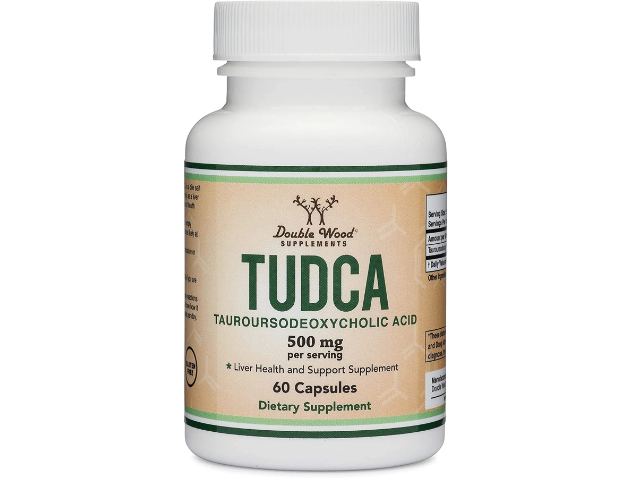
Tudca by Doublewood Supplements
Shop Now →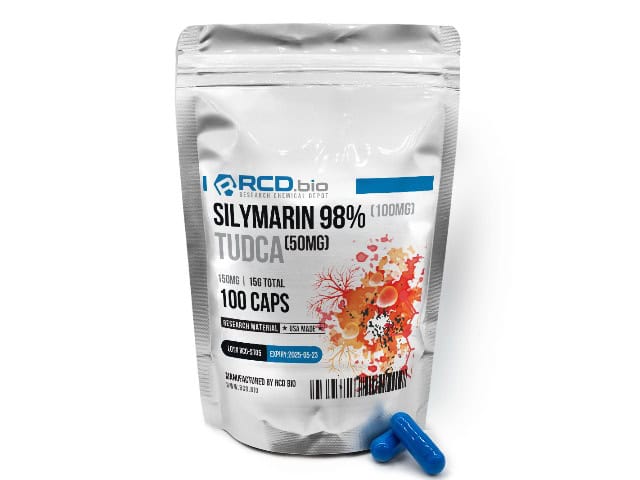
Silymarin 98% & TUDCA Capsules by Research Chemical Depot
Shop Now →Disclosure: These are affiliate links. I earn a small commission if you purchase — at no extra cost to you. I only recommend products I personally use or have thoroughly researched.
Research & Studies
This section includes 9 peer-reviewed studies referenced in our analysis.