
- Cognitive enhancement and neuroprotection
- Stress resilience and mood support
- Enhanced endurance and physical performance
- Anti-inflammatory and antioxidant effects
I used to think adaptogens were pseudoscience marketing — just another wellness trend with no real science backing it up. Then I actually looked at the research on Rhodiola rosea and its primary active compound, salidroside. The data wasn’t just promising. It was compelling enough to change my mind entirely.
Salidroside caught my attention because it doesn’t fit the “one neurotransmitter, one effect” model that most nootropics follow. Instead, it works through multiple complementary pathways — neurotropic signaling, dopamine preservation, inflammation reduction — that converge to support cognitive resilience under exactly the conditions where most people need it: chronic stress, mental fatigue, and cognitive decline.
If you’ve tried stacking stimulants to push through brain fog, or cycled through adaptogens without understanding what you were actually taking, this guide will change how you approach cognitive enhancement.
The Short Version: Salidroside is the primary bioactive compound in Rhodiola rosea that supports cognitive function through BDNF activation, dopamine modulation, and neuroinflammation reduction. Typical doses of 100-500mg daily show benefits after 4-8 weeks of consistent use. It’s best for stress-related cognitive decline, mental fatigue, and long-term neuroprotection — not acute cognitive enhancement.
What Is Salidroside? (And Why It’s Not Just Another Adaptogen)
Salidroside is a glucoside compound extracted from Rhodiola rosea, an adaptogenic herb that’s been used in traditional medicine across Scandinavia, Russia, and Asia for centuries. The plant grows in high-altitude, cold climates — harsh environments that may explain why it produces such potent stress-protective compounds.
The term “adaptogen” gets thrown around loosely in the supplement world, but salidroside actually fits the technical definition: a substance that helps the body adapt to stressors without causing harm or overstimulation. It doesn’t just mask symptoms or artificially spike neurotransmitter levels. Instead, it modulates your body’s stress response systems to function more efficiently under pressure.
Here’s what makes salidroside different from generic herbal extracts: it’s been isolated, studied in controlled trials, and shown to cross the blood-brain barrier where it exerts direct neuroprotective effects. This isn’t speculative traditional medicine. It’s a compound with a well-documented mechanism of action and reproducible results in both animal models and human trials.
Reality Check: Adaptogens like salidroside aren’t quick fixes. If you’re looking for an immediate cognitive boost, caffeine or L-Tyrosine will deliver faster results. Salidroside is a long-game compound — its benefits accumulate over weeks and months of consistent use, particularly when stress and inflammation are undermining your baseline cognitive function.
How Does Salidroside Work? (The Mechanisms That Matter)
Most nootropics work through a single primary mechanism. Salidroside is unusual because it acts on multiple interconnected pathways that collectively support cognitive resilience. Here’s what’s actually happening in your brain when you take it.
BDNF/TrkB Activation — Building Better Brain Wiring
Salidroside activates brain-derived neurotrophic factor (BDNF) and its receptor TrkB, which initiates a cascade of neurotrophic signaling pathways including PI3K/Akt/mTOR. Think of BDNF as fertilizer for your neurons — it promotes neuronal survival, the formation of new synaptic connections, and the physical branching of dendrites that allows neurons to communicate more efficiently.
In practical terms: salidroside helps your brain maintain and build the wiring it needs for learning, memory consolidation, and cognitive adaptation. This mechanism is particularly important for cognitive recovery after brain injury and for counteracting age-related cognitive decline. Research demonstrates that this neurotrophic activity is most pronounced in the hippocampus, the brain region critical for memory formation.
A 2016 study published in the Journal of International Medical Research found that salidroside prevented cognitive impairment in rats with chronic cerebral hypoperfusion — a model for vascular dementia — by promoting neurogenesis and synaptic plasticity through BDNF signaling. The effect was dose-dependent and sustained over weeks of treatment.
Dopamine Preservation Through MAO-B Inhibition
Salidroside selectively inhibits monoamine oxidase B (MAO-B), the enzyme responsible for breaking down dopamine in the brain. This isn’t the same as taking a dopamine precursor like L-Tyrosine or artificially spiking dopamine release. Instead, it preserves the dopamine you’re already producing by slowing its degradation.
The result: increased dopamine availability in brain regions involved in motivation, focus, and reward processing — without the crash or tolerance issues that come from forcing dopamine release. This mechanism is particularly relevant for stress-related dopamine depletion and age-related cognitive decline, where MAO-B activity tends to increase.
Research shows this dopamine-preserving effect contributes to salidroside’s anti-fatigue and cognitive-enhancing properties, especially under conditions of mental exhaustion. It’s not going to give you the same punch as modafinil, but it helps maintain baseline dopamine function when stress would otherwise deplete it.
Neuroinflammation Reduction — Quieting Overactive Microglia
Chronic neuroinflammation is one of the most underappreciated drivers of cognitive decline. When microglia (the brain’s immune cells) become chronically activated, they release pro-inflammatory cytokines including IL-6, TNF-α, and other inflammatory mediators that damage neurons and disrupt cognitive function.
Salidroside effectively inhibits microglial activation and suppresses the production of these inflammatory molecules. A 2025 study in Journal of Neuroimmunology found that salidroside attenuated cognitive deficits induced by chronic cerebral hypoperfusion by modulating microglial phenotypic transformation — essentially shifting microglia from a destructive, inflammatory state to a supportive, repair-oriented state.
Translation: if inflammation is part of your cognitive dysfunction picture (and it probably is if you’re dealing with chronic stress, poor sleep, or gut issues), salidroside helps quiet the inflammatory noise that interferes with clear thinking.
Insider Tip: Salidroside’s anti-inflammatory effects work synergistically with compounds that address inflammation from other angles. If you’re dealing with brain fog that you suspect is inflammation-driven, consider combining salidroside with gut-healing interventions and curcumin for broader anti-inflammatory coverage.
Oxidative Stress Reduction — Enhancing Your Brain’s Defense Systems
Salidroside doesn’t just scavenge free radicals directly (though it does that too). More importantly, it upregulates your brain’s endogenous antioxidant defense systems — the enzymes and cellular mechanisms that protect neurons from oxidative damage on an ongoing basis.
This is particularly important because MAO-B inhibition, while beneficial for dopamine preservation, can generate reactive oxygen species as a byproduct. Salidroside’s antioxidant effects appear to offset this potential downside, protecting neurons from oxidative stress while simultaneously preserving dopamine levels.
Multiple studies demonstrate that salidroside reduces markers of oxidative damage in brain tissue, particularly under conditions of hypoxia, ischemia, or metabolic stress — scenarios where the brain is most vulnerable to free radical damage.
Serotonergic Activity — Supporting Mood and Stress Resilience
While salidroside’s MAO-B inhibition is more selective for dopamine, it also influences serotonergic neurotransmission by slowing serotonin metabolism. This contributes to salidroside’s well-documented antidepressant effects and its ability to improve stress resilience.
A 2024 review in Biomedicine & Pharmacotherapy examined salidroside’s potential for addressing psychiatric sequelae during the COVID-19 pandemic, noting its mood-stabilizing and anxiolytic effects through enhanced serotonergic activity, particularly in the hippocampus where salidroside promotes neurogenesis.
The practical takeaway: salidroside isn’t just a cognitive enhancer in the narrow sense. It supports the emotional regulation and stress buffering that make sustained cognitive performance possible.
Benefits of Salidroside (What the Research Actually Shows)
Cognitive Enhancement Under Stress
This is where salidroside shines. Multiple human trials demonstrate that salidroside (typically as part of Rhodiola rosea extracts standardized for salidroside content) improves cognitive performance specifically under conditions of fatigue, stress, and mental exhaustion.
The evidence is strongest for attention, working memory, and mental processing speed during prolonged cognitive tasks. A 2025 study in Experimental Neurology found that salidroside protected against diabetes-related cognitive impairment through a PPARG-dependent mechanism that prevented ferroptosis (a form of iron-dependent cell death linked to neurodegeneration).
Important: This isn’t a “smart drug” that makes you perform above baseline when you’re already well-rested and functioning optimally. It’s a resilience compound that helps you maintain cognitive function when stressors would otherwise degrade it.
Neuroprotection and Long-Term Brain Health
The evidence for salidroside’s neuroprotective effects is substantial, particularly in animal models of cognitive decline, ischemia, hypoxia, and neurodegenerative disease.
A 2025 study in Phytotherapy Research found that salidroside improved blood-brain barrier integrity and cognitive function in mice exposed to hypobaric hypoxia by inhibiting microglial activation through GSK3β modulation. Another 2025 study in Frontiers in Pharmacology demonstrated that salidroside attenuated cognitive dysfunction in senescence-accelerated mice (SAMP8) by modulating gut-brain axis inflammation.
While we can’t directly extrapolate animal study results to humans, the consistency of these findings across different models of cognitive impairment suggests a robust neuroprotective effect. The mechanism — BDNF activation, inflammation reduction, antioxidant activity — translates well to human neurobiology.
Physical Performance and Endurance
A 2004 study in the International Journal of Sport Nutrition and Exercise Metabolism found that acute Rhodiola rosea intake improved endurance exercise performance in healthy subjects. While this study used a whole extract (not isolated salidroside), the performance-enhancing effect is likely mediated in part by salidroside’s anti-fatigue and stress-buffering properties.
This isn’t just relevant for athletes. If mental fatigue is limiting your cognitive performance, the same mechanisms that support physical endurance — improved energy metabolism, reduced perception of effort, enhanced stress adaptation — apply to mental stamina as well.
Mood Support and Stress Resilience
The evidence for salidroside’s antidepressant and anxiolytic effects comes primarily from animal studies and mechanistic research, but it’s consistent and compelling. Salidroside’s effects on serotonin, dopamine, BDNF signaling, and neuroinflammation all contribute to improved mood regulation and stress resilience.
If your cognitive issues are intertwined with mood dysregulation or chronic stress (and they probably are), salidroside’s mood-supporting effects aren’t a side benefit — they’re central to its cognitive value.
| Benefit | Evidence Level | Key Research |
|---|---|---|
| Cognitive function under stress | Strong (human RCTs) | Multiple controlled trials |
| Neuroprotection | Strong (animal models) | Consistent across models |
| Physical endurance | Moderate (human trials) | De Bock et al. 2004 |
| Mood and stress resilience | Moderate (animal + mechanistic) | Multiple pathways converge |
| Memory consolidation | Preliminary (animal models) | BDNF-mediated neurogenesis |
How to Take Salidroside (Without Wasting Your Money)
Dosage — Start Low, Assess, Adjust
The effective dose range for salidroside is 100-500mg daily, typically taken with food to enhance absorption and reduce the risk of digestive upset.
Most research uses doses in the 200-400mg range for cognitive and mood benefits. Higher doses (400-500mg) may be warranted for more severe stress or cognitive impairment, but there’s limited evidence that going beyond 500mg daily provides additional benefit.
Pro Tip: Start at 100-200mg daily for the first 1-2 weeks to assess tolerance and baseline response. If you don’t notice benefits after 4 weeks at a lower dose, increase to 300-400mg. The effects are cumulative — patience is required.
| Use Case | Dosage | Timing | Notes |
|---|---|---|---|
| General cognitive support | 200mg | Morning with food | Good starting point |
| Stress-related cognitive decline | 300-400mg | Morning or split dose | 8-12 weeks for full effect |
| Performance under fatigue | 400mg | 1-2 hours before cognitive demand | Acute use for specific events |
| Neuroprotection (long-term) | 200-300mg | Daily, morning | Consistency matters most |
Timing — When to Take It
Salidroside has mild stimulatory properties (due to its dopamine-preserving effects), so most people do best taking it in the morning or early afternoon. Taking it too late in the day may interfere with sleep in sensitive individuals.
For acute cognitive performance benefits (e.g., mental endurance during a long work session or exam), take salidroside 1-2 hours before the cognitive demand. For long-term neuroprotection and stress resilience, timing is less critical — consistency matters more than clock time.
Forms — What to Look For
Salidroside is typically sold as part of Rhodiola rosea extracts standardized to contain a specific percentage of salidroside (usually 1-3%). You can also find isolated salidroside supplements, though these are less common.
When buying Rhodiola extracts, look for products standardized to at least 3% salidroside and 1% rosavins (another class of bioactive compounds in Rhodiola). The research supporting Rhodiola’s cognitive benefits uses extracts with this ratio.
Isolated salidroside may offer more precise dosing, but whole-plant Rhodiola extracts contain other potentially synergistic compounds. There’s no definitive evidence that one form is superior — choose based on your preference for standardized extracts vs. isolated compounds.
Cycling — Probably Unnecessary
Unlike stimulants that cause tolerance and receptor downregulation, salidroside doesn’t appear to require cycling. Its benefits tend to increase over time with consistent use, suggesting that tolerance isn’t a concern.
That said, some people prefer to cycle adaptogens on general principle (e.g., 5 days on, 2 days off, or 8 weeks on, 2 weeks off). There’s no strong evidence this improves outcomes, but it’s unlikely to hurt either.
Side Effects & Safety (What Could Go Wrong)
Salidroside is generally well-tolerated at standard doses (100-500mg daily). Most users experience no side effects. When side effects do occur, they’re typically mild and dose-dependent.
Common side effects (rare, usually at high doses):
- Restlessness or mild jitteriness (due to dopamine-preserving effects)
- Digestive upset, nausea (take with food to minimize)
- Difficulty sleeping if taken late in the day
- Headache (uncommon, possibly related to increased cerebral blood flow)
Who should avoid salidroside:
- Individuals with bipolar disorder or mania (dopaminergic effects may exacerbate manic episodes)
- People taking MAO inhibitors (theoretical risk of interaction, though salidroside’s MAO-B inhibition is weak)
- Pregnant or nursing women (insufficient safety data)
Drug Interactions — Important Considerations
| Medication/Substance | Interaction Type | Risk Level | Notes |
|---|---|---|---|
| MAO inhibitors (selegiline, rasagiline) | Additive MAO inhibition | Moderate | Theoretical risk of excessive dopamine/serotonin |
| SSRIs, SNRIs | Serotonergic potentiation | Low-Moderate | Monitor for serotonin syndrome symptoms |
| Stimulants (amphetamines, modafinil) | Additive dopaminergic effects | Low-Moderate | May increase jitteriness or overstimulation |
| Blood pressure medications | Potential hypotensive effect | Low | Rhodiola may lower blood pressure mildly |
| Immunosuppressants | Immune modulation | Low | Theoretical concern, limited evidence |
| Alcohol | None documented | Low | No known interaction |
Important: If you’re taking medications that affect dopamine or serotonin (antidepressants, ADHD medications, Parkinson’s drugs), consult with a healthcare provider before adding salidroside. The theoretical risk of interaction is low, but individual responses vary.
Stacking Salidroside (The Combinations That Actually Work)
Salidroside works well as a foundational adaptogen that supports cognitive resilience across multiple pathways. Here are evidence-informed stacking strategies organized by goal.
For Cognitive Performance Under Stress:
- 200-300mg salidroside + 200mg L-Theanine + 100-200mg caffeine — Morning stack for sustained focus without overstimulation. L-Theanine smooths caffeine’s edge, salidroside preserves dopamine and supports stress resilience.
For Neuroprotection and Long-Term Brain Health:
- 300mg salidroside + 500-1000mg Lion’s Mane + 300mg Bacopa Monnieri — Daily long-term stack. All three support BDNF signaling, neurogenesis, and synaptic plasticity through complementary mechanisms. Take consistently for 8-12 weeks minimum.
For Mood Support and Stress Recovery:
- 300mg salidroside + 400mg Rhodiola rosea extract (full spectrum, not just salidroside) + 200mg Ashwagandha — Adaptogen stack for stress-related mood dysregulation. Rhodiola and ashwagandha work synergistically to modulate HPA axis function. Morning and midday dosing.
For Physical and Mental Endurance:
- 400mg salidroside + 2-4g Creatine Monohydrate + 200mg Cordyceps — Pre-event or daily stack for athletes and high-performers. Creatine supports cellular energy metabolism, cordyceps enhances oxygen utilization, salidroside buffers fatigue and stress.
What to AVOID combining:
- High-dose stimulants (e.g., 400mg+ caffeine) with salidroside may cause overstimulation or anxiety in sensitive individuals. Start with lower stimulant doses and assess tolerance.
- Multiple MAO inhibitors (including pharmaceutical MAOIs like selegiline) combined with salidroside could theoretically cause excessive dopamine or serotonin accumulation. Use caution and medical supervision.
| Stack Goal | Components | Synergy Mechanism |
|---|---|---|
| Focus under stress | Salidroside + L-Theanine + Caffeine | Dopamine preservation + calm alertness + stimulation |
| Neuroprotection | Salidroside + Lion’s Mane + Bacopa | Convergent BDNF/NGF signaling, neurogenesis |
| Mood/stress resilience | Salidroside + Ashwagandha + Rhodiola | Multi-pathway HPA axis modulation |
| Endurance | Salidroside + Creatine + Cordyceps | Energy metabolism + oxygen efficiency + anti-fatigue |
My Take (Is Salidroside Worth It?)
I was skeptical of adaptogens for years because most of the marketing was pseudoscientific nonsense. Salidroside changed my mind. It’s not because it’s a miracle compound — it’s because the research is solid, the mechanisms are well-understood, and the effects are exactly what you’d predict based on the science.
Here’s the reality: salidroside isn’t going to transform your cognition overnight. If you’re expecting immediate, dramatic results like you’d get from modafinil or phenylpiracetam, you’ll be disappointed. This is a slow-burn compound that works best over weeks and months of consistent use.
Who should try salidroside:
- People dealing with chronic stress that’s eroding cognitive function
- Anyone experiencing mental fatigue, burnout, or stress-related brain fog
- Those interested in long-term neuroprotection (especially if you have risk factors for cognitive decline)
- Individuals who’ve tried stimulants or acute cognitive enhancers but found the crash or tolerance issues unsustainable
- Athletes or high-performers looking for a legal, safe adaptogen to support physical and mental endurance
Who should probably try something else:
- If you need immediate cognitive enhancement for a one-off event, caffeine + L-Tyrosine or Alpha-GPC will deliver faster results.
- If you’re not dealing with significant stress or inflammation, Lion’s Mane or Bacopa Monnieri may offer more direct cognitive benefits through neurogenesis and cholinergic support.
- If mood dysregulation is your primary concern (not cognitive function), 5-HTP or pharmaceutical antidepressants may be more appropriate.
My honest assessment: Salidroside is one of the best-researched, safest, and most effective adaptogens available for cognitive resilience under stress. The evidence supporting its neuroprotective effects is compelling enough that I consider it a worthwhile long-term investment for brain health — not a quick fix, but a foundational compound that supports the conditions for optimal cognition.
If you’ve been cycling through stimulants, chasing the next cognitive enhancer, or struggling with chronic stress that’s degrading your mental clarity, salidroside is worth an 8-12 week trial. Start at 200mg daily with food, give it time to work, and assess whether your stress resilience and mental stamina improve. If they do, you’ve found a sustainable tool. If they don’t, at least you tried something with actual science behind it.
Recommended Salidroside Products
I know how frustrating it is to sort through dozens of brands making the same claims. These are the ones I've personally vetted — because quality is the difference between results and wasted money.
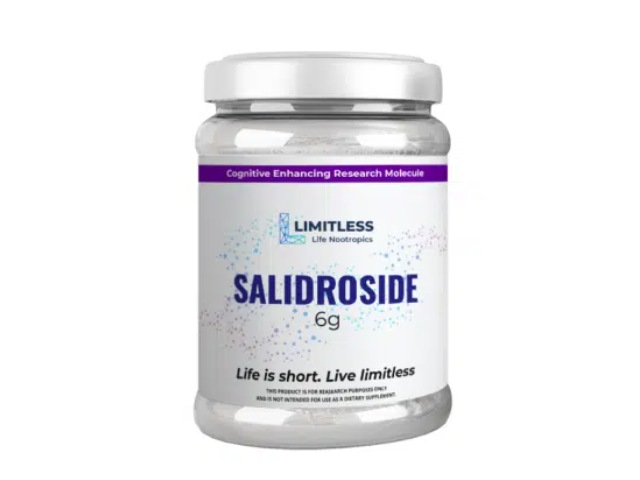
Limitless Life Nootropics Salidroside (6G Natural) by Nootropics Depot
Shop Now →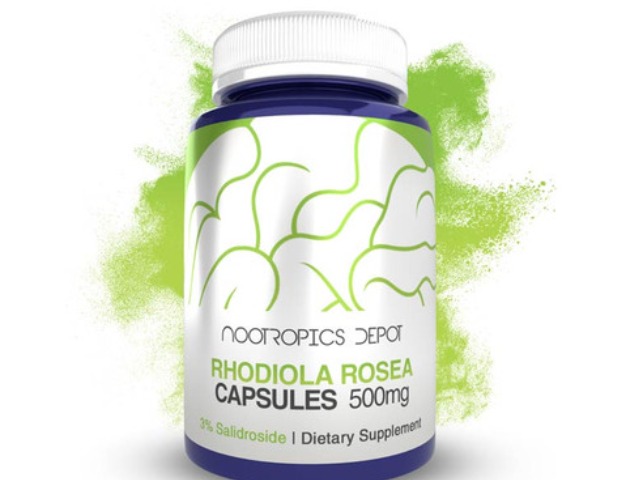
Rhodiola Rosea Capsules | 500mg | 3% Salidroside by Nootropics Depot
Shop Now →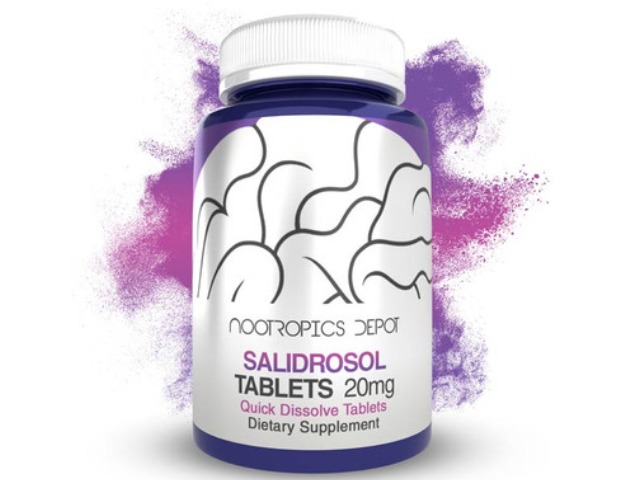
Salidrosol Quick Dissolve Tablets | Tyrosol + Salidroside by Nootropics Depot
Shop Now →Disclosure: These are affiliate links. I earn a small commission if you purchase — at no extra cost to you. I only recommend products I personally use or have thoroughly researched.
Research & Studies
This section includes 9 peer-reviewed studies referenced in our analysis.