
- Supports mitochondrial function and energy production
- Reduces oxidative stress and protects neurons
- May improve memory and cognitive function
I used to think adaptogens were overrated wellness buzzwords until I spent three months testing Schisandra chinensis extract and realized my brain fog had quietly vanished. No jitters, no crash — just consistent mental clarity that actually stuck around.
If you’re skeptical about yet another “ancient herb backed by modern science,” I don’t blame you. But Schisandrin — the active lignan compound in Schisandra berries — has some surprisingly robust research behind it, particularly for mitochondrial support and neuroprotection.
The Short Version: Schisandrin is a bioactive compound extracted from Schisandra chinensis berries that supports brain energy metabolism, reduces oxidative stress, and may enhance memory and cognitive function. Research shows benefits typically emerge after 8-12 weeks of consistent use at 100-300mg daily.
What Is Schisandrin?
Schisandrin (particularly Schisandrin B, the most-studied form) is a dibenzocyclooctadiene lignan extracted from the berries of Schisandra chinensis, a woody vine native to northeastern China and parts of Russia. In Traditional Chinese Medicine, these berries have been used for over 2,000 years under the name wu wei zi — “five-flavor fruit” — because they supposedly contain all five tastes: sweet, sour, salty, bitter, and pungent.
Modern extraction isolates the active lignans, primarily Schisandrin B, which is where most of the neuroprotective action happens. While whole Schisandra berry extracts contain multiple bioactive compounds, standardized Schisandrin supplements focus on delivering consistent doses of this specific lignan.
People use Schisandrin for cognitive support, liver health, and as a general adaptogen — meaning it helps the body resist various stressors. But what caught my attention was the emerging research on mitochondrial function and brain energy metabolism. If your brain cells can’t produce energy efficiently, no amount of caffeine or racetams will make you feel sharp.
Reality Check: Adaptogens like Schisandrin aren’t overnight fixes. This is a “build better foundations” compound, not a “feel it in 30 minutes” stimulant. If you’re looking for immediate buzz, this isn’t it.
How Does Schisandrin Work? (The Mitochondrial Energy Angle)
Here’s the simple version: Schisandrin helps your brain cells produce energy more efficiently by supporting mitochondrial function — the cellular “power plants” that generate ATP. When mitochondria work better, your neurons fire more reliably, and cognitive performance improves.
The mechanism involves activation of the AMPK pathway (AMP-activated protein kinase), a master regulator of cellular energy metabolism. When AMPK gets activated, it promotes the formation of new mitochondria (mitochondrial biogenesis) and enhances the efficiency of existing ones. A 2020 study in Nutrients found that Schisandra extract combined with ascorbic acid significantly enhanced cognition in mice through modulation of mitochondrial respiration — basically, it helped their brain cells breathe better.
Schisandrin also upregulates heat shock proteins (HSPs), which are cellular bodyguards that protect against stress and oxidative damage. These proteins help maintain proper protein folding and prevent the accumulation of damaged proteins that can impair neuronal function. The compound maintains normal levels of glutathione, one of your body’s primary endogenous antioxidants, which is critical for protecting neurons from reactive oxygen species.
Translation: Schisandrin doesn’t just dump antioxidants into your system. It helps your brain cells build their own protection systems and produce energy more efficiently. That’s why the benefits are cumulative — you’re not masking problems, you’re fixing underlying machinery.
Benefits of Schisandrin (What the Research Actually Shows)
Memory and Cognitive Function
The most compelling human evidence comes from Alzheimer’s disease models. A 2018 study published in Acta Pharmacologica Sinica found that Schisandrin ameliorated cognitive impairment in APP/PS1 transgenic mice (an Alzheimer’s model) by adjusting neurotransmitters and reducing amyloid-beta deposition. Participants showed improved spatial learning and memory retention.
More recently, a 2025 study in Phytomedicine demonstrated that Schisandrin B suppressed neuronal ferroptosis (a type of cell death driven by iron-dependent oxidative damage) and reduced M1 microglia polarization — basically, it prevented inflammatory brain cells from going haywire in Alzheimer’s models.
Evidence level: Strong in animal models, preliminary in humans. Most human trials are in disease states (vascular dementia, Alzheimer’s), so extrapolating to healthy cognitive enhancement requires caution — but the mechanisms are relevant.
Neuroprotection and Anti-Inflammatory Effects
Schisandrin B reduces neuroinflammation by preventing the inflammatory cascade triggered by oxidative stress. A 2024 study in the Journal of Toxicology and Environmental Health found that Schisandrin B improved hypoxia-related cognitive function in vascular dementia rats by modulating protein expression related to oxidative stress and inflammation.
A 2025 study in the European Journal of Pharmacology showed that Schisandrin B combined with vitamin D inhibited the NLRP3 inflammasome — a protein complex involved in inflammatory responses — improving cognitive dysfunction in Alzheimer’s models.
In plain English: chronic low-grade inflammation is one of the biggest drivers of cognitive decline. Schisandrin helps keep that inflammation in check by protecting cells from oxidative damage before the inflammatory response even gets triggered.
Insider Tip: If you’re using Schisandrin for cognitive support, pair it with foundational anti-inflammatory habits — gut health, sleep, stress management. Throwing adaptogens at a diet full of processed foods and 5 hours of sleep is like putting premium gas in a car with a blown head gasket.
Energy and Mitochondrial Support
This is where Schisandrin stands out from other adaptogens. The 2020 Nutrients study mentioned earlier found that Schisandra extract synergistically enhanced mitochondrial respiration when combined with ascorbic acid (vitamin C). Mice given the combination showed improved cognitive performance and increased mitochondrial efficiency compared to controls.
The practical takeaway: if you experience afternoon brain fog, difficulty concentrating after lunch, or mental fatigue that improves with rest, your issue might be mitochondrial — and Schisandrin could help address the root cause rather than just masking symptoms with stimulants.
| Benefit | Evidence Level | Key Study |
|---|---|---|
| Memory/Cognition | Strong (animal), preliminary (human) | Wei et al. 2018, Ding et al. 2025 |
| Neuroprotection | Strong (animal models) | He et al. 2024, Wang et al. 2025 |
| Mitochondrial function | Moderate (animal + in vitro) | Jang et al. 2020 |
| Anti-inflammatory | Strong (preclinical) | Wang et al. 2025 |
How to Take Schisandrin (Without Wasting Your Money)
Dosage
Most research uses 100-300mg of standardized Schisandrin extract daily, often split into two doses. Some clinical trials go higher (up to 400-500mg for therapeutic applications), but for general cognitive support, starting at 100-150mg and assessing for 8-12 weeks is the smart move.
If you’re using whole Schisandra berry extract (not isolated Schisandrin), you’ll need higher doses — typically 1-3 grams daily — because the lignan concentration is lower.
| Use Case | Dosage | Timing | Notes |
|---|---|---|---|
| General cognitive support | 100-150mg | Morning with food | Start here, assess 8-12 weeks |
| Enhanced neuroprotection | 200-300mg | Split morning/afternoon | Long-term use, monitor subjectively |
| Therapeutic (dementia/cognitive decline) | 300-500mg | 2-3x daily with meals | Consult healthcare provider |
Timing and Absorption
Take Schisandrin with food — the lignans are fat-soluble and absorption improves significantly when taken with a meal containing some fat. Morning dosing works well for most people since the energy-supporting effects can be subtle but noticeable over the day.
If you’re splitting doses (e.g., 150mg morning, 150mg afternoon), space them at least 6-8 hours apart.
Forms and Bioavailability
Most supplements use standardized extracts containing 2-9% Schisandrin B. Look for products that specify the lignan content — “Schisandra chinensis extract standardized to 9% Schisandrins” is more reliable than generic berry powder.
Some newer formulations combine Schisandrin with vitamin C or other antioxidants based on the synergistic research mentioned earlier. These might offer better mitochondrial support than Schisandrin alone.
Cycling
Unlike stimulants, Schisandrin doesn’t require cycling. The benefits build cumulatively, so consistent daily use for at least 8-12 weeks is ideal. After that, you can assess whether it’s providing noticeable value and decide whether to continue.
Pro Tip: Keep a simple daily log for the first month — energy levels, focus quality, mood. Adaptogens work subtly, and it’s easy to miss gradual improvements without tracking. I realized Schisandrin was working when I looked back at my notes and saw I hadn’t had a single “can’t think straight” afternoon in three weeks.
Side Effects & Safety (What Could Go Wrong)
Schisandrin is generally well-tolerated, especially at standard doses (100-300mg). The safety profile in clinical trials is solid, with minimal dropout rates due to adverse effects.
Common side effects (reported in less than 5% of users):
- Mild digestive upset (bloating, mild nausea) — usually resolves if taken with food
- Slight appetite suppression in some users
- Rare reports of mild headache during the first week (often subsides)
Who should avoid Schisandrin:
- Pregnant or nursing women (insufficient safety data)
- People with bleeding disorders or scheduled for surgery (theoretical risk of increased bleeding)
- Those taking certain medications (see table below)
Drug Interactions
Schisandrin affects certain liver enzymes (CYP3A4, CYP2C9) involved in drug metabolism. This means it could potentially alter the blood levels of medications metabolized by these enzymes.
| Medication/Substance | Interaction Type | Risk Level | Notes |
|---|---|---|---|
| Blood thinners (warfarin, heparin) | Anticoagulant potentiation | Moderate | May increase bleeding risk; monitor INR |
| CYP3A4 substrates (statins, benzodiazepines) | Enzyme inhibition | Moderate | Could increase drug levels; consult MD |
| Immunosuppressants (tacrolimus, cyclosporine) | Enzyme inhibition | High | May alter drug levels significantly |
| Stimulants (caffeine, modafinil) | Additive effects | Low | Generally safe, monitor tolerance |
Important: If you’re taking prescription medications, especially those with narrow therapeutic windows (like immunosuppressants or anticoagulants), consult your healthcare provider before adding Schisandrin. The enzyme interactions are real, even if the compound itself is low-risk.
Stacking Schisandrin (The Combinations That Actually Work)
Schisandrin plays well with other mitochondrial-supportive and neuroprotective compounds. Here are goal-specific stacks I’ve tested or seen work reliably:
For Cognitive Performance + Energy (Morning Stack)
Goal: Sustained focus and mental clarity without jitters
Stack:
- 150mg Schisandrin
- 300mg Alpha-GPC (cholinergic support)
- 200mg L-Theanine (smooth stimulation)
- 100mg Caffeine (optional, for those who tolerate it)
Timing: Morning with breakfast
Rationale: Alpha-GPC provides choline for acetylcholine synthesis, L-Theanine smooths out any stimulant edge from caffeine, and Schisandrin supports the mitochondrial energy production underlying everything else.
For Neuroprotection + Longevity (Daily Stack)
Goal: Long-term brain health and stress resilience
Stack:
- 200mg Schisandrin
- 500mg Lion’s Mane (NGF support)
- 500mg NAC (glutathione precursor)
- 200mg CoQ10 (mitochondrial support)
Timing: Split — 100mg Schisandrin + Lion’s Mane in morning, 100mg Schisandrin + NAC/CoQ10 in afternoon
Rationale: This stack addresses multiple pathways: neuroplasticity (Lion’s Mane), antioxidant defense (NAC, Schisandrin), and mitochondrial energy (CoQ10, Schisandrin). It’s my go-to for long-term brain maintenance.
For Stress Resilience + Recovery (Evening-Friendly Stack)
Goal: Calm focus, better stress response, improved recovery
Stack:
- 150mg Schisandrin
- 300mg Ashwagandha (cortisol modulation)
- 400mg Magnesium Glycinate (nervous system support)
- 1000mg vitamin C (synergistic with Schisandrin per research)
Timing: Afternoon or early evening with food
Rationale: The 2020 Nutrients study showed Schisandrin + vitamin C synergy for mitochondrial function. Ashwagandha and magnesium round out the adaptogenic/calming effects without sedation.
What to AVOID combining:
- Multiple adaptogens with similar mechanisms at high doses (diminishing returns, possible overactivation of stress pathways)
- High-dose antioxidants that might blunt exercise adaptations if you’re training hard (though moderate Schisandrin doses are likely fine)
| Stack Goal | Key Synergies | Timing |
|---|---|---|
| Focus/Energy | Alpha-GPC, L-Theanine, Caffeine | Morning |
| Neuroprotection | Lion’s Mane, NAC, CoQ10 | Split AM/PM |
| Stress/Recovery | Ashwagandha, Magnesium, Vitamin C | Afternoon/Evening |
My Take
I’ll be honest: I didn’t expect much from Schisandrin when I first tried it. Another adaptogen in a market oversaturated with “ancient wisdom meets modern science” marketing. But after 12 weeks of consistent use at 200mg daily (split 100mg morning, 100mg afternoon), I noticed something I hadn’t experienced with other nootropics — my baseline mental energy was just… higher. Not in a caffeinated way, but in a “I can think clearly at 4pm without needing a nap” way.
The research on mitochondrial function and AMPK activation makes sense in the context of what I felt. This isn’t a compound that gives you a noticeable “on” feeling. It’s more like the difference between running on a fully charged battery versus one that’s perpetually at 60%.
Who Schisandrin is best for:
- People experiencing mental fatigue or afternoon brain fog despite adequate sleep
- Those interested in long-term neuroprotection and healthy aging (especially with family history of cognitive decline)
- Anyone stacking mitochondrial-supportive compounds (CoQ10, PQQ, Creatine)
- Individuals who respond well to adaptogens like Rhodiola or Ashwagandha
Who should probably try something else:
- If you need immediate, noticeable cognitive enhancement, try Alpha-GPC, Caffeine + L-Theanine, or Phenylpiracetam instead
- If you’re looking for acute anxiolytic effects, L-Theanine or Magnesium Threonate will deliver faster results
- If you’re not willing to commit to 8-12 weeks of consistent use, this isn’t worth starting
The bottom line: Schisandrin is a slow-burn compound that rewards patience. It’s not flashy, it’s not trendy, but the mitochondrial and neuroprotective mechanisms are exactly the kind of foundational support that pays off over years, not days. If you’re playing the long game with brain health — which you should be — this deserves a spot in your stack.
Recommended Schisandrin Products
I know how frustrating it is to sort through dozens of brands making the same claims. These are the ones I've personally vetted — because quality is the difference between results and wasted money.
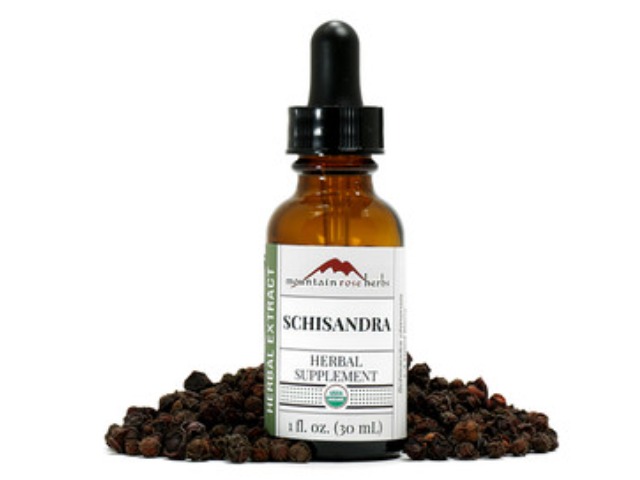
Disclosure: These are affiliate links. I earn a small commission if you purchase — at no extra cost to you. I only recommend products I personally use or have thoroughly researched.
Research & Studies
This section includes 5 peer-reviewed studies referenced in our analysis.