
- Reduces oxidative stress and neuronal damage
- Supports neuroprotection in cognitive decline models
- May help modulate neuroinflammation
I’ll be honest — I spent years chasing exotic nootropics with names I couldn’t pronounce, ordering powders from obscure vendors, and completely ignoring one of the most well-researched neuroprotective compounds on the planet. A compound so accessible it’s literally sitting in your kitchen cabinet.
That compound is tyrosol. And if you’ve ever drizzled extra virgin olive oil on a salad, you’ve already consumed it.
Here’s what changed my perspective: a 2020 study showed that tyrosol reduced amyloid-beta toxicity and improved cognitive function in Alzheimer’s disease model mice. Not some synthetic research chemical. Not a patented pharmaceutical. A simple phenolic compound from olives.
The Short Version: Tyrosol is a natural antioxidant found in olive oil with emerging evidence for neuroprotection and cognitive support. While research is preliminary (mostly animal studies), it shows promise for reducing oxidative stress, modulating neuroinflammation, and protecting against age-related cognitive decline. Best consumed through high-quality olive oil rather than isolated supplements.
What Is Tyrosol? (The Compound You’re Already Eating)
Tyrosol is a phenolic alcohol — a class of plant compounds known for their antioxidant properties — found naturally in olives, olive oil, wine, and certain other Mediterranean diet staples. It’s one of several bioactive compounds that help explain why the Mediterranean diet consistently shows up in longevity and cognitive health research.
The compound has been consumed by humans for thousands of years, which gives it a safety profile that most synthetic nootropics can’t touch. It’s also a metabolite of salidroside (one of the active compounds in Rhodiola Rosea), which means your body already knows how to process it.
What makes tyrosol interesting from a nootropics perspective isn’t just its antioxidant activity — lots of compounds have that. It’s the accumulating evidence that it may specifically protect brain tissue from the kinds of damage that contribute to cognitive decline, particularly oxidative stress and neuroinflammation.
But here’s the reality check you won’t hear from supplement marketers: tyrosol research is still in the early stages. Most of the compelling data comes from animal studies and cell culture experiments. Human trials are limited. That doesn’t mean it doesn’t work — it means we’re working with promising preliminary evidence, not bulletproof clinical proof.
How Does Tyrosol Work? (Three Mechanisms That Matter)
Think of your brain like a high-performance engine that runs 24/7 without a break. That constant metabolic activity generates waste products — specifically reactive oxygen species (free radicals) that can damage cellular machinery if they’re not neutralized. Tyrosol functions as part of your brain’s cleanup crew.
The antioxidant effect: Tyrosol’s phenolic structure allows it to donate electrons to neutralize free radicals, particularly the ones generated during normal cellular metabolism. A 2020 study in the Journal of Alzheimer’s Disease found that tyrosol reduced oxidative damage markers in brain tissue and protected against amyloid-beta-induced neurotoxicity in mice. The researchers noted that tyrosol was particularly effective at preventing lipid peroxidation — the kind of oxidative damage that affects cell membranes and can impair neuronal signaling.
Translation: it helps prevent the molecular equivalent of rust from accumulating in your brain cells.
The anti-inflammatory pathway: Chronic neuroinflammation — the brain’s immune system stuck in overdrive — is increasingly recognized as a driver of cognitive decline. Tyrosol appears to modulate inflammatory signaling pathways, helping to control the production of pro-inflammatory cytokines without completely suppressing the immune response your brain actually needs.
A 2024 study in the Journal of Agricultural and Food Chemistry examined hydroxytyrosol (a closely related compound) and found it modulated brain-derived neurotrophic factor (BDNF) expression while reducing inflammatory markers in obese mice with cognitive impairment. While tyrosol and hydroxytyrosol aren’t identical, they share similar mechanisms.
The potential adrenergic activity: This one’s more speculative, but tyrosol’s structural relationship to other phenolic compounds suggests it may interact with noradrenergic systems involved in attention and stress response. Think of it as a possible supporting player in the neurotransmitter orchestra, not a lead instrument.
The practical takeaway: tyrosol doesn’t work like a stimulant that you “feel” in an hour. It’s more like a long-term maintenance compound that may help protect against the accumulating damage that leads to cognitive decline over years.
Benefits of Tyrosol (What the Research Actually Shows)
Let’s be clear about the evidence hierarchy here. We have promising animal data and mechanistic studies. We don’t have large-scale human randomized controlled trials specifically testing tyrosol as a cognitive enhancer.
That said, here’s what the research suggests:
Neuroprotection against oxidative damage (moderate evidence): The 2020 Taniguchi study I mentioned earlier found that tyrosol administration reduced amyloid-beta oligomer toxicity, improved synaptic function markers, and enhanced cognitive performance in Alzheimer’s model mice. The mice receiving tyrosol showed better performance in memory tests and lower levels of oxidative stress biomarkers compared to controls.
Support for age-related cognitive function (preliminary evidence): While direct human trials on tyrosol are scarce, the broader research on olive oil consumption — which contains tyrosol along with other polyphenols like oleocanthal and hydroxytyrosol — consistently shows cognitive benefits. A challenge here is separating tyrosol’s specific contribution from the other compounds.
Potential mood and stress support (speculative): Based on its metabolic relationship to salidroside and structural similarities to other phenolic compounds, tyrosol may support healthy stress response. But this is extrapolation, not established fact.
Reality Check: The tyrosol research is exciting, but it’s not at the “proven human cognitive enhancer” stage yet. The strongest case for tyrosol right now is as part of a broader neuroprotective nutrition strategy — the Mediterranean diet pattern — rather than as an isolated supplement miracle.
How to Take Tyrosol (The Food-First Approach)
Here’s where tyrosol differs from most compounds covered on this site: you’re almost certainly better off getting it from food than from isolated supplements.
Dietary sources (recommended approach):
- Extra virgin olive oil: 2-3 tablespoons daily provides approximately 5-10mg of tyrosol along with other beneficial polyphenols
- Olives: Particularly black olives, which have higher polyphenol content
- Red wine: Contains tyrosol, though alcohol’s cognitive effects are a mixed bag at best
| Food Source | Approximate Tyrosol Content | Notes |
|---|---|---|
| EVOO (2 tbsp) | 5-10mg | Choose high-quality, fresh oil |
| Black olives (100g) | 3-7mg | Whole food matrix benefits |
| Red wine (5oz) | 1-3mg | Alcohol trade-offs apply |
Why food over supplements:
- Tyrosol works synergistically with other olive oil polyphenols (hydroxytyrosol, oleuropein)
- The food matrix may enhance absorption and bioavailability
- You get additional benefits from the healthy fats and other phytonutrients
- Isolated tyrosol supplements are not widely available or well-studied for safety
Isolated supplement dosing (if available): No established optimal dose exists. Animal studies typically use doses that would translate to roughly 50-200mg in humans, but this is speculative. If considering isolated supplements, start at the low end and assess tolerance.
Timing: Tyrosol is fat-soluble, so consume with meals containing healthy fats for optimal absorption. Morning or midday intake makes sense if you’re using olive oil as part of your regular diet.
Pro Tip: Quality matters enormously with olive oil. Many supermarket “extra virgin” oils are adulterated or oxidized. Look for oils with harvest dates (not just “best by”), stored in dark glass bottles, and ideally from single estates. The stronger the peppery taste, generally the higher the polyphenol content.
Side Effects & Safety (What Could Go Wrong)
The good news: tyrosol consumed through food has thousands of years of safe use in Mediterranean populations. It’s generally recognized as safe.
The caveat: isolated tyrosol supplements haven’t been extensively studied for safety in humans at high doses.
Potential side effects (mostly theoretical):
- Mild digestive upset if consuming large amounts of olive oil (this is about the oil, not tyrosol specifically)
- Potential blood thinning effects due to antioxidant properties — theoretical concern, not documented in clinical reports
Who should be cautious:
- People on anticoagulant medications (warfarin, aspirin, etc.) — the antioxidant effects of concentrated polyphenols may theoretically enhance blood thinning
- Anyone with olive allergies (rare but possible)
- Pregnant/nursing women considering isolated supplements (food sources are fine)
Drug interactions:
| Medication/Substance | Interaction Type | Risk Level | Notes |
|---|---|---|---|
| Blood thinners (warfarin, aspirin) | Anticoagulant potentiation | Low-Moderate | Theoretical concern with high-dose polyphenols; food sources unlikely to cause issues |
| Antihypertensives | Additive blood pressure lowering | Low | Olive oil consumption may support healthy blood pressure; monitor if on medication |
| Statins | Potential synergy | Low | May be beneficial; olive oil consumption associated with improved lipid profiles |
Important: If you’re on anticoagulant medication and considering high-dose polyphenol supplements (not food sources), discuss with your healthcare provider. The interaction risk is theoretical but worth monitoring.
Stacking Tyrosol (The Combinations That Actually Work)
Since tyrosol is best consumed through olive oil, “stacking” it looks different than typical nootropic combinations. Think of it as a foundational neuroprotective dietary pattern rather than a targeted supplement stack.
For Long-Term Cognitive Health & Neuroprotection:
- Morning: 1 tbsp EVOO (in smoothie or drizzled on breakfast) + Lion’s Mane 500-1000mg + Bacopa Monnieri 300mg
- Lunch: 1 tbsp EVOO (in salad dressing) + Curcumin 500mg (with black pepper for absorption)
- Evening: Magnesium Threonate 2000mg before bed
This combination pairs tyrosol’s antioxidant and anti-inflammatory effects with other compounds that support neuroplasticity (Lion’s Mane), memory consolidation (Bacopa), and systemic inflammation reduction (curcumin).
For Focus & Productivity with Neuroprotective Base:
- Morning: 1-2 tbsp EVOO + L-Tyrosine 500mg + Caffeine 100mg + L-Theanine 200mg
- Afternoon: Alpha-GPC 300mg with a small amount of EVOO for fat-soluble nutrient absorption
This gives you the acute cognitive boost from caffeine and tyrosine while establishing a neuroprotective baseline with tyrosol and other healthy fats.
For Stress Resilience & Recovery:
- Morning: EVOO + Rhodiola Rosea 300-400mg (interesting since Rhodiola contains salidroside, which metabolizes to tyrosol)
- Evening: Ashwagandha 300-500mg + Phosphatidylserine 100mg
| Stack Goal | Core Combination | Timing | Synergy Mechanism |
|---|---|---|---|
| Neuroprotection | EVOO + Lion’s Mane + Bacopa | Morning/lunch | Antioxidants + neuroplasticity support |
| Acute Performance | EVOO + Tyrosine + Caffeine + Theanine | Morning | Protective base + neurotransmitter support |
| Stress & Recovery | EVOO + Rhodiola + Ashwagandha | Morning/evening | Adaptogenic synergy + metabolic connection |
What to avoid:
- Don’t heat olive oil to high temperatures (destroys polyphenols including tyrosol) — use for low-heat cooking or raw applications only
- Don’t expect tyrosol to replace foundational health practices — it’s an enhancement to a solid baseline, not a shortcut
My Take (The Unsexy Truth About Olive Oil)
I’m going to be honest about my bias here: I think the obsession with exotic, isolate-form nootropics causes people to overlook some of the most well-supported cognitive health interventions on the planet. The Mediterranean diet — of which olive oil is a cornerstone — has decades of human epidemiological data showing cognitive benefits.
Tyrosol isn’t going to give you a noticeable focus boost an hour after you take it. It’s not going to make you feel superhuman. What it may do — and the evidence here is promising but not conclusive — is provide a layer of neuroprotective support that compounds over years.
I use high-quality extra virgin olive oil daily. Two tablespoons in my morning smoothie, another tablespoon or two in salad dressings or drizzled on cooked vegetables. Not because I’m trying to megadose tyrosol, but because the totality of evidence for olive oil polyphenols is compelling enough that it’s worth making it a dietary staple.
Who should prioritize tyrosol-rich foods:
- Anyone interested in long-term cognitive health and neuroprotection (basically everyone over 30)
- People with family history of neurodegenerative disease looking for evidence-based dietary interventions
- Anyone already following or interested in Mediterranean-style eating patterns
- People who respond well to antioxidant/anti-inflammatory approaches for brain health
Who should try something else:
- If you’re looking for acute cognitive enhancement you can feel within hours, focus on caffeine + L-theanine, Alpha-GPC, or Rhodiola Rosea instead
- If you need targeted neurotransmitter support, L-Tyrosine or 5-HTP are better choices
- If you want well-established supplement forms with dosing precision, stick with Bacopa Monnieri or Lion’s Mane
The honest assessment: tyrosol is part of a lifestyle approach to cognitive health, not a standalone supplement strategy. Buy the best olive oil you can afford. Use it generously. Combine it with other evidence-based dietary and lifestyle practices. And don’t expect miracles — expect incremental, long-term support for keeping your brain healthy as you age.
That’s not sexy. But it’s probably true.
Recommended Tyrosol Products
I know how frustrating it is to sort through dozens of brands making the same claims. These are the ones I've personally vetted — because quality is the difference between results and wasted money.
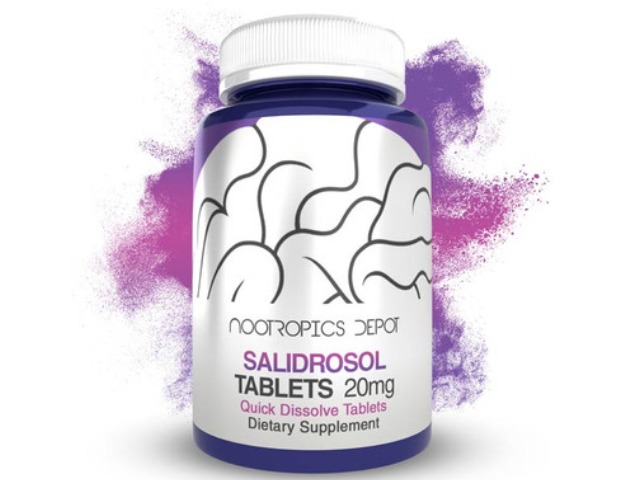
Salidrosol Quick Dissolve Tablets | Tyrosol + Salidroside by Nootropics Depot
Shop Now →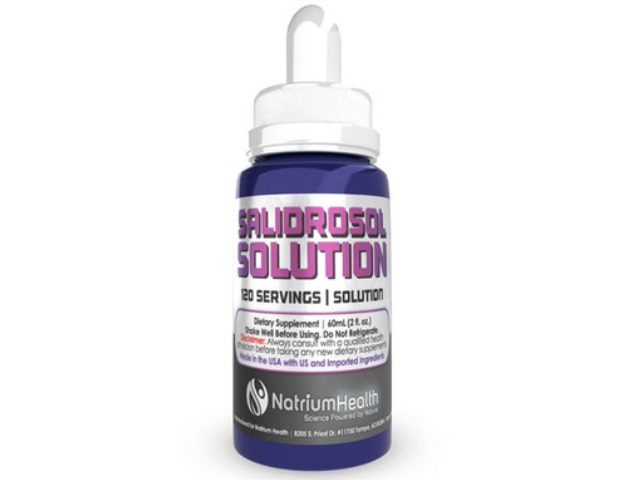
See Tyrosol and Salidroside Benefits by Nootropics Depot
Shop Now →Disclosure: These are affiliate links. I earn a small commission if you purchase — at no extra cost to you. I only recommend products I personally use or have thoroughly researched.
Research & Studies
This section includes 4 peer-reviewed studies referenced in our analysis.