Three years ago, I was juggling a podcast, a supplement brand, and about fourteen browser tabs — and I couldn’t focus on any of them for more than eight minutes. I tried every “focus hack” the internet served up. Most were garbage. A few actually worked. The difference? Evidence.
Here’s the thing nobody tells you about biohacking focus: it’s not about finding one magic pill. It’s about stacking the right foundations with the right compounds, in the right order. Get that wrong and you’re just burning money on capsules that end up in the supplement graveyard under your bathroom sink. I’ve been there.
This guide is the result of years of self-experimentation, hundreds of research papers, and conversations with neuroscientists on my podcast. I’m going to walk you through exactly what works — starting with the stuff that costs nothing.
The Short Version: The most effective focus biohacks combine foundational habits (sleep, exercise, nutrition) with targeted nootropics like Citicoline, L-Theanine + Caffeine, and Bacopa Monnieri. Start with the free stuff first, then add one supplement at a time. Below, I break down 10 methods with specific protocols, dosages, and the science behind each.
Why Your Focus Is Broken (And Why It’s Not Your Fault)
Before we get into solutions, let’s be honest about the problem. The average knowledge worker gets interrupted every 11 minutes and takes 25 minutes to regain deep focus. That’s not a personal failing — that’s an environmental one.
But there’s a neurochemical layer too. Sustained attention depends on a tight orchestra of neurotransmitters — dopamine for motivation, acetylcholine for directed attention, norepinephrine for alertness, and GABA for filtering out noise. When any of these are depleted or imbalanced, you feel it as brain fog, distractibility, or that maddening inability to start a task you know matters.
The biohacks below target these systems from multiple angles. Some work in minutes. Others take weeks. All of them are backed by human clinical data — not just rat studies and Reddit hype.
1. Fix Your Sleep First (The Non-Negotiable Foundation)
I know. You wanted me to lead with some exotic compound. But if you’re sleeping five hours a night, no amount of Citicoline is going to save you.
During deep sleep, your brain’s glymphatic system flushes out metabolic waste — including beta-amyloid, the protein linked to Alzheimer’s. A 2020 study in iScience mapped this clearance pathway and confirmed it operates almost exclusively during slow-wave sleep. Skip that phase, and you’re literally thinking through yesterday’s neural garbage.
The protocol:
- 7-9 hours in a cool (65-68°F), dark room
- Consistent bed and wake times — even weekends
- No screens 60 minutes before bed (or use blue-light blocking glasses)
- Magnesium L-Threonate 144mg elemental or Magnesium Glycinate 200-400mg before bed — both cross the blood-brain barrier and support GABA activity
Common mistake: Relying on melatonin long-term. Melatonin is a timing signal, not a sedative. If you need it nightly, the problem is upstream.
Reality Check: If you’re averaging under 6 hours of sleep, fixing that alone may improve your focus more than every other hack on this list combined. I’m serious. Do this first.
2. Move Your Body (The 30-Minute Brain Upgrade)
Exercise isn’t just good for your heart — it’s arguably the most potent nootropic that exists. And it’s free.
A single 30-minute session of moderate-intensity aerobic exercise spikes brain-derived neurotrophic factor (BDNF), the protein that supports new neuron growth and strengthens synaptic connections. It also increases dopamine and norepinephrine — the exact neurotransmitters you need for sustained attention.
A 2021 review in Antioxidants detailed how exercise-induced signaling cascades promote neuroplasticity through BDNF upregulation. The effects aren’t subtle — regular exercisers consistently outperform sedentary controls on attention and working memory tasks in controlled trials.
The protocol:
- Minimum: 30 minutes of zone 2 cardio (brisk walk, cycling, swimming) 4-5x/week
- Advanced: Add 2x/week resistance training — strength training boosts BDNF even more than cardio alone
- Timing hack: Exercise in the morning for a focus boost that peaks 60-90 minutes post-workout
Common mistake: Going too hard. High-intensity training is great for fitness, but can temporarily impair cognition due to cortisol spikes. For focus, moderate beats extreme.
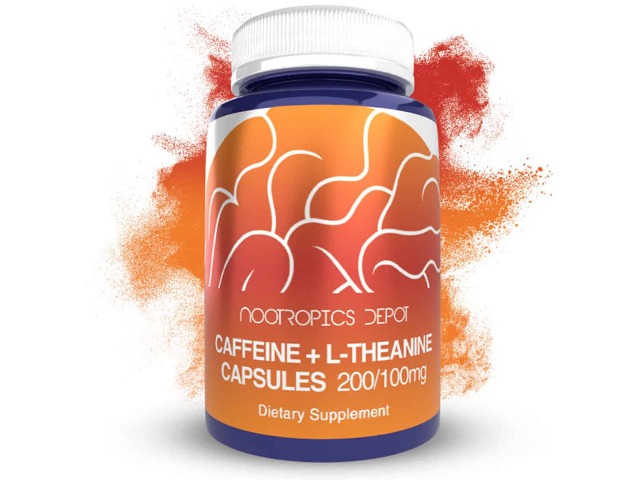
3. Stack Caffeine + L-Theanine (The Beginner’s Power Move)
This is the stack I recommend to literally everyone who asks me “where do I start?” It’s cheap, effective, and backed by solid evidence.
Caffeine blocks adenosine receptors, increasing alertness and dopamine signaling. But caffeine alone often brings jitters, anxiety, and the dreaded crash. L-Theanine — an amino acid found naturally in green tea — counteracts those downsides by promoting alpha brain wave activity, the pattern associated with calm, focused attention.
A 2010 study in Nutritional Neuroscience demonstrated that combining L-Theanine with caffeine significantly improved both speed and accuracy on attention-switching tasks compared to either compound alone. A 2019 randomized controlled trial in Nutrients (n=30) further confirmed that L-Theanine reduced stress-related symptoms and improved cognitive function in healthy adults.
| Component | Beginner Dose | Advanced Dose | Timing |
|---|---|---|---|
| Caffeine | 50-100mg | 100-200mg | Morning, with food |
| L-Theanine | 100mg | 160-200mg | Stacked with caffeine |
The protocol:
- Start with 50mg caffeine + 100mg L-Theanine (roughly one small cup of coffee plus a supplement)
- Work up to 100mg caffeine + 160-200mg L-Theanine over 1-2 weeks
- Take with breakfast — never on an empty stomach
- Advanced add-on: Stack 200mg N-Acetyl L-Tyrosine 30 minutes before demanding cognitive work
Common mistake: Overdoing caffeine. More is not better. Past 300mg/day, you’ll hit diminishing returns and start robbing from tomorrow’s focus to pay for today’s.
Insider Tip: If you’re caffeine-sensitive, try just L-Theanine solo (200mg). Many of my podcast guests swear by it for taking the edge off without any stimulant at all.
4. Add Citicoline for Deep Work (The Acetylcholine Advantage)
If the caffeine + L-Theanine stack is your foundation, Citicoline is the upgrade. This is my top recommendation for anyone doing sustained knowledge work — writing, coding, studying, or any task that demands extended directed attention.
Citicoline (CDP-Choline) is a precursor to both acetylcholine — the neurotransmitter most directly responsible for focused attention — and phosphatidylcholine, a critical component of neuronal cell membranes. A 2023 systematic review and meta-analysis in the Journal of Clinical Medicine found that citicoline significantly improved verbal memory performance across multiple randomized controlled trials (p<0.05). A 2021 study in Aging Clinical and Experimental Research confirmed improvements in episodic memory in elderly subjects at standard clinical doses.
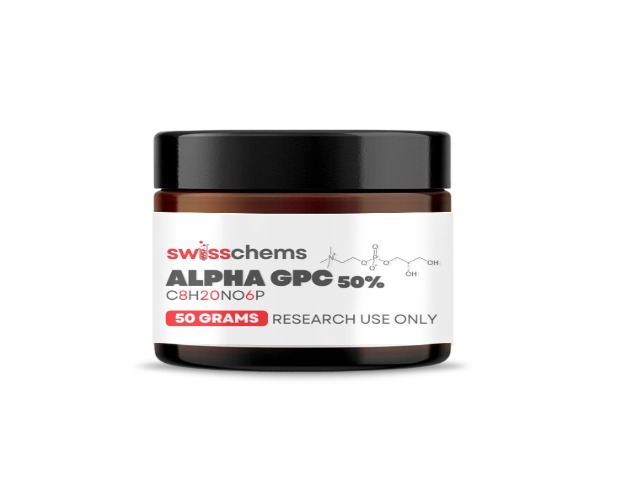
Here’s something most supplement sites won’t tell you: Citicoline has outperformed Alpha-GPC in head-to-head comparisons for memory outcomes. Alpha-GPC is fine, but if you’re choosing between them, the evidence favors citicoline.
The protocol:
- Dose: 250-500mg daily
- Timing: Morning or early afternoon (it can be mildly stimulating)
- Timeline: Some people notice effects within days; full benefits at 4-6 weeks
- Stacks well with: Caffeine + L-Theanine, Phosphatidylserine
Common mistake: Expecting instant results. Citicoline builds acetylcholine reserves over time. Give it at least 4 weeks before judging.
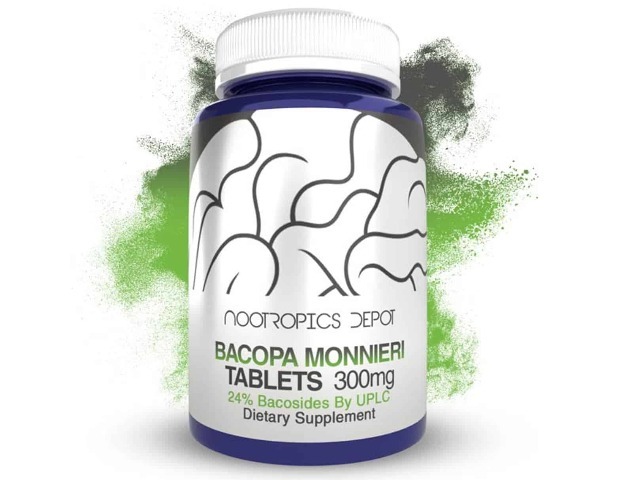
5. Use Bacopa Monnieri for Long-Term Cognitive Support (The Slow Burn)
Bacopa Monnieri is the tortoise in a world of hares. It won’t give you a buzz in 30 minutes — but over 8-12 weeks, it quietly upgrades your memory consolidation and processing speed in a way few other compounds can match.
Bacopa’s active compounds — bacosides A and B — enhance synaptic communication and support antioxidant activity in the hippocampus. A 2014 meta-analysis in the Journal of Ethnopharmacology pooled data from multiple RCTs and found significant improvements in attention and cognitive processing speed. A more recent 2022 RCT published in Nutrients confirmed that a standardized hydroethanolic extract (Bacognize) improved multiple cognitive domains in healthy adults versus placebo.
| Factor | Details |
|---|---|
| Standard Dose | 300-450mg, standardized to 20-50% bacosides |
| Best Form | Standardized extract (Synapsa or Bacognize) |
| Timeline to Effect | 4-8 weeks minimum |
| Take With | Fat-containing meal (bacosides are fat-soluble) |
| Common Side Effect | Mild GI upset or sedation (take with food, or try PM dosing) |
The protocol:
- 300mg standardized extract, taken with a meal containing fat
- If it makes you drowsy (about 15% of users), move to evening dosing
- Commit to at least 8 weeks before evaluating
- Pairs well with Citicoline for a synergistic memory + focus stack
Reality Check: Bacopa is one of the best-studied nootropics in existence, but the studies overwhelmingly use standardized extracts at clinical doses. That $12 bottle of unstandardized powder on Amazon is not the same thing. Spend the extra money on a quality extract.
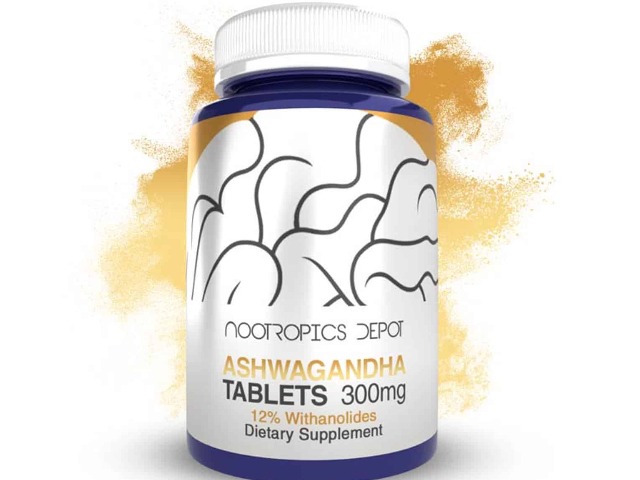
6. Manage Stress With Ashwagandha (The Cortisol Shield)
You can’t focus if your nervous system is in fight-or-flight mode. Chronic stress floods your prefrontal cortex with cortisol, essentially hijacking the brain region you need most for complex thought. Ashwagandha addresses this at the root.
A 2022 double-blind, placebo-controlled crossover study published in Medicine tested a KSM-66 ashwagandha extract and found that participants experienced significant reductions in stress and anxiety scores alongside measurable improvements in cognitive function — including sustained attention and task-switching.
The protocol:
- Form: KSM-66 (full-spectrum root extract) or Shoden (35% withanolide glycosides — higher potency, lower dose needed)
- Dose: 300-600mg KSM-66 daily, or 120mg Shoden
- Timing: PM dosing for most people (can cause relaxation)
- Timeline: Stress benefits within 2 weeks; cognitive benefits by 6-8 weeks
- Cycle: 8 weeks on, 2 weeks off
Common mistake: Taking ashwagandha and expecting it to work like a stimulant. It’s not a focus pill — it’s a stress-removal tool. Less stress = better focus. The mechanism is indirect but powerful.
7. Lock In With Phosphatidylserine (The Attention Stabilizer)
Phosphatidylserine (PS) is a phospholipid found in high concentrations in brain cell membranes. It plays a direct role in cell signaling, neurotransmitter release, and — critically — cortisol modulation. Think of it as the bridge between stress management and attention enhancement.
A 2015 study in the Journal of Clinical Biochemistry and Nutrition demonstrated that PS supplementation at 300mg/day improved memory and cognitive function in elderly subjects. The dosing detail matters here — 100mg showed minimal effect, while 300mg was the threshold for meaningful cognitive changes.
The protocol:
- Dose: 300mg daily (not 100mg — underdosing is the #1 mistake with PS)
- Timing: Take before mentally demanding work or stressful meetings
- Stacks with: Citicoline (acetylcholine support + membrane repair), Ashwagandha (dual cortisol reduction)
Pro Tip: PS is one of the few nootropics I recommend to people dealing with both cognitive performance and high-stress work environments. It’s pulling double duty — supporting the hardware (cell membranes) and managing the software (cortisol response).
8. Fuel Your Mitochondria With ALCAR (The Cellular Energizer)
Brain cells are energy hogs. Your brain accounts for roughly 2% of your body weight but consumes 20% of your total energy. When mitochondrial function dips — from stress, aging, poor sleep, or nutrient deficiencies — focus is one of the first casualties.
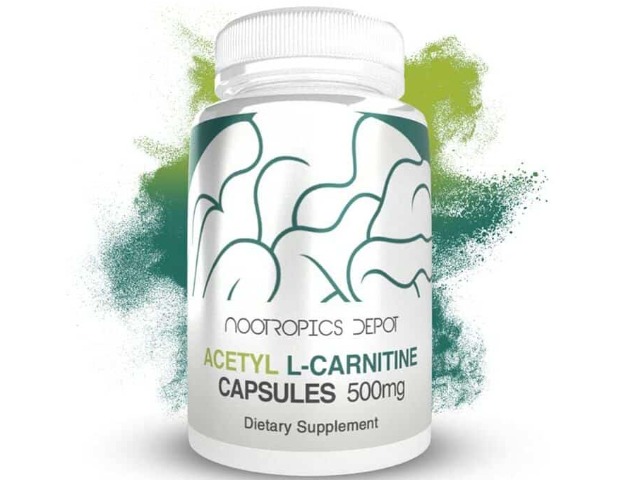
Acetyl-L-Carnitine (ALCAR) shuttles fatty acids into mitochondria for energy production and also acts as a precursor to acetylcholine. It crosses the blood-brain barrier easily, making it one of the more bioavailable nootropics for brain energy.
The protocol:
- Dose: 500-1000mg daily
- Timing: Morning on an empty stomach (or with a light meal)
- Pairs with: Citicoline for a comprehensive cholinergic stack, Creatine Monohydrate for total brain energy support
- Note: Start at 500mg; some people find higher doses mildly stimulating
Common mistake: Taking ALCAR in the evening. It can interfere with sleep at higher doses.
9. Try Lion’s Mane for Neurogenesis (The Long Game)
Lion’s Mane mushroom is the only nootropic on this list that may actually grow new neurons. Its active compounds — hericenones and erinacines — stimulate production of nerve growth factor (NGF), a protein essential for the growth, maintenance, and survival of neurons.
A 2023 review in the Journal of Functional Foods compiled evidence from both animal and human trials confirming Lion’s Mane’s potential for cognitive enhancement through neurogenesis and neuroprotection. While the human trial evidence is still building (most studies are small, n=30-50), the mechanism is well-established and the safety profile is excellent.
The protocol:
- Dose: 500-1000mg of a dual-extracted (hot water + alcohol) fruiting body extract
- Timing: Morning or afternoon — it’s non-stimulating but some report enhanced clarity
- Timeline: 4-8 weeks for noticeable effects; this is a long-term play
- Quality matters: Fruiting body extract, not mycelium-on-grain (which is mostly starch)
Important: Not all Lion’s Mane supplements are created equal. Products grown on grain substrates and labeled “mycelium” often contain minimal active compounds. Look for “fruiting body” on the label and verify the extraction method.
10. Boost Quick Thinking With Panax Ginseng (The Acute Performer)
Panax Ginseng is the oldest nootropic on this list — it’s been used in traditional medicine for thousands of years — and modern research has confirmed what practitioners knew empirically. Its active compounds, ginsenosides, modulate dopamine and acetylcholine signaling for acute improvements in reaction time and working memory.
A 2022 systematic review in Phytotherapy Research assessed the nootropic and neuroprotective effects of Panax ginseng across multiple RCTs, finding consistent improvements in cognitive performance, mental fatigue, and reaction time in healthy adults.
The protocol:
- Dose: 200-400mg standardized to at least 15% ginsenosides
- Timing: Morning; effects are acute (within 1-2 hours)
- Cycle: 4-8 weeks on, 2 weeks off
- Stacks well with: Caffeine + L-Theanine for a comprehensive alertness + focus protocol
Putting It All Together (Your Focus Protocol Roadmap)
Don’t try everything at once. That’s how you waste money and learn nothing about what actually works for your brain.
Weeks 1-2: Foundations Only Fix sleep, establish an exercise routine, clean up your diet (quality fats, lean protein, stable blood sugar). Add Magnesium L-Threonate at night if sleep is an issue.
Weeks 3-4: Your First Stack Add Caffeine + L-Theanine (100mg + 160mg). Track your focus daily on a 1-10 scale. Run a baseline Digit Span or Stroop test online before starting.
Weeks 5-8: Build the Stack Add Citicoline (250mg, titrate to 500mg). If stress is a factor, add Ashwagandha (300mg KSM-66). Continue tracking.
Weeks 9-12: Optimize Based on your results, add one of: Bacopa Monnieri for memory, Phosphatidylserine for cortisol management, Lion’s Mane for neurogenesis, or ALCAR for mental energy.
| Tier | Substances | Monthly Cost (est.) | Best For |
|---|---|---|---|
| Foundation | Sleep + Exercise + Diet | Free | Everyone — start here |
| Beginner | Caffeine + L-Theanine | $10-15 | Acute focus and alertness |
| Intermediate | + Citicoline + Ashwagandha | $30-45 | Sustained deep work + stress management |
| Advanced | + Bacopa + PS + Lion’s Mane | $50-75 | Long-term cognitive optimization |
How to know if it’s working:
- Subjective: Daily focus journal (1-10 scale), Pomodoro sessions completed, time to deep focus
- Objective: Free online Digit Span test (working memory) and Stroop test (selective attention) — run at baseline and every 2 weeks
- Rule of thumb: If you see a 10-20% improvement in test scores or a consistent 2+ point improvement on your subjective scale over 4 weeks, it’s working
Insider Tip: Cycling is essential. Run most nootropics 5 days on / 2 days off, or 8 weeks on / 2 weeks off. This prevents tolerance and lets you reassess whether the compound is still earning its place in your stack.
Safety Notes (Don’t Skip This)
Most of the compounds on this list have excellent safety profiles at recommended doses. But “natural” doesn’t mean “risk-free.”
- Pregnancy/nursing: Avoid Bacopa, Ashwagandha, and Lion’s Mane — insufficient safety data
- Thyroid conditions: Ashwagandha can influence thyroid hormone levels — consult your doctor
- Blood thinners: Panax Ginseng and Ginkgo Biloba may interact with anticoagulants
- Bipolar disorder/lithium: Be cautious with anything that modulates dopamine significantly
- General rule: Start one substance at a time, at the lowest recommended dose, for at least one week before adding another
If you’re on any prescription medications — particularly SSRIs, MAOIs, or blood pressure drugs — talk to your doctor before adding nootropics to your regimen. I’m not your doctor. I’m just the guy who’s read the studies and swallowed the capsules.
My Take
Look — I know the frustration of scrolling through nootropic forums at 1 AM, trying to decode whether some obscure compound is going to be the thing that finally lets you sit down and do your work without your brain staging a mutiny. I’ve been that person. I’ve wasted real money on hype.
What I’ve learned after years of testing, podcasting, and working with a functional nutrition framework is this: the boring stuff works best. Sleep, exercise, and a clean diet are the foundation that makes everything else possible. Once that’s dialed in, a simple stack of Caffeine + L-Theanine + Citicoline will outperform 90% of the $80 proprietary blends on the market.
From there, you personalize. High stress? Add Ashwagandha. Memory issues? Add Bacopa. Want the long-term neuroplasticity play? Lion’s Mane.
The key is patience, tracking, and honesty with yourself about what’s actually moving the needle versus what just feels like you’re doing something.
Start with one hack from this guide this week. Track it. Build from there. Your future focused self will thank you.