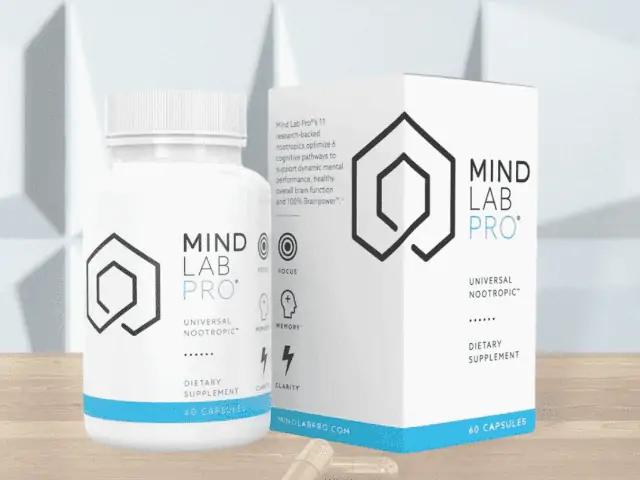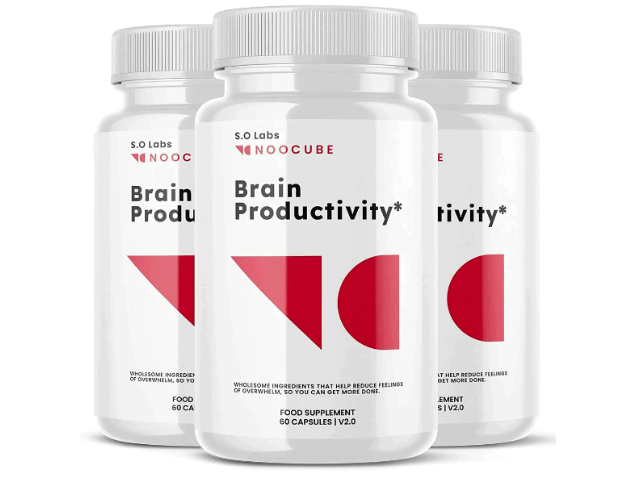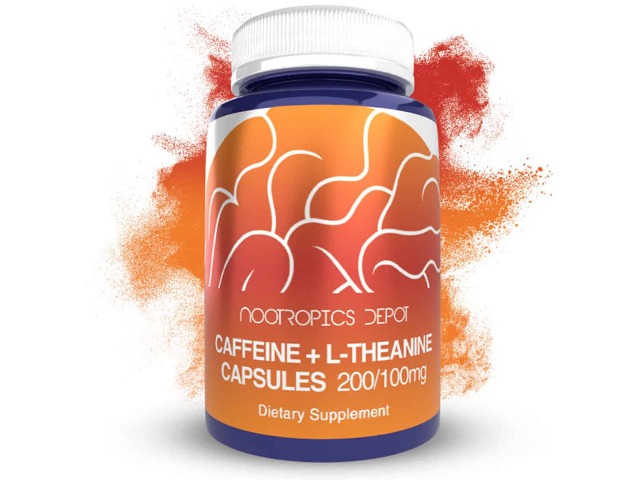
I’ve experimented with most of the major biohacking strategies over the years — nootropic stacks, cold exposure, neurofeedback, meditation protocols — but intermittent fasting is the one that consistently delivers the most noticeable cognitive improvements with the least complexity. No supplements required, no devices, no subscriptions. Just a deliberate pattern of when you eat and when you don’t.
What convinced me wasn’t the weight loss angle (though that’s a nice side effect). It was the neuroscience. Fasting triggers a cascade of protective and regenerative processes in the brain — neurogenesis, autophagy, increased BDNF, ketone production — that collectively represent one of the most powerful interventions for cognitive resilience available to anyone for free. As a Functional Nutritional Therapy Practitioner, I’ve seen these benefits play out consistently in my own life and with dozens of clients.
This guide breaks down the brain-specific benefits of intermittent fasting, the protocols that work best, and the nootropics that can amplify the process. If you’re interested in cognitive optimization, this is one of the highest-leverage changes you can make.
The Short Version: Intermittent fasting enhances brain health through three key mechanisms: stimulating new neuron growth (neurogenesis) via BDNF upregulation, activating cellular cleanup through autophagy, and shifting brain energy metabolism toward efficient ketone utilization. The 16:8 protocol is the easiest entry point. Pairing fasting with Lion’s Mane, Alpha-GPC, and magnesium can amplify the neurological benefits.
What Is Intermittent Fasting?
Intermittent fasting (IF) isn’t a diet — it’s a timing pattern. You’re not changing what you eat, just when you eat. All IF protocols involve cycling between a fasting window (no caloric intake) and an eating window (when you consume all your meals). During fasting windows, you can have zero-calorie beverages: water, black coffee, and plain tea.
The most common protocols:
- 16:8 — Fast for 16 hours, eat during an 8-hour window (e.g., eat from noon to 8 PM). This is the easiest to adopt and maintain long-term.
- 5:2 — Eat normally five days per week, restrict to 500-600 calories on two non-consecutive days.
- 24-hour fasts — One or two complete fasting days per week, eating nothing from dinner to dinner.
For brain health specifically, the 16:8 protocol provides the best balance of cognitive benefits and sustainability. More aggressive protocols like extended multi-day fasts can deepen autophagy but are harder to maintain and carry more risks.
How Fasting Benefits the Brain
Neurogenesis and BDNF
This is the headline benefit. Fasting triggers a cellular stress response — a mild, productive stress called hormesis — that stimulates neural stem cells in the hippocampus to produce new neurons. This neurogenesis directly supports learning, memory formation, and the brain’s ability to adapt to new challenges.
The mechanism involves a dramatic upregulation of Brain-Derived Neurotrophic Factor (BDNF), often described as “fertilizer for the brain.” BDNF supports the survival of existing neurons, encourages the growth of new neurons and synapses, and enhances long-term potentiation — the cellular process underlying memory formation. Studies show fasting significantly increases BDNF levels, and this effect synergizes powerfully with nootropic supplements that support neuroplasticity. A July 2025 review in Nutrients specifically examined IF as a neurometabolic intervention capable of supplementing synaptic plasticity and integrity, reducing toxic protein burden, and rehabilitating immune homeostasis across models of Alzheimer’s, Parkinson’s, Huntington’s disease, and ALS — positioning BDNF upregulation as a central mediator across all these conditions.
For more on BDNF and how to naturally boost it, check out my dedicated guide.
Autophagy: Your Brain’s Cleanup Crew
Autophagy (literally “self-eating”) is the process by which your cells break down and recycle damaged proteins, dysfunctional organelles, and accumulated metabolic waste. Think of it as your brain’s internal janitor — and fasting is what sends them to work.
Under normal eating conditions, autophagy runs at a baseline level. But when you fast, the process ramps up dramatically. This is critically important for the brain because the accumulation of damaged proteins — like beta-amyloid plaques and tau tangles — is a central feature of neurodegenerative diseases including Alzheimer’s and Parkinson’s.
Periodic fasting essentially gives your brain a deep clean, reducing oxidative damage and clearing out the molecular debris that contributes to cognitive decline over time. Research suggests autophagy activation typically requires 14-16 hours of fasting, which is why the 16:8 protocol hits the sweet spot.
For more on how to support neuroplasticity and neuroprotection, see my supplement guide.
Ketone-Powered Cognition
After roughly 12-16 hours of fasting, your liver begins producing ketone bodies from stored fat. These ketones — primarily beta-hydroxybutyrate (BHB) — can cross the blood-brain barrier and serve as an efficient alternative fuel source for neurons.
Here’s what makes ketones special for the brain: they produce more ATP per unit of oxygen consumed than glucose, generate fewer reactive oxygen species (free radicals), and may directly activate signaling pathways that support neuronal health. Many people report a distinct mental clarity during the fasted state — that subjective experience likely reflects the metabolic shift from glucose dependency to ketone utilization.
Research shows intermittent fasting improves processing speed, working memory, learning ability, and verbal fluency in aging adults. A 2024 randomized clinical trial of 40 cognitively intact older adults with insulin resistance found that 8 weeks of 5:2 intermittent fasting improved executive function and memory, while also decreasing the “brain-age-gap estimate” on MRI — a biomarker reflecting the pace of biological aging in the brain. The IF group showed greater weight loss, but both IF and a healthy living diet comparably improved insulin signaling biomarkers in neuron-derived extracellular vesicles, suggesting that metabolic improvements and ketone production work together to support cognition. A separate 2024-2025 pilot study explored prolonged nightly fasting (14 hours/night) in adults 65+ with self-reported memory decline, demonstrating feasibility of this approach in the population most likely to benefit. The ketone-cognition connection is likely a major contributor to these effects.
Reduced Neuroinflammation
Chronic, low-grade brain inflammation is increasingly recognized as a driver of cognitive decline, depression, and neurodegeneration. Fasting reduces inflammatory markers like IL-6 and TNF-alpha, and the ketone body BHB directly inhibits the NLRP3 inflammasome — a key molecular complex in the inflammatory cascade.
This anti-inflammatory effect compounds over time with consistent fasting practice, creating a progressively more neuroprotective internal environment. A 2025 review in Frontiers in Nutrition also highlighted that IF’s neuroprotective effects extend through the gut-brain axis: fasting modulates gut microbiota composition, increases short-chain fatty acid production (particularly butyrate), and reduces intestinal permeability — all of which reduce the systemic inflammatory burden reaching the brain. This gut-mediated pathway represents a newly appreciated mechanism through which IF protects cognitive function.
Getting Started: A Practical Protocol
Choose Your Approach
For most people, I recommend starting with a 14:10 protocol (14 hours fasting, 10 hours eating) and gradually extending to 16:8 over two to three weeks. This gives your body time to adapt without the misery of jumping straight into a long fast.
If you already have a healthy relationship with food and decent metabolic flexibility, you can start at 16:8 directly. The 5:2 protocol works well for people who prefer normal eating most days but want the deeper metabolic benefits of longer fasts periodically.
Optimize Your Eating Window
What you eat during your feeding window matters enormously. Focus on:
- Anti-inflammatory whole foods: Vegetables, healthy fats (olive oil, avocado, nuts), clean proteins
- Gut-supporting foods: Fermented foods, fiber-rich vegetables, bone broth
- Brain-specific nutrients: Omega-3 fatty acids, B-vitamins, choline-rich foods like eggs
- Blood sugar stability: Minimize refined carbohydrates and added sugars, which undermine the metabolic benefits of fasting
For more on the gut-brain connection and nutrition, see my dedicated article.
Support the Process With Supplements
This is where the nootropics angle comes in. Strategic supplementation can amplify the brain benefits of fasting:
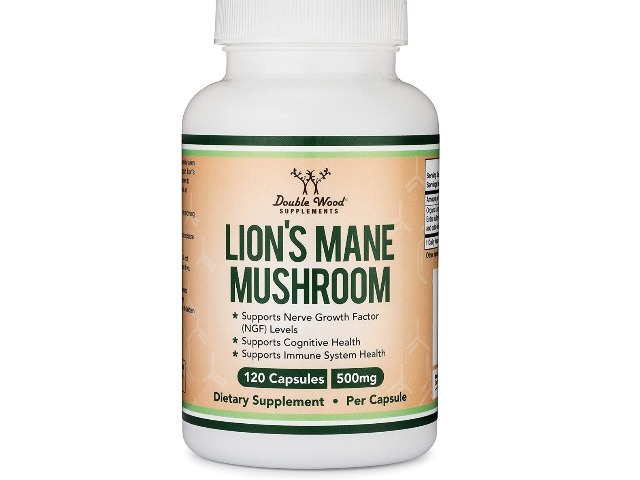
Lion’s Mane Mushroom — Stimulates NGF (Nerve Growth Factor) production, synergizing with the BDNF boost from fasting. Together, they create a potent pro-neurogenesis environment. Lion’s Mane can be taken during the fasting window in capsule form without breaking your fast.
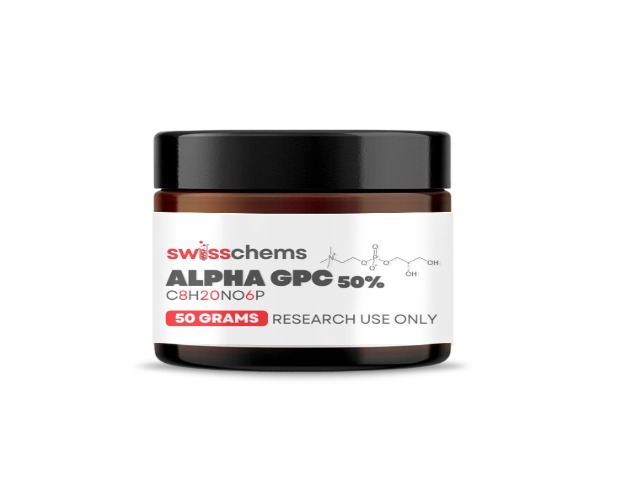
Alpha-GPC — Provides choline for acetylcholine synthesis, supporting the enhanced learning and memory capacity that fasting promotes. For a comparison of choline sources, see my guide to the best Alpha-GPC supplements.
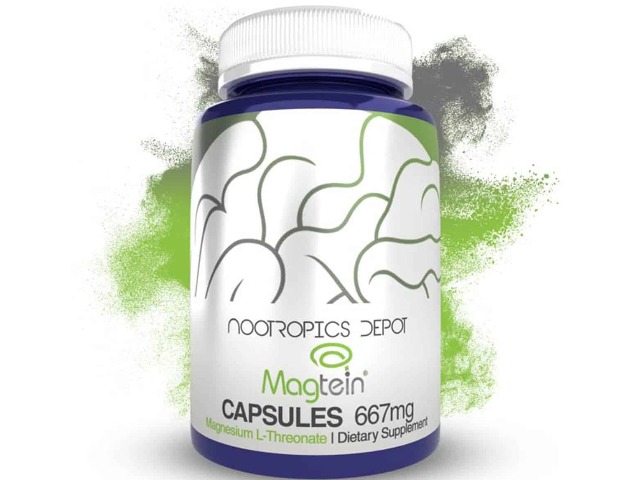
Magnesium L-Threonate — Supports synaptic plasticity, relieves hunger-related tension, and improves sleep quality during fasting adaptation. Many people find fasting disrupts their sleep initially — magnesium helps smooth this transition. My comprehensive magnesium guide covers dosing and forms in detail.
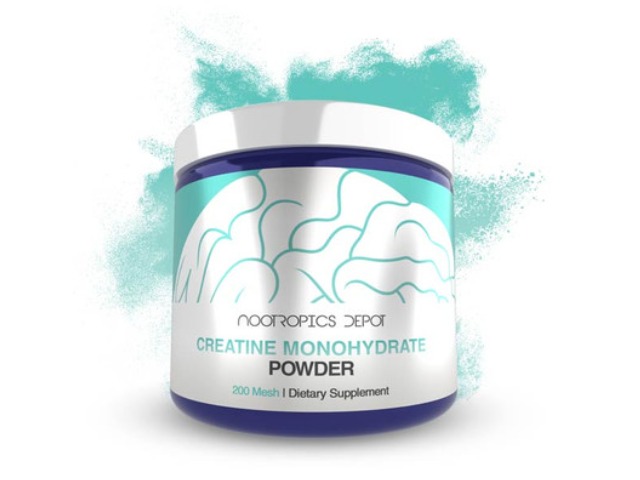
Creatine Monohydrate — Supports brain ATP production, which can be helpful during the metabolic transition period before your body becomes fully fat-adapted. 3-5g daily, taken with your first meal.
Electrolytes — Sodium, potassium, and magnesium are essential during fasting. Your kidneys excrete more sodium during fasting, and electrolyte imbalance is the primary cause of the fatigue, headaches, and muscle cramps that derail many fasting attempts.
Manage the Adaptation Period
The first one to two weeks of intermittent fasting can be uncomfortable. Hunger pangs, fatigue, irritability, and brain fog are common as your body transitions from glucose dependency to metabolic flexibility. This is normal and temporary.
Strategies that help:
- Stay hydrated — Drink plenty of water, and add a pinch of sea salt
- Use caffeine strategically — Black coffee or green tea during the fasting window can blunt hunger and provide focus
- Keep busy — The worst hunger usually hits from habit, not genuine metabolic need. Distract yourself with work, exercise, or activities
- Get quality sleep — Poor sleep increases ghrelin (hunger hormone) and cortisol, making fasting dramatically harder
Allow four to six weeks for the deeper regenerative benefits — autophagy activation, neurogenesis, and metabolic adaptation — to fully develop. Be patient with the process.
Frequently Asked Questions
Can I exercise while fasting?
Light to moderate exercise — walking, yoga, easy cycling — is generally fine and may even enhance the fat-burning and autophagy benefits. Save high-intensity or heavy resistance training for your eating window, especially during the adaptation period. If you exercise fasted, pay close attention to your energy levels and performance.
Will fasting cause muscle loss?
Short-term fasting (16-24 hours) does not cause significant muscle loss in the context of adequate protein intake during eating windows. Growth hormone actually increases during fasting, which helps preserve lean mass. Ensuring you hit adequate protein (0.7-1g per pound of bodyweight) during your eating window is the key factor.
How soon will I notice cognitive benefits?
Many people report improved mental clarity and focus within the first one to two weeks, likely related to the shift toward ketone utilization. Deeper benefits — neurogenesis, enhanced memory, cognitive resilience — develop over four to eight weeks of consistent practice.
Who should avoid intermittent fasting?
IF is not appropriate for pregnant or breastfeeding women, people with a history of eating disorders, those with type 1 diabetes (without medical supervision), or individuals who are underweight. If you have any medical conditions, consult your healthcare provider before starting.
The Bottom Line
Intermittent fasting is one of the most evidence-backed, accessible, and cost-free interventions for brain health available. It triggers neurogenesis through BDNF upregulation, activates autophagy for cellular detoxification, shifts brain energy toward efficient ketone metabolism, and reduces neuroinflammation — all of which contribute to sharper cognition now and greater cognitive resilience over time.
The 16:8 protocol is the easiest entry point, and pairing it with targeted nootropic supplementation — particularly Lion’s Mane, Alpha-GPC, and magnesium — creates a synergistic approach that amplifies the benefits beyond what either strategy delivers alone.
Start simple, be patient through the adaptation period, and track how you feel over the first six weeks. For most people, intermittent fasting becomes one of those non-negotiable habits — not because it’s trendy, but because the cognitive clarity it provides is hard to give up once you’ve experienced it.
For more on optimizing fasting with supplements, see my guide to the best nootropics for intermittent fasting.