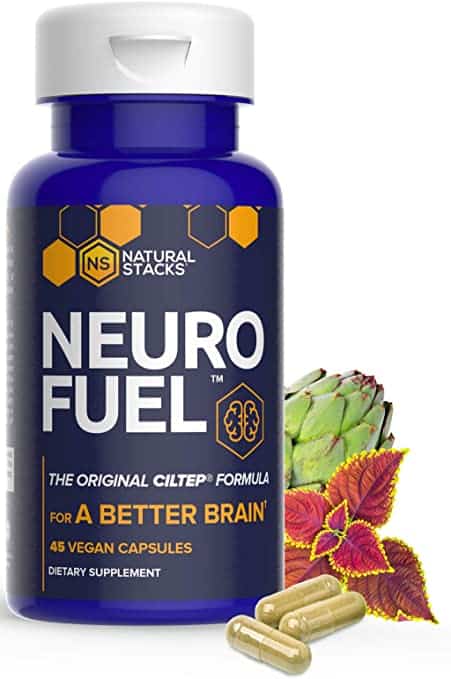
Neurofuel — originally launched as CILTEP back in 2012 — holds a special place in nootropics history. It was one of the first commercially available pre-formulated nootropic stacks, and it gained a cult following early on with endorsements from biohacking figures like Tim Ferriss and Dave Asprey. For a while, it was the default recommendation when anyone asked “what nootropic should I try first?”
But the nootropics landscape has matured considerably since 2012. The market is more crowded, the science is more refined, and consumers are more discerning. So the real question isn’t whether Neurofuel was groundbreaking a decade ago — it was — but whether it still holds up against today’s more sophisticated options.
I’ve personally used Neurofuel on and off over the years, recommended it to clients, and tracked the research behind its core ingredients. Here’s my honest assessment of where it shines, where it falls short, and who it’s actually best suited for.
The Short Version: Neurofuel works primarily by raising cAMP (cyclic adenosine monophosphate) levels in the brain through the artichoke extract/forskolin combination, which can improve focus, memory encoding, and mental clarity. The formula is clean, transparently sourced, and well-tolerated by most users. However, it’s a relatively narrow stack that works best paired with caffeine and may not be sufficient as a standalone cognitive optimizer. User experiences are mixed — some report dramatic improvements in focus, while others notice little.
Neurofuel Ingredients and How They Work

Neurofuel’s formula is deliberately focused rather than kitchen-sink. Here’s what’s in it and why:
Artichoke Extract (900 mg)
This is the backbone of the formula. Artichoke extract contains luteolin, which inhibits PDE4 — an enzyme that breaks down cAMP in the brain. By blocking PDE4, artichoke extract indirectly increases cAMP levels. Higher cAMP supports long-term potentiation (LTP), the cellular mechanism behind memory formation and synaptic strengthening.
PDE4 inhibition is a legitimate cognitive enhancement mechanism — it’s the same pathway targeted by pharmaceutical nootropics like rolipram, but artichoke extract provides a gentler, more tolerable version.
Forskolin (20 mg)
Forskolin complements the artichoke extract by directly activating adenylate cyclase, the enzyme that produces cAMP. So while artichoke extract prevents cAMP breakdown, forskolin increases cAMP production — a two-pronged approach that should theoretically produce a stronger effect than either ingredient alone.
This synergy between PDE4 inhibition and adenylate cyclase activation is the core intellectual property of the Neurofuel formula. It’s a clever mechanism, and the logic is pharmacologically sound.
Acetyl-L-Carnitine / ALCAR (750 mg)
ALCAR is a well-researched nootropic in its own right. It crosses the blood-brain barrier efficiently and supports brain energy metabolism by facilitating fatty acid transport into mitochondria. Research shows ALCAR can fight cognitive fatigue, support acetylcholine production, and may modestly improve depressive symptoms by raising norepinephrine and serotonin levels. A 2025 Mendelian randomization study published in PMC found that lower genetically predicted levels of acetyl-L-carnitine are causally associated with diminished cognitive performance, underscoring its potential clinical relevance for early detection and prevention of cognitive decline. Meanwhile, a 2025 study in Translational Psychiatry examining the NESDA cohort confirmed that acylcarnitine levels (including ALCAR) change significantly in patients with depression, supporting the biological plausibility of ALCAR’s mood-related benefits.
In the Neurofuel context, ALCAR adds an energy and neuroprotection dimension to the cAMP-focused core.
L-Phenylalanine (500 mg)
L-Phenylalanine is an essential amino acid that serves as a precursor to tyrosine, which in turn converts to dopamine, norepinephrine, and epinephrine. The idea is to support dopaminergic tone — the neurotransmitter system most directly tied to motivation, reward, and focused attention.
The evidence for L-phenylalanine’s nootropic effects is mixed. It’s not as direct as supplementing with L-tyrosine itself, which is already one step closer to dopamine in the biosynthetic pathway. This is one area where Neurofuel’s formula could arguably be improved.
Vitamin B6 (5 mg)
B6 is a cofactor in over 100 enzymatic reactions, including the synthesis of dopamine, serotonin, and GABA. It’s a sensible inclusion that ensures the biosynthetic pathways targeted by the other ingredients have the cofactors they need to function.
The cAMP Mechanism: Why It Matters
cAMP (cyclic adenosine monophosphate) is a second messenger molecule involved in dozens of cellular processes, but its role in cognition is particularly interesting. Higher cAMP levels in the brain support:
- Long-term potentiation (LTP): The process of encoding new memories at the synaptic level. More cAMP means stronger, more durable memory traces.
- Catecholamine signaling: cAMP may indirectly raise dopamine, serotonin, and norepinephrine levels, contributing to improved mood, motivation, and focus.
- Neuroplasticity: cAMP activates CREB (cAMP response element-binding protein), a transcription factor that drives gene expression related to synaptic growth and neuronal adaptation.
- Neuroprotection: Some research suggests cAMP-elevating compounds have anti-aging and neuroprotective properties.
The theoretical framework behind Neurofuel is solid. The question, as always, is whether the theoretical mechanism translates into subjective, noticeable cognitive improvement — and the answer varies significantly between individuals.
My Experience and Practical Usage
How to Take Neurofuel
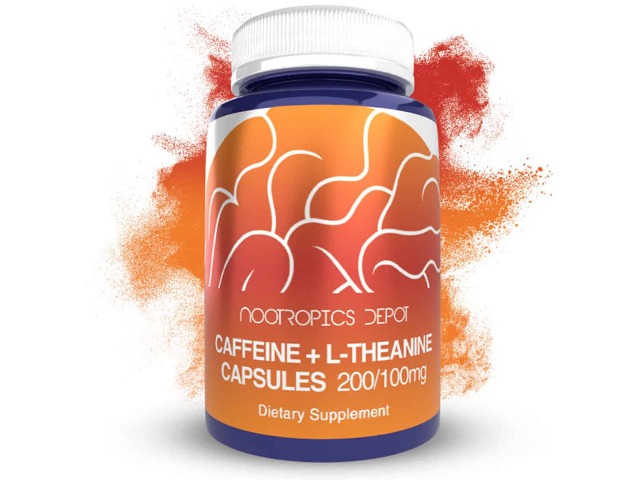
The recommended protocol is 1-3 capsules in the morning, on an empty stomach. Most users find that 2 capsules is the sweet spot. Taking it with coffee or tea is widely reported to enhance the effects — caffeine itself inhibits phosphodiesterase enzymes and raises cAMP, so there’s a genuine pharmacological synergy.
It may take a few days to a couple of weeks of consistent use before the full effects become apparent, though some people notice improved focus from the first dose.
Cycling
I strongly recommend cycling Neurofuel rather than taking it continuously. A 5-days-on, 2-days-off schedule or alternating weeks prevents tolerance development and gives your neurochemistry a chance to reset. This applies to most nootropic stacks, not just this one.
What to Expect
In my experience and based on extensive user reports, Neurofuel’s strongest suit is mental clarity and focus. The “fog-lifting” effect is what most people notice first — a cleaner, sharper quality to thinking, especially in the morning hours. Many users also report improved motivation and a subjective sense of being “locked in” on tasks.
The memory enhancement effects are harder to perceive subjectively but may be occurring at the cellular level through LTP enhancement. If you’re a student or knowledge worker, these effects are most noticeable when you’re actively encoding new information.
What Neurofuel Doesn’t Do Well
Let me be straightforward about the limitations:
Anxiety relief: Neurofuel is not an anxiolytic. The only component with any anxiety-reducing evidence is ALCAR, and that evidence comes from animal studies. Some users actually report increased anxiety, likely from the dopaminergic and stimulatory effects. If anxiety is your primary concern, look into L-theanine, ashwagandha, or my guide on the best nootropics for anxiety.
Depression treatment: While some users report mood improvements, Neurofuel isn’t designed or optimized for depression. ALCAR has some evidence for antidepressant effects, and B6 deficiency can cause depressive symptoms, but there are much better options for mood support. Check out my article on the best nootropics for depression.
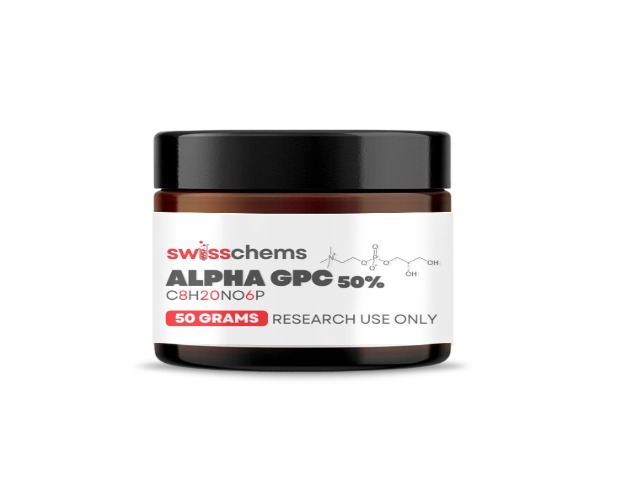
Standalone cognitive optimization: Neurofuel covers the cAMP pathway well but doesn’t address cholinergic support (Alpha-GPC or citicoline), adaptogenic stress management, or anti-inflammatory neuroprotection. It works best as part of a broader stack rather than your only supplement. On the cholinergic front, a 2025 systematic review and meta-analysis comparing alpha-GPC and citicoline in dementia found that alpha-GPC showed significant improvements over citicoline in overall cognitive function, interpersonal relationships, and affective domains — though direct memory enhancement effects were comparable between the two. This suggests that pairing Neurofuel with Alpha-GPC specifically may provide a more well-rounded cognitive stack than pairing it with citicoline.
Neurofuel for ADHD

There’s no clinical trial data for Neurofuel as a stack for ADHD, but some of the individual ingredients show promise:
- Forskolin’s effect on cAMP may improve attention based on preliminary research
- ALCAR has some evidence for inattentive-type ADHD specifically
- B6 deficiency is associated with ADHD symptoms
Anecdotal reports are genuinely split — some ADHD users swear by it, while others find it ineffective or even counterproductive. If you’re exploring nootropic options for attention issues, my guide on the best nootropics for ADHD covers the full landscape.
Real User Reviews
The user experience with Neurofuel falls into a bimodal distribution — people tend to either love it or find it unremarkable. Here’s a representative sample:
Positive experiences:
“Working in investment risk management, I wanted a nootropic to help keep me on top of my game. Of the ones I’ve tried, Ciltep is by far the best. I take three pills with green tea every weekday morning. There’s a noticeable difference in my job performance on days where I’ve taken Ciltep versus days I haven’t — a heightened sense of alertness without jitteriness.”
“In terms of bang for the buck, it’s hard to say that there’s anything out there that can rival it.”
Mixed/negative experiences:
“I really wanted it to work but didn’t notice anything. I blinded myself against a placebo and guessed wrong with 60% certainty.”
“The effects are great for about 5-6 hours, then there’s a terrible 1-hour crash, after which my brain takes the rest of the day to get back to normal.”
This variability is typical for nootropics — individual neurochemistry, baseline cognitive function, and expectations all play a role. Poker player Martin Jacobson credited Neurofuel for helping him win the 2014 World Series of Poker, though Natural Stacks did sponsor him, so take that endorsement accordingly.
Quality and Transparency
One area where Natural Stacks genuinely stands apart is transparency. Every Neurofuel product includes:
- Full ingredient sourcing disclosure
- Third-party testing certificates
- Complete label with no proprietary blends
In an industry plagued by counterfeit supplements and undisclosed ingredients, this level of openness is refreshing and increasingly important. You know exactly what you’re getting, which matters when you’re putting something in your body every day.
The Natural Stacks Product Line
Beyond the flagship Neurofuel, Natural Stacks offers targeted formulas for specific neurotransmitter pathways:
- Dopamine Brain Food — Features L-Tyrosine (650mg), trimethylglycine, L-phenylalanine, and methylated B-vitamins. A solid dopamine support stack for motivation and drive.
- Serotonin Brain Food — Targets the serotonin pathway for mood support.
- GABA Brain Food — Supports GABAergic calm, useful for anxiety and stress management.
- Acetylcholine Brain Food — Addresses cholinergic function for memory and learning.
They also offer standalone supplements including curcumin, vitamin D, and creatine.
Safety and Side Effects
Neurofuel has a generally clean safety profile. There are no published safety trials on the stack as a whole, but neither are there any reported cases of serious adverse reactions. The individual ingredients are natural and well-tolerated at the doses used.
Common side effects reported by users:
- Nausea (most common, especially on an empty stomach)
- Headache (occasionally, typically mild)
- Afternoon energy crash (reported by some users)
- Sleep disruption if taken too late in the day
Anyone under 18 should not take Neurofuel — the effects of nootropic compounds on developing brains are insufficiently studied. As always, consult your healthcare provider before starting any new supplement, particularly if you’re on prescription medications.
The Bottom Line
Neurofuel remains a competent, well-designed nootropic stack with a sound mechanism of action. The artichoke extract/forskolin synergy for raising cAMP is pharmacologically logical, the sourcing and transparency are industry-leading, and for the right person, it can provide meaningful improvements in focus, mental clarity, and memory encoding.
That said, it’s not a comprehensive cognitive optimizer. It covers the cAMP pathway well but leaves cholinergic, adaptogenic, and anti-inflammatory pathways unaddressed. For best results, I’d recommend pairing it with caffeine (for synergistic cAMP effects), a choline source like Alpha-GPC or citicoline (for memory support), and an adaptogen like ashwagandha (for stress modulation).
If you’re new to nootropics and want a well-vetted entry point, Neurofuel is still a solid choice. If you’re more experienced and building a customized stack, you may get better results — and better value — by sourcing the individual ingredients. For a broader comparison of pre-formulated options, check out my guide to the best pre-formulated nootropic stacks.