
As someone who has spent years exploring every angle of cognitive optimization — from nootropic stacks to cold exposure to breathwork — I’ll admit that music therapy wasn’t initially on my radar. I thought of music as something you enjoy, not something you prescribe. But several clients started asking me whether their listening habits could actually sharpen memory or boost concentration, and the research I found genuinely surprised me.
It turns out that music is one of the most potent non-pharmacological cognitive interventions available. Board-certified music therapists are using the nuanced neurological effects of melody, tempo, and rhythm to help patients recover from strokes and neurodegenerative disease. And even casual listening — when done strategically — can meaningfully enhance memory, attention, and executive function.
The Short Version: Music engages the brain across multiple systems simultaneously, triggering dopamine release, entraining brainwave patterns, and driving lasting structural changes through neuroplasticity. Strategic listening can enhance memory encoding, sharpen attention, boost verbal fluency, and strengthen executive function. The key is matching musical characteristics (tempo, genre, complexity) to your cognitive goals. Combining music with targeted nootropics like L-theanine, Alpha-GPC, or Lion’s Mane may amplify these benefits.
Key Cognitive Benefits of Music
Research shows that music training and exposure optimize a wide spectrum of cognitive abilities. Here’s what the evidence actually supports.
Memory
Music stands apart from other sensory stimuli in its ability to trigger elaborate memory encoding and retrieval. Songs act as time capsules — powerfully anchoring life events and emotional states in ways that assist recollection later. This is why a song from your teenage years can instantly transport you back to a specific moment with vivid emotional clarity.
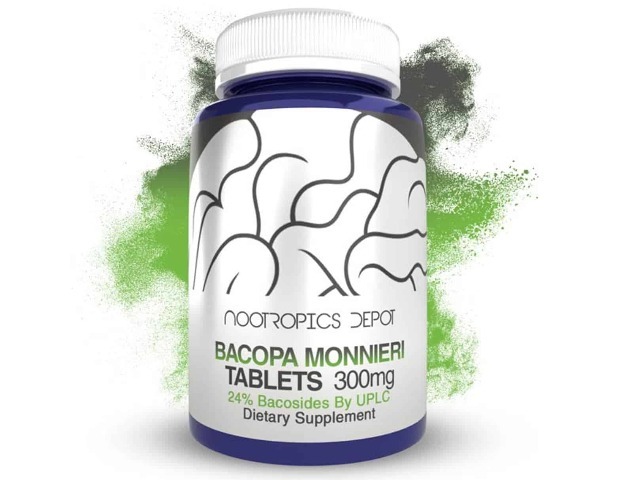
Frequent listening also promotes hippocampal neurogenesis, the process underlying experiential learning. Language students find that lyrics help encode linguistic patterns. Older adults reconnect more dots within life narratives when familiar music is playing. For anyone interested in stacking cognitive support for memory, Bacopa monnieri works through complementary mechanisms — modulating acetylcholine and supporting hippocampal function over weeks of consistent use. See our best nootropics for studying guide for more on memory-enhancing compounds.
Executive Function
Playing an instrument simultaneously challenges several higher-order processes: reading notation, translating movements, monitoring results in real time. This engages dedicated prefrontal lobe circuitry, bolstering planning, working memory, impulse control, and cognitive flexibility.
Musical training essentially exercises the conductor in your head. The benefits transfer to non-musical complex tasks as well — multitasking, strategic thinking, and managing multifaceted information streams all improve. You don’t need to be a virtuoso; even casual instrument practice engages these pathways.
Attention and Processing Speed
Upbeat, familiar songs immediately capture the auditory system, triggering dopaminergic “seeking” reactions and anticipatory pleasure. This fuels motivation, alertness, and concentration naturally — no jittery stimulant side effects required.
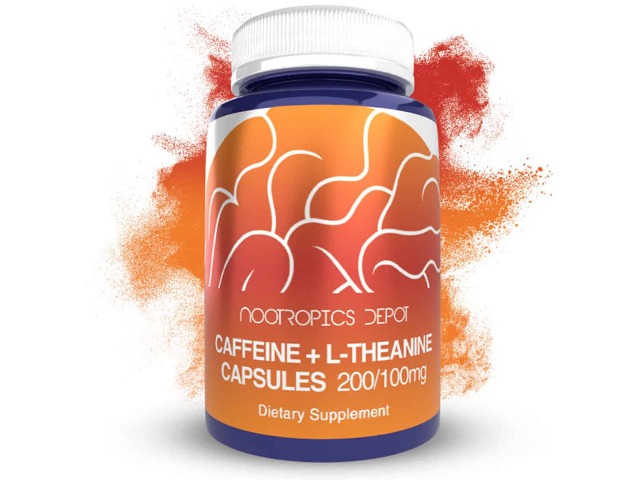
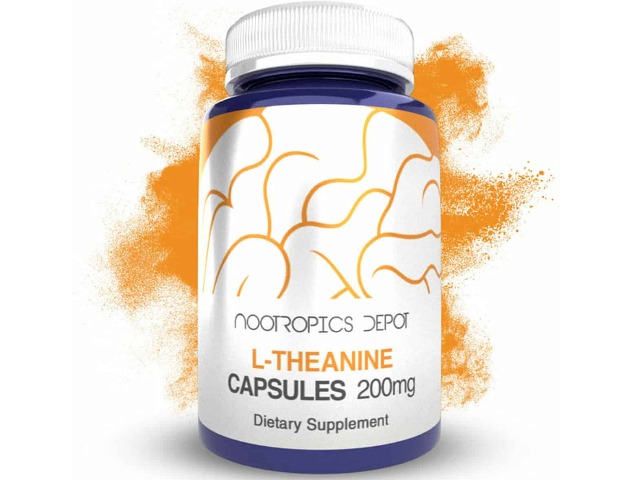
Rhythmic drive sets an energizing pace, while harmonic anticipation keeps you oriented to track progression. Sound patterns can literally speed perceptual processing, functioning like a metronome for your brain’s information intake. If you’re looking for a nootropic complement to this effect, the classic L-theanine and caffeine combination promotes the same kind of alert, focused calm. See our guide on why combining L-theanine and caffeine works.
Verbal Skills and Fluency
Language and music processing share overlapping neural architecture, especially pitch variation and timing contours. This allows melodic interventions to scaffold verbal and reading development in children while also enabling recovery in adults who have lost speech access from trauma or stroke.
Melodic Intonation Therapy (MIT) is a clinical technique that uses singing to engage right-hemisphere language regions when left-hemisphere Broca’s area has been damaged. Lyric memorization simultaneously builds vocabulary and challenges information sequencing skills.
How Music Enhances Cognition: The Mechanisms
Music listening isn’t just a pleasurable distraction. It induces tangible neurochemical and metabolic changes that actively enhance mental performance.
Brainwave Entrainment
Our neuronal oscillations follow characteristic frequency patterns depending on current activity and arousal. Alert problem-solving modes trend toward beta and gamma waves, while memory consolidation and restorative sleep shift toward slower alpha and theta waves.
Music can “nudge” your intrinsic neural rhythmicity toward states optimized for specific cognitive tasks. Upbeat classical pieces at 60-80 BPM couple mental energy with laser focus for absorbing new information. Slowly layered ambient tracks align oscillations for deep meditation and efficient overnight memory integration. This is the same principle behind binaural beats, though music provides a more complex and arguably more effective stimulus.
Neurochemical Optimization
Your cognitive experience closely relates to neurotransmitter activity fluctuating minute to minute. Music enhances motivation and mood via boosted dopamine. It improves calculating accuracy and recall by elevating acetylcholine. And it potentially eases anxiety and brain fog by optimizing inhibitory GABA levels.
This means you can actively harness your brain’s chemical responses to audio cues by curating playlists aligned with desired cognitive states. For an evidence-based look at boosting dopamine naturally (including through music), see our natural dopamine guide.
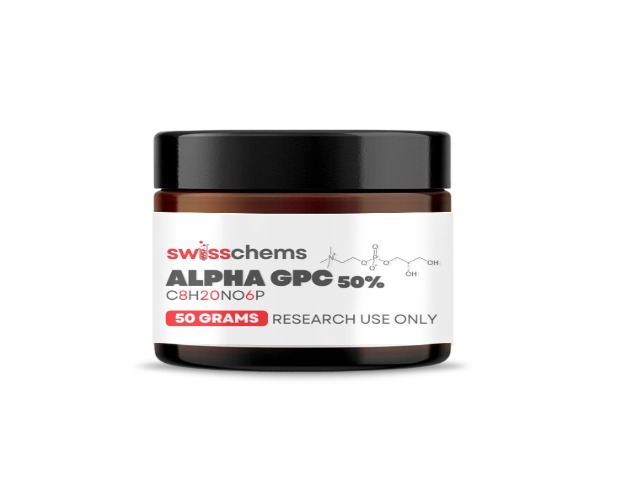
If you’re interested in supporting acetylcholine alongside your music practice, Alpha-GPC is the most direct cholinergic precursor available. See our cholinergics for focus guide for the full comparison.
Structural and Functional Brain Changes
Long-term musical practice strengthens brain connectivity, enabling the complex audio-motor translation essential for skilled playing. These reinforced networks also bolster general cognitive aptitudes — working memory, concentration, fluency, and planning all benefit. A 2025 systematic review on the molecular basis of music-induced neuroplasticity found that music-based interventions modulate neurogenetics, enhance neurotrophin expression (including BDNF), alter hormonal levels, and reduce stress biomarkers — providing the first comprehensive molecular framework for why musical training produces lasting structural brain changes.
This is genuine neuroplasticity in action. Lion’s Mane mushroom supports a similar process through nerve growth factor (NGF) stimulation, and combining consistent musical practice with neuroplasticity-supporting supplements is a compelling strategy. See our supplements for neuroplasticity article for more.
Applications in Neurological Conditions
While music benefits all brains, clinical music therapy leverages its nuanced effects to support specific conditions.
Stroke Rehabilitation
Melodic interventions engage language regions despite trauma or infarction. Rhythm also assists in organizing coordination challenges many stroke victims face when relearning movements like walking. Therapists personalize these techniques to target damaged areas, using sound’s unmatched ability to spark neuroplastic changes and rebuild pathways. A 2025 research review on music therapy in stroke rehabilitation found that techniques like Melodic Intonation Therapy (MIT) and Rhythmic Auditory Stimulation (RAS) activate alternative neural pathways and promote neuroplasticity, improving not just motor function but also emotional regulation, cognitive function, and language expression. A 2025 systematic review further documented structural and functional neuroplastic changes in cortical and subcortical regions following music and dance-based rehabilitation programs.
Dementia and Memory Disorders
Musical cues bring emotional associations back to life when traditional linguistic and episodic memories fade. Familiar songs act as a soundtrack, triggering recollection of meaningful personal events and relationships even in advanced dementia patients. Coupled with movements like playing basic percussion instruments, it creates engaging group flow activities that support remaining capacities and improve quality of life. A 2025 meta-analysis in Dementia and Geriatric Cognitive Disorders examining 24 RCTs confirmed that music therapy significantly improves cognitive function, reduces depression, and lowers anxiety in dementia patients — but only when the intervention spans at least 12 weeks with a minimum of 16 sessions totaling 8 or more hours. Active music therapy (playing instruments, singing) produced stronger effects than passive listening alone.
Depression and Anxiety
Customized playlists help tackle rumination tendencies in depression by challenging ingrained thought patterns. Upbeat instrumentation can alleviate psychosomatic anxiety symptoms — easing muscle tension and calming cardiovascular stress responses. Vocal interventions simultaneously nurture self-expression and social confidence. A 2025 meta-analysis published in Frontiers in Public Health aggregated evidence across clinical populations and confirmed that music therapy produced robust cognitive improvements (memory, attention, executive function) often linked to music-induced neuroplasticity in frontal and temporal brain regions, with passive listening-based therapies administered for more than 3 months showing the strongest effects.
For natural approaches to mood regulation, see our guides on best nootropics for anxiety and optimizing GABA.
Building Your Own Music Protocol
You don’t need a board-certified therapist to benefit from strategic music integration. Here’s how to build science-backed “music prescriptions” into your daily routine.
Define Your Cognitive Targets
What aspects of memory, attention, or reasoning could use a boost? Define the targets upfront so you can customize your playlists. Track progress week over week using subjective journaling or apps that measure reaction time and working memory.
Match Music to the Task
Not all music universally lifts brainpower for all tasks. Here’s a starting framework:
- Deep focus work (writing, coding, analysis): Instrumental ambient, classical at 60-80 BPM, or lo-fi beats. Lyrics tend to compete with verbal processing.
- Creative brainstorming: Moderately complex music with varied instrumentation. Jazz and progressive genres can stimulate associative thinking.
- Physical exercise: High-tempo music (120-140+ BPM) with a driving beat to synchronize movement and boost dopamine.
- Pre-sleep memory consolidation: Slowly layered ambient tracks or classical pieces that guide brainwaves toward alpha and theta states.
Stack With Complementary Nootropics
Music’s neurochemical effects can be amplified by targeted supplementation:
- For focus sessions: L-theanine (200mg) + caffeine (100mg) paired with instrumental music creates an alert, calm state ideal for deep work.
- For memory-intensive learning: Alpha-GPC (300mg) supports the acetylcholine surge that music triggers during encoding.
- For long-term neuroplasticity: Lion’s Mane (500-1000mg daily) alongside consistent musical practice or instrument learning.
Complement With Lifestyle Fundamentals
Music interventions work best when your baseline is solid. Prioritize sleep, exercise, and nutrition. A brain that’s well-rested and well-fed responds more robustly to musical stimulation. For a comprehensive approach to cognitive optimization, see our guide on how to biohack your focus.
My Approach
I use music strategically throughout my day rather than as passive background noise:
- Morning work sessions: Instrumental ambient or classical through noise-cancelling headphones, paired with my standard L-theanine + caffeine stack. This combination consistently produces my most focused output.
- Afternoon creative work: Jazz or more complex compositions when I need divergent thinking.
- Exercise: High-energy playlist at 130+ BPM. The rhythmic drive genuinely improves my workout intensity and duration.
- Evening wind-down: Slowly layered ambient music as I transition toward sleep, sometimes combined with magnesium L-threonate for relaxation.
The exciting truth is that we’re only beginning to understand music therapy’s broad cognitive benefits. What I can say from years of experimentation is that strategic music integration compounds over time. It’s free, it’s enjoyable, and the science increasingly supports it as a legitimate cognitive enhancement tool alongside your nootropic regimen.