As a nutritional therapy practitioner and someone who has spent years experimenting with cognitive enhancement, I get asked about smart drugs constantly. The questions usually fall into two camps: “What should I take to be more productive?” and “Are these things actually safe?” Both are valid, and the honest answers are more nuanced than most articles on this topic will give you.
The term “smart drugs” covers a vast range of compounds — from your morning coffee to prescription stimulants to synthetic peptides still in early research stages. Some have decades of safety data. Others have almost none. Lumping them all together under one umbrella does a disservice to people trying to make informed decisions about their brain health.
In this article, I break down the major categories of smart drugs, analyze what the evidence actually says about their benefits, and give you a straightforward assessment of the risks involved. My goal is not to convince you to take anything — it is to give you the knowledge to make your own informed choices.
The Short Version: Smart drugs work through diverse mechanisms including neurotransmitter modulation, nerve growth factor stimulation, cerebral blood flow enhancement, and inflammation reduction. The safest and best-supported options for most people are adaptogens like Rhodiola rosea and Ashwagandha, cholinergic precursors like Alpha-GPC and Citicoline, and the L-theanine + caffeine combination. Racetams and peptides show promise but carry more uncertainty. Start conservative, use one compound at a time, and prioritize sleep, nutrition, and exercise as your cognitive foundation.
What Are Nootropics and How Do They Work?
The term “nootropics” was coined in 1972 by Romanian psychologist Corneliu Giurgea to describe substances that improve memory and learning while being extremely non-toxic and safe. That original definition was quite strict — many compounds marketed as nootropics today would not qualify under Giurgea’s criteria.
Today, the category has expanded to include anything that enhances memory, concentration, creativity, or mood. The mechanisms behind cognitive enhancement are diverse and often multilayered. Broadly, nootropics work through four primary pathways:
- Neurotransmitter modulation — Targeting dopamine, acetylcholine, serotonin, norepinephrine, and glutamate systems
- Nerve growth factor stimulation — Compounds like Lion’s Mane mushroom boost neuronal regeneration and BDNF production
- Cerebral blood flow enhancement — Vasodilators increase nutrient and oxygen transport to the brain
- Inflammation reduction — Anti-oxidant and anti-inflammatory activity that protects neural tissue
Understanding which mechanism a compound uses helps predict its effects, timeline, and potential interactions.
Cholinergic Compounds: The Memory Foundation
Cholinergics target the acetylcholine system, which is the neurotransmitter most directly tied to memory encoding, sustained attention, and working memory. This is often where I recommend people start because the benefits are well-documented and the safety profile is strong.
Alpha-GPC and Citicoline are the two primary cholinergic precursors. A 2025 meta-analysis confirmed Alpha-GPC’s superiority across cognitive and behavioral domains, though Citicoline offers unique neuroprotective benefits through its uridine pathway. See our cholinergics for focus article for the complete comparison.
Key considerations for cholinergics:
- They cross the blood-brain barrier effectively and directly support acetylcholine production
- Stacking cholinergic precursors can significantly improve memory, reaction times, and alertness
- Source high-purity ingredients verified for composition and heavy metals
- Excess cholinergic activity produces brain fog and flat mood — start with moderate doses
My approach: I take 300mg Alpha-GPC on cognitively demanding days. On lighter days, dietary choline from eggs is sufficient. See the Alpha-GPC substance page for full dosing details.
Adaptogens: Stress Resilience and Sustained Performance
Adaptogens are herbs and mushrooms that modulate the stress response, promote resilience, and restore hormonal balance. For most people, this is the category with the best risk-to-benefit ratio.
Rhodiola rosea fights fatigue while supporting executive function. It will not sharpen peak focus, but it extends the duration of productive work before cognitive fatigue sets in.
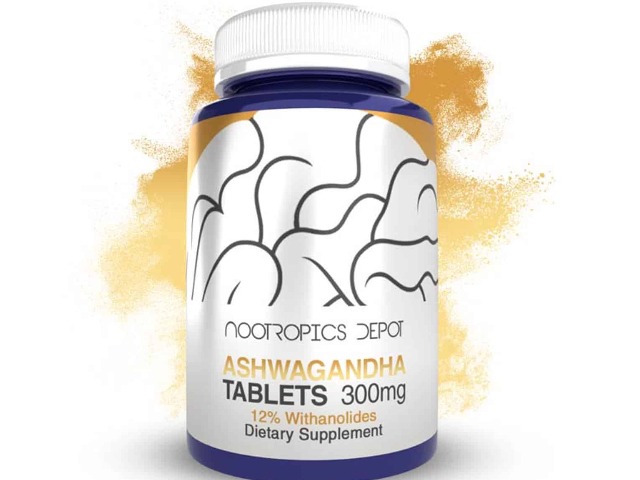
Ashwagandha (specifically the KSM-66 extract) has been shown to reduce cortisol levels and perceived stress by over 30% in clinical trials. I notice meaningful improvements in mood stability and stress resilience when I use it consistently.
Lion’s Mane mushroom enhances nerve growth factor production and supports long-term neuroplasticity. The cognitive benefits build over weeks of consistent use rather than appearing acutely.
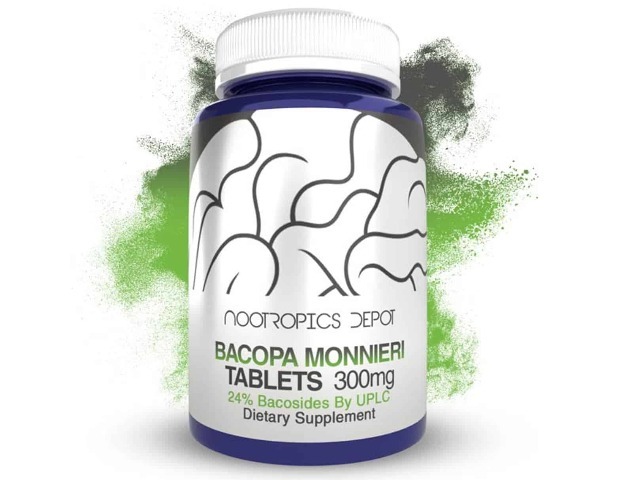
Bacopa monnieri modulates acetylcholine release and supports hippocampal function through anti-inflammatory mechanisms. Research shows significant improvements in verbal memory, working memory, and anxiety reduction after 12 weeks of consistent use.
The evidence supports anti-anxiety, anti-inflammatory, and immune-boosting activities across this category. A 2025 narrative overview published in PMC titled “Focus on Cognitive Enhancement” analyzed the growing evidence base for natural cognitive enhancers and noted that adaptogens represent the category with the strongest risk-to-benefit ratio for long-term use — a conclusion now supported by an expanding body of randomized controlled trials. These are the compounds I recommend for long-term cognitive resilience rather than acute performance enhancement.
Stimulants: The Familiar Category
Caffeine remains the most widely used cognitive enhancer on the planet, and for good reason — the evidence base is enormous. Stimulants work by blocking adenosine receptors and promoting dopamine, norepinephrine, and glutamate activity.
The problem with stimulants is sustainability. They accelerate heart rate and information processing in the short term but lead to adrenal burnout, tolerance, and energy crashes with chronic overuse. See our caffeine tolerance article for strategies on managing this.
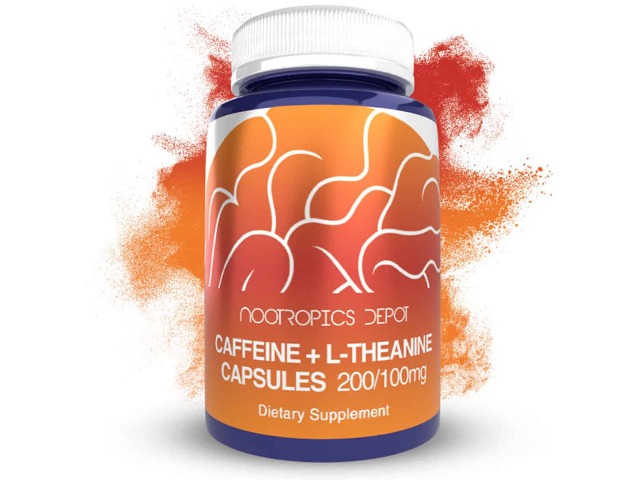
The solution is pairing. The L-theanine + caffeine stack is the most well-validated nootropic combination in existence. L-theanine (200mg) promotes alpha brain wave activity and GABA availability, smoothing caffeine’s edge without reducing its alertness benefits. This creates the “relaxed focus” state that many people are actually looking for when they reach for stimulants. See our L-theanine and caffeine combination article for the full evidence.
My recommendation: Prefer slow-release caffeine sources like green tea over mega-dosing coffee. The L-theanine naturally present in green tea partially explains why tea produces a smoother cognitive effect than coffee despite similar caffeine content.
Racetams: Promise with Uncertainty
The racetam family — piracetam, aniracetam, oxiracetam, phenylpiracetam — was among the earliest nootropics studied. They appear to sensitize acetylcholine receptor sites and modulate neuron ion channels and membrane fluidity.
Important context: racetams fall on the Red List as research chemicals. They are not classified as dietary supplements and carry regulatory uncertainty. The human evidence, while promising, consists primarily of small studies, and long-term safety data in healthy adults is limited.
If you do use racetams, co-supplementing with a choline source like Alpha-GPC is essential to avoid headaches and fully leverage any cognitive gains. But given the availability of well-studied alternatives — cholinergics, adaptogens, and the L-theanine/caffeine combination — racetams are not where I would start.
Nootropic Peptides and Growth Factors
This is the emerging frontier of cognitive enhancement, leveraging endogenous proteins and molecules for function optimization. Compounds like Noopept enhance BDNF nerve growth factor and show neuroprotective properties in research settings.
The advantage of tapping endogenous processes is that side effects are theoretically less likely than with synthetic compounds. The downsides are real: limited human evidence, higher costs, and these compounds largely fall into the Grey or Red List for regulatory purposes.
A 2025 review in Frontiers in Pharmacology explored the expanding landscape of cognitive enhancers from neurotherapeutics to ethical and regulatory challenges, noting that while peptide-based nootropics show theoretical promise for tapping endogenous neuroprotective processes, the regulatory and safety uncertainties remain significant enough to warrant caution for consumer use. I follow this research with interest but do not include peptides in my core recommendations for most people.
Strategic Stacking: Combining Categories
While individual nootropics have proven benefits, strategically combining complementary categories produces more pronounced effects through synergism. Here are three evidence-based stacks for different goals:
Beginner Focus Stack: L-Theanine (200mg) + Caffeine (100mg). Clean, focused energy with minimal side effects. This is where everyone should start.
Memory and Learning Stack: Alpha-GPC (300mg) + Bacopa monnieri (300mg daily for 12+ weeks). Acute cholinergic support paired with long-term memory building.
Stress Resilience Stack: Rhodiola rosea (200-400mg) + Ashwagandha (300mg KSM-66). Comprehensive stress buffering that supports sustained cognitive output under pressure.
For a deeper dive into stacking strategy, see our guide to creating a nootropics stack.
Safety Realities: What You Need to Know
Smart drugs are not without risk, and anyone who tells you otherwise is selling something. Here are the honest safety considerations:
Start with one compound at a time. This is the only way to identify what works for you and what causes side effects. Stacking multiple new compounds simultaneously makes it impossible to attribute effects. A 2024 Harvard Petrie-Flom Center analysis highlighted that nootropic products are classified as “dietary supplements” rather than medications, meaning companies do not have to provide the FDA with evidence of safety before marketing — making informed, cautious self-experimentation even more critical.
Respect dose ranges. More is not better with nootropics. Cholinergic excess produces brain fog. Stimulant excess produces anxiety and adrenal fatigue. Adaptogen excess can cause GI discomfort. Effective doses are well-established for most compounds — stick to them.
Monitor for side effects. Headaches, nausea, anxiety, and mood changes are signs to reduce your dose or discontinue. Severe symptoms like tremors or convulsions require immediate medical attention.
Cycle most compounds. Due to limited long-term safety data for many nootropics, daily dosing indefinitely is not advisable for all compounds. Adaptogens and foundational supplements like Bacopa and Phosphatidylserine are generally safe for daily use. Stimulants, racetams, and AChE inhibitors benefit from cycling (2-5 days on, 2-3 days off).
Prioritize the foundation. No supplement compensates for poor sleep, chronic stress, inadequate nutrition, or sedentary behavior. If you are not sleeping 7-8 hours, exercising regularly, and eating nutrient-dense whole foods, fix those before adding any nootropic.
Do Smart Drugs Increase Intelligence?
No. They do not raise IQ. What they can do is optimize the expression of the intelligence you already have — by improving concentration, memory consolidation, processing speed, and mental clarity. The difference between a scattered, fatigued brain and a well-supported, focused brain is enormous in terms of productive output, even though the underlying hardware is the same.
Where I Would Start
If you are new to cognitive enhancement, here is my recommended progression:
- Foundation: Sleep, exercise, nutrition, stress management
- First supplement: L-Theanine + Caffeine stack
- Add cholinergic support: Alpha-GPC or Citicoline
- Add long-term builder: Bacopa monnieri or Lion’s Mane
- Add stress support (if needed): Rhodiola rosea or Ashwagandha
This progression moves from the safest, most well-validated interventions toward more specialized ones, giving you time to assess each addition’s effects before layering on the next.
For a complete primer on the field, see our beginner’s guide to nootropics.