
I’ve spent most of my career focused on supplements and biochemistry as tools for cognitive enhancement. But some of the most powerful brain interventions don’t come in a bottle — they come from engaging the creative parts of your mind that modern life has trained you to neglect.
Creative arts therapies — structured therapeutic approaches using visual art, music, dance, drama, and writing — have been gaining recognition in the research literature for their ability to genuinely improve cognitive function. Not just “feel good” subjective reports, but measurable improvements in memory, attention, executive function, and processing speed. As someone who takes an evidence-based approach to brain optimization, I find this area fascinating because it represents a completely different pathway to the same cognitive goals most nootropic users are chasing.
Key Takeaways: Creative arts therapies enhance cognition through multi-sensory engagement that activates neural networks passive learning can’t reach. Music training improves working memory and processing speed. Dance therapy enhances attention and story memory. Drama training strengthens executive function, particularly cognitive flexibility and inhibition. These benefits are amplified when combined with proper nutrition, exercise, quality sleep, and targeted supplementation with compounds like Bacopa monnieri and Lion’s Mane mushroom.
What Are Creative Arts Therapies?
Creative arts therapies are expressive modalities that use various art forms for healing and cognitive development. They facilitate communication, help process emotions, reduce stress, and build coping skills — while simultaneously exercising cognitive functions in ways that conventional approaches often miss.
The main modalities include:
- Art therapy: Drawing, painting, sculpture, and other visual arts
- Music therapy: Listening, singing, playing instruments, and composition
- Dance/movement therapy: Structured movement paired with emotional expression
- Drama/theater therapy: Role-play, improvisation, and performance
- Poetry/writing therapy: Creative writing, journaling, and spoken word
These therapies emerged in the mid-20th century and were traditionally used for mental illness treatment. But a growing body of research now confirms they offer cognitive benefits for healthy people as well — making them relevant for anyone interested in brain optimization. A landmark 2025 scoping review published in Frontiers in Psychology integrating arts therapies and neuroscience research confirmed that each creative modality engages distinct biological systems — the auditory system with music therapy, the motor system with dance therapy — while all share the common thread of promoting neural plasticity through multi-sensory engagement.
Enhanced Learning and Memory
The evidence for creative arts therapies improving memory function is surprisingly robust:
Art therapy has been shown to improve verbal memory and semantic fluency across multiple studies. The mechanism likely involves multi-sensory encoding — when you create visual art, you’re engaging spatial reasoning, fine motor control, visual processing, and emotional circuits simultaneously. This creates richer memory traces than passive learning.
Dance therapy is particularly interesting for memory because it combines physical movement, spatial awareness, rhythm processing, and social interaction. Research in dementia patients found improved focus and story memory — suggesting dance activates memory consolidation pathways that other interventions miss. For healthy adults, the cognitive demands of learning choreography provide a structured form of the neuroplasticity training that keeps memory systems sharp.
Music training has some of the strongest evidence. Studies show that structured music lessons boost working memory, verbal intelligence, and processing speed. Learning to play an instrument requires simultaneous processing of auditory input, motor planning, visual reading, and timing — an extreme multi-tasking workout for the brain. A 2024 network meta-analysis of randomized controlled trials published in PMC examining music therapy’s effects on dementia patients confirmed music therapy’s superior effectiveness (SUCRA: 92.6%) in enhancing MoCA cognitive scores compared to other creative arts modalities. A 2024 comprehensive review in PMC on music and neuroplasticity demonstrated that music training produces measurable structural and functional brain changes, with sustained effects on networks involved in executive functions, memory, language processing, and emotional regulation.
Heightened Executive Function
Executive function — the cognitive abilities that let you plan, organize, shift attention, and regulate behavior — shows significant improvement with creative arts practice:
Theater training programs have been linked to meaningful gains in attention shifting, inhibition, and working memory. Improvisation is particularly demanding on executive function because it requires you to simultaneously process social cues, generate creative responses, suppress inappropriate reactions, and maintain narrative coherence — all in real time.
Structured music lessons strengthen cognitive flexibility, self-regulation, and discipline in both children and adults. The sustained attention required to practice an instrument, follow a conductor, and coordinate with other musicians builds the same executive function circuits that nootropics for ADHD target pharmacologically.
Increased Attention and Concentration
Several creative arts modalities directly improve attentional capacity:
- Art therapy enhanced sustained attention in trauma victims, possibly by providing a focused, absorbing activity that trains the attention networks in a low-threat context
- Dance/movement therapy improved attention control and persistence, likely through the rhythmic, embodied focus it demands
- Music therapy increased attention span in children with ADHD beyond what stimulant medication achieved alone — a remarkable finding that suggests creative engagement accesses attention circuits through pathways medication doesn’t fully reach
This last point is particularly relevant. If you’re someone who relies on nootropics for focus, adding creative arts practice may enhance those benefits through complementary mechanisms. It’s the same principle behind combining supplements with different mechanisms of action — you get synergy, not just addition.
Lifestyle Approaches That Amplify the Benefits
Creative arts therapies work best alongside healthy lifestyle habits for maximal cognitive gains:
Balanced nutrition: An anti-inflammatory diet rich in omega-3 fatty acids, antioxidants, and gut-supporting fiber provides the raw materials your neurons need to consolidate the cognitive gains from creative practice. See our guide to how gut health affects mental health for the research behind the gut-brain connection.
Regular exercise: Cardiovascular and strength training drive blood flow, nutrients, and BDNF to the brain. BDNF is the growth factor most directly responsible for the neuroplasticity that creative arts therapies leverage. Exercise before creative practice may enhance the brain’s receptivity to learning. A 2024 review in PMC examining the neural mechanisms behind therapeutic effects of creative arts confirmed that creative ability is linked to the expression of genes associated with synaptic plasticity — meaning creative engagement may literally foster neural adaptability at the genetic level, aiding recovery and development in clinical populations.
Stress management: Chronic stress impairs the executive function and memory systems that creative arts therapies strengthen. Practices like yoga, meditation, and breathing exercises help keep stress from undermining your cognitive gains.
Quality sleep: 7-9 hours nightly enables memory consolidation and attention restoration. The creative learning you do during the day is literally consolidated into long-term memory during deep sleep. Shortchanging sleep undermines the cognitive benefits of everything else on this list. See our sleep nootropics guide for evidence-based support.
Complementary Supplements
Certain nootropics can further enhance the cognitive benefits of creative arts practice by supporting the underlying neurochemistry:
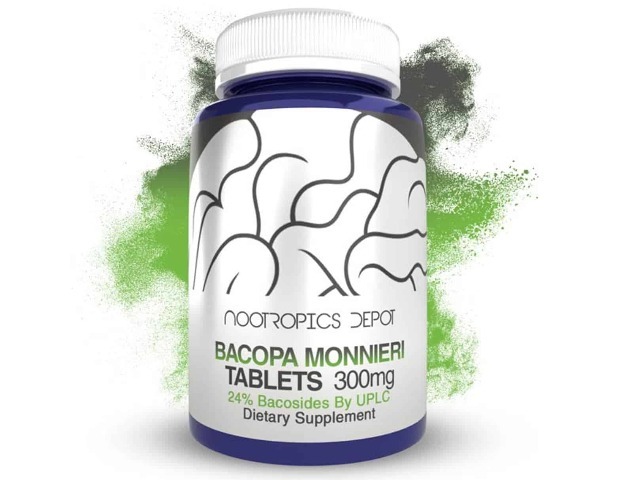
Bacopa monnieri: Enhances learning capacity, attention, and memory consolidation through serotonin and acetylcholine modulation. Bacopa’s slow-building memory benefits (over 8-12 weeks) pair naturally with the progressive skill development in creative arts therapies. Take 300mg standardized extract daily with a fat-containing meal.
Lion’s Mane mushroom: Supports nerve growth factor (NGF) production, which drives the neuroplasticity that creative practice depends on. Lion’s Mane promotes cognitive flexibility and may accelerate the neural adaptation that occurs with sustained creative engagement. See our Lion’s Mane deep dive for the full evidence review.
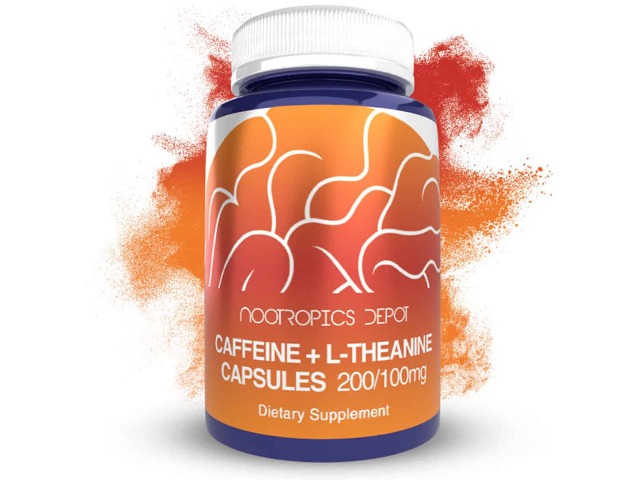
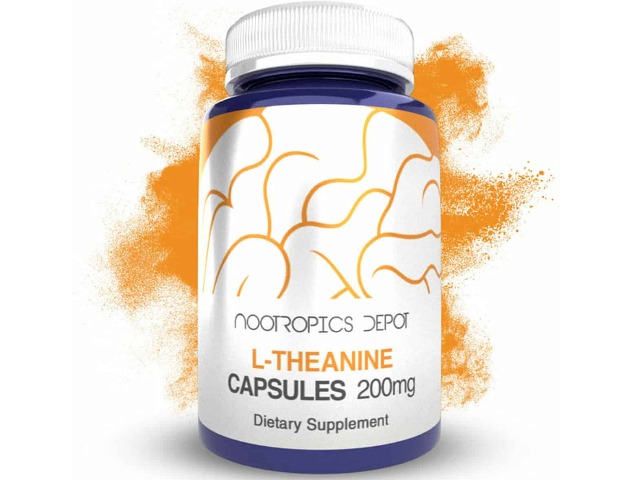
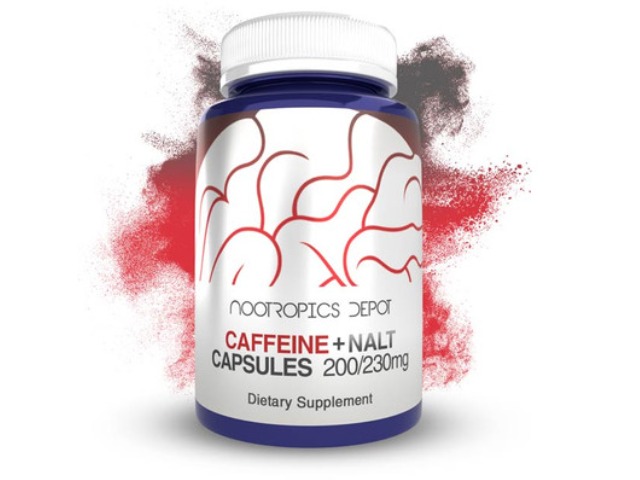
L-Theanine + Caffeine: This classic nootropic stack promotes alpha brain wave activity (creative flow) while maintaining alertness and motivation. L-Theanine tempers caffeine’s jitteriness while caffeine lifts attention and mood. A 200mg L-theanine + 100mg caffeine stack before a creative session is a reliable way to enter a productive creative state. See our full guide to this combination.
Omega-3 fatty acids: DHA and EPA support neuronal membrane integrity, facilitate cell-to-cell communication, and buffer cognitive decline. They’re foundational for brain health and support every cognitive function that creative arts therapies enhance. See our omega-3 guide for sourcing recommendations.
Getting Started with Creative Arts Therapies
You don’t need a clinical diagnosis to benefit from creative arts therapies. Here’s how to start:
Structured programs: Look for accredited or licensed creative arts therapists in your area. Individual and group sessions are available, sometimes through referral from a healthcare provider. Community centers and adult education programs also offer arts classes that provide many of the same cognitive benefits.
Self-directed practice: Learning an instrument, taking a drawing class, joining a community theater group, or starting a regular creative writing practice all engage the cognitive circuits described above. The key is sustained, challenging engagement — casual dabbling is less likely to produce measurable cognitive gains.
Frequency and duration: Research links consistent, regular practice to the strongest cognitive outcomes. Aim for at least 2-3 sessions per week of focused creative engagement. The effects accumulate over weeks and months, much like the nootropic herbs that build benefits through consistent use.
Wrapping Up
Creative arts therapies represent an underappreciated pathway to cognitive enhancement that works through mechanisms entirely different from supplementation. Multi-sensory creative engagement activates neural networks that passive learning and even conventional cognitive training can’t fully reach.
The best approach combines creative practice with the lifestyle foundations and targeted supplementation that support neuroplasticity. When you pair consistent creative engagement with compounds like Bacopa and Lion’s Mane that enhance the brain’s capacity to adapt, the cognitive benefits compound over time in ways that neither approach achieves alone.