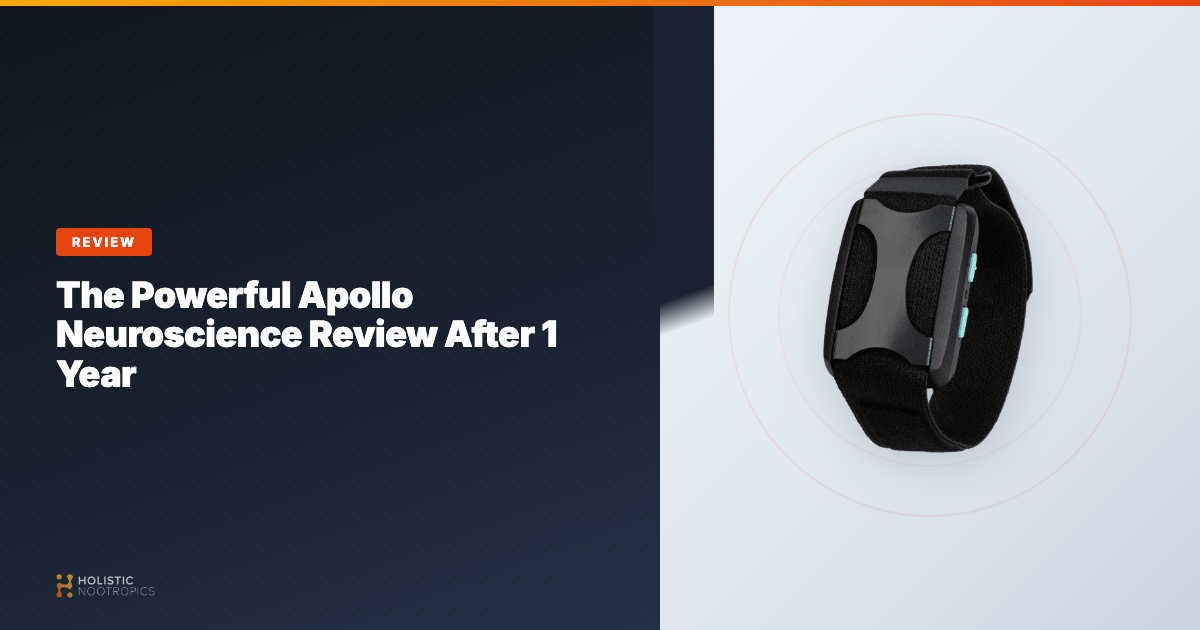
I use the Apollo Neuro at least a few times every day. In the morning, I strap it on and hit the Clear and Focused mode while I tackle my most brain-intensive work. At night, I switch to Relax and Unwind while listening to an audiobook before bed. The proof shows up the next morning in my Oura Ring data — consistently higher HRV, better deep sleep, and a noticeable difference in how recovered I feel when I wake up.
After spending over 25 hours researching the science behind this device, interviewing Apollo Neuroscience founder Dr. David Rabin on our podcast, and logging two solid years of personal daily use, I can confidently say this is one of the most impactful biohacking tools I own. It sits alongside my supplement stack as a cornerstone of my daily nervous system management.
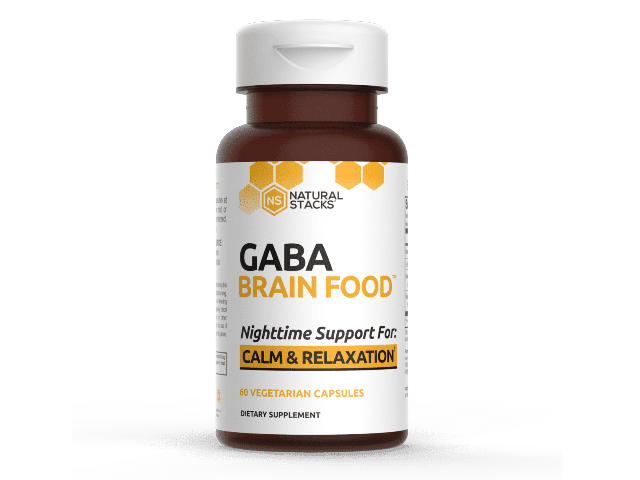
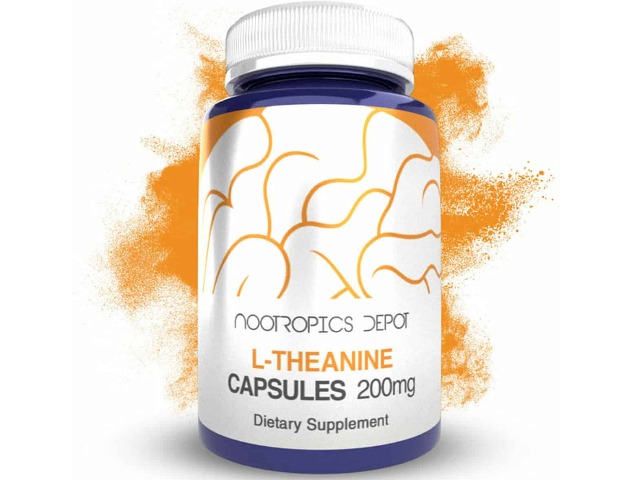
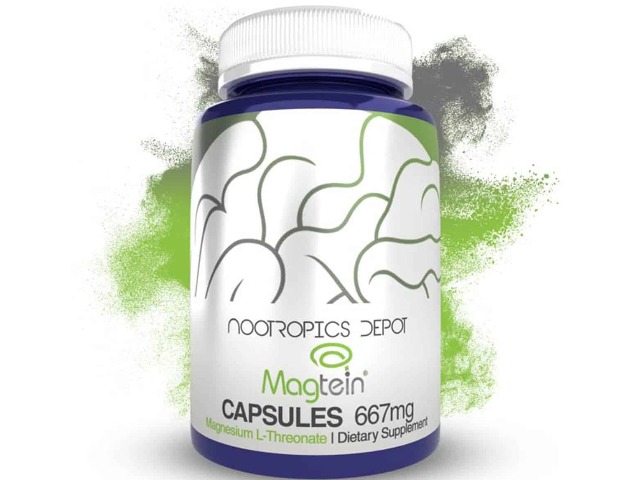
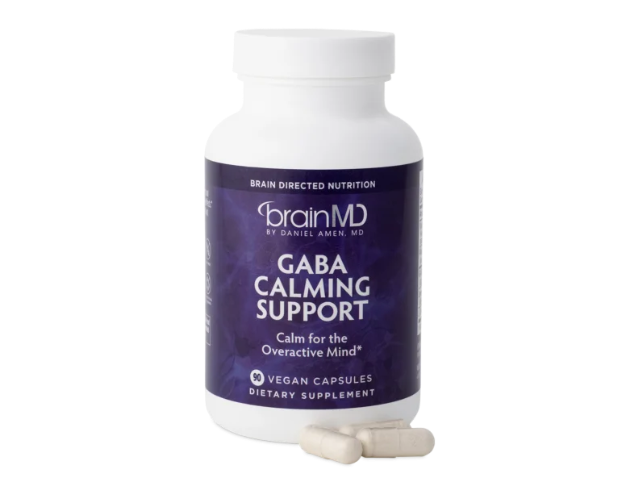
The Short Version: The Apollo Neuro wearable uses low-frequency vibrations to activate your parasympathetic nervous system, raising heart rate variability and reducing stress hormone production. Clinical research shows average HRV improvements after a single use. With seven programmable modes ranging from energy and focus to deep relaxation, it provides non-pharmacological nervous system regulation throughout the day. Pairs well with L-theanine for calm focus, magnesium L-threonate for sleep, and GABA for anxiety relief.
What Is the Apollo Neuroscience Wearable?
The Apollo Neuro is a biohacking device that conditions your nervous system to respond better to stress and the demands of a busy life. It works by delivering precisely calibrated low-frequency vibrations to your skin, which your body interprets as a safety signal — essentially telling your nervous system that it’s okay to stand down from high alert.
Physical and mental stress stems from overactivation of the sympathetic (“fight or flight”) nervous system. This chronic sympathetic dominance is now widely recognized as a precursor to most chronic diseases, both physical and mental. The most effective countermeasure is activating the parasympathetic (“rest and digest”) nervous system.
Low-frequency vibrations, like those delivered by the Apollo, represent one of the most efficient, evidence-based ways to trigger this parasympathetic shift. The device essentially hacks into your parasympathetic nervous system, raises your heart rate variability, and signals your body to dial down stress hormone production. The downstream effects include faster recovery, better mood, and improved cognitive performance.
How the Apollo Neuro Improves Heart Rate Variability
The core mechanism behind the Apollo’s benefits is its ability to increase heart rate variability (HRV). Research shows that using the Apollo Neuro can increase HRV by an average of 2 milliseconds after just one session — and the effects compound with consistent daily use. A 2025 double-blind randomized placebo-controlled crossover trial at the University of Pittsburgh confirmed that Apollo vibrations improved HRV by an average of 10% and increased focus and concentration by 25% during cognitively demanding tasks performed under stress conditions. Separately, a 2025 study in Frontiers in Sports and Active Living found that low-frequency vibration produced a 140.68% relative boost in vagally-mediated HRV metrics at 30 minutes post-session compared to non-vibration controls (p = 0.007).
The specific low-frequency vibrations stimulate the parasympathetic nervous system, effectively telling the body to shift from a stress state into a recovery state. Different vibration frequencies affect the sympathetic and parasympathetic branches in distinct ways, which is why the device offers multiple modes for different situations.
Why HRV Matters for Cognitive Performance
Heart rate variability measures the variation in time intervals between consecutive heartbeats. Unlike a simple heart rate number, HRV reflects the health and efficiency of your autonomic nervous system — the master regulatory system that governs the interaction between your brain and cardiovascular system.
When your parasympathetic and sympathetic systems are working correctly, your brain functions optimally. When they’re out of balance — as happens with chronic stress — cognition suffers.
A healthy HRV correlates with better cognitive performance, reduced anxiety and stress symptoms, improved oxygen delivery, and higher overall quality of life. HRV naturally declines with age: a person between 25-30 typically has an HRV of 55-95, while someone at 65 might see 35-55. This makes HRV-boosting interventions increasingly valuable as you age.
Within my first week of consistent Apollo use, I saw measurable improvements in my overnight HRV readings. That data, combined with how much better I felt subjectively, convinced me this device was worth incorporating permanently into my routine.
The Apollo Neuro App and Modes
The Apollo wearable connects to a companion mobile app (available on iOS and Android) that controls the device and lets you select from seven distinct vibration modes. Each mode is engineered to stimulate your nervous system differently depending on what you need at any given time.
Energy and Wake Up
This mode delivers a specific combination of frequencies designed to give a gentle cortisol boost — the natural morning high your body needs to start the day alert and motivated. I use this when I need to overcome morning grogginess without reaching for extra caffeine.
Clear and Focused
My most-used mode. The vibrations here are tuned to enhance mental clarity and sustained attention. I pair this with my morning L-theanine + caffeine stack for deep work sessions, and the combination is remarkably effective.
Social and Open
This mode is designed to boost social energy and openness. The low-level vibrations promote a state of relaxed alertness that makes conversation and creative collaboration flow more easily. Useful before meetings or social gatherings where you want to be engaged rather than drained.
Rebuild and Recover
Ideal for post-workout or afternoon recovery periods. This setting promotes parasympathetic activation to accelerate physical and mental recovery without putting you to sleep.
Meditation and Mindfulness
Calibrated to deepen meditation practice by promoting the calm, centered nervous system state that experienced meditators achieve naturally. I pair this with breathing exercises for enhanced vagus nerve stimulation.
Relax and Unwind
My evening go-to. This mode gradually shifts your nervous system toward rest, preparing your body for sleep. Combined with magnesium L-threonate and a wind-down routine, it’s been instrumental in improving my sleep onset.
Sleep and Renew
The deepest relaxation setting, designed to be worn as you fall asleep. The vibrations gradually decrease in intensity to match your body’s natural transition into sleep. This is where the Oura Ring data gets most interesting — my deep sleep percentages improved noticeably after I started using this mode consistently.
The Science Behind Vibrotactile Therapy
The Apollo isn’t just another wellness gadget making vague claims. Dr. David Rabin, a neuroscientist and board-certified psychiatrist, developed this device at the University of Pittsburgh based on decades of research into the effects of vibration on the autonomic nervous system.
The fundamental principle is well-established: specific frequencies of touch and vibration activate safety-signaling pathways in the nervous system. This is the same reason why a hug, a massage, or rocking a baby calms the nervous system. The Apollo systematizes and optimizes these frequencies for targeted outcomes.
Research demonstrates that these “good vibrations” measurably affect attention, energy, and stress markers in subjects. The different frequency patterns engage the sympathetic and parasympathetic branches with precision that manual techniques can’t replicate. A 2025 randomized controlled trial published in The American Journal of Medicine tested Apollo in medical and pharmacy students — a population where over 50% experience clinically significant burnout — and found a 32% reduction in overall burnout scores, a 22% improvement in well-being, and a 23% reduction in perceived stress over 12 weeks. No adverse events were reported. Additionally, a pilot study in systemic sclerosis patients found that daily Apollo use significantly reduced fatigue (p < 0.001), improved sleep disturbance (p = 0.002), and enhanced physical function (p = 0.01) over four weeks.
How I Use the Apollo Neuro Daily
Here’s my typical daily protocol:
- Morning (6-7 AM): Energy and Wake Up for 20 minutes while I prepare for the day
- Work session (8 AM - 12 PM): Clear and Focused mode paired with alpha-GPC and L-theanine + caffeine
- Afternoon (2-3 PM): Rebuild and Recover for 30 minutes during my post-lunch dip
- Evening (8-9 PM): Relax and Unwind while reading or listening to audiobooks
- Bedtime: Sleep and Renew as I fall asleep, combined with magnesium L-threonate
The beauty of this device is that it requires essentially zero cognitive overhead. You strap it on, select a mode, and let it work in the background while you go about your day. No meditation technique to master, no breathing pattern to maintain — just passive nervous system optimization. Apollo’s SmartVibes AI system, introduced in 2025, adds another layer: it uses machine learning trained on hundreds of millions of data points from wearable sensors (including Oura Ring and Apple Health) to detect sleep disturbances in real time and deliver personalized vibration interventions automatically. In 2025, the Apollo user community logged over 143 million minutes of additional sleep — surpassing the company’s 100-million-minute sleep restoration goal.
Who Should Consider the Apollo Neuro
The Apollo is particularly well-suited for:
- High-stress professionals who need reliable nervous system regulation throughout demanding days
- Biohackers who track HRV and want a non-pharmacological way to improve it
- People with anxiety looking for drug-free stress relief
- Sleep optimizers who want measurable improvements in sleep quality
- Anyone building a nootropic stack who wants a complementary hardware tool
If you need a simple device that requires minimal setup, is easy to use, and delivers real, measurable mind-body benefits, the Apollo Neuro is one of the best investments I’ve made in my health toolkit.
Stacking the Apollo with Nootropics
The Apollo pairs naturally with several supplements I already recommend:
- L-theanine + Clear and Focused mode for calm, sustained attention
- GABA + Relax and Unwind for evening anxiety relief
- Magnesium L-threonate + Sleep and Renew for deep, restorative sleep
- Rhodiola rosea + Energy and Wake Up for morning energy without jitters
- Ashwagandha + Meditation and Mindfulness for stress resilience
The combination of targeted supplementation and Apollo’s vibrotactile stimulation creates a multi-pathway approach to nervous system optimization that neither approach achieves alone.
Final Verdict
After two years of daily use, the Apollo Neuro has earned its place as a permanent fixture in my biohacking toolkit. The HRV data is compelling, the subjective benefits are consistent, and the ease of use means I actually stick with it — which is more than I can say for many devices I’ve tested.
It’s not a replacement for the fundamentals: sleep optimization, exercise, nutrition, and stress management remain the foundation. But as an amplifier of those fundamentals, the Apollo Neuro delivers in a way that very few wearables can match.