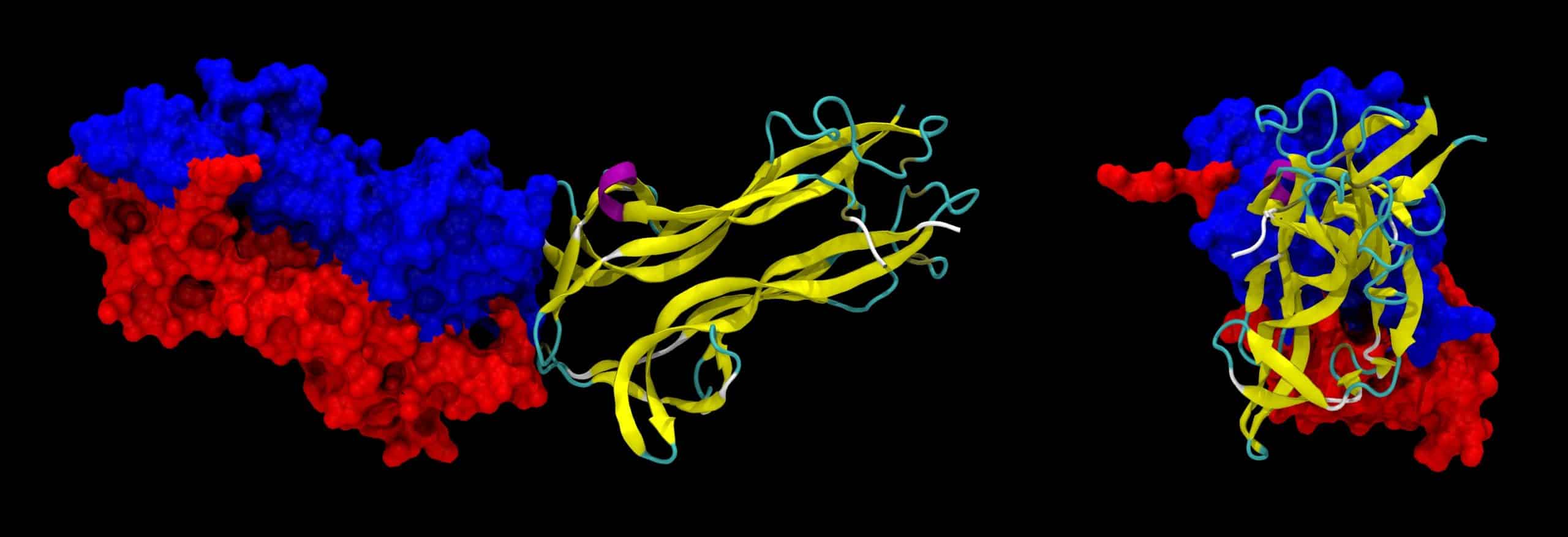
If I had to pick one molecule that best captures why the brain can change, adapt, and heal itself, it would be BDNF — Brain-Derived Neurotrophic Factor. It’s essentially your brain’s fertilizer: the protein that tells neurons to grow, form new connections, and survive under stress. Without adequate BDNF, your brain’s capacity for learning, memory, and repair grinds to a halt.
What makes BDNF particularly fascinating from a nootropics perspective is that you can’t take it directly as a supplement. It doesn’t cross the blood-brain barrier. But the good news is that many of the interventions I recommend to clients — exercise, specific supplements, sleep optimization, even fasting — converge on the same endpoint: increasing BDNF expression in the brain. Understanding how BDNF works gives you a roadmap for nearly every cognitive enhancement strategy worth pursuing.
The Short Version: BDNF is a neurotrophin that drives neurogenesis, synaptic plasticity, and neuronal survival. It’s critical for memory formation (via long-term potentiation), mood regulation, energy metabolism, and neuroprotection. You can’t supplement BDNF directly, but you can reliably increase its production through high-intensity exercise, quality sleep, intermittent fasting, and targeted supplements like lion’s mane, rhodiola rosea, curcumin, ashwagandha, and L-theanine. BDNF naturally declines with age, making active maintenance essential for long-term brain health.
What BDNF Actually Does in the Brain

BDNF is a protein encoded by the BDNF gene on chromosome 11. When released, it primarily binds to TrkB (tropomyosin receptor kinase B) receptors, triggering intracellular signaling cascades that affect nearly every aspect of neuronal function. It also interacts with the p75NTR (low-affinity nerve growth factor) receptor, though this pathway is less well characterized.
Here’s what those signaling cascades actually do:
Learning and Memory
BDNF is arguably the most important single molecule for memory formation. It regulates synaptic plasticity — the ability of connections between neurons to strengthen or weaken based on activity. This process, known as long-term potentiation (LTP), is the cellular mechanism underlying how your brain stores new information.
When BDNF binds TrkB receptors, it activates protein kinase C (PKC) and triggers downstream pathways that promote dendrite growth and synaptogenesis — the physical creation of new synaptic connections. It also modulates NMDA receptor function, a critical piece of the memory formation puzzle that depends on glutamate signaling.
In animal studies where BDNF activity is suppressed, researchers observe measurable physical degradation of the hippocampus — the brain’s primary memory center. The takeaway is straightforward: adequate BDNF is non-negotiable for forming and retaining new memories.
Mood and Emotional Regulation
The link between BDNF and depression is one of the most robust findings in psychiatric neuroscience. Research consistently shows:
- Lower BDNF levels in the prefrontal cortex and hippocampus of individuals with depression
- Decreased serum BDNF in blood samples from depressed patients
- A genetic variant (Val66Met polymorphism) that reduces BDNF production and increases depression risk
- Carriers of this variant also show reduced hippocampal volume and impaired episodic memory
Most effective antidepressant treatments — from SSRIs to exercise to psychotherapy — increase BDNF expression. This has led researchers to propose that BDNF may be a final common pathway through which diverse antidepressant interventions work. For more on natural mood support, see our guide on the best nootropics for depression.
Energy and Metabolism
BDNF’s role extends well beyond cognition. It plays a central part in whole-body energy metabolism:
- Appetite regulation — BDNF in the hypothalamus suppresses appetite and prevents overeating. Animal models with reduced BDNF levels consistently show hyperphagia (excessive eating) and significant weight gain.
- Glucose metabolism — BDNF stimulates glucose transport and improves insulin sensitivity, supporting healthy energy production at the cellular level.
- Mitochondrial biogenesis — BDNF promotes the creation of new mitochondria, your cells’ energy factories, through PGC-1alpha signaling. This is partly why exercise (which powerfully increases BDNF) improves cellular energy capacity.
- Neuroprotection — By supporting mitochondrial health and stimulating antioxidant defenses, BDNF protects neurons from injury, toxicity, and age-related degeneration.
People with chronically low BDNF — whether from genetics, sedentary lifestyle, chronic stress, or poor sleep — are at greater risk for metabolic syndrome, obesity, and type 2 diabetes. The metabolic and cognitive benefits of BDNF are deeply intertwined.
How BDNF Works at the Molecular Level

When BDNF binds to TrkB receptors on the neuronal surface, it activates three major intracellular signaling cascades:
- MAPK/ERK pathway — drives gene expression changes that support synaptic plasticity and long-term memory
- PI3K/Akt pathway — promotes neuronal survival and protects against apoptosis (programmed cell death)
- PLCgamma pathway — modulates intracellular calcium and supports synaptic transmission
BDNF also exerts powerful effects on the NMDA receptor system through its interaction with glutamate signaling. This is critical because NMDA receptor activation is required for LTP — the cellular basis of memory consolidation.
The net effect of all these pathways: when BDNF is present in adequate amounts, neurons survive longer, form connections more readily, respond more efficiently to stimulation, and resist damage from stress and aging. When BDNF is deficient, the opposite occurs — and the hippocampus is particularly vulnerable.
What Stimulates BDNF Production?
Since you can’t take BDNF directly, the strategy is to create conditions that maximize your brain’s own production. Here are the most evidence-based approaches, ranked by strength of evidence.
Tier 1: Lifestyle Interventions (Strongest Evidence)
High-intensity exercise is the single most powerful BDNF enhancer available. Vigorous aerobic exercise (running, cycling, HIIT) produces acute BDNF increases of 2-3x above baseline, with chronic exercise raising baseline BDNF levels over weeks to months. The effect is dose-dependent — higher intensity produces larger BDNF responses. For more on exercise and brain health, see our exercise and cognitive benefits guide.
Quality sleep is essential for BDNF consolidation. BDNF expression follows a circadian rhythm, peaking during deep sleep. Chronic sleep deprivation significantly reduces BDNF levels and impairs the memory consolidation processes that depend on it.
Intermittent fasting increases BDNF through metabolic stress signaling. The 16:8 protocol (16 hours fasting, 8-hour eating window) is the most practical approach. See our guide on the best nootropics for intermittent fasting.
Sunlight exposure — adequate vitamin D status is associated with higher BDNF levels. Morning sun exposure has the added benefit of circadian rhythm optimization.
Tier 2: Targeted Supplementation (Good Evidence)
These supplements have demonstrated BDNF-enhancing effects in human or robust animal research:
- Lion’s Mane Mushroom — contains hericenones and erinacines that stimulate Nerve Growth Factor (NGF) and BDNF production. One of the most directly neurotrophic supplements available. See our nootropic mushroom guide for dosing.
- Curcumin — increases BDNF expression, particularly in lipid-based formulations (Longvida, Meriva) that achieve meaningful brain concentrations. Also potently anti-inflammatory. See our curcumin brain benefits article.
- Rhodiola Rosea — adaptogen that modulates BDNF through stress pathway normalization. Particularly useful for stress-induced BDNF depletion.
- Ashwagandha — multiple studies show increased BDNF alongside its well-documented cortisol-lowering effects. The KSM-66 and Sensoril extracts are best studied.
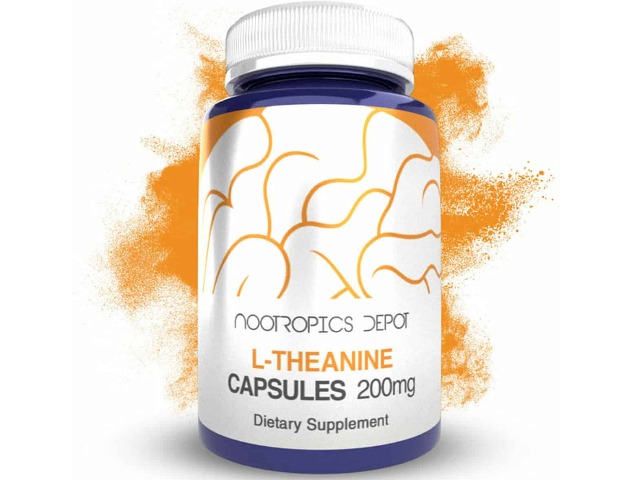
- L-Theanine — promotes BDNF through AMPA receptor modulation and alpha wave enhancement.
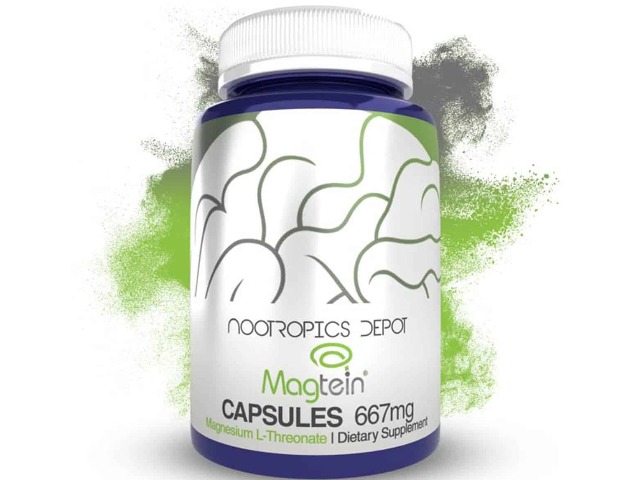
- Magnesium L-Threonate — the only magnesium form shown to significantly increase brain magnesium levels, supporting synaptic plasticity through NMDA receptor modulation. Magnesium is also a cofactor in BDNF signaling.
Tier 3: Emerging or Supportive Evidence
- N-Acetylcysteine (NAC) — supports BDNF indirectly through glutathione-mediated neuroprotection and glutamate modulation
- Green tea extract (EGCG) — animal evidence suggests BDNF enhancement, with catechins providing additional antioxidant neuroprotection
- Lithium orotate (low-dose) — stimulates BDNF expression and has neuroprotective effects at sub-therapeutic doses
- Meditation — regular practice increases BDNF levels, likely through stress reduction and enhanced prefrontal cortex activity
BDNF and Aging: Why This Matters More Over Time
BDNF levels naturally decline with age, and this decline correlates with the cognitive changes many people experience — slower learning, weaker memory formation, reduced mental flexibility. Low BDNF is implicated in Alzheimer’s disease, Parkinson’s disease, and age-related cognitive decline.
This makes active BDNF maintenance increasingly important as you get older. The combination of regular vigorous exercise, quality sleep, anti-inflammatory nutrition, and targeted supplementation represents one of the most evidence-based strategies available for preserving cognitive function across the lifespan.
For more on the daily habits that support BDNF, see our companion article on 6 daily habits that naturally boost BDNF. And for the broader picture of growing new brain cells, our neurogenesis guide covers the full landscape.
My Take
BDNF is one of those molecules that ties together nearly everything I talk about on this site. Exercise, sleep, adaptogens, mushroom extracts, anti-inflammatory compounds — they all converge on supporting this critical growth factor. When a client tells me they want better memory, sharper focus, or more resilient mood, BDNF optimization is usually part of the foundation I build.
The practical takeaway is simple: prioritize the lifestyle interventions (exercise, sleep, sunlight, fasting) as your BDNF foundation. Layer in lion’s mane and curcumin for direct neurotrophic support. Add rhodiola or ashwagandha if stress is depleting your BDNF. And be consistent — BDNF benefits accumulate over weeks and months, not overnight.
Your brain’s ability to change, learn, and heal itself isn’t fixed. It’s a function of BDNF — and BDNF is something you can actively support every single day.