
- Reduces neuroinflammation through NF-κB pathway inhibition
- Enhances antioxidant enzyme activity and free radical scavenging
- Supports synaptic plasticity and neuroprotection
I’ll admit it: when I first heard about Phellinus linteus, I thought it was just another overhyped mushroom supplement riding the Lion’s Mane wave. A fuzzy black fungus that’s been used in traditional Korean and Chinese medicine for centuries, now being marketed as a brain-protective powerhouse? Color me skeptical.
Then I actually looked at the research. And I was wrong.
Phellinus linteus — also called Meshima or Song Gen — has a surprisingly robust body of evidence showing legitimate neuroprotective effects, particularly around reducing brain inflammation and oxidative stress. It’s not the flashiest nootropic on the market, but for people dealing with chronic inflammation or looking for long-term brain health support, it’s worth a serious look.
The Short Version: Phellinus linteus is a medicinal mushroom with strong anti-inflammatory and antioxidant properties that protect brain cells from oxidative damage and chronic inflammation. It works by blocking key inflammatory pathways (NF-κB and MAPK) and boosting your brain’s natural antioxidant defenses. Best for long-term neuroprotection, not acute cognitive enhancement. Typical dose is 1-3 grams daily of dried extract.
What Is Phellinus linteus?
Phellinus linteus is a medicinal mushroom that grows on mulberry trees throughout East Asia. It’s been a staple of traditional Korean medicine (called Meshima in Japanese, Song Gen in Chinese) for over 2,000 years, traditionally used for immune support and general longevity.
Unlike Lion’s Mane or Cordyceps, which have become mainstream in Western supplement markets, Phellinus linteus has stayed relatively under the radar. That’s partly because its effects are subtle and cumulative — this isn’t a “take it and feel it in an hour” compound like caffeine or phenylpiracetam. It’s more like a long-term insurance policy for your brain.
The active compounds include polysaccharides (especially beta-glucans), hispolon, and various phenolic compounds that give the mushroom its potent antioxidant and anti-inflammatory effects. The research focus has historically been on immune and cancer applications, but recent studies have shown legitimate neuroprotective mechanisms that translate to cognitive health.
Reality Check: Phellinus linteus isn’t going to give you laser focus or photographic memory. If you’re looking for immediate cognitive enhancement, try Alpha-GPC or L-Theanine instead. This is a foundational compound for people playing the long game with brain health.
How Does Phellinus linteus Work? (The Science Behind the Fungus)
Here’s where it gets interesting. Phellinus linteus works through two primary mechanisms that protect your brain from the slow-burn damage that accumulates over decades: neuroinflammation reduction and oxidative stress management.
The inflammation angle: Your brain has a built-in inflammatory response system that’s supposed to protect you from pathogens and clear out damaged cells. But chronic activation of this system — triggered by poor diet, stress, gut dysfunction, environmental toxins — creates a state of low-grade brain inflammation that degrades cognitive function over time.
Phellinus linteus specifically inhibits two master regulatory pathways of inflammation: NF-κB and MAPK (mitogen-activated protein kinase). Think of these as the ON switches for inflammatory gene transcription. When these pathways are chronically activated, your brain starts pumping out pro-inflammatory cytokines like TNF-α, IL-6, and interferon-gamma — molecules that damage neurons and synaptic connections.
A 2016 study in Nutrition Research found that the ethyl acetate fraction of Phellinus linteus (PLEA) blocked these pathways in neuronal cells exposed to oxidative stress, significantly reducing inflammatory cytokine production. The researchers noted that this wasn’t just a general dampening effect — it was targeted inhibition of the specific signaling cascades that drive neuroinflammation.
The oxidative stress angle: Your brain uses 20% of your body’s oxygen despite being only 2% of your body weight. That metabolic intensity creates a constant stream of reactive oxygen species (ROS) — free radicals that damage cellular membranes, proteins, and DNA if not properly neutralized.
Phellinus linteus attacks oxidative stress on two fronts. First, it directly scavenges free radicals through compounds like hispolon and phenolic antioxidants. Second — and this is the more impressive part — it upregulates your brain’s endogenous antioxidant enzymes: catalase, glutathione peroxidase, and superoxide dismutase. These are your cellular cleanup crew, and Phellinus linteus essentially gives them better tools and more staff.
The same 2016 study showed that PLEA significantly increased the activity of these antioxidant enzymes in neuronal cells, preventing lipid peroxidation (a type of cellular damage that degrades neuronal membranes) and blocking apoptotic cell death pathways.
Translation: Phellinus linteus doesn’t just mop up free radicals after they’re created — it enhances your brain’s built-in defense systems so you produce fewer of them in the first place. It’s the difference between constantly bailing water out of a leaking boat versus actually fixing the leak.
There’s also preliminary evidence that by reducing oxidative damage to synaptic structures and suppressing stress-activated signaling pathways like ERK, JNK, and p38, Phellinus linteus may help maintain synaptic plasticity — the physical remodeling of neuronal connections that underlies learning and memory. This is speculative based on the mechanisms, but the logic is sound: if you prevent damage to the molecular machinery that enables synaptic strengthening, you preserve cognitive capacity.
| Mechanism | Pathway | Effect | Clinical Relevance |
|---|---|---|---|
| Anti-inflammatory | NF-κB inhibition | Reduces TNF-α, IL-6, IFN-γ | Protects against neuroinflammation |
| Antioxidant | Direct ROS scavenging | Neutralizes free radicals | Prevents oxidative neuronal damage |
| Antioxidant | Enzyme upregulation | ↑ Catalase, GPx, SOD | Enhances endogenous defense systems |
| Neuroprotective | MAPK pathway suppression | Blocks ERK, JNK, p38 | May support synaptic plasticity |
Benefits of Phellinus linteus (What the Research Actually Shows)
Let’s be honest about the evidence here: most of the neuroprotective research on Phellinus linteus comes from in vitro (cell culture) and animal studies. There are human trials showing immune benefits, but direct human data on cognitive outcomes is limited. That doesn’t mean the mechanisms aren’t real — it means we’re working from strong mechanistic evidence that hasn’t yet been fully translated to large-scale human trials.
Neuroinflammation reduction: This is the most well-supported benefit. Multiple studies show that Phellinus linteus extracts block NF-κB and MAPK signaling in neuronal cells, reducing production of inflammatory cytokines. In practical terms, this means less chronic brain inflammation — the kind associated with brain fog, mood issues, and long-term cognitive decline.
A 2022 randomized, double-blind, placebo-controlled trial in Medicine (yes, an actual human RCT) found that 60 participants taking Phellinus linteus extract for 8 weeks showed significant improvements in immune function markers, with notable reductions in inflammatory cytokines. While the study focused on immune outcomes, the systemic anti-inflammatory effects likely extend to the brain, especially for people with chronic low-grade inflammation.
Oxidative stress protection: The 2016 Nutrition Research study demonstrated that PLEA increased antioxidant enzyme activity by up to 40% in neuronal cells and significantly reduced markers of lipid peroxidation and oxidative DNA damage. For context, oxidative stress is implicated in virtually every neurodegenerative condition — Alzheimer’s, Parkinson’s, ALS — so compounds that genuinely enhance antioxidant capacity are valuable for long-term brain health.
Potential cognitive support: Here’s where we move from solid evidence to reasonable extrapolation. By preventing oxidative damage to synaptic proteins and suppressing stress-activated pathways that interfere with synaptic plasticity, Phellinus linteus should support learning and memory processes. But we don’t have direct human data showing “X group took Phellinus linteus and scored Y% better on memory tests.” The mechanistic foundation is there; the clinical validation is pending.
Insider Tip: If you’re dealing with chronic brain fog, mood issues, or cognitive fatigue and you’ve already ruled out the usual suspects (poor sleep, blood sugar dysregulation, gut issues), chronic neuroinflammation is a strong candidate. Phellinus linteus is worth trying as part of a broader anti-inflammatory protocol alongside Curcumin, Fish Oil, and gut-healing interventions.
| Benefit | Evidence Level | Key Finding | Notes |
|---|---|---|---|
| Neuroinflammation reduction | Strong (cell + human) | NF-κB/MAPK inhibition, cytokine reduction | Human RCT showed immune/inflammatory benefits |
| Oxidative stress reduction | Strong (cell studies) | ↑ Antioxidant enzymes by ~40% | Demonstrated in neuronal cells |
| Neuroprotection | Moderate (animal/cell) | Prevents apoptotic cell death | Mechanism validated, human data limited |
| Cognitive enhancement | Preliminary (mechanistic) | May support synaptic plasticity | Extrapolated from neuroprotective effects |
How to Take Phellinus linteus (Without Wasting Your Money)
Dosage: The traditional therapeutic range is 1-3 grams daily of dried extract. Most clinical studies showing immune and anti-inflammatory benefits used doses around 1.5-3 grams. Start at the lower end (1 gram) to assess tolerance, then increase to 2-3 grams if well-tolerated and you’re targeting therapeutic effects.
Timing: Phellinus linteus is best taken with food to enhance absorption of its fat-soluble compounds. The research doesn’t indicate a strong circadian timing preference, so splitting the dose between morning and evening meals works fine. If you’re taking a single daily dose, morning with breakfast is a reasonable default.
Forms: Most supplements use hot-water extracts or dual-extraction (water + alcohol) methods to concentrate the active polysaccharides and phenolic compounds. Look for products standardized to polysaccharide content (typically 20-30% beta-glucans). Avoid products that just contain powdered mushroom fruiting body with no extraction — the active compounds are locked in chitin cell walls and have poor bioavailability without extraction.
Cycling: Unlike stimulants or GABAergics, there’s no evidence that Phellinus linteus needs to be cycled. The anti-inflammatory and antioxidant effects appear to be cumulative and don’t show tolerance development. Consistent daily use over 8-12 weeks is the standard approach.
Starting protocol:
- Start with 1 gram daily with food for 2 weeks
- Assess tolerance (digestive comfort, no adverse reactions)
- Increase to 2 grams daily if targeting stronger anti-inflammatory effects
- Maintain consistent use for at least 8-12 weeks before evaluating efficacy — this is not a fast-acting compound
Pro Tip: If you’re stacking multiple medicinal mushrooms (Lion’s Mane, Reishi, Cordyceps), consider a multi-mushroom complex that includes Phellinus linteus rather than buying each individually. The synergistic effects of mushroom polysaccharides are well-documented, and you’ll save money on a quality blend.
| Use Case | Dosage | Timing | Duration | Notes |
|---|---|---|---|---|
| General neuroprotection | 1-1.5g | Morning with food | Ongoing | Maintenance dose |
| Anti-inflammatory support | 2-3g | Split AM/PM with meals | 8-12 weeks minimum | Therapeutic range |
| Cognitive recovery | 3g | 1g with each meal | 3-6 months | Consult practitioner |
Side Effects & Safety (What Could Go Wrong)
Phellinus linteus has a strong safety profile based on centuries of traditional use and modern clinical trials. The 2022 human RCT found no significant adverse events in participants taking the extract for 8 weeks compared to placebo. That said, individual responses vary.
Common side effects (rare):
- Mild digestive upset (gas, bloating) in sensitive individuals, especially at higher doses
- Possible allergic reactions in people with mushroom allergies
Who should avoid this:
- People with known mushroom allergies
- Individuals with autoimmune conditions should consult a healthcare provider — immune-modulating compounds can theoretically exacerbate autoimmune activity, though Phellinus linteus appears to be immune-balancing rather than purely stimulating
- Pregnant or nursing women (insufficient safety data)
Drug interactions:
| Medication/Substance | Interaction Type | Risk Level | Notes |
|---|---|---|---|
| Immunosuppressants | Immune modulation | Moderate | May counteract immunosuppressive drugs; consult physician |
| Anticoagulants/Blood thinners | Antiplatelet activity | Low-Moderate | Some mushroom polysaccharides have mild anticoagulant effects; monitor INR if on warfarin |
| Chemotherapy agents | Immune/antioxidant | Variable | Some oncologists avoid high-dose antioxidants during chemo; discuss with your oncologist |
| Diabetes medications | Blood sugar modulation | Low | May have mild blood sugar-lowering effects; monitor glucose |
Important: If you’re on immunosuppressive therapy (post-transplant, autoimmune treatment), do NOT start Phellinus linteus without consulting your prescribing physician. Immune-modulating compounds can interfere with the effectiveness of these medications.
Long-term safety: Traditional use suggests excellent long-term safety, but rigorous Western clinical trials beyond 12 weeks are limited. The mechanistic profile (anti-inflammatory, antioxidant) doesn’t suggest accumulation of toxic metabolites or organ stress, but we lack multi-year controlled human data.
Stacking Phellinus linteus (The Combinations That Actually Work)
Phellinus linteus is a foundational compound — it works best as part of a broader anti-inflammatory and neuroprotective stack rather than as a standalone cognitive enhancer.
For Long-Term Neuroprotection & Brain Health:
- Morning: 1.5g Phellinus linteus + 500mg Lion’s Mane (NGF stimulation) + 500mg Curcumin with black pepper (anti-inflammatory) + 1g Fish Oil (omega-3s)
- Evening: 1.5g Phellinus linteus + 400mg Magnesium L-Threonate (synaptic density)
- Rationale: This stack addresses multiple pathways of neurodegeneration — inflammation, oxidative stress, impaired neuroplasticity, and mitochondrial dysfunction. It’s a long-game protocol for people concerned about cognitive aging.
For Chronic Brain Fog & Inflammation:
- Morning: 2g Phellinus linteus + 1g Curcumin + 5g Creatine Monohydrate (cellular energy) + 500mg Rhodiola Rosea (adaptogenic stress support)
- Afternoon: 200mg L-Theanine + 100mg Caffeine (acute focus support)
- Rationale: Brain fog is often multifactorial (inflammation + energy deficit + stress). This stack hits all three while providing acute cognitive support when needed.
For Mood Support & Stress Resilience:
- Morning: 1.5g Phellinus linteus + 300mg Ashwagandha (cortisol modulation) + 200mg L-Theanine
- Evening: 300mg Magnesium Glycinate + 1.5g Phellinus linteus
- Rationale: Chronic stress drives inflammation and oxidative stress. Combining anti-inflammatory mushrooms with adaptogens and calming compounds creates a synergistic stress-resilience protocol.
What to AVOID combining:
- Don’t stack Phellinus linteus with other immune-stimulating compounds at high doses if you have autoimmune issues — you want immune balance, not overstimulation
- Avoid combining with high-dose synthetic antioxidants (mega-dose vitamin E, synthetic beta-carotene) — there’s some evidence that excessive antioxidant supplementation can interfere with beneficial hormetic stress responses
| Goal | Key Synergies | Why It Works |
|---|---|---|
| Neuroprotection | Lion’s Mane, Curcumin, Fish Oil | Multi-pathway protection (NGF, inflammation, oxidative stress) |
| Brain Fog | Curcumin, Creatine, Rhodiola | Addresses inflammation, energy, and stress simultaneously |
| Mood/Stress | Ashwagandha, L-Theanine, Magnesium | Balances HPA axis while reducing neuroinflammation |
My Take
I’ve been using Phellinus linteus as part of my base mushroom stack for about a year, and I’ll be straight with you: I don’t feel it the way I feel phenylpiracetam or modafinil. There’s no acute buzz, no noticeable energy lift, no sudden clarity. And that’s exactly the point.
Phellinus linteus is insurance. It’s the supplement you take because you understand that chronic low-grade brain inflammation is a silent driver of cognitive decline, mood issues, and brain fog — and you want to address it before it becomes a problem you can feel.
Who this is BEST for:
- People dealing with chronic brain fog who’ve already addressed the basics (sleep, gut health, blood sugar) and suspect neuroinflammation is a factor
- Anyone with a family history of neurodegenerative disease looking for evidence-based prevention strategies
- People recovering from head injuries, chronic stress, or inflammatory conditions that have taken a cognitive toll
- Biohackers playing the long game with brain health rather than chasing acute performance boosts
Who should try something else instead: If you’re looking for immediate cognitive enhancement — better focus, faster processing, enhanced working memory — Phellinus linteus is not your compound. Try Alpha-GPC, L-Tyrosine, or Citicoline for cholinergic support, or Rhodiola Rosea for acute stress-performance benefits. If you want mushroom-based cognitive support with more noticeable effects, Lion’s Mane is a better starting point.
Is this worth trying? If you fit the profile above — dealing with inflammation-driven cognitive issues, concerned about long-term brain health, or building a comprehensive neuroprotective protocol — absolutely. It’s well-tolerated, affordable, and backed by solid mechanistic research. Just set your expectations appropriately: this is a 3-6 month commitment, not a 3-day experiment.
The honest reality is that most people won’t notice dramatic subjective effects from Phellinus linteus. But the absence of noticeable effects doesn’t mean it’s not working. Sometimes the best interventions are the ones preventing problems you’ll never know you avoided.
Recommended Meshima Mushroom Products
I know how frustrating it is to sort through dozens of brands making the same claims. These are the ones I've personally vetted — because quality is the difference between results and wasted money.
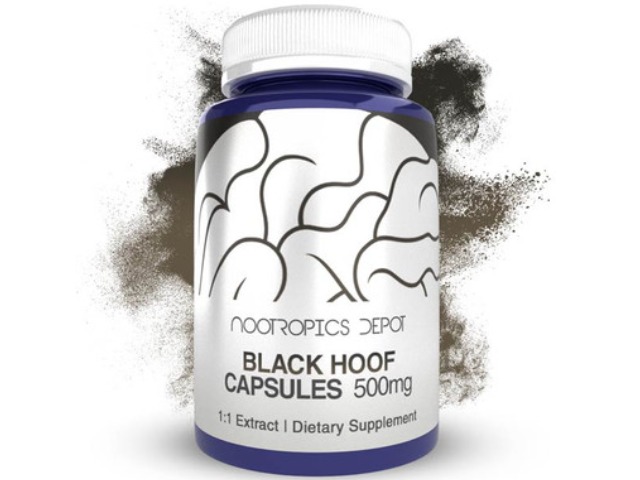
Nootropics Depot Black Hoof Mushroom Capsules - Phellinus Linteus
Shop Now →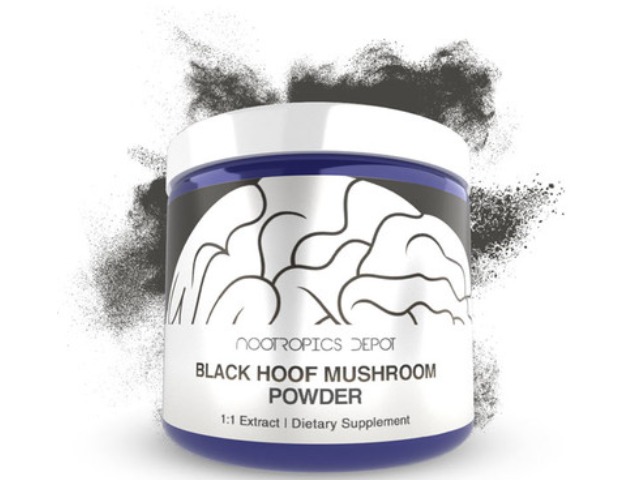
Nootropics Depot Black Hoof Mushroom Extract Powder | Whole Fruiting Body
Shop Now →Disclosure: These are affiliate links. I earn a small commission if you purchase — at no extra cost to you. I only recommend products I personally use or have thoroughly researched.
Research & Studies
This section includes 4 peer-reviewed studies referenced in our analysis.