
- Focus & Attention
- Memory Support
- Neuroprotection
- Mood Regulation
I used to think “brain fog” was just something I had to accept as part of getting older and juggling too many projects. Then I discovered that the same compound I’d been drinking in overpriced juice cleanses — pomegranate — actually had legitimate cognitive research behind it. Not the juice. The concentrated extract.
Turns out, this ancient fruit that’s been used medicinally for thousands of years contains some of the most potent polyphenolic compounds for brain health we know of. The difference between pomegranate juice and pomegranate extract is like the difference between drinking green tea and taking a concentrated EGCG supplement — you’re getting therapeutic doses of the active compounds without the sugar crash.
If you’ve been searching for a natural nootropic with actual neuroprotective research behind it, this guide breaks down everything you need to know.
The Short Version: Pomegranate extract contains high concentrations of ellagitannins and polyphenols that enhance acetylcholine availability, reduce neuroinflammation, and provide potent antioxidant protection. Research shows improvements in focus, attention, and memory, particularly with doses of 500-1,500mg daily taken consistently for 8-12 weeks. It’s not a quick fix, but it’s one of the better-researched plant extracts for long-term brain health.
What Is Pomegranate Extract? (Beyond the Juice Hype)
Pomegranate extract is a concentrated form of bioactive compounds derived from Punica granatum, a fruit-bearing shrub that’s been cultivated for over 5,000 years across Mediterranean and Middle Eastern regions. While pomegranate juice has become trendy in wellness circles, the extract delivers therapeutic doses of the compounds that actually matter for cognition — primarily ellagitannins (like punicalagin) and ellagic acid.
Here’s what most people don’t realize: pomegranate juice contains mostly sugar and water, with relatively small amounts of the polyphenolic compounds responsible for cognitive benefits. A standardized extract, on the other hand, concentrates these active compounds to levels that actually show up in clinical research — typically 40-70% polyphenols by weight.
The cognitive interest in pomegranate extract emerged from Alzheimer’s disease research, where scientists noticed that populations consuming traditional Mediterranean diets (rich in pomegranates) showed lower rates of neurodegenerative disease. That observation led to decades of research on pomegranate’s neuroprotective mechanisms.
Reality Check: Pomegranate extract isn’t a magic bullet for instant mental clarity. It works through long-term neuroprotective mechanisms — think of it as a compound that helps your brain maintain its infrastructure over time, not a stimulant that gives you a boost within an hour. If you’re looking for immediate cognitive effects, caffeine or L-theanine are better choices. Pomegranate is about the long game.
How Does Pomegranate Extract Work? (The Four-Pathway Approach)
Pomegranate extract supports cognition through multiple complementary mechanisms, which is part of why the research on it is compelling — it’s not just hitting one target.
The cholinergic pathway: Pomegranate extract significantly inhibits acetylcholinesterase (AChE), the enzyme that breaks down acetylcholine in your synaptic clefts. Acetylcholine is the primary neurotransmitter involved in learning, memory formation, and attention. By slowing its breakdown, pomegranate increases acetylcholine availability in the brain. This is the same mechanism used by pharmaceutical Alzheimer’s drugs like donepezil, though pomegranate’s effect is gentler and more suitable for cognitive enhancement rather than disease treatment.
Translation: your brain gets to keep more of its “focus and memory” neurotransmitter around, which supports clearer thinking and better information retention. This is one reason pomegranate pairs so well with Alpha-GPC or citicoline — you’re both increasing acetylcholine production (via cholinergics) and decreasing its breakdown (via pomegranate).
The antioxidant pathway: The polyphenolic compounds in pomegranate — particularly punicalagin and ellagic acid — are potent free radical scavengers. But they don’t just neutralize oxidative stress reactively; they also activate the Nrf2-HO-1 pathway, which is your brain’s master regulator of endogenous antioxidant production. Think of it as teaching your brain to produce its own antioxidant defense systems rather than just providing external antioxidants.
A 2024 in vitro study published in Nutrients found that pomegranate polyphenols significantly reduced tau phosphorylation and oxidative stress markers in neuronal cell cultures. This matters because oxidative stress and tau aggregation are hallmarks of cognitive decline and neurodegeneration.
In practical terms: pomegranate helps your brain defend itself against the daily wear and tear of metabolic activity, inflammation, and environmental stressors. It’s preventative maintenance, similar to how resveratrol or curcumin work.
The anti-inflammatory pathway: Chronic neuroinflammation is increasingly recognized as a driver of cognitive dysfunction and neurodegenerative disease. Pomegranate extract inhibits multiple inflammatory mediators, including TNF-α, IL-6, and COX-2 enzymes. A 2023 review in Foods highlighted pomegranate’s ability to attenuate neuroinflammation involved in Alzheimer’s and Parkinson’s disease through modulation of inflammatory signaling cascades.
Translation: pomegranate helps calm down the brain’s inflammatory response, which is especially important if you have underlying gut inflammation, chronic stress, or poor sleep — all of which contribute to brain inflammation. This is why I always emphasize foundations first. If you’re inflamed from poor sleep and a garbage diet, pomegranate extract can help — but fixing sleep and diet will give you far better returns.
The serotonergic pathway: Emerging research suggests pomegranate influences serotonin metabolism by inhibiting monoamine oxidase-B (MAO-B), an enzyme that breaks down monoamine neurotransmitters including serotonin and dopamine. This contributes to both mood regulation and cognitive function, since serotonin plays important roles in memory consolidation and attention.
Insider Tip: Pomegranate’s multi-pathway approach is exactly why it shows up in so many “brain health” formulas. It’s not the most potent compound at any single mechanism, but it supports multiple systems simultaneously, which tends to produce more robust, sustainable effects over time compared to single-target compounds.
Benefits of Pomegranate Extract (What the Research Actually Shows)
Let’s be clear about the evidence: pomegranate extract has a solid foundation of preclinical research and growing human clinical data. It’s not as extensively studied in healthy humans as compounds like Bacopa monnieri or Lion’s Mane, but the research that does exist is promising.
Focus and attention (moderate evidence): A 2023 systematic review in Current Pharmaceutical Design analyzed multiple studies on pomegranate and cognitive performance. The authors concluded that pomegranate supplementation improved attention and working memory in both healthy adults and older populations, with effects typically emerging after 4-8 weeks of consistent use. One study included in the review found that participants taking 500mg of pomegranate extract daily showed measurable improvements in sustained attention tasks compared to placebo.
The mechanism here likely involves both the cholinergic enhancement (more acetylcholine = better focus) and the anti-inflammatory effects (less brain fog from neuroinflammation). In my experience, the focus benefits from pomegranate are subtle but real — it’s not like modafinil where you suddenly feel “on.” It’s more like the mental static gradually decreases over a few weeks.
Memory support (moderate to strong evidence in animal models, preliminary in humans): Multiple animal studies show pomegranate extract improving spatial memory and learning. A 2023 review in Nutritional Neuroscience noted that pomegranate’s effects on memory appear to be mediated through its inhibition of AChE and reduction of amyloid-beta accumulation, both of which are critical for memory function.
Human evidence is more limited but encouraging. Small trials in older adults with age-related memory concerns have shown improvements in verbal memory and visual-spatial memory tasks after 12 weeks of pomegranate supplementation (typically 1,000mg daily).
| Benefit | Evidence Level | Key Findings | Typical Timeline |
|---|---|---|---|
| Focus & Attention | Moderate (human RCTs) | Improvements in sustained attention tasks | 4-8 weeks |
| Memory Enhancement | Moderate (animal) / Preliminary (human) | Verbal and visual-spatial memory gains | 8-12 weeks |
| Neuroprotection | Strong (in vitro & animal) | Reduced oxidative stress, tau phosphorylation | Long-term use |
| Mood Regulation | Preliminary | MAO-B inhibition, serotonin modulation | 6-12 weeks |
Neuroprotection and long-term brain health (strong preclinical evidence): This is where pomegranate really shines in the research. A 2024 study in Nutrients found that pomegranate polyphenols protected neuronal cells against tau phosphorylation, oxidative stress, and inflammatory markers associated with Alzheimer’s disease. While this is in vitro work (cell cultures, not humans), the mechanisms are well-established and the effect sizes are significant.
Multiple animal studies show pomegranate extract reducing amyloid-beta plaques, improving mitochondrial function, and protecting against neurotoxin-induced cognitive decline. A 2023 review in Nutritional Neuroscience noted that pomegranate shows promise as a preventative intervention for neurodegenerative diseases, though more human trials are needed.
Mood and stress resilience (preliminary evidence): Pomegranate’s influence on serotonin and its anti-inflammatory effects may contribute to mood support. While this hasn’t been studied as extensively as its cognitive effects, the MAO-B inhibition suggests potential benefits for mood regulation, particularly in combination with other mood-supporting compounds like Rhodiola rosea or L-tyrosine.
Reality Check: The evidence for pomegranate is stronger for long-term neuroprotection than for immediate cognitive enhancement. If you’re looking for something to help you cram for an exam tomorrow, this isn’t it. If you’re interested in supporting brain health over the next decade, pomegranate extract is one of the better-researched options.
How to Take Pomegranate Extract (Without Wasting Your Money)
Dosage: Clinical research typically uses doses ranging from 500mg to 1,500mg daily, with most cognitive benefits observed at 500-1,000mg. Start at 500mg for 2-4 weeks to assess tolerance, then increase to 1,000mg if desired.
I personally take 1,000mg daily (500mg in the morning, 500mg in the afternoon) and have noticed the most consistent effects at this dose. Below 500mg, I don’t notice much. Above 1,500mg doesn’t seem to add anything and just costs more.
| Use Case | Dosage | Timing | Notes |
|---|---|---|---|
| General cognitive support | 500mg | Morning with food | Start here for 2-4 weeks |
| Focus & memory enhancement | 1,000mg | Split dose: 500mg morning, 500mg afternoon | Most common effective dose |
| Neuroprotective / therapeutic | 1,500mg | 3x daily (500mg each) | Higher end; monitor for GI effects |
Timing: Take pomegranate extract with food. The polyphenolic compounds are better absorbed in the presence of dietary fat, and taking it on an empty stomach can cause mild digestive discomfort in some people. Morning and early afternoon dosing works well — there’s no stimulant effect, so it won’t interfere with sleep, but spreading the dose across the day maintains more stable blood levels.
Forms and what to look for: Most pomegranate extracts are standardized to 40-70% polyphenols or 40% ellagic acid. The standardization matters because it ensures you’re getting consistent doses of the active compounds. Look for extracts that specify punicalagin content, as this is one of the most bioactive compounds.
Avoid pomegranate juice as a substitute for extract — you’d need to drink massive amounts (and consume absurd amounts of sugar) to match the polyphenol content of a single capsule of extract. Whole pomegranate arils (the seeds) are great for general health, but they won’t deliver therapeutic doses for cognition.
Cycling: Pomegranate extract doesn’t require cycling. The benefits are cumulative, and there’s no evidence of tolerance development. Consistent daily use for at least 8-12 weeks is recommended to assess effects.
Pro Tip: If you’re not noticing effects after 4 weeks at 500mg, increase to 1,000mg split across two doses. The research suggests a dose-response relationship, and many people respond better to the higher end of the range. But start low to rule out GI sensitivity first.
Side Effects & Safety (What Could Go Wrong)
Pomegranate extract is generally very well-tolerated. In clinical trials, side effects are rare and typically mild.
Common side effects (reported in <5% of users):
- Mild digestive upset (nausea, bloating, diarrhea) — usually at doses above 1,500mg or when taken on an empty stomach
- Rare allergic reactions (skin rash, itching) in individuals with pomegranate or birch pollen allergies
Who should avoid pomegranate extract:
- Individuals with known allergies to pomegranate or birch pollen
- Those scheduled for surgery within 2 weeks (theoretical bleeding risk due to antiplatelet effects)
- Pregnant or nursing women (insufficient safety data, though pomegranate fruit is generally considered safe)
Drug interactions (important):
| Medication/Substance | Interaction Type | Risk Level | Notes |
|---|---|---|---|
| Warfarin / anticoagulants | Antiplatelet activity | Moderate | May enhance blood-thinning effects; monitor INR |
| Blood pressure medications | Antihypertensive | Low-Moderate | May lower blood pressure; monitor levels |
| CYP450 substrates (statins, some SSRIs) | Enzyme inhibition | Low | Pomegranate may inhibit CYP3A4; consult MD |
| MAO inhibitors (SSRIs, some antidepressants) | MAO-B inhibition | Low | Theoretical interaction; monitor for mood changes |
Important: If you’re on blood thinners (warfarin, Coumadin, etc.), consult your doctor before using pomegranate extract. The antiplatelet effects are mild but can be additive with anticoagulant medications. This isn’t a reason to avoid it entirely, but it warrants medical supervision and INR monitoring.
Long-term safety: Pomegranate extract has been used safely in trials lasting up to 12 months with no significant adverse effects. It’s been consumed as a food for thousands of years, and the extract concentrates compounds already present in the fruit, so the safety profile is reassuring.
Stacking Pomegranate Extract (The Combinations That Actually Work)
Pomegranate extract is highly stackable because of its multi-pathway effects. It plays well with most nootropics and fills a neuroprotective role that many cognitive enhancers lack.
For Focus & Productivity:
- 500mg pomegranate extract + 300mg Alpha-GPC + 100mg caffeine + 200mg L-theanine — Morning stack for deep work sessions. The pomegranate supports acetylcholine longevity (via AChE inhibition), Alpha-GPC provides raw choline for synthesis, and caffeine/theanine gives you the alertness and calm focus. This is one of my go-to combinations.
For Memory & Learning:
- 500mg pomegranate extract + 300mg Bacopa monnieri + 500mg Lion’s Mane — Twice daily stack for information retention and neuroplasticity. All three compounds support long-term brain health through different mechanisms: pomegranate via antioxidant and cholinergic pathways, Bacopa via dendritic branching, Lion’s Mane via NGF stimulation. Expect 8-12 weeks for full effects.
For Neuroprotection & Longevity:
- 1,000mg pomegranate extract + 500mg curcumin (with black pepper) + 150mg resveratrol + 200mg CoQ10 — Daily longevity stack targeting multiple aging pathways. This is overkill if you’re 25, but if you’re 40+ and thinking about long-term brain health, this combination addresses oxidative stress, inflammation, mitochondrial function, and sirtuin activation. Take with a fat-containing meal for absorption.
For Mood & Stress Resilience:
- 500mg pomegranate extract + 500mg Rhodiola rosea + 500mg L-tyrosine — Morning stack for mood support and stress resilience. Pomegranate’s MAO-B inhibition complements Rhodiola’s adaptogenic effects and tyrosine’s dopamine support.
| Stack Goal | Combination | Dosage | Timing | Expected Timeline |
|---|---|---|---|---|
| Focus & Productivity | Pomegranate + Alpha-GPC + Caffeine + L-Theanine | 500mg + 300mg + 100mg + 200mg | Morning | 2-4 weeks |
| Memory & Learning | Pomegranate + Bacopa + Lion’s Mane | 500mg + 300mg + 500mg | 2x daily | 8-12 weeks |
| Neuroprotection | Pomegranate + Curcumin + Resveratrol + CoQ10 | 1,000mg + 500mg + 150mg + 200mg | With meals | Long-term |
| Mood & Stress | Pomegranate + Rhodiola + L-Tyrosine | 500mg + 500mg + 500mg | Morning | 4-8 weeks |
What to avoid combining:
- MAO inhibitor medications: While pomegranate’s MAO-B inhibition is mild, combining it with pharmaceutical MAO inhibitors could theoretically cause issues. Consult your doctor.
- High-dose blood thinners: As mentioned earlier, the antiplatelet effects are additive. Medical supervision recommended.
Insider Tip: Pomegranate extract is one of the best “foundation” nootropics because it doesn’t interfere with anything else and provides broad neuroprotective support. I include it in almost every stack I run, regardless of the primary goal, because it addresses the oxidative stress and inflammation that every brain faces.
My Take
I started taking pomegranate extract about three years ago after diving into the Alzheimer’s prevention research, and it’s become one of the core compounds I take daily. I don’t notice dramatic acute effects — it’s not like taking phenylpiracetam where you immediately feel sharper. But over time, I’ve noticed that my baseline mental clarity is better, and I recover faster from periods of high cognitive demand or poor sleep.
Who this is best for:
- People interested in long-term neuroprotection and healthy brain aging (especially if you’re 35+)
- Anyone dealing with brain fog related to inflammation or oxidative stress
- Individuals looking to support memory and focus through natural, multi-pathway compounds
- People already taking cholinergics like Alpha-GPC or citicoline who want to enhance acetylcholine longevity
Who should probably try something else:
- If you need immediate cognitive effects for acute performance, try caffeine + L-theanine or modafinil instead
- If you’re on a tight budget and want maximum cognitive bang for your buck, Bacopa monnieri or creatine give you more noticeable effects per dollar
- If you have a pomegranate or birch pollen allergy, this is obviously a no-go — consider curcumin or resveratrol for similar antioxidant and anti-inflammatory support
Is it worth trying? Yes, especially if you’re thinking beyond next week and considering what your brain will look like in 10-20 years. The research on pomegranate’s neuroprotective effects is compelling, and the safety profile is excellent. It’s not flashy, but it’s one of those compounds I’m confident will pay dividends over time.
Start at 500mg daily with food for a month. If you’re not noticing anything, bump it to 1,000mg split across two doses. Give it at least 8 weeks before making a final judgment. And for best results, stack it with Alpha-GPC or citicoline to maximize the cholinergic benefits.
Recommended Pomegranate Extract Products
I know how frustrating it is to sort through dozens of brands making the same claims. These are the ones I've personally vetted — because quality is the difference between results and wasted money.
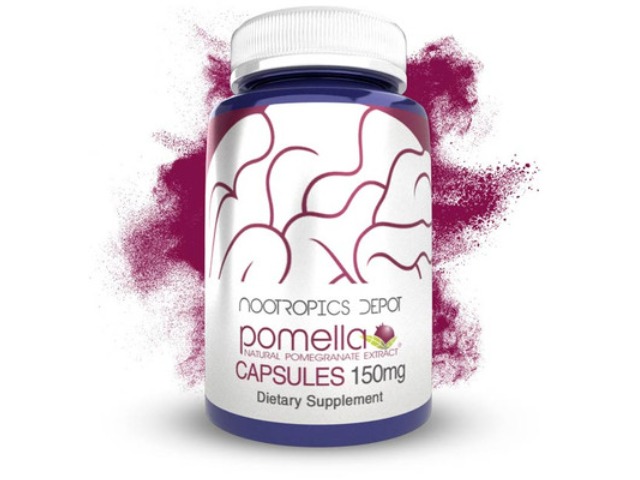
Buy Pomegranate Extract Capsules by Nootropics Depot
Shop Now →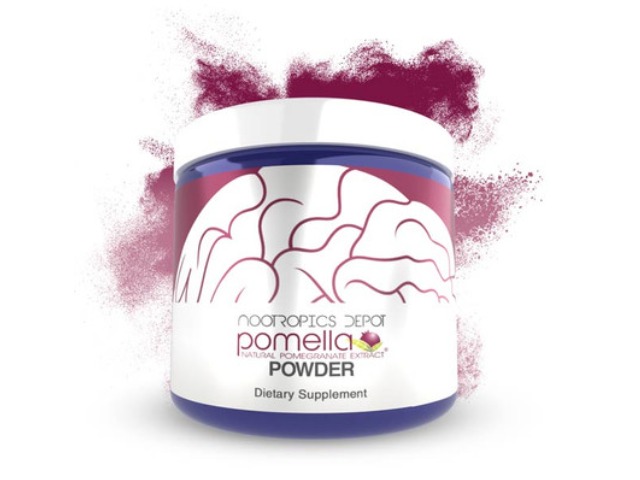
Buy Pomegranate Extract Powder by Nootropics Depot
Shop Now →Disclosure: These are affiliate links. I earn a small commission if you purchase — at no extra cost to you. I only recommend products I personally use or have thoroughly researched.
Research & Studies
This section includes 8 peer-reviewed studies referenced in our analysis.