
- Powerful antioxidant defense system
- Supports mitochondrial function and energy production
- Reduces neuroinflammation and oxidative stress
- May support cognitive function and mood
Three years ago, I was convinced I’d found the perfect nootropic stack. Alpha-GPC for acetylcholine, Rhodiola Rosea for stress, Lion’s Mane for NGF stimulation. On paper, it looked bulletproof.
In practice? I felt exactly the same. Maybe slightly more jittery from the extra caffeine I kept adding, hoping something would click.
The problem wasn’t the stack itself—it was that I’d built it on a foundation of chronic oxidative stress, mitochondrial dysfunction, and systemic inflammation. I was trying to optimize a system that was already running on fumes. That’s when I discovered reduced glutathione, the compound I wish I’d started with.
The Short Version: Reduced glutathione (GSH) is your brain’s primary antioxidant defense system—a tripeptide that neutralizes free radicals, protects mitochondrial function, and regulates inflammatory signaling. Standard doses range from 250-1000mg daily, though bioavailability matters more than dosage. Liposomal or acetylated forms are significantly more effective than standard oral glutathione. This isn’t a “feel it in an hour” compound—benefits accumulate over 8-12 weeks of consistent use.
What Is Reduced Glutathione? (The Master Antioxidant You’ve Never Heard Of)
Reduced glutathione is a tripeptide—a molecule made from three amino acids: glutamate, cysteine, and glycine. It exists in every cell of your body, with particularly high concentrations in the liver and brain. The “reduced” part refers to its active form, as opposed to oxidized glutathione (GSSG), which is the spent version after it’s done its job neutralizing free radicals.
Here’s what makes GSH unique: it’s not just another antioxidant you take to “support cellular health” (whatever that corporate wellness language actually means). It’s the central hub of your entire antioxidant network. Vitamin C, Vitamin E, and Alpha-Lipoic Acid all depend on glutathione to regenerate after they’ve neutralized oxidative threats. Without adequate GSH levels, those other antioxidants become one-and-done players.
Your body produces glutathione naturally, but production declines with age, chronic stress, poor diet, alcohol consumption, and environmental toxin exposure. By your 40s, you might be producing 30-40% less than you did in your 20s. That decline correlates strongly with age-related cognitive decline, neurodegenerative disease risk, and metabolic dysfunction.
The Holistic Nootropics approach means foundations first. If you’re dealing with gut inflammation, terrible sleep, and constant stress, glutathione supplementation alone won’t turn your brain into a performance machine. But if you’ve already addressed the basics—if you’re sleeping seven hours, eating real food, managing stress reasonably well—GSH can amplify those efforts by protecting the systems that keep your brain running optimally.
How Does Reduced Glutathione Work? (More Than Just “Antioxidant Support”)
The standard explanation you’ll see on supplement labels is that glutathione “neutralizes free radicals and supports cellular health.” Technically true. Completely unhelpful.
Here’s the actual mechanism: Glutathione works through three complementary pathways that together form your brain’s primary defense against oxidative damage.
First, direct free radical scavenging. GSH directly neutralizes reactive oxygen species (ROS) like superoxide anions, hydroxyl radicals, and hydrogen peroxide. This isn’t a one-for-one exchange—glutathione peroxidase enzymes use GSH as a cofactor to catalytically reduce hydroperoxides and lipid peroxides, meaning one molecule of glutathione can neutralize multiple oxidative threats before becoming oxidized itself.
Your brain is particularly vulnerable to oxidative damage because it consumes 20% of your body’s oxygen despite representing only 2% of body weight. That metabolic intensity generates constant oxidative byproducts. GSH acts as the cleanup crew, preventing those byproducts from damaging neuronal membranes, mitochondrial DNA, and synaptic proteins.
Second, mitochondrial protection and biogenesis support. This is where things get interesting for cognitive enhancement. Glutathione is heavily concentrated in mitochondria, where it maintains the redox environment necessary for optimal electron transport chain function. Mitochondrial dysfunction—when your cellular power plants can’t produce ATP efficiently—is increasingly recognized as a central driver of brain fog, fatigue, and age-related cognitive decline.
Research demonstrates that glutathione depletion leads to mitochondrial dysfunction, while GSH supplementation protects mitochondrial membranes and supports the cellular signaling pathways that regulate mitochondrial proliferation. Translation: glutathione helps your brain cells produce more energy more efficiently, and it protects the organelles responsible for that energy production from oxidative damage.
A 2012 study examining asiaticoside’s neuroprotective effects in a Parkinson’s model found that maintaining glutathione levels was critical for preserving mitochondrial function and preventing neuronal death. The researchers noted that glutathione depletion preceded mitochondrial dysfunction, suggesting that adequate GSH levels are a prerequisite for optimal cellular energy production.
Third, neuroinflammation modulation. Glutathione regulates immune cell activation and inflammatory signaling in the brain by maintaining optimal redox conditions that prevent excessive microglial activation—the brain’s resident immune cells. When glutathione levels drop, microglia become hyperreactive, producing inflammatory mediators like IL-1β, IL-6, and TNF-α that impair synaptic function and neuroplasticity.
GSH also supports the resolution phase of inflammation by facilitating clearance of inflammatory debris and damaged cellular components. This isn’t about suppressing inflammation entirely (which would be bad—you need acute inflammatory responses for healing). It’s about preventing chronic, low-grade neuroinflammation that slowly degrades cognitive function over time.
The clinical evidence: A 2025 meta-analysis in Psychopharmacology examining glutathione alterations in depression found that individuals with major depressive disorder showed significantly reduced brain glutathione levels compared to healthy controls. The researchers noted that glutathione’s role in regulating oxidative stress and mitochondrial function may represent a key mechanistic pathway in mood disorders.
In plain English: your brain needs glutathione to protect itself from the oxidative damage of normal metabolism, maintain mitochondrial energy production, and regulate inflammatory responses. When GSH levels decline, cognitive function declines with it. When you restore optimal levels, you’re not adding a stimulant or artificial boost—you’re removing the oxidative brake that’s been slowing your system down.
Benefits of Reduced Glutathione (What the Research Actually Shows)
Let’s be clear about the evidence quality here: glutathione’s role as a critical antioxidant and cellular regulator is extremely well-established. The question isn’t whether GSH matters for brain health—it obviously does. The question is whether oral supplementation meaningfully increases brain glutathione levels and produces noticeable cognitive benefits.
The bioavailability issue (which we’ll address in the dosing section) has historically made this tricky to study. But newer formulations and delivery methods are producing more consistent results.
| Benefit | Evidence Level | Key Research |
|---|---|---|
| Antioxidant defense | Strong (mechanistic + observational) | Multiple studies confirm GSH as primary cellular antioxidant |
| Mitochondrial support | Strong (mechanistic) | GSH concentrated in mitochondria, depletion impairs function |
| Neuroinflammation reduction | Moderate (animal + mechanistic) | GSH modulates microglial activation and inflammatory signaling |
| Cognitive function | Moderate (correlational + small trials) | Brain GSH levels correlate with cognitive performance; supplementation studies mixed |
| Mood support | Moderate (correlational) | 2025 meta-analysis links low brain GSH to depression |
| Neuroprotection | Strong (preclinical) | Extensive animal research; human trials limited |
Oxidative stress reduction: This is glutathione’s primary mechanism and the benefit with the strongest evidence base. Your brain produces oxidative byproducts constantly as part of normal metabolism. When those byproducts accumulate faster than your antioxidant systems can neutralize them, you get oxidative stress—damage to cellular membranes, proteins, and DNA that impairs function and accelerates aging.
GSH functions as both a direct antioxidant and as the central coordinator of your entire antioxidant network. A 2015 study in the Journal of Physical Activity & Health examining the effects of yogic practice found that participants showed significant increases in reduced glutathione levels alongside improvements in antioxidant enzyme activity and reductions in oxidative stress markers. The researchers noted that glutathione’s ratio to oxidized glutathione (GSH:GSSG) was a key indicator of cellular redox status.
Mitochondrial function and energy production: This is where I notice the most practical benefit. Brain fog and fatigue aren’t usually about “low energy” in the sense of needing more calories—they’re about inefficient energy production at the cellular level. When your mitochondria can’t produce ATP efficiently, everything feels harder. Focus requires more effort. Memory recall feels sluggish. You hit a cognitive wall by mid-afternoon.
Glutathione protects mitochondrial membranes from oxidative damage and maintains the redox environment necessary for optimal electron transport chain function. The 2012 Parkinson’s model study I mentioned earlier demonstrated that maintaining glutathione levels prevented mitochondrial membrane potential collapse and preserved ATP synthesis capacity.
In practical terms: consistent GSH supplementation, combined with other mitochondrial supporters like Coenzyme Q10, PQQ, and Creatine, can significantly improve baseline energy levels and cognitive endurance.
Neuroinflammation and immune modulation: Chronic neuroinflammation is increasingly recognized as a central driver of cognitive decline, depression, and neurodegenerative disease. Glutathione helps regulate microglial activation and inflammatory signaling by maintaining cellular redox balance.
A 2018 study examining spermidine’s neuroprotective effects found that increased glutathione levels correlated with reduced proinflammatory cytokines (IL-1β, TNF-α) and improved neurotransmitter function. The researchers concluded that maintaining adequate antioxidant capacity through glutathione was critical for modulating inflammatory responses.
Cognitive function and mood: This is where the evidence becomes more preliminary and indirect. We have strong correlational data showing that brain glutathione levels associate with cognitive performance and mood regulation. The 2025 meta-analysis found that individuals with depression showed significantly lower brain GSH levels, suggesting a mechanistic role in mood disorders.
But here’s the catch: most of that research measured brain glutathione levels directly (via MRS imaging), not the effects of oral supplementation. The supplementation studies that exist show mixed results, likely because bioavailability varies dramatically depending on formulation.
Reality Check: Glutathione isn’t going to give you superhuman focus or cure depression by itself. What it does is address a fundamental metabolic and antioxidant deficit that, when corrected, allows other systems to function more optimally. Think of it as removing oxidative drag from your system rather than adding rocket fuel.
How to Take Reduced Glutathione (Without Wasting Your Money)
Here’s the frustrating part: for years, experts claimed oral glutathione supplementation was pointless because stomach acid would break it down before it could be absorbed. That’s partially true for standard glutathione capsules, but newer formulations have largely solved this problem.
| Form | Bioavailability | Cost | Best For | Dosage |
|---|---|---|---|---|
| Standard oral GSH | Low-Moderate | $ | Budget-conscious experimentation | 500-1000mg |
| Liposomal GSH | High | $$$ | Serious users wanting reliable absorption | 250-500mg |
| S-Acetyl-Glutathione | High | $$ | Good middle-ground option | 300-600mg |
| Sublingual GSH | Moderate-High | $$ | Those who prefer sublingual delivery | 250-500mg |
| IV Glutathione | Very High | $$$$ | Clinical/therapeutic use only | Medical supervision |
Standard dosing protocol:
For general antioxidant support and cognitive maintenance, 250-500mg daily of a high-bioavailability form (liposomal or S-acetyl-glutathione) is a reasonable starting point. Take it on an empty stomach, 30 minutes before breakfast, to maximize absorption.
For more targeted cognitive enhancement or therapeutic applications, 500-1000mg daily split into two doses (morning and early afternoon). Some practitioners recommend going as high as 1000mg twice daily for specific conditions, but that should be done under medical guidance.
Timing and absorption considerations:
- Take on an empty stomach when possible—food can interfere with absorption
- If you experience stomach upset, try taking with a small amount of food
- Split larger doses (>500mg) into morning and afternoon to maintain more consistent blood levels
- Avoid taking late in the day—some individuals report it can interfere with sleep
Forms that actually work:
Liposomal glutathione wraps GSH molecules in phospholipid bubbles that protect them from stomach acid and enhance cellular uptake. This is the gold standard for bioavailability, but it’s also the most expensive. Expect to pay 2-3x more than standard glutathione.
S-Acetyl-Glutathione (SAG) attaches an acetyl group to the sulfur atom of glutathione’s cysteine residue, making it more stable and lipophilic (fat-soluble). This allows it to cross cell membranes more easily. Once inside cells, enzymes cleave off the acetyl group, releasing active glutathione. This is my preferred middle-ground option—significantly better bioavailability than standard GSH without the cost premium of liposomal forms.
Sublingual glutathione bypasses first-pass metabolism by absorbing directly through mucous membranes. Effectiveness varies by product formulation and individual absorption capacity.
Standard oral glutathione capsules: Historically considered poorly bioavailable, but some recent research suggests that consistent high-dose supplementation (500-1000mg) can increase plasma and tissue levels despite incomplete absorption. If you’re on a budget, this is worth trying, but expect to need higher doses.
Pro Tip: If you want to maximize endogenous glutathione production (your body making its own), combine supplementation with N-Acetylcysteine (NAC, 600-1200mg daily) and Glycine (3-5g daily). NAC provides the cysteine building block (the rate-limiting precursor), while glycine is the other amino acid component. This combination often works better than glutathione supplementation alone.
Cycling: No evidence suggests glutathione needs to be cycled. Your body regulates its own production via feedback mechanisms, and supplementation appears to complement rather than suppress endogenous synthesis. I take it consistently without planned breaks.
Starting protocol:
- Week 1-2: Start with 250mg of S-acetyl or liposomal glutathione, morning on empty stomach
- Week 3-4: If well-tolerated, increase to 500mg daily
- Week 5-8: Assess subjective effects—energy, mental clarity, recovery from stress or exercise
- Week 8+: Adjust dose based on response; some individuals do better with 250mg daily, others need 500-1000mg
Most people don’t notice acute effects. The benefits are cumulative—think 8-12 weeks of consistent use before making a final assessment.
Side Effects & Safety (What Could Go Wrong)
Glutathione has an excellent safety profile. It’s a naturally occurring compound your body produces constantly. Supplementation at reasonable doses (250-1000mg daily) is generally well-tolerated even with long-term use.
Common side effects (typically mild):
- Digestive upset, nausea, or bloating (usually from high doses or standard oral forms)
- Loose stools (particularly at doses >1000mg)
- Potential for stomach cramping if taken on an empty stomach
These effects usually resolve by taking glutathione with food, splitting doses, or switching to a more bioavailable form like liposomal or S-acetyl-glutathione.
Rare side effects:
- Allergic reactions (rash, difficulty breathing)—discontinue immediately if these occur
- Some individuals report feeling more anxious or “wired” on higher doses, though this is uncommon
Who should avoid glutathione:
- Individuals with cysteine metabolism disorders
- Those allergic to sulfur-containing compounds
- Asthmatics should use caution—inhaled glutathione has been associated with bronchospasm in some cases (oral supplementation appears safe)
Drug interactions:
| Medication/Substance | Interaction Type | Risk Level | Notes |
|---|---|---|---|
| Chemotherapy drugs | Antioxidant interference | Moderate-High | GSH may reduce effectiveness of certain chemo drugs; consult oncologist |
| Acetaminophen (Tylenol) | Therapeutic synergy | Low (beneficial) | NAC/GSH helps protect liver from acetaminophen toxicity |
| Alcohol | Protective effect | Low (beneficial) | GSH may reduce alcohol-induced oxidative damage |
| Immunosuppressants | Potential immune activation | Moderate | Consult physician if taking drugs to suppress immune function |
| Nitroglycerin | Tolerance reduction | Low-Moderate | GSH may reduce nitrate tolerance in cardiovascular patients |
Pregnancy and nursing: Insufficient data exists on glutathione supplementation during pregnancy. Your body naturally produces GSH, and levels tend to be well-regulated, but high-dose supplementation hasn’t been adequately studied in pregnant or nursing women. Consult a healthcare provider before using.
Important for cancer patients: Some research suggests that high antioxidant levels might theoretically interfere with certain chemotherapy or radiation treatments that rely on oxidative stress to kill cancer cells. This is controversial and context-dependent, but if you’re undergoing cancer treatment, discuss glutathione supplementation with your oncologist before starting.
Important: Glutathione is generally safe, but if you’re dealing with serious health conditions, taking multiple medications, or considering high-dose therapeutic use (>1000mg daily), work with a qualified healthcare practitioner. This is especially critical for anyone with compromised immune function or undergoing cancer treatment.
Stacking Reduced Glutathione (The Combinations That Actually Work)
Glutathione works best as a foundational antioxidant support compound that enhances the effectiveness of other nootropics by reducing oxidative stress and supporting mitochondrial function. Here are goal-specific combinations I’ve found effective:
For Mitochondrial Support & Energy (The Anti-Brain-Fog Stack)
500mg S-Acetyl-Glutathione + 200mg Coenzyme Q10 + 20mg PQQ + 5g Creatine Monohydrate
Take the GSH, CoQ10, and PQQ together in the morning with a meal containing fat (for CoQ10 absorption). Creatine can be taken any time of day with or without food.
This combination addresses mitochondrial function from multiple angles: GSH protects mitochondrial membranes and maintains redox balance, CoQ10 supports electron transport chain function, PQQ stimulates mitochondrial biogenesis, and creatine provides a phosphate buffer for rapid ATP regeneration.
Expect 8-12 weeks for full effects. This isn’t a stimulant stack—you won’t feel wired or jittery. What you should notice is sustained cognitive energy throughout the day, fewer afternoon crashes, and better recovery from mentally demanding work.
For Neuroprotection & Longevity (The Long-Game Stack)
500mg Liposomal Glutathione + 500mg NAC + 500mg R-Lipoic Acid + 500mg Resveratrol
Morning dose: Glutathione + NAC on empty stomach With breakfast: R-ALA + Resveratrol with fat source
This is the stack I use as foundational neuroprotection. GSH and NAC work synergistically—NAC provides the cysteine precursor for endogenous glutathione production while direct GSH supplementation ensures adequate immediate availability. R-ALA regenerates both glutathione and vitamin C/E after they’ve neutralized oxidative threats, extending their effectiveness. Resveratrol activates longevity pathways (SIRT1) and provides additional antioxidant support.
This is a “set it and forget it” stack for anyone over 35 concerned about age-related cognitive decline. The benefits are subtle and long-term rather than immediately noticeable.
For Focus & Cognitive Enhancement (The Performance Stack)
300mg S-Acetyl-Glutathione + 300mg Alpha-GPC + 200mg L-Theanine + 100mg Caffeine + 500mg Lion’s Mane
Morning protocol: GSH on empty stomach, wait 30 minutes With breakfast: Alpha-GPC + Lion’s Mane Mid-morning: L-Theanine + Caffeine (from coffee or capsules)
Glutathione provides the oxidative protection and mitochondrial support that allows stimulants and cholinergics to work more efficiently without increasing oxidative burden. Alpha-GPC boosts acetylcholine for focus and memory, L-Theanine smooths out caffeine’s edge, and Lion’s Mane supports long-term neuroplasticity through NGF stimulation.
This is my go-to stack for deep work sessions or high-stakes presentations. The GSH component is subtle but important—it’s the foundation that prevents the jittery, anxious overstimulation that often comes from pushing cognitive enhancers too hard.
For Mood & Stress Resilience (The Stability Stack)
500mg Liposomal Glutathione + 500mg Rhodiola Rosea (3% rosavins) + 400mg Magnesium Threonate + 1000mg Omega-3 (high DHA)
Morning: GSH + Rhodiola on empty stomach Evening: Magnesium Threonate before bed Throughout day: Omega-3 with meals
The research connecting low brain glutathione to depression is compelling. This stack addresses mood from multiple angles: GSH reduces oxidative stress and supports mitochondrial function (both implicated in depression), Rhodiola modulates stress response and supports dopamine/serotonin, Magnesium Threonate improves neuroplasticity and GABAergic function, and Omega-3s reduce neuroinflammation.
Expect 6-10 weeks for noticeable mood improvements. This isn’t a replacement for therapy or, when appropriate, pharmaceutical intervention—it’s supportive optimization for individuals with stress-related mood issues.
Synergy table for quick reference:
| Substance Pairing | Mechanism | Best For |
|---|---|---|
| GSH + NAC | Precursor + direct supplementation | Maximizing glutathione levels |
| GSH + CoQ10 | Antioxidant network + mitochondrial | Energy production |
| GSH + R-ALA | Antioxidant regeneration | Longevity/neuroprotection |
| GSH + Vitamin C | Antioxidant network synergy | Immune support |
| GSH + Curcumin | Anti-inflammatory + antioxidant | Neuroinflammation |
What NOT to combine:
- Avoid extremely high-dose antioxidant stacks (GSH + high-dose Vitamin C + Vitamin E + ALA all at maximum doses simultaneously)—there’s theoretical concern about blunting beneficial hormetic stress responses from exercise
- If you’re using pro-oxidant therapies for specific health conditions, timing matters—discuss with your practitioner
My Take (Is Glutathione Worth Your Money?)
Here’s my honest assessment: glutathione won’t blow your mind the way your first dose of Modafinil might, or give you the immediate calm-focus you get from L-Theanine and caffeine. It’s not that kind of compound.
What it does is address a fundamental deficit that gets worse with age, stress, poor diet, and environmental toxin exposure. If you’re under 25, sleeping well, eating clean, exercising regularly, and not dealing with chronic stress or health issues, you probably don’t need to prioritize glutathione supplementation. Your body is producing plenty on its own.
But if you’re over 30, dealing with brain fog or fatigue that doesn’t resolve with sleep, recovering from chronic stress or illness, or stacking multiple nootropics and stimulants without feeling like they’re working as well as they should—GSH is worth serious consideration.
I notice it most in the absence of problems: fewer afternoon energy crashes, better recovery from high-stress periods, less of that “my brain feels swollen and slow” sensation after a night of poor sleep or a week of demanding work. It’s the kind of benefit you don’t fully appreciate until you stop taking it and realize how much harder everything feels.
Who should try glutathione:
- Anyone over 35 concerned about age-related cognitive decline
- Individuals dealing with chronic fatigue or brain fog despite addressing sleep and stress
- People stacking multiple cognitive enhancers who want to reduce oxidative burden
- Those recovering from illness, burnout, or periods of high stress
- Anyone with family history of neurodegenerative disease looking for science-backed prevention
Who should probably try something else first:
- If you’re dealing with acute focus issues and need immediate results, try Alpha-GPC + Caffeine + L-Theanine
- If your primary issue is motivation and drive, Rhodiola Rosea or Cordyceps might be more appropriate
- If you’re experiencing significant mood issues, consider NAC combined with Magnesium Threonate and professional support
Formulation matters more than dosage. I’ve tried standard glutathione capsules at 1000mg daily and noticed virtually nothing. Switching to 300mg of S-Acetyl-Glutathione produced clearly noticeable benefits within 3-4 weeks. Don’t waste money on cheap forms—invest in liposomal or S-acetyl versions if you’re going to try this.
My current protocol: 500mg S-Acetyl-Glutathione every morning on an empty stomach, combined with 600mg NAC, 200mg R-ALA, and my standard mitochondrial support stack (CoQ10, PQQ, Creatine). It’s foundational rather than flashy, which is exactly what I want from a longevity-focused compound.
If I had to choose between glutathione and any other single antioxidant compound for cognitive health, I’d choose glutathione. Not because it’s magic, but because it’s the master regulator that makes everything else work better.
Recommended Reduced Glutathione Products
I know how frustrating it is to sort through dozens of brands making the same claims. These are the ones I've personally vetted — because quality is the difference between results and wasted money.
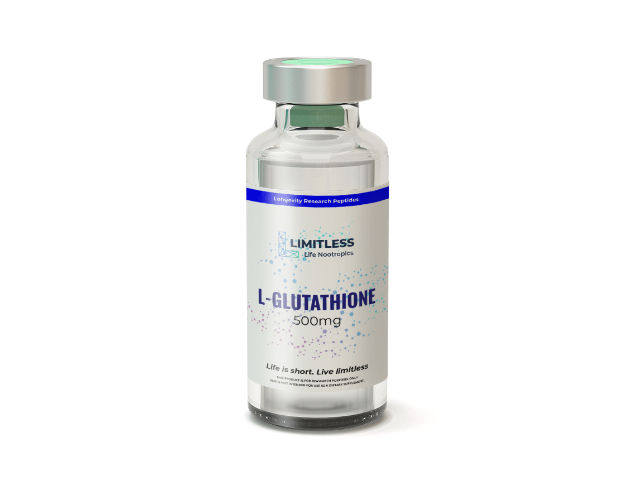
L-Glutathione 600mg by Limitless Life Nootropics
Shop Now →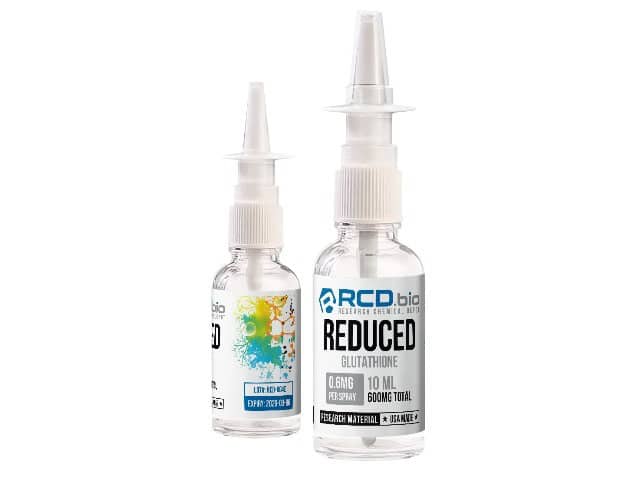
Reduced Glutathione Nasal Spray by Research Chemical Depot
Shop Now →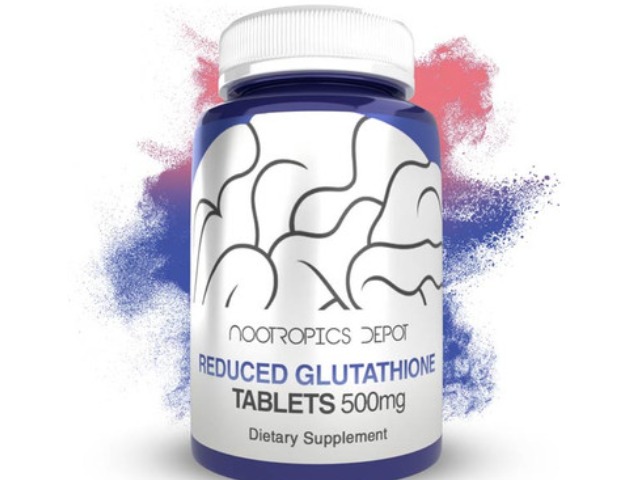
Reduced Glutathione Tablets | 500mg by Nootropics Depot
Shop Now →Disclosure: These are affiliate links. I earn a small commission if you purchase — at no extra cost to you. I only recommend products I personally use or have thoroughly researched.
Research & Studies
This section includes 9 peer-reviewed studies referenced in our analysis.