I spent two years chasing focus with every stimulant stack I could find — caffeine layered on racetams layered on modafinil — and wondering why I kept crashing harder each time. The jittery focus would dissolve into brain fog, irritability, and this dull pressure behind my eyes that no amount of sleep seemed to fix. It wasn’t until I started digging into glutamate signaling that the picture clicked: I wasn’t running out of fuel. I was frying my own circuits.
If you’ve ever felt wired but mentally useless, or pushed through stress and stimulants only to end up foggier than where you started, there’s a good chance glutamate excitotoxicity is part of your story too.
The Short Version: Glutamate is your brain’s most important excitatory neurotransmitter — it powers learning, memory, and basically every cognitive process. But when levels spike too high or clearance systems fail, glutamate turns toxic, flooding neurons with calcium and triggering cell death cascades. The good news: targeted supplements like magnesium L-threonate, NAC, and L-theanine, combined with foundational lifestyle changes, can meaningfully protect your brain.
Glutamate: Your Brain’s Gas Pedal (And Why It Sometimes Floors Itself)

Glutamate is the principal excitatory neurotransmitter in your central nervous system. That’s not a minor detail — it’s involved in virtually every brain function you care about. Learning, memory formation, emotional processing, synaptic plasticity — glutamate drives all of it.
Think of it as the gas pedal. Every time you form a new memory, maintain focus, or process a new idea, glutamate is firing at the synapses making it happen. The vast majority of your brain’s neurons and synapses participate in the glutamate system, and it mediates both cognition and emotion — two functions that are deeply intertwined (Nature Reviews Neuroscience, 2008).
Here’s the problem. A gas pedal without brakes is a death machine.
Under normal conditions, the system is beautifully regulated. Neurons release glutamate into the synapse, it binds to receptors on the receiving neuron, delivers its message, and then gets quickly swept up by specialized transporter proteins on nearby astrocytes — the brain’s support cells. Those astrocytes convert glutamate into glutamine via an enzyme called glutamine synthetase (GS), recycling it safely. Clean, efficient, elegant.
But when that clearance system breaks down — or when glutamate release overwhelms it — things go sideways fast.
Reality Check: Glutamate isn’t the enemy. It’s literally essential for thinking. The issue is always about balance — too little and your brain can’t function, too much and it starts destroying itself. The goal isn’t eliminating glutamate activity; it’s keeping the system in its optimal range.
What Excitotoxicity Actually Does to Your Neurons (The Ugly Details)
Excitotoxicity is what happens when glutamate overstimulates its receptors to the point of killing neurons. It’s not a gentle process.
Here’s the cascade, simplified. Excess glutamate floods the synapse and hammers three types of ionotropic receptors: NMDA receptors, AMPA receptors, and kainate receptors. NMDA receptors are the biggest players here because when they’re overactivated, they open wide and allow massive amounts of calcium (Ca²⁺) to rush into the neuron.
That calcium surge is the trigger for everything that follows:
- Mitochondrial dysfunction — Your neurons’ power plants get overwhelmed by calcium, ATP production collapses, and energy-dependent processes shut down
- Free radical explosion — Reactive oxygen species (ROS) skyrocket as mitochondria malfunction, damaging proteins, lipids, and DNA
- Enzyme activation — Calcium activates destructive enzymes (calpains, endonucleases) that literally digest cellular structures from the inside
- Inflammatory cascades — Damaged neurons release danger signals (DAMPs) that activate microglia and astrocytes, which release inflammatory cytokines that further boost glutamate release
It’s a vicious cycle. More glutamate → more calcium → more damage → more glutamate.
A 2025 review in Frontiers in Bioscience-Landmark mapped this cycle in traumatic brain injury models and found that extracellular glutamate surges approximately 10-fold post-injury — reaching around 10 µmol/L — while the critical EAAT2 transporter proteins that clear glutamate downregulate within 24 hours. At the same time, ATP depletion impairs glutamine synthetase, meaning the brain loses its ability to recycle the excess. The result is a self-amplifying loop of destruction.
Important: You don’t need a traumatic brain injury for this to matter. Chronic stress, poor sleep, excessive stimulant use, and neuroinflammation can all create milder versions of this same cycle — enough to cause brain fog, anxiety, and accelerated cognitive decline without any acute event.
The Conditions Linked to Excitotoxicity
Glutamate excitotoxicity isn’t just a theoretical concern. It shows up as a contributing mechanism across a disturbingly wide range of conditions:
| Condition | Glutamate Connection |
|---|---|
| Alzheimer’s Disease | Amyloid-beta plaques directly increase glutamate release and impair clearance |
| Parkinson’s Disease | Dopaminergic neuron loss disrupts glutamate regulation in the basal ganglia |
| Traumatic Brain Injury | Acute glutamate surges (10x normal) trigger widespread neuronal death |
| Stroke (Ischemia) | Energy failure prevents glutamate reuptake, causing excitotoxic damage in penumbra |
| Epilepsy | Seizures both cause and result from glutamate overactivation |
| Migraines | Cortical spreading depression involves glutamate waves |
| Chronic Anxiety | Sustained HPA axis activation increases glutamate signaling |
| Depression | Glutamate-GABA imbalance in prefrontal cortex correlates with severity |
The 2023 meta-analysis in JAMA Neurology examining memantine — an NMDA receptor antagonist — in 2,317 Alzheimer’s patients across 5 RCTs found that glutamate modulation at 20 mg/day produced a standardized mean difference of -0.24 (95% CI: -0.40 to -0.08, p=0.004) in slowing cognitive decline. That’s not a cure, but it’s meaningful evidence that taming glutamate overactivity makes a real clinical difference.
Why Your Brain’s Glutamate Brakes Fail (And Who’s Most at Risk)
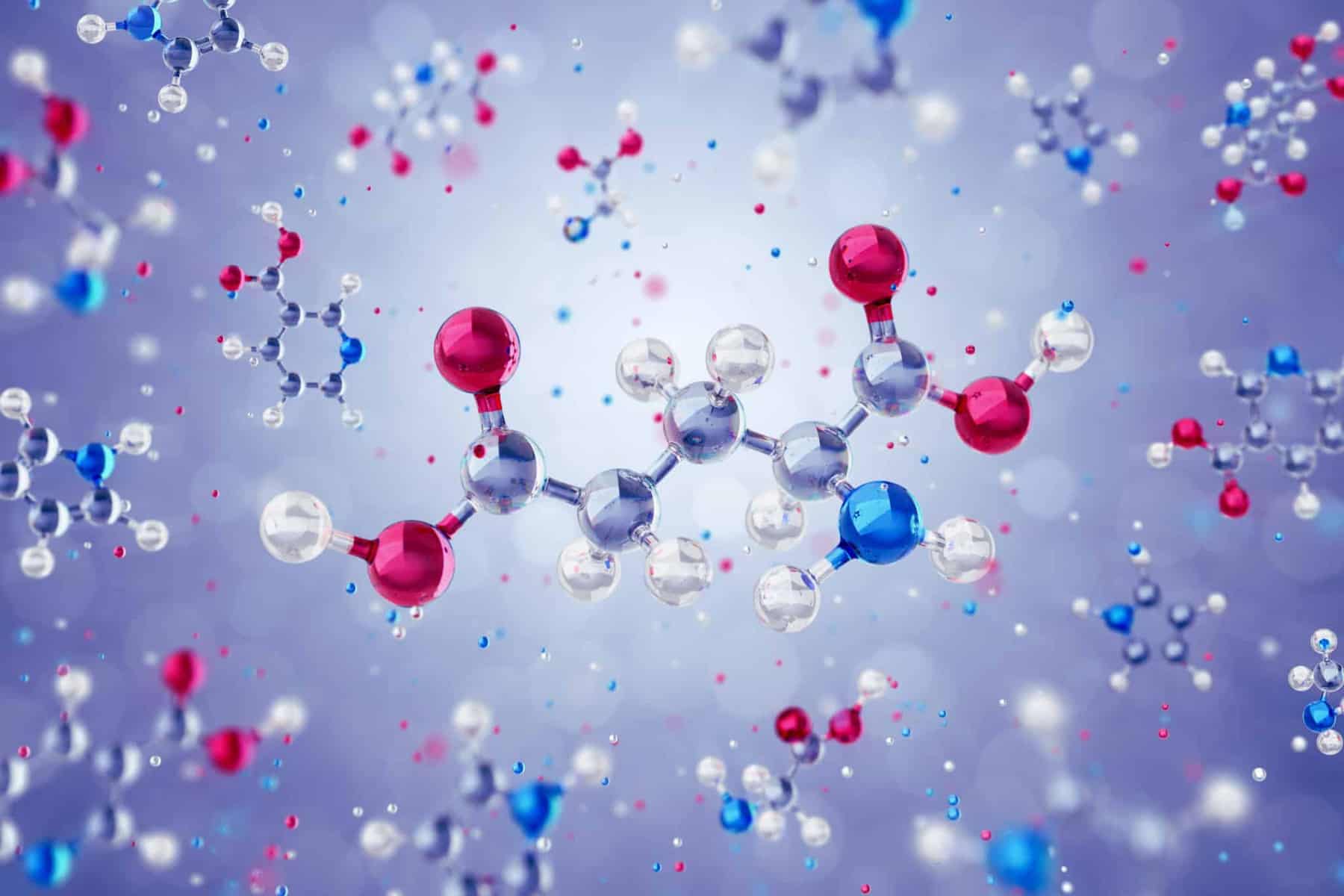
Understanding why excitotoxicity happens is more useful than just knowing that it happens. The clearance system fails for specific, identifiable reasons.
Astrocyte Dysfunction
Astrocytes do the heavy lifting of glutamate cleanup through EAAT2 transporters (also called GLT-1). When astrocytes are inflamed, metabolically stressed, or damaged, transporter expression drops and glutamate accumulates. This is exactly what the 2025 TBI research showed — EAAT2 downregulation within 24 hours of injury.
But it’s not just acute trauma. Chronic neuroinflammation from poor sleep, gut dysbiosis, or metabolic syndrome can quietly impair astrocyte function over months and years. This is why I always emphasize the foundations — gut health, sleep quality, and stress management — before reaching for any nootropic.
Energy Failure
Glutamate clearance is an energy-dependent process. Every molecule of glutamate that astrocytes reabsorb requires ATP. When cellular energy production falters — whether from mitochondrial dysfunction, blood sugar crashes, or chronic metabolic stress — the clearance machinery slows down.
This is one reason hypoglycemia can feel so neurologically awful. It’s not just “low blood sugar makes you tired.” Your brain literally loses its ability to regulate its most powerful neurotransmitter.
The Stimulant Trap
Here’s where this gets personal for nootropics users. Many popular stimulants increase glutamate signaling:
- Caffeine blocks adenosine receptors, which indirectly increases glutamate release
- Racetams enhance AMPA receptor activity (that’s literally their mechanism)
- Modafinil increases glutamate in several brain regions
In moderation, with adequate recovery, this is fine — even beneficial. But stacking stimulants, chronic sleep debt, and relentless cognitive demands? That’s a recipe for pushing the glutamate system past its clearance capacity.
Insider Tip: If you use caffeine daily, pairing it with L-theanine at a 1:2 ratio (e.g., 100mg caffeine to 200mg L-theanine) is one of the simplest things you can do for glutamate balance. L-theanine directly modulates glutamate release and enhances GABA — it’s basically a braking system for caffeine’s excitatory push.
Myths That Keep People Confused (Let’s Clear These Up)
There’s a lot of bad information floating around about glutamate, and some of it actively prevents people from taking useful action.
Myth #1: “All glutamate is bad.” No. Without glutamate, you couldn’t form a single memory or sustain a moment of attention. It’s the most essential neurotransmitter for cognition. Toxicity comes from excess or failed clearance — not from glutamate’s existence.
Myth #2: “MSG causes excitotoxicity.” This one refuses to die. Dietary glutamate — whether from MSG, parmesan cheese, or tomatoes — doesn’t meaningfully cross the blood-brain barrier. Your brain makes its own glutamate endogenously. The excitotoxicity problem is about internal surges from injury, inflammation, or impaired clearance, not about what you ate for dinner.
Myth #3: “Caffeine always worsens excitotoxicity.” Acute caffeine does increase glutamate release, but tolerance develops. The real risk is chronic sleep deprivation plus escalating doses plus additional stimulants — not your morning cup of coffee. Context matters enormously.
Myth #4: “Excitotoxicity only matters if you have a neurological disease.” This might be the most dangerous misconception. Chronic stress, sleep deprivation, and sustained high cognitive demand can create subclinical excitotoxic conditions — enough to cause persistent brain fog, anxiety, and accelerated aging without ever showing up on a standard diagnostic test.
Evidence-Based Supplements for Glutamate Balance (What Actually Works)
Now for the part you probably came here for. Let me be clear: supplements sit on top of lifestyle foundations, not instead of them. But the right compounds, at the right doses, backed by real evidence, can meaningfully support glutamate homeostasis.
| Supplement | Mechanism | Dosage | Key Evidence |
|---|---|---|---|
| Magnesium L-Threonate | Voltage-dependent NMDA receptor blockade | 1–2 g/day | 2023 RCT (n=109): SMD -0.28 for cognition, p=0.01 |
| NAC | Boosts glutathione to neutralize ROS; modulates glutamate via cystine-glutamate exchanger | 600–1,800 mg/day | 2024 meta-analysis (n=932): ES 0.45 for mood, p<0.001 |
| L-Theanine | Reduces glutamate release; enhances GABA synthesis | 200 mg/day | 2023 trial (n=34): 25% anxiety reduction, p=0.03 |
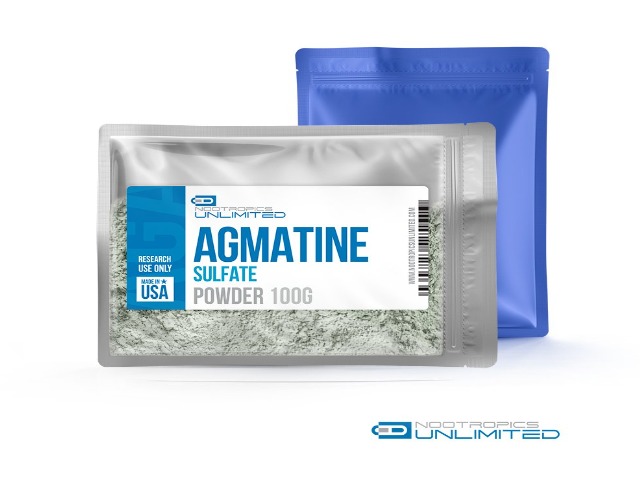
| Agmatine Sulfate | Modulates NMDA receptors and nitric oxide synthase | 1–3 g/day | 2024 stroke RCT (n=120): 28% infarct reduction, p=0.02 |
| Lion’s Mane | Promotes NGF; supports glutamate balance via neuronal health | 1 g/day | 2024 RCT (n=41): cognition ES 0.52, p=0.02 |
| Memantine (Rx) | Low-affinity NMDA antagonist | 5–20 mg/day | 2023 meta (n=2,317): SMD -0.24 for AD decline, p=0.004 |
My Top Three for Most People
1. Magnesium L-Threonate — This is the foundation. Magnesium sits in the NMDA receptor channel in a voltage-dependent manner, preventing excessive calcium influx without blocking normal signaling. The threonate form specifically crosses the blood-brain barrier more effectively than other magnesium forms. A 2023 RCT in the Journal of Alzheimer’s Disease with 109 participants showed significant cognitive improvement (SMD -0.28, p=0.01). I consider this non-negotiable for anyone concerned about excitotoxicity.
2. NAC (N-Acetyl Cysteine) — NAC works double duty. It’s a precursor to glutathione, your brain’s primary antioxidant defense against the ROS generated during excitotoxic cascades. But it also modulates glutamate directly through the cystine-glutamate exchanger. A 2024 meta-analysis in the Journal of Clinical Psychiatry pooling 932 participants found a significant effect size of 0.45 for mood outcomes (p<0.001). At 600–1,800 mg daily, it’s one of the most cost-effective neuroprotective supplements available.
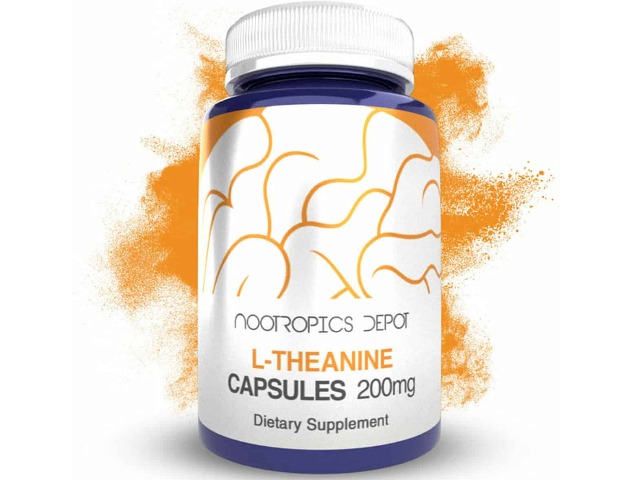
3. L-Theanine — Especially if you use caffeine. A 2023 trial in Nutrients with 34 participants demonstrated a 25% reduction in stress-related symptoms (p=0.03). The mechanism is clean: L-theanine reduces excessive glutamate release while simultaneously boosting GABA and alpha brain waves. It’s the simplest way to add a braking system to your daily stimulant use.
Pro Tip: Agmatine sulfate is underrated for glutamate modulation. Beyond its NMDA-modulating effects, the 2024 Stroke RCT showed 28% infarct volume reduction (n=120, p=0.02) in ischemic stroke patients — suggesting serious neuroprotective potential. At 1–3 g daily, it stacks well with magnesium for comprehensive receptor-level protection.
Supporting Cast
Don’t overlook broader neuroprotective compounds that support the system:
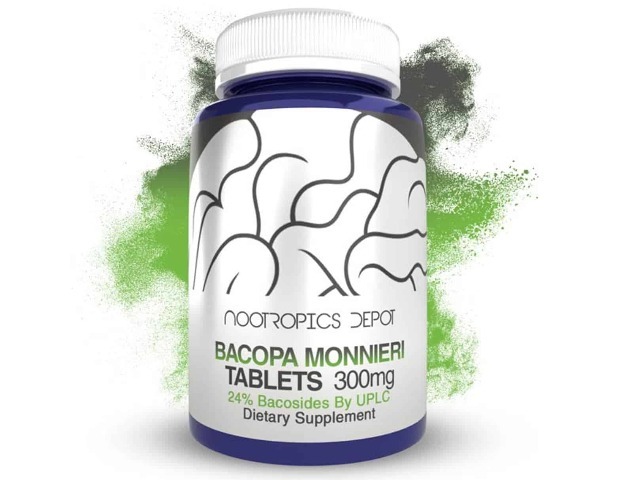
- Bacopa Monnieri — Antioxidant and anti-inflammatory properties that support the cellular environment around glutamate signaling
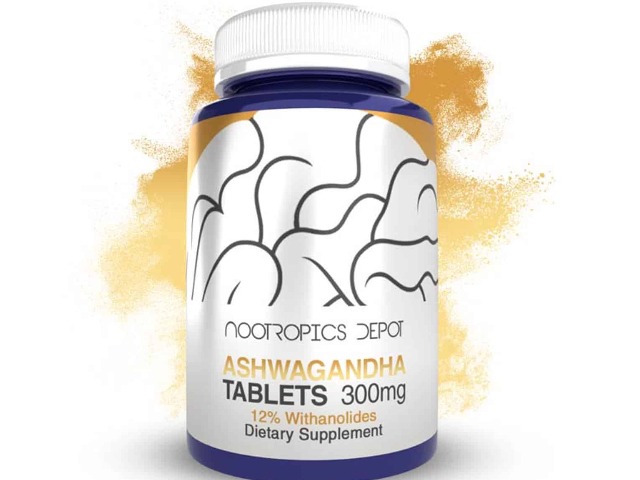
- Ashwagandha — Modulates the HPA axis and cortisol response, indirectly reducing stress-driven glutamate surges
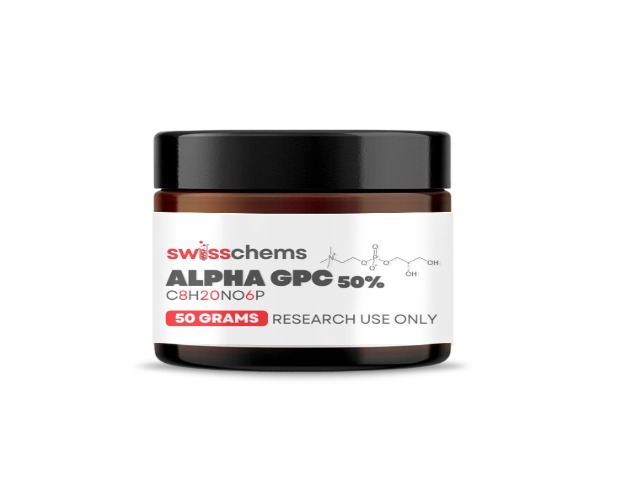
- Alpha-GPC — Supports cholinergic function, which has a reciprocal relationship with glutamate signaling and can improve the excitatory/inhibitory balance
The Lifestyle Protocol (This Matters More Than Supplements)
I know it’s less exciting than a new stack, but these lifestyle factors directly affect glutamate clearance and balance. Skip them, and no supplement will save you.
Sleep (Non-Negotiable)
During deep sleep, your glymphatic system clears metabolic waste — including excess glutamate — from the brain. Sleep deprivation impairs EAAT2 transporter function and reduces glutamine synthetase activity. Aim for 7–9 hours, and prioritize sleep quality over quantity.
For sleep support, check out my full guide on the best nootropics for sleep.
Stress Management
Chronic stress drives the HPA axis to keep cortisol elevated, which increases glutamate release in the hippocampus and prefrontal cortex — the exact regions you need for memory and executive function. Breathing exercises that activate the vagus nerve can shift the balance toward parasympathetic (calming) nervous system activity.
The Ketogenic Angle
A 2024 review in Frontiers in Neuroscience analyzed how ketone bodies shift brain metabolism away from glutamate-dependent pathways, with a proxy measure of approximately 30% seizure reduction in epilepsy models. The mechanism: ketones provide an alternative fuel source, reducing the metabolic pressure that drives glutamate overproduction. You don’t need to go full keto — even intermittent fasting or periodic carb restriction can provide some benefit.
If intermittent fasting interests you, I’ve written about nootropics for efficient fasting.
Exercise
Regular moderate exercise upregulates BDNF and supports mitochondrial function — both of which strengthen your brain’s resilience against excitotoxic stress. My article on exercise and brain health covers the specifics. For BDNF-boosting strategies, see my guide to naturally increasing BDNF.
Reality Check: There’s an ongoing clinical trial (NCT05995996) recruiting 200 participants to test glutamate modulators in TBI, with results expected in 2027. The human evidence for most excitotoxicity interventions is still developing. We’re working with the best available data, but humility about what we don’t yet know is important.
Safety and Interactions (Don’t Skip This Section)
Glutamate-modulating compounds are generally well-tolerated, but there are real interactions and contraindications to be aware of.
Who should be cautious:
- Kidney disease — Impaired glutamate clearance means even normal supplement doses could shift the balance
- Epilepsy — NMDA receptor modulators can potentially alter seizure thresholds; work with a neurologist
- Pregnancy — Insufficient safety data for most glutamate-modulating compounds
- Bipolar disorder — Glutamate stabilizers can interact unpredictably with mood-stabilizing medications
Key interactions:
- Memantine + ketamine — Both target NMDA receptors; combining them increases risk of dissociative effects and psychosis
- NAC + nitroglycerin — Can cause dangerous hypotension
- High-dose magnesium + muscle relaxants — Additive sedation and potential respiratory depression
Important: If you’re on any prescription medications — especially psychiatric medications, anticonvulsants, or blood pressure meds — talk to your prescriber before adding glutamate-modulating supplements. The interactions are real, not theoretical.
My Take
Glutamate excitotoxicity is one of those topics that sounds like it only matters to neuroscientists — until you realize it’s probably contributing to your brain fog, your afternoon crashes, and your diminishing returns from that stimulant stack you’ve been escalating.
I spent years learning this the hard way. The more I pushed the excitatory side of the equation — more caffeine, stronger nootropics, less sleep — the worse my baseline got. It wasn’t until I flipped the approach and focused on protecting the system rather than driving it harder that things actually improved.
Here’s my honest assessment of where the evidence stands: we have strong mechanistic understanding, solid preclinical data, and a growing body of human trials. The 2023 memantine meta-analysis with 2,317 patients is the most robust human evidence we have for glutamate modulation making a clinical difference. For supplements like magnesium, NAC, and L-theanine, the evidence is encouraging but based on smaller trials.
What I’d recommend for most people reading this:
- Start with sleep and stress management. These directly restore your brain’s glutamate clearance capacity. No supplement substitutes for 8 hours of quality sleep.
- Add magnesium L-threonate at 1–2 g daily as your neuroprotective foundation.
- Stack NAC at 600 mg daily for antioxidant and glutamate-modulating support.
- If you use caffeine, pair it with L-theanine at 200 mg. This is the easiest win in nootropics.
- If you’re dealing with anxiety or brain fog, consider adding agmatine sulfate at 1–2 g daily for more targeted NMDA modulation.
The bigger takeaway is a mindset shift. Your brain is not a machine you can run harder indefinitely. It’s a biological system with clearance capacities, energy requirements, and breaking points. The smartest nootropics strategy isn’t about finding the strongest accelerator — it’s about making sure your brakes work as well as your gas pedal.