
Over the years I’ve worked with a wide range of clients seeking cognitive enhancement — executives wanting sharper decision-making, students optimizing for exam performance, athletes fine-tuning reaction time. But some of the most interesting conversations I’ve had are with creatives: novelists fighting writer’s block, musicians trying to access deeper improvisation, entrepreneurs searching for the breakthrough ideas that distinguish their work from everyone else’s.
The ability to think divergently, make novel connections, and enter flow states of inventive productivity is not some mystical gift. It depends on specific, measurable neurochemical conditions. And those conditions can be systematically supported through targeted supplementation combined with lifestyle optimization.
In this guide, I’ll walk through my research-backed approach to designing nootropic stacks specifically tailored for creative cognition — the kind of fluid, imaginative thinking that produces genuinely original work.
Key Takeaways: Creative cognition depends on cognitive flexibility, divergent thinking, working memory, and the ability to enter flow states. A well-designed creative stack starts with a cholinergic foundation (Citicoline or Alpha-GPC), layers in creativity enhancers like Bacopa Monnieri and Rhodiola Rosea, supports cellular energy production, modulates stress response with Ashwagandha and Magnesium L-Threonate, and ensures adequate neurotransmitter precursors like L-Tyrosine. The best results come from combining targeted supplementation with creative lifestyle practices.
Why Optimize Neurochemistry for Creative Thinking?
In my practice, I use diet, lifestyle optimization, and strategic supplementation to help clients reach their fullest cognitive potential. For creatives specifically, the formula targets several overlapping capacities:
- Cognitive flexibility — the ability to fluidly shift perspectives and make novel connections between unrelated concepts
- Divergent thinking — generating multiple possible solutions through exploratory, non-linear ideation
- Working memory — holding and manipulating ideas in mind simultaneously, essential for developing complex creative concepts
- Motivation and flow states — the sustained drive and immersive concentration needed to execute creative visions
- Stress modulation — lowering anxiety and cortisol while maintaining the arousal necessary for creative engagement
Research demonstrates that specific nootropic compounds positively influence each of these capacities. For example, Bacopa Monnieri has been shown to increase divergent thinking scores by over 30% in healthy adults. Rhodiola Rosea at 500mg daily significantly improves working memory and attention. These are not marginal effects — they represent meaningful shifts in creative cognitive capacity.
My Five-Step System for Crafting Creative Stacks
While individual ingredients can move the needle, an orchestrated regimen of synergistic nootropics, adaptogens, and nutritional support works best. Here is the framework I use with clients.
Step 1: Establish a Cholinergic Foundation
Choline is essential for cognitive functions including learning, memory, and the associative thinking that connects disparate ideas. I always build creative stacks on a quality choline source.
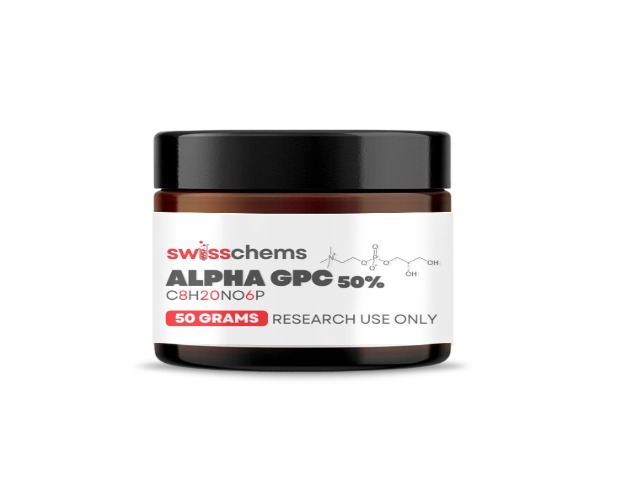
Citicoline is my first choice for creative stacks because it does double duty: it serves as a choline donor for acetylcholine synthesis while also enhancing dopaminergic signaling, which powers motivation and productive focus. At 250-500mg daily, it provides a reliable cognitive foundation. Recent research reinforces this choice: citicoline has been shown to boost brain energy, improve neuroplasticity, and enhance long-range brain health by protecting against cognitive decline over years of use. Alpha-GPC is an excellent alternative, particularly for those who respond better to its more direct cholinergic activity.
For a deeper comparison of these two powerhouse cholinergics, see our Alpha-GPC vs. Citicoline analysis.
Step 2: Layer in Creativity and Flow Enhancers
With a cholinergic base in place, I strategically add compounds with clinical evidence for boosting creative ideation and flow states.
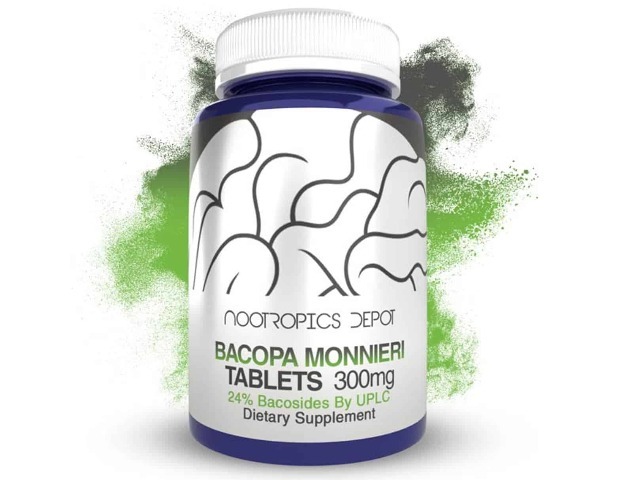
Bacopa Monnieri (300mg standardized extract, taken with meals) is the cornerstone here. Its effects on divergent thinking and memory consolidation build over 4-8 weeks of consistent use. A 2024 neuroimaging study at Drexel University confirmed that creative flow depends on the default mode network generating ideas under executive network supervision — precisely the kind of associative-yet-directed cognition that Bacopa supports through its combined memory and attention mechanisms. Rhodiola Rosea (200-400mg) works more acutely as an adaptogen that enhances working memory and executive function while buffering stress.
L-Theanine (200mg) promotes the alpha brain wave activity associated with relaxed creative states. It pairs exceptionally well with moderate caffeine for a calm-focus state that supports sustained creative work.
Step 3: Support Cellular Energy Production
The creative process is metabolically demanding. Sustained ideation, evaluation, and revision drain brain energy reserves. I ensure optimized cellular fuel by including mitochondrial support in creative stacks.
CoQ10 (as ubiquinol) and PQQ support mitochondrial efficiency and biogenesis. These nutrients provide clean, sustained mental energy without the depletion or neurotransmitter imbalance that stimulants cause. Adequate B-vitamins — particularly B6, B9 (folate), and B12 — are also essential as cofactors in neurotransmitter synthesis.
Step 4: Modulate the Stress Response
Cortisol is one of the biggest obstacles to fluid, imaginative thinking. When stress hormones are elevated, the brain shifts toward rigid, survival-oriented cognition — the opposite of the flexible, exploratory thinking that creativity requires.
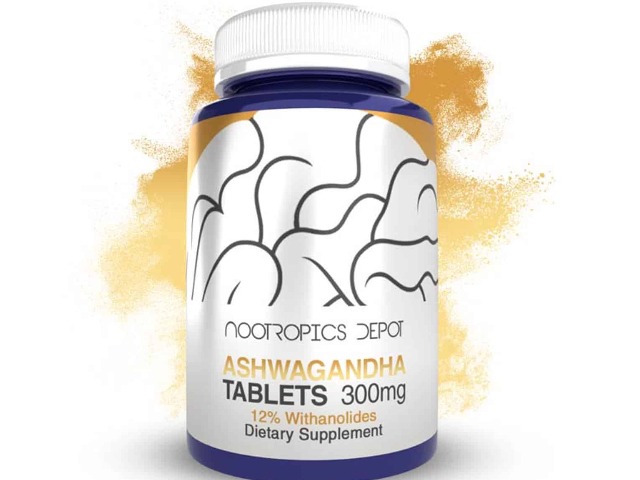
Ashwagandha (300-600mg of a standardized extract) is one of the most well-researched adaptogens for cortisol modulation. Magnesium L-Threonate specifically crosses the blood-brain barrier and helps control glutamate excitotoxicity that impedes cognitive flexibility. Together, they create the internal conditions of calm alertness where creative insights are most likely to emerge.
For a comprehensive look at magnesium’s role in cognitive function and mood, see our complete magnesium guide.
Step 5: Ensure Neurotransmitter Precursor Availability
Dopamine, norepinephrine, acetylcholine, and serotonin each play distinct roles in creative cognition. Dopamine drives exploratory behavior and reward-seeking. Norepinephrine supports focused attention. Acetylcholine enables associative memory. Serotonin modulates mood and cognitive flexibility.
I ensure creative stacks supply the essential amino acid building blocks for on-demand neurotransmitter synthesis:
- L-Tyrosine (500-1000mg) — precursor to dopamine and norepinephrine
- Alpha-GPC or Citicoline — acetylcholine support (already covered in Step 1)
- Adequate dietary tryptophan or targeted 5-HTP — serotonin precursor support
Case Study: Novelist Overcomes Writer’s Block
To make these concepts concrete, here is an example from my practice.
A client — an accomplished fiction author — had completed a successful trilogy but found himself unable to generate new ideas despite approaching deadlines. He described persistent mental fog, fatigue, and a creative emptiness that felt fundamentally different from normal creative ebb. Testing revealed elevated inflammatory markers, cortisol dysregulation, low BDNF, and gut dysbiosis.
I designed a protocol targeting his specific deficits:
- Citicoline (250mg twice daily) — for dopamine support and neural membrane repair
- Bacopa Monnieri (300mg twice daily) — to stimulate divergent thinking
- Curcumin (400mg twice daily, Longvida formulation) — to reduce brain inflammation
- Rhodiola Rosea (200mg twice daily) — to modulate stress response
- Magnesium L-Threonate (150mg twice daily) — to improve cognitive flexibility
We also addressed the root causes: a lectin-limited diet with intermittent fasting to heal gut permeability, and daily movement to enhance BDNF and vagal tone.
Within eight weeks, he reported ideas and plotlines emerging naturally again. He met his writing deadlines and completed the next installment. The nootropics alone didn’t produce the manuscript — but targeted brain optimization unlocked the latent creative capacity that his depleted neurochemistry had been suppressing. This case aligns with emerging 2025 research: a large-scale multi-center study in Communications Biology analyzing 2,433 participants found that creative ability is reliably predicted by the brain’s capacity for dynamic switching between the default mode and executive control networks — exactly the kind of fluid network toggling that the Citicoline + Bacopa foundation supports through its dual cholinergic and adaptogenic mechanisms.
Lifestyle Habits That Amplify Creative Cognition
Supplementation works best when combined with behaviors that naturally support creative brain chemistry:
- Alternate intense focus with relaxed downtime — Novel insights often emerge during the transition between deep work and leisure. Build both into your creative routine.
- Use caffeine strategically — Moderate, early-day caffeine fuels concentration without causing the adrenal fatigue that undermines creativity over time.
- Eat brain-supportive foods — Emphasize egg yolks (choline), fatty fish (omega-3s), blueberries (anthocyanins), turmeric (curcuminoids), and dark chocolate (flavanols).
- Minimize alcohol — Even moderate alcohol consumption causes neuroinflammation and neurotransmitter depletion that work directly against creative cognition.
- Prioritize deep sleep — REM sleep is when your brain consolidates memories and recombines ideas in novel ways. It is the biological substrate of creative insight.
- Exercise regularly — Yoga, HIIT, and nature walks all stimulate neurogenesis in brain regions associated with learning and creativity.
- Cross-train creatively — Dancing, drawing, playing music, and engaging in diverse creative outlets stimulates different neural networks, enhancing overall cognitive flexibility.
- Practice mindfulness meditation — Observing thoughts non-judgmentally creates space for insights to emerge from quiet introspection.
Frequently Asked Questions
How long until I notice creativity benefits from nootropics?
Most brain-boosting compounds have subtle acute effects within 30-90 minutes. However, the fuller impact on creative cognition typically manifests after 2-4 weeks of consistent use, as neural receptors saturate and signaling pathways strengthen. Bacopa Monnieri in particular requires sustained use to reach its full potential.
Are creativity-focused nootropics safe?
When following recommended dosages of reputable products, the natural compounds discussed here have excellent safety profiles. I always favor herbal and amino acid-based nootropics over synthetic options, particularly for daily creative use. As with any supplement protocol, consult a healthcare professional before starting — especially if you take medications or have pre-existing conditions.
Can I take these nootropics daily?
Daily use is safe and most effective for foundational compounds like choline sources, adaptogens, and amino acids. More potent synthetic options (if used) are best limited to 3-5 days per week to avoid tolerance. An ideal regimen might involve daily cholinergic and adaptogenic support with targeted creativity enhancers used on dedicated creative work days.
What is your top recommended stack for creativity?
My current favorite creative stack pairs Citicoline (250mg) with Bacopa Monnieri (300mg) as the core, then adds Rhodiola Rosea (200mg) for cognitive flexibility and working memory. On intensive creative days, I layer in L-Theanine (200mg) with moderate caffeine for calm, focused flow. This combination addresses the full spectrum of creative cognitive needs: associative memory, divergent thinking, stress modulation, and sustained attention.
For more on building creative cognitive capacity, explore our guides on the best nootropics for creativity and accessing flow states.