
- Reduces stress and anxiety through GABAergic modulation
- Improves sleep quality without dependency risk
- Provides neuroprotection through antioxidant activity
- Supports healthy inflammatory response
I used to think anxiety management meant choosing between feeling nothing (pharmaceuticals) or feeling everything (white-knuckling it). Then I discovered a bark extract that’s been used in Chinese medicine for two millennia, works through the same calming neurotransmitter system as benzodiazepines, but doesn’t come with the dependency nightmare.
That’s Magnolia officinalis. And if you’re searching for a non-addictive way to take the edge off chronic stress without becoming a zombie, this is worth your attention.
The Short Version: Magnolia officinalis is a tree bark extract containing magnolol and honokiol—compounds that activate GABA receptors to reduce anxiety and improve sleep quality without dependency risk. Best for managing daily stress and sleep issues when combined with solid foundations (gut health, sleep hygiene, stress management). Most people need 200-400mg daily for 2-4 weeks to notice effects.
What Is Magnolia officinalis? (The 2,000-Year-Old Anti-Anxiety Secret)
Magnolia officinalis is a deciduous tree native to the mountains of China, growing at altitudes between 300-1500 meters. The bark—stripped from stems, branches, and roots—has been used therapeutically in traditional Chinese medicine (TCM) for approximately 2,000 years, with its first documentation appearing in the Shennong Bencao Jing around 100 A.D.
In TCM, it’s called “Houpo” (厚朴), and practitioners have historically used it to treat anxiety, asthma, depression, gastrointestinal disorders, and headaches. Not exactly a niche application.
The reason it works comes down to two primary bioactive compounds: magnolol (2-10% of bark composition) and honokiol (1-5% of bark composition). These are polyphenolic neolignans—a fancy way of saying they’re plant compounds with some seriously interesting effects on brain chemistry.
Unlike modern anxiolytics that tend to come with a laundry list of side effects and dependency risks, magnolia bark provides calming effects through a mechanism that doesn’t hijack your neurochemistry. It works with your brain’s natural relaxation systems, not against them.
Before we go further: magnolia bark isn’t a replacement for addressing root causes. If your anxiety stems from chronic gut inflammation, blood sugar chaos, or sleeping four hours a night, no supplement is going to fix that. But if your foundations are solid and you need support managing daily stress? This is one of the most compelling natural options I’ve found.
How Does Magnolia officinalis Work? (The Science Without the Headache)
Here’s the short version: magnolia bark enhances your brain’s primary “calm down” neurotransmitter system—GABA—without causing the sedation, tolerance, or dependency that pharmaceutical GABAergic drugs typically produce.
Let me break that down.
The GABAergic Modulation (The Main Event)
GABA (gamma-aminobutyric acid) is your brain’s brake pedal. When GABA binds to GABA(A) receptors on neurons, it reduces their excitability—essentially telling them to chill out. This is the same mechanism that benzodiazepines like Xanax use, which is why they work so well for acute anxiety. The problem is that benzos come with tolerance, dependency, and withdrawal that can be genuinely dangerous.
Magnolol and honokiol work differently. Research from 2012 demonstrates that these compounds act as positive allosteric modulators of GABA(A) receptors. Translation: they don’t directly activate the receptors (like benzos do), but instead make the receptors more responsive to your body’s natural GABA. Think of it like adjusting the sensitivity on a volume knob rather than cranking the volume to maximum.
The specifics get interesting. Both compounds enhance phasic and tonic GABAergic neurotransmission in hippocampal neurons, and they activate GABA(A) receptors regardless of which subunit composition the receptor has (α, β, or γ). They show particularly high efficacy at δ-containing receptors, which are associated with tonic inhibition and stress resilience.
Honokiol demonstrated concentration-dependent effects with EC50 values ranging from 23.4 μM to 59.6 μM across different receptor subtypes, showing maximal enhancement of 2386% on α3β2 receptors. That’s not a typo—magnolia bark compounds can make certain GABA receptors more than 20 times more responsive.
The binding site is unique. It doesn’t overlap with neurosteroids, anesthetics, ethanol, or picrotoxin binding sites. This novelty likely contributes to the lack of tolerance development seen with long-term use.
The Supporting Cast (Other Mechanisms)
Cannabinoid Receptor Activation: Both magnolol and honokiol activate CB2 cannabinoid receptors and block the related GPR55 receptor. This contributes to their anti-inflammatory and anxiolytic properties through a completely separate pathway from the GABAergic effects. It’s like having two independent systems working toward the same goal.
Neuroprotection Through Antioxidant Activity: This is where magnolia bark gets genuinely impressive. Magnolol and honokiol inhibit lipid peroxidation (cellular damage from oxidative stress) with roughly 1,000 times greater efficacy than α-tocopherol (vitamin E). In glutamate toxicity models—where neurons are essentially poisoned—honokiol at 5-10 µM reduced cell death by 40-50% through ROS scavenging and activation of the Nrf2 pathway, which is your cellular antioxidant defense system.
Anti-Inflammatory Effects: The compounds suppress pro-inflammatory cytokines (TNF-α, IL-1β, IL-6) through downregulation of NF-κB, NLRP3 inflammasome, and MAPK pathways. If you’ve read anything else I’ve written, you know I’m borderline obsessed with neuroinflammation as a root cause of cognitive dysfunction. Magnolia bark addresses this directly.
HPA Axis Modulation: The hypothalamic-pituitary-adrenal (HPA) axis is your body’s stress response system. Magnolia bark influences this axis to help regulate norepinephrine and epinephrine release patterns, creating more balanced autonomic function rather than constant fight-or-flight activation.
Reality Check: Magnolia bark works through multiple complementary mechanisms, which is great for comprehensive effects but also means results aren’t instant. This isn’t a “take it and feel different in 20 minutes” compound. It’s more like building a foundation of stress resilience over 2-4 weeks.
Benefits of Magnolia officinalis (What the Research Actually Shows)
Let’s separate the well-supported benefits from the preliminary evidence. I’m going to be honest about where the science is strong and where it’s still developing.
Strong Evidence: Stress, Anxiety, and Sleep
The human clinical trials here are compelling.
Stress and Anxiety Reduction: A double-blind, placebo-controlled trial in moderately stressed adults found that Relora® (a combination of Magnolia officinalis and Phellodendron amurense) at 250mg three times daily significantly reduced cortisol exposure and perceived daily stress while improving mood parameters—specifically lower fatigue and higher vigor.
A pilot study in healthy premenopausal women demonstrated that Relora effectively reduced transitory anxiety (Spielberger STATE anxiety) but was not effective for long-standing trait anxiety or clinical depression. This distinction is important: magnolia bark appears most effective for situational stress and acute anxiety episodes, not deeply entrenched anxiety disorders or depression.
Sleep Quality: A 24-week study with 89 menopausal women taking 60mg magnolia bark extract plus 50mg magnesium daily showed significant improvements in insomnia, anxiety, mood, and irritability. Another study in over 600 menopausal women found that 12 weeks of daily magnolia bark supplementation relieved symptoms of insomnia, irritability, and anxiety.
The sleep mechanism makes sense: enhanced GABAergic tone promotes the transition into sleep without the “knockout” effect of pharmaceutical sleep aids. Users report falling asleep more easily and experiencing better sleep quality without morning grogginess.
Postpartum Depression: A 2020 randomized controlled pilot study found that magnolia tea consumed for 3 weeks showed positive effects on alleviating depression in postnatal women. This is preliminary but promising given how limited safe options are for new mothers.
| Benefit | Evidence Level | Key Study Details |
|---|---|---|
| Daily stress reduction | Strong (human RCTs) | 250mg 3x daily reduced cortisol and improved mood |
| Sleep quality | Strong (human trials) | 60mg + magnesium improved insomnia in 89 women over 24 weeks |
| Acute anxiety | Moderate (human trials) | Effective for STATE anxiety, not TRAIT anxiety |
| Postpartum depression | Preliminary | 3-week tea consumption showed positive effects |
Moderate Evidence: Neuroprotection and Cognitive Function
The preclinical evidence is extensive, but human data is limited.
Alzheimer’s Disease Models: In preclinical research, honokiol showed promise in reducing amyloid-beta plaque production, decreasing tau phosphorylation, and enhancing cognitive performance. A 2024 systematic review specifically examined neolignans in Magnolia officinalis as natural anti-Alzheimer’s agents, highlighting the mechanistic plausibility.
Parkinson’s Disease Models: Neuroprotective benefits were attributed to reduction of oxidative stress, glial activation, excitotoxicity, and neuronal inflammation—all key pathways in neurodegeneration.
The challenge is translating animal model success to human outcomes. The mechanisms are sound, the preclinical data is compelling, but we need more human trials before making strong claims about neurodegenerative disease prevention.
Weight Management: There’s preliminary evidence for effects on cortisol-related weight gain (stress eating, metabolic dysfunction from chronic cortisol elevation), but the human evidence remains limited. This is a “possibly helpful, not proven” category.
Pro Tip: If you’re primarily interested in neuroprotection, consider combining magnolia bark with compounds that have stronger direct cognitive evidence like Bacopa Monnieri or Lion’s Mane. The anti-inflammatory and antioxidant effects of magnolia bark create a supportive environment for other nootropics to work more effectively.
How to Take Magnolia officinalis (Without Wasting Your Money)
Dosing matters. Too little and you’re spending money on placebo. Too much and you’re dealing with unnecessary sedation.
Dosage
| Use Case | Dosage | Timing | Notes |
|---|---|---|---|
| General stress support | 200mg | Evening | Start here to assess tolerance |
| Moderate stress/anxiety | 300-400mg | Split: morning + evening | Most common effective range |
| Sleep support | 200-300mg | 30-60 min before bed | Combine with sleep hygiene |
| Acute stress | 250mg | As needed, max 3x daily | Based on Relora® studies |
Starting protocol: Begin with 200mg in the evening for 3-5 days. Assess for drowsiness or digestive effects. If well-tolerated and insufficient effect, increase to 300mg split between morning (100-150mg) and evening (150-200mg). Wait at least one week before further increases.
The therapeutic compounds—magnolol and honokiol—are fat-soluble, so absorption is enhanced when taken with food containing some fat. Think: a meal with avocado, nuts, olive oil, or fatty fish rather than just popping it on an empty stomach.
Forms and Bioavailability
Standardized Extract: Look for extracts standardized to 2-10% magnolol and 1-5% honokiol. This ensures consistent dosing of active compounds rather than variable bark powder.
Bark Powder: Less reliable for consistent effects due to varying compound concentrations. Typically requires higher doses (1-3 grams) and quality varies significantly between suppliers.
Combination Formulas: Relora® is a patented blend of Magnolia officinalis and Phellodendron amurense. The clinical trials used this specific combination, so there’s good evidence for it. Other combinations with L-Theanine, Ashwagandha, or Phosphatidylserine are common but have less specific research backing.
| Form | Bioavailability | Cost | Best For |
|---|---|---|---|
| Standardized extract | High | $$ | Consistent, reliable effects |
| Bark powder | Variable | $ | Traditional use, less precise dosing |
| Relora® blend | High | $$-$$$ | Evidence-backed stress reduction |
Timing Considerations
Morning/midday dosing: Use lower doses (100-200mg) if taking during the day. Some users report mild sedation at higher daytime doses, though this is less common than with pharmaceutical anxiolytics.
Evening dosing: Take 30-60 minutes before intended sleep time if using primarily for sleep support. The GABAergic effects promote relaxation without the “knockout” sensation of sleep drugs.
Consistency matters more than timing: The stress-buffering and neuroprotective effects accumulate over 2-4 weeks of consistent use. Sporadic dosing won’t produce optimal results.
Cycling
Unlike many adaptogens, magnolia bark doesn’t appear to require cycling for maintained efficacy. The unique binding site and lack of tolerance development in studies suggest continuous use is safe and effective. That said, I personally take “supplement breaks” every few months just to reassess baseline and ensure I’m not using supplements as a crutch for poor lifestyle management.
Insider Tip: If you’re using magnolia bark primarily for sleep, track your results for the first two weeks. Note: time to fall asleep, wake frequency, morning grogginess, next-day energy. This objective tracking prevents the common trap of “I think it’s working?” without actual data. If you’re not seeing measurable improvement by week 3-4, either increase dose or consider that sleep issues may have a different root cause requiring investigation.
Side Effects & Safety (What Could Go Wrong)
Magnolia bark is generally well-tolerated, but nothing is side-effect-free for everyone.
Common Side Effects
Drowsiness: The most commonly reported effect, particularly at higher doses (>400mg) or when first starting. This typically diminishes after a few days as your body adjusts. If persistent, reduce dose or shift timing to evening only.
Mild digestive upset: Occasionally reported, usually in the form of stomach discomfort or nausea. Taking with food containing fat typically resolves this.
Dizziness or lightheadedness: Less common, but possible—especially if combining with other sedating substances or if you have low blood pressure.
Who Should Avoid This
- Pregnancy and nursing: Insufficient safety data. Avoid.
- Upcoming surgery: Discontinue at least 2 weeks before scheduled surgery due to potential effects on central nervous system depression during anesthesia.
- Severe liver disease: Limited data on metabolism and clearance in hepatic impairment.
- Children: No established pediatric dosing or safety data.
Drug Interactions
This is critical. Magnolia bark enhances GABAergic activity, so combining it with other CNS depressants can produce additive effects.
| Medication/Substance | Interaction Type | Risk Level | Notes |
|---|---|---|---|
| Benzodiazepines (Xanax, Valium, Klonopin) | GABAergic potentiation | High | Excessive sedation, respiratory depression possible |
| Sleep medications (Ambien, Lunesta) | CNS depression | High | Increased sedation, next-day impairment |
| Alcohol | CNS depression | Moderate-High | Amplified intoxication, impaired coordination |
| SSRIs/SNRIs | Potential serotonergic | Low-Moderate | Theoretically possible, not well-documented |
| Blood thinners (Warfarin) | Unknown mechanism | Low | Insufficient data, monitor if combining |
| Sedating antihistamines (Benadryl) | CNS depression | Moderate | Increased drowsiness |
| Opioids | CNS depression | High | Respiratory depression risk, avoid |
| CBD | CB2 receptor activation | Low | Potentially synergistic, start with low doses of each |
| Phenibut | GABAergic | High | Dangerous combination, avoid |
Important: If you’re taking any prescription medication that affects the central nervous system, consult with a healthcare provider before adding magnolia bark. The risk of excessive sedation or potentiated effects is real, particularly with benzodiazepines, opioids, and prescription sleep medications.
Long-Term Safety
Unlike pharmaceutical anxiolytics, magnolia bark doesn’t appear to cause tolerance, dependency, or withdrawal symptoms even with long-term use. The unique binding mechanism likely contributes to this favorable safety profile.
That said, using any anxiolytic chronically—even natural ones—without addressing root causes is a band-aid approach. If you find yourself relying on magnolia bark (or anything else) to function daily, that’s a signal to investigate underlying stress, lifestyle, or health issues more deeply.
Stacking Magnolia officinalis (The Combinations That Actually Work)
Magnolia bark plays well with others. Here’s how to combine it strategically based on your specific goals.
For Stress Resilience + Daytime Calm
The Stack:
- 200mg Magnolia officinalis (morning)
- 200mg L-Theanine (morning)
- 300mg Ashwagandha KSM-66 (morning)
- 200mg Phosphatidylserine (evening)
Timing: Split dosing with adaptogens in morning, magnolia and phosphatidylserine in evening.
Why it works: L-Theanine provides acute calming without sedation through GABA and glutamate modulation. Ashwagandha acts on the HPA axis to buffer cortisol response. Phosphatidylserine taken in evening helps regulate nighttime cortisol. Magnolia bark ties it together with GABAergic support and anti-inflammatory effects.
Who it’s for: High-stress professionals, people with elevated cortisol, those experiencing stress-related sleep disruption.
For Deep Sleep + Recovery
The Stack:
- 250mg Magnolia officinalis (60 min before bed)
- 400mg Magnesium Glycinate (with dinner)
- 500mg Apigenin (30 min before bed)
- 1-3mg Melatonin (30 min before bed)
Timing: Magnesium with evening meal, magnolia and apigenin 30-60 min before bed, melatonin 30 min before bed.
Why it works: Magnesium supports GABA receptor function and muscle relaxation. Apigenin is a chamomile-derived GABA(A) receptor modulator with minimal next-day sedation. Magnolia bark enhances the GABAergic tone. Melatonin regulates circadian rhythm. This combination addresses multiple sleep pathways without pharmaceutical dependency.
Who it’s for: People with stress-related insomnia, difficulty staying asleep, or next-day grogginess from sleep medications.
For Focus + Anxiety Management (Seeming Opposites)
The Stack:
- 100mg Magnolia officinalis (morning)
- 100mg Caffeine (morning)
- 200mg L-Theanine (morning)
- 300mg Alpha-GPC (morning)
Timing: All taken together 30-60 min before focused work.
Why it works: This is the “calm focus” stack. Caffeine and Alpha-GPC drive alertness and cognitive function. L-Theanine and magnolia bark smooth the stimulation without eliminating it, preventing jittery anxiety while maintaining drive. The result is focused energy without the crash or anxiety spike.
Who it’s for: People who need stimulation for productivity but experience anxiety from caffeine alone. ADHD individuals seeking non-pharmaceutical focus support.
What NOT to Combine
- Phenibut: Both are GABAergic. Combining them significantly increases sedation and risk of respiratory depression. Don’t do this.
- Alcohol: Similar concern—additive CNS depression. If you do drink, keep magnolia bark dose low (<200mg) and limit alcohol to 1-2 drinks maximum.
- Prescription benzodiazepines: This is a medical decision requiring physician oversight. The interaction risk is high.
- Kava: Both have hepatic metabolism concerns and GABAergic effects. Insufficient safety data for combination.
Synergy Table
| Combination | Synergy Mechanism | Dosage Adjustment | Effect Profile |
|---|---|---|---|
| L-Theanine | Complementary GABA/glutamate modulation | No adjustment needed | Calm focus without sedation |
| Ashwagandha | HPA axis + GABAergic support | Use lower magnolia dose (150-200mg) | Deep stress resilience |
| Magnesium Glycinate | GABA receptor support | No adjustment needed | Enhanced sleep quality |
| CBD | CB2 receptor activation | Start low on both (50mg CBD, 100mg magnolia) | Broad anxiolytic effect |
Pro Tip: When stacking multiple GABAergic or sedating compounds, start with half the standard dose of each and assess tolerance for 3-5 days before increasing. The synergistic effects can be stronger than expected, and excessive sedation is counterproductive.
My Take (After Years of Experimentation)
I’m not naturally inclined toward “chill.” My default state is “scanning for problems to solve” with a side of low-grade anxiety. For years, I thought that was just my personality—that I had to choose between being driven (and anxious) or relaxed (and useless).
Magnolia bark was one of the compounds that showed me that’s a false dichotomy.
I started using it about three years ago during a particularly brutal period of stress—business challenges, health issues, sleep falling apart. I began with 200mg in the evening, primarily targeting sleep. Within a week, I noticed I was falling asleep faster and waking up less frequently. Within three weeks, I realized the effect extended beyond sleep: I had more emotional resilience during the day. Stressors that would typically send me into problem-solving overdrive were… manageable. Not suppressed, not eliminated—just less overwhelming.
I’ve cycled on and off it since then. When I’m on it consistently (200mg evening, sometimes 100mg morning if I know I’m heading into a high-stress day), my baseline stress response is noticeably more balanced. When I come off it for a month or two, I don’t experience withdrawal or rebound anxiety—it’s just a gradual return to my natural slightly-more-anxious baseline.
Who this is best for: People with chronic low-grade stress who’ve addressed the foundations (gut health, sleep hygiene, blood sugar management, basic stress reduction) but still need support. It’s particularly valuable for the “tired but wired” phenotype—you’re exhausted but can’t shut your brain off at night. If that’s you, the combination of Magnesium Glycinate + magnolia bark + Apigenin is worth trying.
Who should try something else: If your anxiety is rooted in stimulant overuse (too much Caffeine, Modafinil, or other stimulants), magnolia bark is addressing the symptom, not the cause. Cut back on stimulation first. If you have clinical depression rather than stress/anxiety, magnolia bark showed no effect in trials—consider Saffron, SAMe, or medical treatment instead. If you’re looking for acute social anxiety management, L-Theanine or Kava may provide faster-acting relief.
The honest assessment: Magnolia bark isn’t a magic bullet, and it won’t override poor sleep, chronic gut inflammation, or a fundamentally stressful lifestyle. But if your foundations are solid and you need a non-addictive tool for stress management? This is one of the most evidence-backed, well-tolerated options available.
Start conservative (200mg evening), give it 2-3 weeks, and track your results objectively. If it works, great. If it doesn’t move the needle after a month, investigate root causes more deeply rather than increasing the dose indefinitely.
That’s what I wish someone had told me years ago.
Recommended Magnolia Bark Products
I know how frustrating it is to sort through dozens of brands making the same claims. These are the ones I've personally vetted — because quality is the difference between results and wasted money.
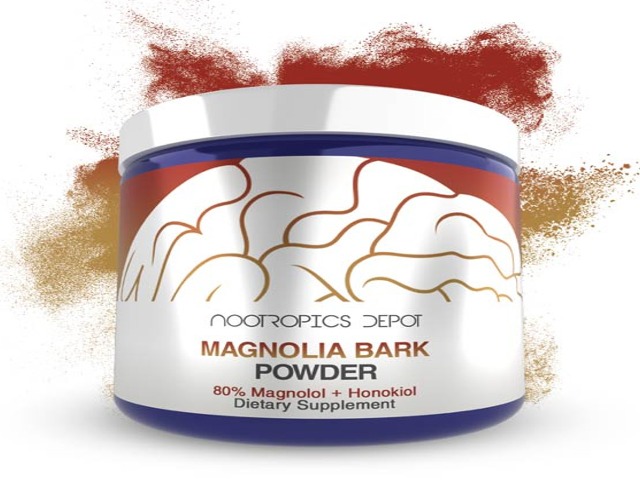
Magnolia Bark Extract Powder
Shop Now →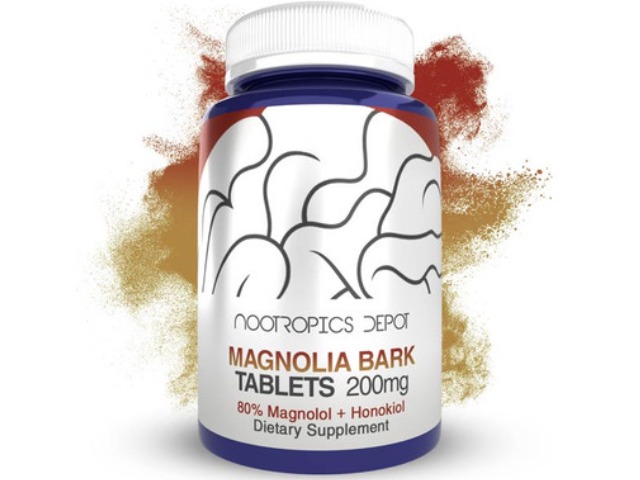
Magnolia Bark Extract Tablets | 200mg | Magnolia Officinalis by Nootropics Depot
Shop Now →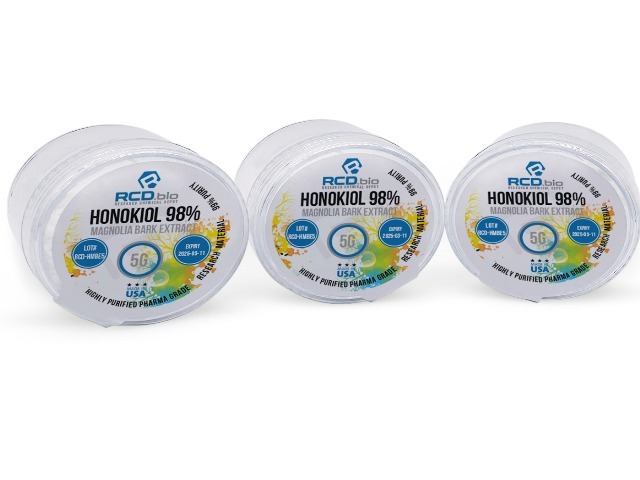
Honokiol (Magnolia Bark Extract) by Nootropics Unlimited
Shop Now →Disclosure: These are affiliate links. I earn a small commission if you purchase — at no extra cost to you. I only recommend products I personally use or have thoroughly researched.