
Before I started my practice, I spent years struggling with anxiety, brain fog, and the kind of scattered focus that makes every task feel like pushing through wet concrete. I tried the usual recommendations — more sleep, less stress, exercise. They helped, but something was still off. It wasn’t until I dug into the research on nutritional neuroscience that the missing piece clicked: the food I was eating was literally starving my brain of the raw materials it needed to produce the neurotransmitters that govern mood, motivation, and mental clarity.
That realization changed the trajectory of my career. As a Functional Nutritional Therapy Practitioner, I now spend most of my time helping clients optimize their diet and targeted supplementation to support the neurochemistry that underlies how they think and feel. The science here is clear and increasingly robust: what you eat directly impacts your neurotransmitter balance, brain inflammation, gut-brain signaling, and cognitive performance.
This isn’t about trendy superfoods or miracle supplements. It’s about understanding the biological machinery of your brain and feeding it what it actually needs to function at its best.
The research base has grown considerably in recent years. A 2025 systematic review in Dietetics analyzed 25 randomized clinical trials examining dietary patterns and mental health across the lifespan, finding consistent evidence that dietary interventions — particularly Mediterranean-style diets — reduce depressive symptoms by 32-45% through mechanisms involving polyphenols, omega-3 fatty acids, and fiber that lower systemic inflammation, promote gut diversity, and improve dopamine and serotonin modulation.
Key Takeaways: Your brain converts dietary amino acids, vitamins, minerals, and fats into the neurotransmitters that control mood and focus. L-Tyrosine is the precursor to dopamine (motivation, focus). 5-HTP supports serotonin production (mood, calm). Magnesium, B vitamins, zinc, and iron are critical cofactors for neurotransmitter synthesis — and most people are deficient in at least one. Omega-3 fatty acids protect neuronal membranes and reduce brain inflammation. An anti-inflammatory, nutrient-dense diet is the foundation; targeted supplementation fills the gaps.
How Nutrition Drives Neurotransmitter Production
The relationship between food and brain function is direct and mechanistic. Your body breaks down dietary protein into amino acids, some of which serve as the raw precursors for neurotransmitter synthesis. Without adequate supply of these building blocks, your brain simply cannot produce enough dopamine, serotonin, acetylcholine, or GABA to maintain optimal function.
Here are the most important nutritional compounds for mental health, and what the evidence says about each:
Tyrosine and Dopamine
L-Tyrosine is the direct precursor to dopamine, the neurotransmitter most closely tied to motivation, reward, focus, and drive. The conversion pathway goes: tyrosine is converted to L-DOPA by tyrosine hydroxylase, then L-DOPA becomes dopamine.
Dietary sources include meat, fish, eggs, dairy, beans, and nuts. For targeted support, especially under conditions of stress or sleep deprivation (when catecholamine demand is highest), supplemental L-tyrosine can meaningfully support cognitive function. See our L-tyrosine substance page for dosing and full evidence review, and our guide on natural ways to boost dopamine.
5-HTP and Serotonin
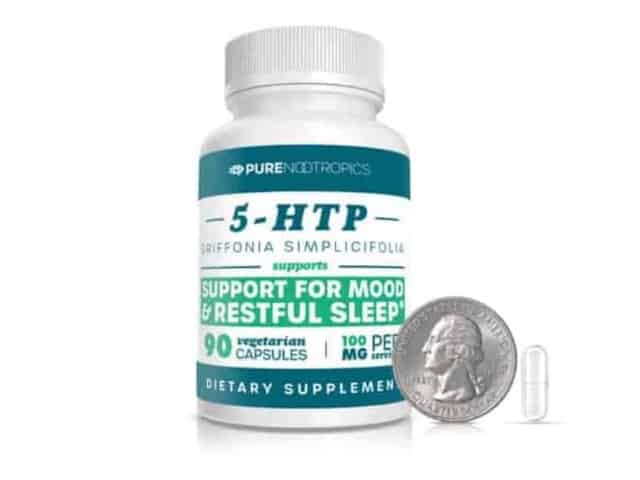
5-HTP (5-Hydroxytryptophan) is the direct precursor to serotonin, which regulates mood, anxiety, sleep, and appetite. Derived naturally from the seeds of Griffonia simplicifolia, 5-HTP crosses the blood-brain barrier and is converted to serotonin more efficiently than dietary tryptophan.
This is particularly relevant for people dealing with anxiety, depression, or disrupted sleep. See our 5-HTP substance page for the research.
Critical Cofactors: B12, Iron, Zinc, Magnesium
Even if you’re getting enough precursor amino acids, neurotransmitter synthesis stalls without adequate cofactors:
- Vitamin B12 is essential for methylation reactions that influence serotonin and dopamine production. Deficiency is common, especially in vegetarians and people with gut absorption issues.
- Iron is a cofactor for tyrosine hydroxylase — the rate-limiting enzyme in dopamine synthesis. Low iron means impaired dopamine production regardless of tyrosine intake.
- Zinc modulates NMDA receptors and supports GABA activity. Deficiency is linked to depression and impaired cognitive function.
- Magnesium is involved in over 300 enzymatic reactions, including those for neurotransmitter synthesis and release. Magnesium L-threonate specifically crosses the blood-brain barrier and has research supporting cognitive benefits. Deficiency is epidemic — most people don’t get enough from diet alone.
The critical insight: many people are deficient in one or more of these cofactors even with what appears to be a reasonable diet. Lab testing (see below) is the only way to know for sure.
Antioxidants and BDNF
Oxidative stress damages brain cells and impairs neuroplasticity. Dietary antioxidants from fruits and vegetables — particularly leafy greens, berries, and colorful produce — combat this damage and support BDNF (Brain-Derived Neurotrophic Factor) production. BDNF is essential for learning, memory formation, and the brain’s ability to adapt and grow new neural connections.
Omega-3 Fatty Acids
Your brain is roughly 60% fat, and the quality of dietary fats directly affects neuronal membrane integrity and function. Omega-3s (EPA and DHA) reduce neuroinflammation, support cell-to-cell communication, and protect the delicate membranes of nerve cells. Found in fatty fish, and supplementable through high-quality fish or algae oil. See our guide on omega-3s for brain health.
A 2024 randomized pilot trial published in Nutritional Neuroscience (the EASe-GAD Trial) tested dietary counseling combined with omega-3 supplementation in patients with generalized anxiety disorder and found measurable improvements in anxiety symptoms, reinforcing that omega-3s provide psychological benefits beyond their well-established anti-inflammatory role. Notably, a 2024 review in Nutrients examining omega-3 research concluded that EPA and DHA provide clear psychological health benefits, though cognitive benefits in healthy populations remain less consistent — suggesting omega-3s may be most impactful for people already experiencing mood or anxiety issues.
Lifestyle Factors That Amplify Nutritional Benefits
Optimizing your diet is the foundation, but these lifestyle habits work synergistically with good nutrition to support brain function:
Sleep: 7-9 Hours Nightly
Sleep deprivation devastates cognitive function. During deep sleep, the glymphatic system clears metabolic waste from the brain, neurotransmitter stores are replenished, and memory consolidation occurs. No amount of supplementation compensates for chronically poor sleep. If sleep quality is an issue, magnesium L-threonate and L-theanine are my go-to recommendations. See our article on best nootropics for sleep.
Exercise: 4-5 Sessions Per Week
Regular physical activity boosts BDNF, increases dopamine and endorphin levels, and improves cerebral blood flow. High-intensity exercise is particularly effective for dopamine enhancement, while moderate aerobic exercise supports serotonin and overall brain health. Aim for 30-60 minutes of heart-pumping activity most days.
Anti-Inflammatory Diet
Chronic neuroinflammation impairs neurotransmitter production and is implicated in depression, anxiety, and cognitive decline. The dietary strategy is straightforward: minimize sugar, refined carbohydrates, industrial seed oils, and artificial additives. Emphasize whole, nutrient-dense foods — quality proteins, healthy fats, colorful vegetables, and fermented foods for gut health.
Mindfulness and Stress Management
Chronic stress drives cortisol elevation, which suppresses dopamine and serotonin production, impairs memory formation, and shrinks the hippocampus over time. Even 5-10 minutes daily of meditation or deep breathing can measurably reduce cortisol and improve cognitive resilience. See our article on breathing exercises for vagus nerve stimulation.
Sunlight Exposure
Natural light exposure drives serotonin production and regulates circadian rhythm. It also upregulates tyrosine hydroxylase, the rate-limiting enzyme in dopamine synthesis. If you work indoors, make morning sunlight a priority — 20-30 minutes can meaningfully shift your neurochemistry.
Personalized Optimization Through Lab Testing
Here’s the reality that generic nutrition advice misses: we’re all biochemically unique. Genetics, gut health, microbiome composition, stress history, and prior diet all influence how an individual responds to specific foods and nutrients. Someone with gut permeability issues may react poorly to foods that are perfectly healthy for someone else.
That’s why I recommend combining dietary optimization with targeted lab testing to identify your specific deficiencies and imbalances:
- Nutrient status testing (zinc, magnesium, B12, iron, vitamin D) confirms deficiencies at the cellular level
- Organic Acids Test (OAT) analyzes metabolic byproducts related to neurotransmitter metabolism, nutrient status, and detoxification capacity
- GI-MAP examines gut microbiome balance, identifying pathogenic organisms and dysbiosis that may impair neurotransmitter production (remember, roughly 90% of serotonin is produced in the gut)
- IgG Food Sensitivity testing identifies inflammatory immune reactions to specific foods
Armed with this data, you can craft a targeted nutritional plan rather than guessing.
Supplements for Mood and Focus Support
When diet and lifestyle are dialed in, targeted supplementation can meaningfully enhance specific aspects of cognitive function.
For Anxiety and Mood Support
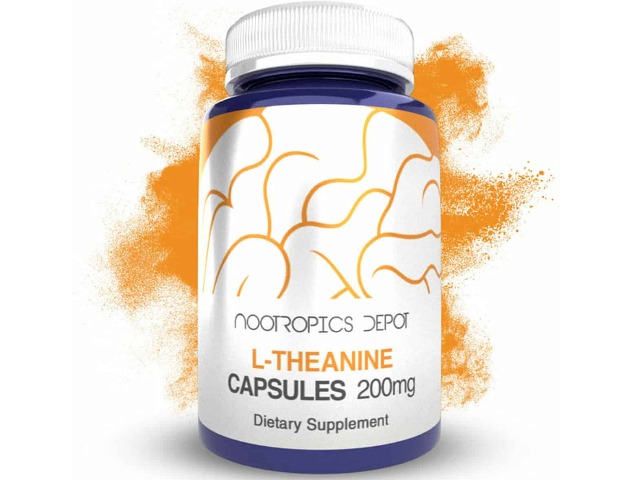
- L-Theanine: An amino acid from green tea that promotes alpha brain wave production — a relaxed but alert state. Excellent for anxiety reduction without sedation. Pairs beautifully with caffeine for calm, focused energy. See our article on L-theanine and caffeine.
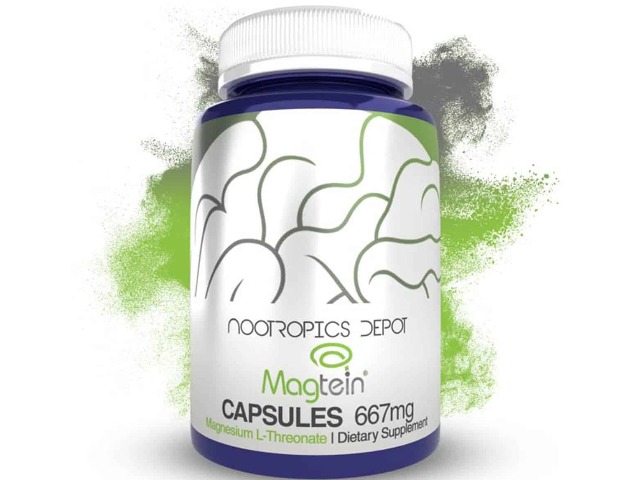
- Magnesium L-Threonate: The form of magnesium that crosses the blood-brain barrier. Supports GABA activity and calms the nervous system. See our complete magnesium guide.
For Focus and Memory
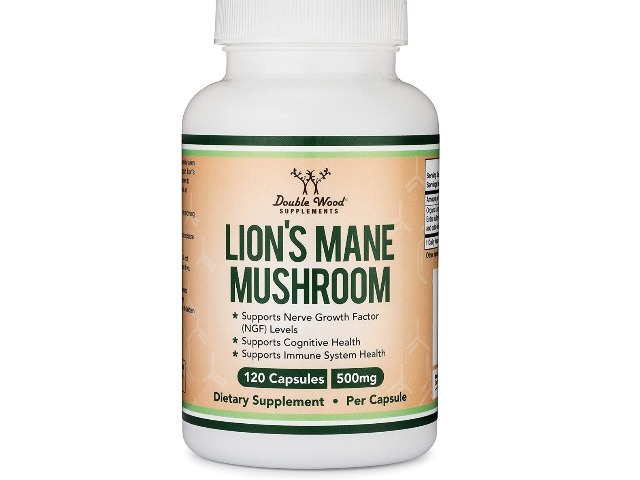
- Lion’s Mane (Hericium erinaceus): A medicinal mushroom with research showing it stimulates Nerve Growth Factor (NGF) production, supporting memory, focus, and neuroplasticity. See our Lion’s Mane guide.
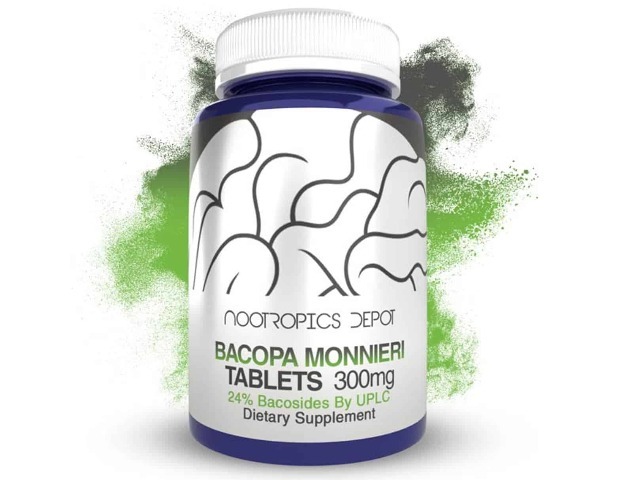
- Bacopa Monnieri: An adaptogenic herb that builds memory and stress resilience over weeks of consistent use. See our Bacopa substance page.
- Citicoline: A cholinergic precursor that supports acetylcholine production, the neurotransmitter most directly tied to focus and working memory. See our cholinergics guide.
For Overall Brain Health
- Probiotics: The gut-brain axis is real and increasingly well-documented. Supporting gut microbiome diversity through fermented foods and targeted probiotic strains (particularly Lactobacillus and Bifidobacterium) can positively influence serotonin, dopamine, and GABA production. A comprehensive 2025 review in Nutrients on the gut-brain axis and mental health confirmed that while the gut processes food, it is constantly communicating with the brain — and the microbiome’s influence on mood regulation extends from serotonin production to the modulation of neuronal inflammation. The review emphasized that dietary patterns rich in fiber, polyphenols, and fermented foods directly shape microbiome composition in ways that support mental health.
- Omega-3s: Foundational for neuronal membrane health. Prioritize DHA-rich formulations for brain-specific benefits.
The Bottom Line
Nutritional psychology isn’t alternative medicine — it’s applied neuroscience. The food you eat is literally disassembled into the molecular building blocks that become your neurotransmitters, neuronal membranes, and signaling molecules. Deficiencies in key nutrients don’t just make you feel vaguely “off” — they mechanistically impair the specific brain systems responsible for mood, motivation, focus, and resilience.
The approach I recommend to every client is the same: start with a nutrient-dense, anti-inflammatory diet. Address deficiencies through lab-guided supplementation. Support the lifestyle factors (sleep, exercise, stress management, sunlight) that amplify nutritional benefits. And personalize everything based on your unique biochemistry.
The future of mental health treatment increasingly recognizes that we need to address root nutritional causes before reaching for pharmaceutical interventions. That’s not anti-medication — it’s acknowledging that a brain starved of its raw materials can’t function optimally, regardless of what else you do.
For a deeper dive into specific aspects of nutritional brain optimization, explore our articles on dopamine enhancement, GABA optimization, and nootropics for depression.