
- Focus & Attention
- Neuroprotection
- Antioxidant Support
I used to think antioxidants were just something marketing departments put on juice labels to justify charging $8 a bottle. Then I learned that oxidative stress is basically your brain cells rusting from the inside out — and that certain plant compounds can actually do something about it.
Myricetin is one of those compounds. It’s not the flashiest nootropic on the market. You won’t feel it kick in like caffeine. But the research on this flavonoid’s neuroprotective effects is surprisingly robust, especially when it comes to protecting your brain’s cellular machinery from long-term damage.
The Short Version: Myricetin is a flavonoid antioxidant found naturally in berries, tea, and wine that protects brain cells through multiple mechanisms — reducing oxidative stress, calming neuroinflammation, and supporting mitochondrial function. Typical doses range from 100-500mg daily. The cognitive benefits are subtle but cumulative, making it best suited for long-term brain health rather than acute performance enhancement.
What Is Myricetin? (And Why You Should Care)
Myricetin is a flavonoid — the same class of plant compounds that gives berries their color and red wine its supposed health benefits. It’s found in high concentrations in bayberries, cranberries, grapes, black tea, and certain medicinal herbs.
Unlike nootropics that directly modulate neurotransmitters for immediate cognitive effects, myricetin works more like insurance for your brain cells. It’s a multi-target neuroprotective compound that addresses several of the underlying processes that damage neurons over time: oxidative stress, chronic inflammation, and mitochondrial dysfunction.
Reality Check: Myricetin isn’t a productivity hack that’ll help you crank out a week’s worth of work in an afternoon. It’s a long-game compound. The people who benefit most are those committed to consistent daily use over months, not those looking for an immediate cognitive boost.
The flavonoid has been studied extensively in the context of neurodegenerative diseases, but more recent research suggests it may also support everyday cognitive function — particularly focus and attention — in healthy adults. The key is understanding what it actually does at a cellular level.
How Does Myricetin Work? (The Brain Protection Playbook)
Here’s what makes myricetin interesting: it doesn’t just do one thing. It’s a multi-mechanism compound that addresses several pathways involved in brain cell damage and cognitive decline.
Think of your neurons like high-performance engines running 24/7. They generate massive amounts of energy through mitochondria, but that process creates reactive oxygen species (ROS) — essentially exhaust fumes that damage cellular components if not properly neutralized. Over time, this oxidative stress accumulates, damaging DNA, proteins, and cell membranes.
Myricetin acts as both a direct scavenger of these damaging molecules AND an activator of your brain’s endogenous antioxidant defense systems. Specifically, it upregulates the Nrf2 pathway, which turns on genes that produce protective enzymes like superoxide dismutase and glutathione peroxidase. Translation: it helps your brain build its own defense infrastructure, not just puts out individual fires.
A 2021 comprehensive review in Biomedicine & Pharmacotherapy found that myricetin’s antioxidant activity extends far beyond simple free radical scavenging. The compound demonstrates dose-dependent protection against oxidative damage in neuronal cultures, with effects comparable to well-established antioxidants like quercetin and resveratrol.
The Neuroinflammation Connection
Chronic neuroinflammation — the brain’s immune system stuck in overdrive — is increasingly recognized as a major driver of cognitive decline. Myricetin directly inhibits the activation of microglia and astrocytes, the brain’s primary inflammatory cells, while suppressing the production of pro-inflammatory cytokines like TNF-α and IL-6.
A 2022 study in Korean Journal of Physiology & Pharmacology found that myricetin prevented sleep deprivation-induced cognitive impairment in rats by reducing neuroinflammation and supporting brain-derived neurotrophic factor (BDNF) levels. The rats given myricetin maintained normal memory function despite being sleep-deprived, while control animals showed significant impairment.
Is that going to translate directly to you pulling an all-nighter for a deadline? Probably not one-to-one. But it does suggest that myricetin has genuine anti-inflammatory effects in brain tissue under metabolic stress.
Mitochondrial Support
Your neurons are energy hogs. The brain accounts for about 2% of your body weight but consumes roughly 20% of your total energy. That energy comes from mitochondria, and when mitochondrial function declines, so does cognitive performance.
Research indicates myricetin protects mitochondrial integrity by preventing oxidative damage to mitochondrial DNA and supporting the biogenesis (creation) of new mitochondria. A 2025 study in Molecular Neurobiology found that myricetin protected aged mice from sevoflurane-induced cognitive dysfunction specifically by preventing ferroptosis (an iron-dependent form of cell death) and preserving mitochondrial function.
Pro Tip: Myricetin’s mitochondrial benefits work synergistically with other mitochondrial-supporting compounds. If you’re already taking CoQ10, PQQ, or creatine, myricetin slots in nicely as an additional layer of protection.
Synaptic Plasticity Enhancement
Perhaps most relevant for cognitive enhancement, myricetin appears to support synaptic plasticity — your brain’s ability to form and strengthen neural connections underlying learning and memory.
It does this through activation of the CREB and ERK1/2 signaling pathways, which are essential for long-term potentiation (LTP) — the cellular mechanism behind learning. A 2024 study in Biomedicine & Pharmacotherapy showed that myricetin improved cognitive performance in a mouse model of Alzheimer’s disease by reducing tau hyperphosphorylation and supporting synaptic protein expression.
In plain English: myricetin helps maintain the structural and functional connections between neurons that allow you to think clearly, learn efficiently, and recall information when you need it.
Benefits of Myricetin (What the Research Actually Shows)
Let’s be honest about the evidence here. Most of the myricetin research has been conducted in animal models or cell cultures. Human clinical trials are limited. That doesn’t mean it’s useless — many of these mechanisms translate well from preclinical to clinical contexts — but it does mean we need to calibrate expectations appropriately.
Focus & Attention (Moderate Evidence)
The most consistent cognitive benefit reported with myricetin is improved focus and sustained attention, particularly in contexts involving oxidative stress or inflammation. The mechanism appears to be indirect — not by directly stimulating neurotransmitters like modafinil or caffeine, but by protecting the cellular infrastructure that supports cognitive function.
The 2022 sleep deprivation study mentioned earlier is particularly interesting here. Rats given myricetin maintained attention and working memory despite metabolic stress, while controls showed measurable deficits. If you’re someone dealing with chronic stress, poor sleep, or other factors that create oxidative burden, myricetin may help preserve baseline cognitive function.
Evidence quality: Moderate. Strong preclinical evidence, limited human trials. Most benefits require 8-12 weeks of consistent use.
Neuroprotection & Cognitive Aging
This is where the evidence is strongest. Multiple studies demonstrate that myricetin protects neurons from various insults: oxidative stress, excitotoxicity, inflammation, and protein aggregation.
A 2025 study in Brain Research Bulletin found that myricetin alleviated learning and memory deficits in a trimethyltin-induced Alzheimer’s model by reducing endoplasmic reticulum stress and regulating inflammation and oxidative stress. A 2024 study in the same model showed cognitive improvements alongside reductions in tau hyperphosphorylation — one of the hallmark pathologies of Alzheimer’s disease.
These aren’t acute performance benefits. They’re long-term protective effects that may help maintain cognitive function as you age, particularly if you have genetic or lifestyle risk factors for neurodegeneration.
Antioxidant & Anti-Inflammatory Effects
This is well-established across multiple study types. Myricetin consistently demonstrates potent antioxidant activity in both cell culture and animal models, with effects mediated through both direct ROS scavenging and upregulation of endogenous antioxidant systems.
The 2021 comprehensive review in Biomedicine & Pharmacotherapy cataloged dozens of studies showing myricetin’s ability to reduce markers of oxidative stress and inflammation in neural tissue. The effects aren’t unique to myricetin — similar flavonoids like quercetin, fisetin, and apigenin share these properties — but myricetin appears to have particularly good brain bioavailability relative to some other flavonoids.
Reality Check: “Antioxidant” and “anti-inflammatory” have become such overused marketing terms that they’ve lost meaning. But in the context of brain health, they’re not just buzzwords — chronic oxidative stress and neuroinflammation are genuine drivers of cognitive decline. Myricetin addresses both, which is why it shows up consistently in neuroprotection studies.
Potential Mood & Stress Support
Some preliminary evidence suggests myricetin may have anxiolytic (anti-anxiety) effects, possibly through GABAergic modulation and HPA axis regulation. The research here is much thinner, but given the strong anti-inflammatory and antioxidant effects — both of which are relevant to mood regulation — it’s plausible.
I wouldn’t take myricetin specifically for mood support when there are better-studied options like L-theanine, ashwagandha, or rhodiola. But if you experience mood or stress symptoms related to chronic inflammation, it might contribute as part of a broader strategy.
How to Take Myricetin (Without Wasting Your Money)
Dosage
Typical supplemental doses range from 100mg to 500mg daily. Most of the animal research showing cognitive benefits used doses that translate to approximately 200-400mg for a 70kg human when adjusted for body surface area.
| Use Case | Dosage | Timing | Notes |
|---|---|---|---|
| General antioxidant support | 100-200mg | Once daily with food | Good starting point |
| Cognitive support | 300-400mg | Once or twice daily | Most research-supported range |
| Therapeutic/neuroprotection | 400-500mg | Split into 2 doses | Upper limit for most users |
Start at the low end — 100-200mg daily for the first week — to assess tolerance. Myricetin is generally well-tolerated, but individual responses vary.
Timing & Absorption
Take myricetin with food, preferably with a source of fat. Flavonoids are better absorbed when consumed with dietary fat, and food reduces the (already low) risk of digestive upset.
Morning or early afternoon is ideal if you’re taking it primarily for cognitive support. If you’re splitting the dose (e.g., 200mg twice daily), take one dose with breakfast and one with lunch or early dinner.
Forms & Bioavailability
Most supplements use myricetin dihydrate extracted from plant sources like Myrica rubra (bayberry). Bioavailability is moderate but not exceptional — like many flavonoids, myricetin undergoes first-pass metabolism and conjugation.
Some products combine myricetin with piperine (from black pepper) or quercetin to enhance absorption. There’s theoretical support for this, though I haven’t seen specific studies on myricetin-piperine combinations.
Cycling
No cycling required. Myricetin is a dietary compound found in common foods (tea, berries, wine) at lower concentrations. Daily use is safe and likely necessary to maintain consistent neuroprotective benefits.
Insider Tip: Myricetin’s benefits are cumulative. Most studies showing cognitive effects used 8-12 weeks of consistent dosing. If you try it for two weeks and don’t notice anything dramatic, that’s expected — you’re building long-term protection, not triggering acute effects. Give it at least 2-3 months before assessing whether it’s worth continuing.
Side Effects & Safety (What Could Go Wrong)
Myricetin is generally well-tolerated at typical supplemental doses. It’s a compound humans have been consuming in small amounts through diet for millennia, and the safety profile reflects that.
Common Side Effects
- Mild digestive upset — Some users report mild nausea or stomach discomfort, particularly at doses above 400mg or when taken on an empty stomach. Taking with food eliminates this for most people.
- Headache — Rare, but reported occasionally. May be related to individual sensitivities or interactions with other supplements.
Drug Interactions
Myricetin can interact with several medications, primarily through effects on drug-metabolizing enzymes and anticoagulation:
| Medication/Substance | Interaction Type | Risk Level | Notes |
|---|---|---|---|
| Warfarin & blood thinners | Anticoagulant potentiation | Moderate-High | May enhance anticoagulant effects; monitor INR closely |
| CYP450-metabolized drugs | Enzyme inhibition | Moderate | May affect metabolism of many common medications |
| Antiplatelet drugs (aspirin, clopidogrel) | Additive effects | Moderate | Theoretical increased bleeding risk |
| Quercetin & other flavonoids | Additive effects | Low | Generally safe but may increase total flavonoid load |
Important: If you’re on prescription anticoagulants or taking medications metabolized by cytochrome P450 enzymes (which is a LOT of drugs), consult your physician before adding myricetin. The interaction risk isn’t theoretical — flavonoids genuinely affect drug metabolism.
Who Should Avoid Myricetin
- Pregnant or nursing women — Insufficient safety data. Stick to dietary sources (tea, berries) rather than concentrated supplements.
- People with bleeding disorders — The anticoagulant effects, while mild, could be problematic.
- Pre-surgical patients — Discontinue at least 2 weeks before scheduled surgery due to bleeding risk.
Long-Term Safety
No significant safety concerns have been identified with long-term use at typical supplemental doses. Animal studies using chronic dosing show no organ toxicity or adverse effects at doses well above human equivalent doses.
That said, the human long-term data is limited simply because myricetin hasn’t been studied as extensively in isolation as some other nootropics. Most of our safety confidence comes from the fact that it’s a common dietary constituent and preclinical models show clean toxicology profiles.
Stacking Myricetin (The Combinations That Actually Work)
Myricetin is a “background” compound — it works best as part of a broader strategy rather than as a standalone acute cognitive enhancer. Here’s how to combine it intelligently based on specific goals.
For Neuroprotection & Cognitive Aging
The antioxidant and anti-inflammatory stack:
- Myricetin 300mg + Quercetin 500mg + Fisetin 100mg — morning with breakfast
- Add Curcumin 500mg (with piperine) and Resveratrol 150mg for enhanced anti-inflammatory effects
This combination targets multiple oxidative stress and inflammatory pathways. The flavonoids work synergistically — they have overlapping mechanisms but also some unique targets, so combining them provides broader coverage than any single compound.
Pro Tip: If you’re taking multiple flavonoids, spread them throughout the day rather than taking them all at once. Absorption may be better with split dosing, and it maintains more consistent antioxidant coverage.
For Focus & Cognitive Performance
Pairing myricetin with compounds that provide more immediate cognitive effects:
- Myricetin 200mg + Caffeine 100-200mg + L-Theanine 200mg — morning stack for clean focus
- Add Alpha-GPC 300mg or Citicoline 250mg for cholinergic support
The myricetin here works in the background to protect neurons from oxidative stress (which increases with mental exertion), while caffeine and L-theanine provide acute focus enhancement. Cholinergic support helps with memory formation and sustained attention.
For Mitochondrial Support & Energy
Stacking with other mitochondrial-targeted compounds:
- Myricetin 300mg + CoQ10 100-200mg + PQQ 20mg — once daily with food
- Add Creatine Monohydrate 5g and Acetyl-L-Carnitine 500mg for comprehensive mitochondrial optimization
This stack addresses mitochondrial function from multiple angles: antioxidant protection (myricetin), electron transport chain support (CoQ10), mitochondrial biogenesis (PQQ), and energy buffering (creatine).
What NOT to Combine
- High-dose vitamin C or E — May interfere with the pro-oxidant signaling that triggers endogenous antioxidant upregulation. Myricetin works partly through hormesis (mild stress that triggers adaptation), and flooding your system with exogenous antioxidants might blunt that response.
- Excessive flavonoid stacking — There’s a point of diminishing returns. More than 3-4 different flavonoids is probably overkill and increases the risk of GI upset without proportional benefits.
Synergy Table
| Combination | Synergy Rating | Purpose | Notes |
|---|---|---|---|
| Myricetin + Quercetin | Strong | Antioxidant coverage | Complementary mechanisms |
| Myricetin + CoQ10 + PQQ | Strong | Mitochondrial function | Addresses multiple mitochondrial pathways |
| Myricetin + Caffeine + L-Theanine | Moderate | Acute focus | Myricetin protects, caffeine/theanine enhance |
| Myricetin + Curcumin | Moderate | Anti-inflammatory | Both reduce neuroinflammation |
My Take
I’m not going to pretend myricetin is some game-changing discovery that’ll revolutionize your cognitive performance. It won’t. If you’re looking for immediate, noticeable effects — something that kicks in an hour after you take it — look elsewhere. Try caffeine + L-theanine, modafinil, or phenylpiracetam.
But if you’re thinking long-term — if you want to protect your brain from the accumulated damage of oxidative stress, chronic inflammation, and mitochondrial dysfunction — myricetin is one of the better-studied flavonoids with genuine neuroprotective mechanisms.
Who this is BEST for:
- People with family history of neurodegenerative disease looking for evidence-based preventive strategies
- Anyone dealing with chronic stress, poor sleep, or other sources of oxidative burden
- Those already taking a foundational nootropic stack who want to add a neuroprotective “insurance policy”
- People who tolerate other flavonoids (quercetin, fisetin) well and want broader antioxidant coverage
Who should probably try something else:
If you’re new to nootropics and want noticeable cognitive enhancement, start with compounds that have more immediate, perceptible effects: caffeine + L-theanine for focus, bacopa monnieri for memory, rhodiola rosea for stress resilience, or lion’s mane for neurogenesis.
If you’re dealing with acute cognitive deficits or looking for therapeutic intervention, myricetin isn’t going to cut it on its own. It’s a preventive compound, not a treatment for existing cognitive decline.
My honest assessment: Myricetin is a solid addition to a comprehensive brain health strategy, especially if you’re committed to long-term optimization rather than chasing short-term performance spikes. The research is encouraging, the safety profile is clean, and the mechanisms make biological sense.
The key is setting appropriate expectations. This isn’t magic. It’s maintenance. And sometimes, the most important work you can do for your brain is the stuff you don’t feel working in the moment — the slow, cumulative protection that pays dividends decades down the line.
If that aligns with your goals, myricetin is worth trying for 3 months to see if it fits your stack. If you’re after something more immediate and dramatic, save your money and invest in compounds with more acute effects.
Recommended Myricetin Products
I know how frustrating it is to sort through dozens of brands making the same claims. These are the ones I've personally vetted — because quality is the difference between results and wasted money.
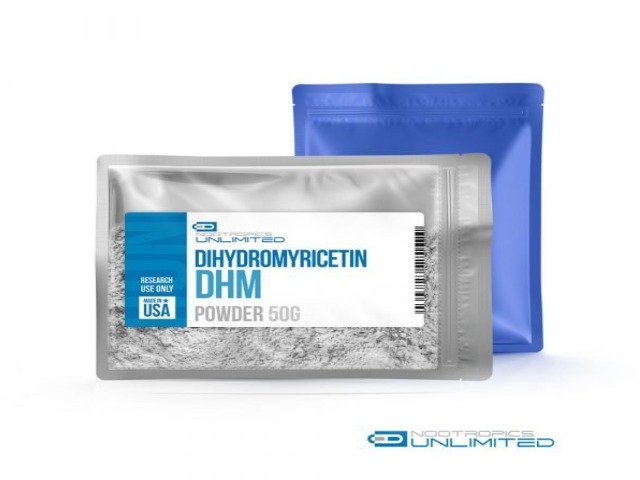
Dihydromyricetin (DHM) – Powder by Nootropics Unlimited
Shop Now →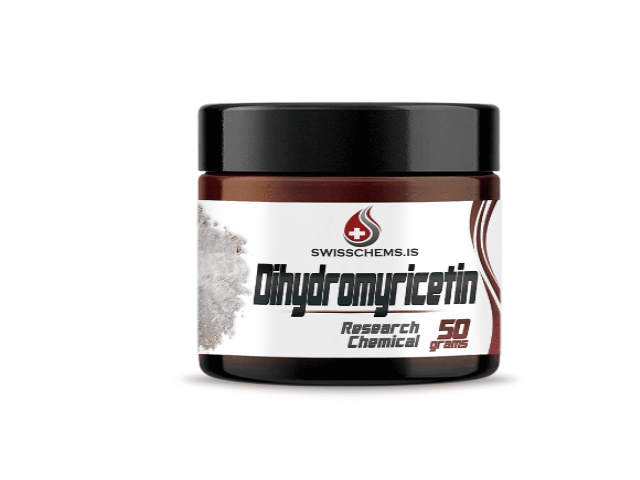
Dihydromyricetin (DHM) – Powder, 50 grams by SwissChem
Shop Now →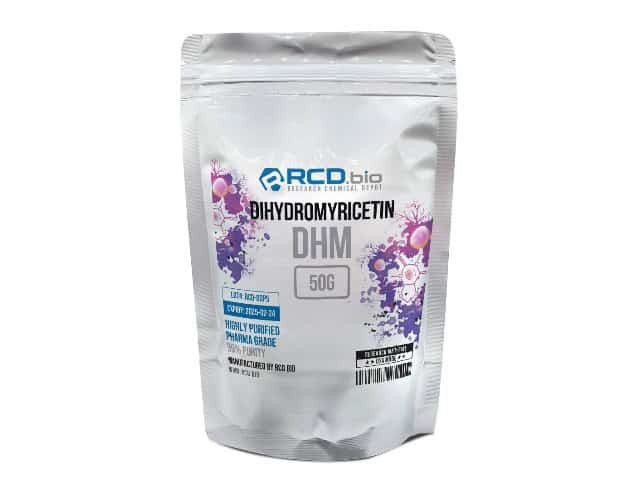
Dihydromyricetin Product from Research Chemical Depot
Shop Now →Disclosure: These are affiliate links. I earn a small commission if you purchase — at no extra cost to you. I only recommend products I personally use or have thoroughly researched.
Research & Studies
This section includes 8 peer-reviewed studies referenced in our analysis.