ADHD is one of the most common reasons people come to Holistic Nootropics looking for answers. The frustration is understandable: an estimated 8-10% of children and 4.4% of adults live with ADHD, and the conventional treatment options — primarily stimulant medications like methylphenidate (Ritalin) and amphetamine salts (Adderall) — work well for many people but come with side effects, tolerance issues, and legitimate concerns about long-term use.
What I’ve found in my practice is that many people with ADHD benefit from a layered approach: foundational lifestyle optimization, targeted nutritional support for dopamine function, and evidence-based nootropic supplements that address the specific neurochemical disruptions underlying their symptoms. For some, this can complement their existing medication and allow dose reduction under medical supervision. For others with milder presentations, it may be sufficient on its own.
The key insight is that ADHD isn’t just “difficulty paying attention” — it’s fundamentally a disorder of dopamine signaling. And once you understand the dopamine connection, you can target it from multiple angles.
The Short Version: Dopamine dysfunction in the prefrontal cortex and striatum drives ADHD’s core symptoms of inattention, hyperactivity, and impulsivity. Lifestyle interventions (exercise, diet, sleep, stress management) form the foundation. The strongest nootropic evidence supports L-Tyrosine as a dopamine precursor under stress, curcumin for neuroprotection, omega-3 fatty acids for receptor support, and vitamin D for tyrosine hydroxylase regulation. Rhodiola rosea and Bacopa monnieri offer complementary adaptogenic and memory-enhancing benefits. Always discuss nootropic supplementation with your prescriber if you’re taking ADHD medication.
The Dopamine-ADHD Connection
The dopamine theory of ADHD is well-established. Decreased dopamine signaling in the prefrontal cortex (responsible for executive function, planning, and impulse control) and the striatum (involved in motivation and reward processing) leads to the hallmark symptoms of inattention and hyperactivity.
Imaging studies consistently show differences in dopamine transporter density and dopamine release patterns in ADHD brains compared to neurotypical controls. This is why stimulant medications work: methylphenidate and amphetamines increase dopamine signaling in precisely these regions. The paradox of stimulants calming ADHD symptoms makes perfect sense when you understand that the stimulation is correcting an existing dopamine deficit, not creating excess stimulation.
For a broader look at natural dopamine support, see our natural ways to boost dopamine guide and our dopamine supplements roundup.
Lifestyle Factors That Impact Dopamine
Before reaching for supplements, get these fundamentals right. They form the foundation that everything else builds on.
Diet and Gut Health
The gut-brain axis is a legitimate dopamine pathway, not a wellness buzzword. Gut bacteria possess enzymes that directly synthesize dopamine from precursors, and the state of your microbiome meaningfully influences brain dopamine availability.
- Eliminate inflammatory foods: Sugar, refined carbohydrates, low-quality fats, and food additives promote neuroinflammation that directly impairs dopamine signaling. Food sensitivities are particularly relevant here — see our gut health and mental health guide.
- Ensure adequate protein: Amino acids like tyrosine and phenylalanine are dopamine precursors. Include quality protein at every meal.
- Support your microbiome: Fermented foods (yogurt, kimchi, sauerkraut), prebiotic fiber, and diverse plant foods feed the beneficial gut bacteria that support neurotransmitter production.
Exercise
If there’s one lifestyle intervention I’d recommend above all others for ADHD, it’s regular high-intensity exercise. A 2023 study found that HIIT increases dopamine D2 receptor binding in the striatum — the exact receptor deficit implicated in ADHD. A 2025 meta-analysis of 57 RCTs confirmed that aerobic exercise increases dopamine release in the nucleus accumbens in a dose-dependent manner. Emerging research also supports music therapy as a complementary non-pharmacological intervention: a 2025 review in Frontiers in Psychology examined the neurocognitive mechanisms of music interventions in ADHD, finding that rhythmic entrainment exercises improve attention and executive function through dopaminergic activation in reward pathways, while instrumental training strengthens auditory processing and working memory.
Aim for 3-4 sessions per week of vigorous exercise: HIIT, running, cycling, or resistance training. Timing matters — morning or early afternoon exercise aligns with circadian dopamine peaks and can provide focus benefits that last into the afternoon.
Sleep
Poor sleep decreases dopamine receptor availability, directly worsening ADHD symptoms. This creates a vicious cycle, since ADHD itself often disrupts sleep. Aim for 7-9 hours nightly, block blue light in the evenings, and establish a consistent schedule. See our best nootropics for sleep guide.
Stress Management
Chronic stress depletes dopamine through sustained cortisol elevation. Adaptogens like ashwagandha and rhodiola help regulate the HPA axis. Daily meditation, time in nature, and deliberate stress-reduction practices aren’t luxuries — they’re neurochemical interventions.
Micronutrient Optimization
Two deficiencies are particularly relevant for ADHD and dopamine:
- Vitamin D: Regulates tyrosine hydroxylase, the rate-limiting enzyme in dopamine synthesis. Low vitamin D is associated with increased ADHD risk and severity. Get your 25(OH)D tested and supplement to reach 40-60 ng/mL.
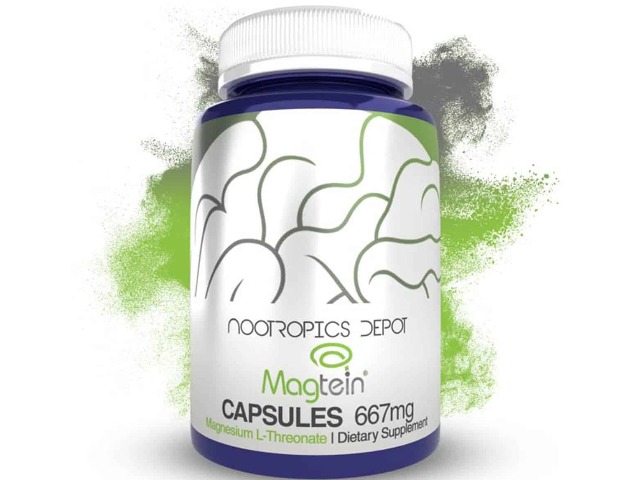
- Magnesium: Involved in over 300 enzymatic reactions including neurotransmitter metabolism. Magnesium L-threonate specifically crosses the blood-brain barrier and supports cognitive function. See our complete magnesium guide.
Best Nootropic Supplements for Dopamine and ADHD
The following supplements have evidence supporting their use for dopamine optimization and ADHD symptom management. They work through different mechanisms, which means strategic combinations can address multiple aspects of dopamine dysfunction simultaneously.
L-Tyrosine
L-Tyrosine is the amino acid building block for dopamine. It’s converted to L-DOPA by tyrosine hydroxylase, then L-DOPA is converted to dopamine. Supplementation has been shown to improve ADHD-relevant cognitive functions including cognitive flexibility and working memory, particularly under conditions of stress and catecholamine depletion. A 2024 clinical trial confirmed that tyrosine supplementation improves response times and decision-making on cognitive tasks while reducing physiological markers of stress.
The important nuance: tyrosine supplementation only enhances dopamine production in neurons that are already actively firing. It doesn’t indiscriminately flood the brain with dopamine. Under stress, sleep deprivation, or cognitive demand — exactly the conditions where ADHD symptoms worsen — tyrosine provides the raw material to maintain dopamine production. N-Acetyl-L-Tyrosine (NALT) demonstrates enhanced solubility and absorption compared to standard L-tyrosine, making it potentially more efficient for daily cognitive support.
Dose: 500mg-2g daily, taken on an empty stomach for better blood-brain barrier transport. Start with 500mg and assess response. See our L-Tyrosine substance page.
Curcumin
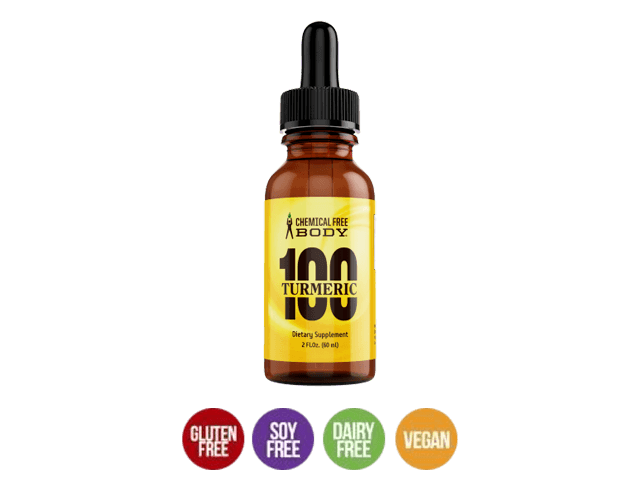
Curcumin, the active compound in turmeric, is a potent anti-inflammatory and neuroprotectant. By controlling neuroinflammation and oxidative stress, curcumin protects dopamine neurons from damage that progressively worsens signaling deficits.
The key challenge is bioavailability — standard curcumin is poorly absorbed. Look for formulations specifically designed to cross the blood-brain barrier: Longvida curcumin is the best-studied for neurological applications. See our curcumin substance page.
Dose: 400-500mg Longvida curcumin daily, or equivalent bioenhanced formulation.
Omega-3 Fatty Acids
Omega-3s (EPA and DHA) support dopamine function by regulating dopamine receptors and transporters and by maintaining healthy neuronal membranes. Children low in omega-3s are significantly more likely to exhibit ADHD symptoms, and supplementation studies show improvements in attention and behavior. International clinical guidelines for nutritional neuroscience now recommend a combination of EPA + DHA at 750mg/day or higher for 16-24 weeks for ADHD symptom management, with the strongest benefits observed in individuals with high baseline inflammation or a low omega-3 index.
DHA specifically comprises 20-30% of brain gray matter phospholipids. For guaranteed adequate intake, an algae-sourced DHA supplement or high-quality fish oil is more reliable than plant-based omega-3s (which require conversion from ALA). See our omega-3 brain health guide.
Dose: 1,000-2,000mg combined EPA/DHA daily (meeting or exceeding the clinical guideline threshold of 750mg/day).
Vitamin D
Beyond its role in tyrosine hydroxylase regulation, vitamin D has direct effects on dopaminergic neuron differentiation and development. Research shows it promotes dopamine neurite outgrowth and enhances dopamine release. Deficiency is extremely common and cheaply correctable.
Dose: 2,000-5,000 IU daily based on blood levels. Get tested first.
Additional Nootropics for ADHD Support
These compounds address ADHD symptoms through complementary mechanisms beyond direct dopamine enhancement.
Rhodiola Rosea
Rhodiola rosea is an adaptogenic herb that modulates catecholamine systems including dopamine. It reduces fatigue, enhances concentration and memory, and helps curb impulsivity — all relevant to ADHD management. The evidence is strongest for cognitive performance under stress conditions.
Dose: 200-400mg standardized extract (3% rosavins, 1% salidroside) daily. See our Rhodiola substance page.
Bacopa Monnieri
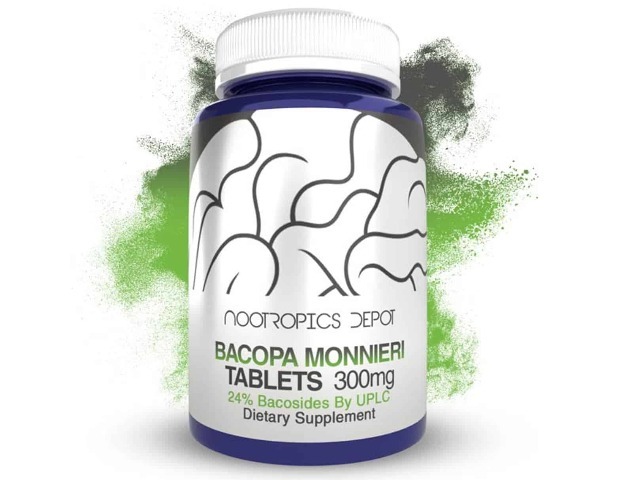
Bacopa monnieri improves attention, memory, and information processing — cognitive functions commonly disrupted in ADHD. It works through acetylcholine modulation, cortisol reduction, and hippocampal support. A 2024 clinical trial demonstrated significant improvements in both memory and cognition skills beginning as early as day 14, with continued gains through day 84. Critically for ADHD management, the study found significant cortisol reduction (days 56 and 84) and increased serum BDNF by day 84 — supporting both the stress-resilience and neuroplasticity pathways relevant to ADHD. A 2025 comprehensive review further noted that Bacopa’s bacosides act as acetylcholinesterase inhibitors, reduce neuroinflammation, and regulate microglial cell activity, with efficacy comparable to donepezil in a 52-week clinical comparison.
Dose: 300mg standardized extract daily (look for Synapsa or KeenMind branded extracts). See our Bacopa substance page.
Lion’s Mane Mushroom
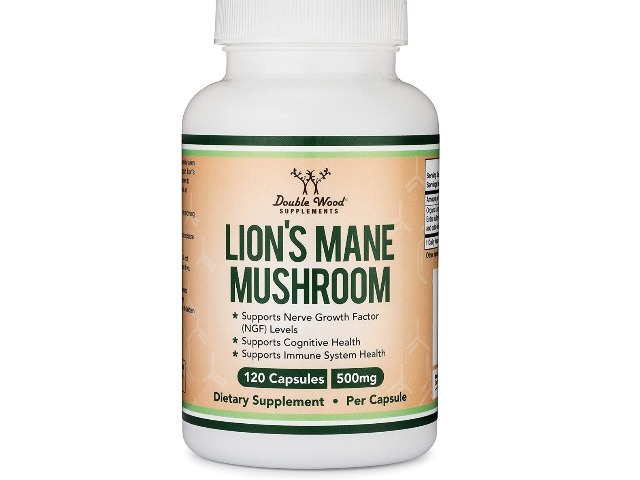
Lion’s Mane supports neurogenesis and nerve growth factor (NGF) production, promoting the structural brain health that underlies sustained cognitive function. While not directly dopaminergic, it supports the neural infrastructure that dopamine operates on. See our Lion’s Mane substance page and our nootropic mushroom guide.
Dose: 500-1,000mg daily of a dual-extract (fruiting body + mycelium).
Ginkgo Biloba
Ginkgo enhances cerebral blood flow and has neuroprotective properties. Studies suggest benefits for ADHD comorbidities like anxiety and forgetfulness. It’s a reasonable addition to a comprehensive stack, though not the most impactful ingredient on its own.
Dose: 120-240mg of a 50:1 concentrated extract daily.
Frequently Asked Questions
How long until I see benefits from ADHD-related nootropics? Allow at least 6-8 weeks for the full picture. Some compounds (L-Tyrosine, Rhodiola) provide noticeable effects within days. Others (Bacopa, Lion’s Mane) build their benefits over months. Lifestyle changes also take consistency and time. Commit to a protocol for 2-3 months before evaluating.
Are nootropics for dopamine and ADHD safe? The supplements discussed here have strong safety profiles when used at recommended doses. However, if you’re taking prescription ADHD medications, discuss any supplementation with your prescriber. Some combinations require monitoring of blood pressure, heart rate, or nutritional status.
Can I take these with Adderall or Ritalin? This is an important question that requires individualized medical guidance. Some nootropics (particularly L-Tyrosine and Mucuna pruriens) affect the same neurotransmitter systems as stimulant medications and should be combined cautiously. Adaptogens may allow dose reduction under medical supervision, but never adjust medication on your own. See our best Adderall alternatives for more on this topic.
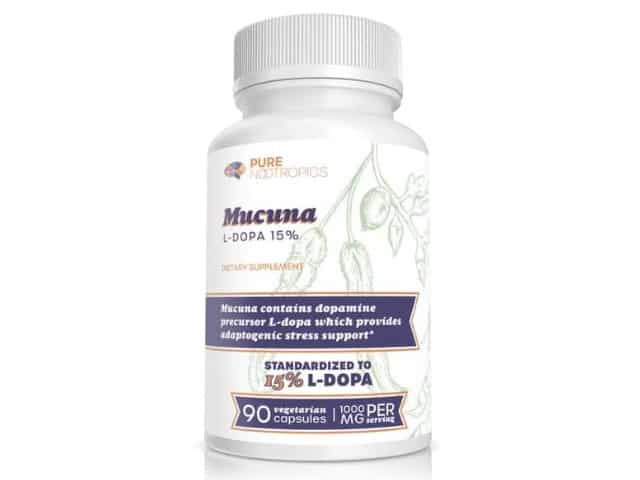
What about Mucuna pruriens for ADHD? Mucuna pruriens contains 5-6% L-DOPA — the direct precursor to dopamine. It’s the most potent natural dopaminergic compound available, which makes it both effective and potentially problematic. I’d reserve it for specific situations rather than daily use, and never combine it with stimulant medications without medical oversight. See our substance page.
Building Your ADHD Support Stack
Here’s how I’d approach a nootropic protocol for ADHD, from foundational to advanced:
Foundation (everyone):
- HIIT or vigorous exercise 3-4x per week
- Protein at every meal (tyrosine and phenylalanine supply)
- 7-9 hours of quality sleep
- Vitamin D (2,000-5,000 IU based on levels)
- Magnesium L-threonate (144mg elemental magnesium daily)
- Omega-3s (1,000-2,000mg EPA/DHA daily)
Level 1 — Dopamine Precursor Support:
- L-Tyrosine (500-2,000mg on demanding days, empty stomach)
- Curcumin (Longvida, 400mg daily) for neuroprotection
Level 2 — Adaptogenic and Cognitive Support:
- Rhodiola rosea (200-400mg daily) for stress resilience and focus
- Bacopa monnieri (300mg daily for 12+ weeks) for memory and attention
- Lion’s Mane (500-1,000mg daily) for neuroplasticity support
Level 3 — Advanced (under medical guidance):
- Mucuna pruriens (standardized L-DOPA, cautious dosing) for acute dopamine support
- Prescription medication adjustment with nootropic integration
The approach is always foundational first, then layered supplementation based on individual response. Everyone’s neurochemistry is different, so introduce one new supplement at a time and give it adequate time to evaluate before adding another.
For our comprehensive ADHD guide covering both nootropics and lifestyle strategies, see our best nootropics for ADHD guide.