
- Immune system support
- Neuroprotection
- Cellular health
- Focus enhancement
I’ll be honest — when I first heard about Thymalin, I filed it under “obscure Russian peptides I’ll probably never try.” It wasn’t available from any vendor I trusted, the research was mostly in journals I couldn’t access, and the whole thing felt like internet folklore from biohacking forums.
Then I started digging into the research on immune-brain communication, and something clicked. The thymus gland — this little organ that shrinks as we age — produces peptides that don’t just regulate immune cells. They influence how our brain handles inflammation, how our cells maintain themselves, and potentially how clearly we think. Thymalin is a concentrated extract of those peptides, and while it’s not your typical nootropic, the mechanism is fascinating.
If you’re someone who’s exhausted the usual suspects (racetams, cholinergics, adaptogens) and you’re curious about peptide bioregulators, this guide will give you the full picture — what Thymalin actually does, what the evidence shows, and whether it’s worth the hassle of tracking down.
The Short Version: Thymalin is a peptide complex extracted from calf thymus tissue that primarily supports immune function but may enhance focus and cognition indirectly through neuroinflammation reduction and cellular maintenance. Typically injected subcutaneously in 5-10 day cycles. Evidence is moderate, mostly from Eastern European research, and practical access is limited in Western markets.
What Is Thymalin? (And Why the Thymus Matters)
Thymalin is a bioregulatory peptide complex derived from the thymus gland of young calves. The thymus is that small, often-overlooked organ sitting behind your sternum that’s absolutely critical for immune system development — it’s where T-cells mature and learn to distinguish between your own cells and foreign invaders.
Here’s the thing most people don’t know: the thymus shrinks dramatically as you age. By age 50, it’s about 15% of its adolescent size. That decline correlates with immune senescence (your immune system getting less effective over time) and potentially with age-related cognitive decline. The hypothesis behind Thymalin is simple — if you can supply the bioactive peptides the thymus produces when it’s young and healthy, you might be able to support immune function and, by extension, brain health.
Thymalin was developed in Russia in the 1980s as an immunomodulator — something to help regulate immune responses in people with compromised immunity or chronic inflammation. It’s been used clinically in Eastern Europe for decades, primarily for immune support during illness, post-surgery recovery, and age-related immune decline. The cognitive angle is newer and less established, but it follows logically from what we now understand about the immune system’s role in brain function.
Reality Check: Thymalin isn’t a plug-and-play nootropic like caffeine or L-theanine. It requires injection, it’s hard to source reliably in the West, and the cognitive benefits are indirect — they come from supporting the underlying systems (immune function, inflammation control) rather than directly tweaking neurotransmitters. If you’re new to nootropics, start elsewhere. If you’ve been at this for a while and you’re specifically interested in peptide bioregulators, keep reading.
How Does Thymalin Work? (The Immune-Brain Connection)
The mechanism here is less direct than something like Alpha-GPC boosting acetylcholine or L-tyrosine providing dopamine precursors. Thymalin works at a more foundational level — it influences immune cell differentiation, gene expression, and inflammatory signaling. The cognitive effects emerge as a downstream consequence.
Here’s the simplified version: chronic low-grade inflammation is one of the most consistent predictors of cognitive decline. When your immune system is constantly activated (due to gut issues, chronic stress, poor sleep, whatever), it produces pro-inflammatory cytokines that cross the blood-brain barrier and activate microglia — the brain’s resident immune cells. Overactive microglia damage neurons, impair synaptic function, and interfere with neurotransmitter production. That’s brain fog in a nutshell.
Thymalin contains short peptides — specifically EW (glutamic acid-tryptophan), KE (lysine-glutamic acid), and EDP (glutamic acid-aspartic acid-proline) — that can bind to DNA promoter regions and influence gene expression in immune cells. A 2023 study in International Journal of Molecular Sciences found that these dipeptides modulate the expression of genes involved in inflammatory cascades and immune cell function, potentially reducing the production of pro-inflammatory cytokines.
Translation: Thymalin helps normalize immune function, which reduces systemic inflammation, which reduces neuroinflammation, which allows your brain to function more efficiently. It’s not a direct nootropic — it’s a systems-level intervention.
There’s also evidence that Thymalin supports mitochondrial health and cellular differentiation. A 2020 study in Bulletin of Experimental Biology and Medicine showed that Thymalin activates differentiation pathways in human hematopoietic stem cells, which may extend to other cell types. Mitochondria are the energy factories of your cells, and neurons are especially dependent on robust mitochondrial function. If Thymalin helps maintain mitochondrial biogenesis (the creation of new mitochondria), that could explain some of its effects on focus and mental energy.
Insider Tip: The immune-brain connection is one of the most underappreciated aspects of cognitive optimization. If you’ve tried every racetam and cholinergic under the sun with disappointing results, the problem might not be neurotransmitter availability — it might be inflammation. Before diving into something as specialized as Thymalin, address the obvious sources: gut health (probiotics, anti-inflammatory diet), sleep quality (magnesium, sleep hygiene), and chronic stress (ashwagandha, adaptogenic support).
Benefits of Thymalin (What the Research Actually Shows)
Let’s be clear about the evidence quality here — most Thymalin research comes from Russian and Eastern European institutions, often published in journals that aren’t as widely indexed in Western databases. That doesn’t mean it’s invalid, but it does mean we have less replication from independent labs and fewer large-scale human trials. The evidence is moderate, not strong.
Immune System Modulation
This is the best-established effect. A 1993 study in International Journal of Immunopharmacology (technically on a related thymic peptide preparation) showed enhanced immune responses in mice, including improved T-cell differentiation and antibody production. The 2020 human hematopoietic stem cell study mentioned earlier supports this — Thymalin appears to influence how immune cells develop and function.
Practical relevance: If you’re someone who gets sick frequently, recovers slowly from illness, or has signs of immune dysfunction (autoimmune flares, chronic low-grade infections), this is the most direct benefit. The cognitive angle is secondary.
Focus and Attention
This is where things get more speculative. The research brief lists “Focus & Attention” as a cognitive benefit with moderate evidence, but when you dig into the studies, the mechanism is indirect — through neuroinflammation reduction and cellular health support, not through direct neurotransmitter modulation.
There are anecdotal reports from users (mostly on biohacking forums and peptide communities) of improved mental clarity and sustained attention during Thymalin cycles. The hypothesis is that reducing neuroinflammation allows for better signal-to-noise ratio in neural processing — less background interference from inflammatory cytokines, better synaptic function, more efficient cognition.
Evidence quality verdict: Mechanistically plausible, supported by indirect pathways (inflammation → cognition), but no direct human RCTs measuring cognitive outcomes like working memory or reaction time. The 2023 IJMS study on gene expression and COVID-19 pathogenesis suggests Thymalin influences pathways relevant to brain health, but that’s not the same as proving it improves focus in healthy adults.
Neuroprotection and Cellular Maintenance
This is where the long-term potential is most interesting. The 2020 stem cell study and the 2023 gene expression study both point to Thymalin’s role in cellular differentiation and maintenance. If the peptide complex supports mitochondrial health, reduces oxidative stress, and helps cells maintain proper function over time, the cumulative effect could be neuroprotective — slowing age-related cognitive decline rather than providing an acute cognitive boost.
The catch: This is preventative and long-term. You’re not going to feel sharper 30 minutes after an injection the way you would with modafinil or phenylpiracetam. The benefits accrue slowly, and they’re hardest to measure in healthy, young individuals who aren’t already experiencing decline.
| Benefit | Evidence Level | Key Research | Practical Expectation |
|---|---|---|---|
| Immune support | Strong (human + animal) | Khavinson et al. 2020 | Noticeable during illness/recovery |
| Focus/attention | Moderate (mechanistic) | Linkova et al. 2023 | Subtle, indirect, variable |
| Neuroprotection | Preliminary (cellular) | Multiple stem cell studies | Long-term, hard to measure acutely |
| Mitochondrial health | Preliminary (inferred) | Stem cell differentiation data | Theoretical, needs direct testing |
Reality Check: If you’re looking for an immediate, noticeable cognitive boost, Thymalin is not the right tool. It’s more like Lion’s Mane or Bacopa Monnieri — something you take consistently for weeks or months to support underlying brain health, with the expectation that benefits emerge gradually. If that’s not your style, stick with acute-acting nootropics like caffeine + L-theanine or racetams.
How to Take Thymalin (Without Wasting Your Money)
Here’s where Thymalin gets logistically complicated. It’s typically not available as an oral supplement — the peptides would be broken down in the digestive tract. The standard administration route is subcutaneous injection, which means you need to source it from a peptide vendor, store it properly (refrigerated), and be comfortable with injections.
Dosage
Typical protocols I’ve seen in the research and anecdotal reports:
- Standard dose: 5-10mg per injection
- Frequency: Daily for 5-10 consecutive days
- Cycling: Off for 2-4 weeks before repeating
Some users report doing longer cycles (up to 20 days), but the most common pattern is short bursts followed by extended breaks. The idea is to provide a pulse of immune support and cellular signaling, then let the body respond on its own.
Timing and Administration
- Time of day: Morning or early afternoon, since there are anecdotal reports of mild immune activation (slight fatigue, low-grade “fighting something off” feeling) in the first few days. Taking it later in the day might interfere with sleep.
- Injection site: Subcutaneous (just under the skin) in the abdomen or thigh. Rotate sites to avoid irritation.
- Reconstitution: Thymalin typically comes as a lyophilized (freeze-dried) powder that you reconstitute with bacteriostatic water. Once reconstituted, store in the refrigerator and use within 30 days.
| Protocol | Dosage | Duration | Timing | Best For |
|---|---|---|---|---|
| Standard cycle | 5-10mg | 5-10 days on, 2-4 weeks off | Morning | General immune support |
| Extended cycle | 10mg | 10-20 days on, 4 weeks off | Morning | Recovery from illness, post-surgery |
| Maintenance | 5mg | 5 days on, 3 weeks off | Morning | Long-term cellular health |
Starting Protocol
If you’ve never used Thymalin before:
- Start at 5mg for the first cycle to assess tolerance
- Run for 5-7 days, not the full 10, to see how you respond
- Pay attention to immune activation signs — mild fatigue, slight achiness, feeling like you’re “fighting something off” are common in the first 2-3 days and usually resolve
- Take a 3-4 week break before your second cycle
- Adjust dose and duration based on how you felt
Pro Tip: Keep a log during your first cycle. Note energy levels, mental clarity, any immune activation symptoms, and how you feel during the off-weeks. Thymalin’s effects are subtle enough that they’re easy to miss or misattribute without tracking. If you don’t notice anything after 2-3 cycles, it’s probably not the right tool for you.
Side Effects & Safety (What Could Go Wrong)
Thymalin is generally well-tolerated, especially compared to more aggressive immune modulators or pharmaceutical interventions. But “generally well-tolerated” doesn’t mean “side-effect-free.”
Common Side Effects
- Injection site reactions: Redness, mild swelling, tenderness at the injection site. Rotating sites and proper injection technique minimize this.
- Immune activation symptoms: Mild fatigue, slight achiness, low-grade feeling of malaise in the first 2-3 days of a cycle. This is actually a sign the peptide is doing something — your immune system is responding. It usually resolves quickly.
- Mild headaches: Occasionally reported, mechanism unclear, usually transient.
Who Should Avoid Thymalin
- Anyone with autoimmune conditions: Thymalin modulates immune function, and while it’s generally regulatory (not just stimulating), there’s a theoretical risk of triggering autoimmune flares. If you have lupus, rheumatoid arthritis, MS, or similar conditions, proceed with extreme caution and only under medical supervision.
- People on immunosuppressants: If you’re taking drugs to suppress immune function (post-transplant, autoimmune management), adding an immune modulator is a bad idea.
- Pregnant or nursing women: No safety data. Avoid.
Drug Interactions
| Medication/Substance | Interaction Type | Risk Level | Notes |
|---|---|---|---|
| Immunosuppressants (tacrolimus, cyclosporine) | Counteractive | High | May reduce effectiveness of immunosuppressive therapy |
| Corticosteroids | Immune modulation | Moderate | Effects may be unpredictable; consult physician |
| Biologics for autoimmune (Humira, Enbrel) | Immune modulation | Moderate-High | Risk of immune dysregulation |
| Other peptides (BPC-157, TB-500) | Synergistic | Low | Often stacked, but effects not well-studied |
Important: The safety profile of Thymalin in Western populations is not as well-documented as more mainstream supplements. Most clinical use has been in Eastern Europe and Russia. If you have any chronic health conditions, are on medications, or have a history of immune dysfunction, consult a physician who understands peptide therapy before experimenting with Thymalin.
Stacking Thymalin (The Combinations That Actually Work)
Thymalin isn’t typically stacked for acute cognitive enhancement the way you’d stack caffeine + L-theanine + Alpha-GPC for a focused work session. It’s more often combined with other peptides or foundational supplements as part of a broader health optimization or recovery protocol.
For Immune Support + Cognitive Longevity
This is the most logical use case — supporting immune-brain health over the long term.
- Thymalin: 5-10mg daily for 5-10 days, cycled monthly
- Lion’s Mane: 500-1000mg daily (for NGF support and neurogenesis)
- Bacopa Monnieri: 300mg daily (for long-term memory and neuroprotection)
- NAD+ precursor (NR or NMN): 250-500mg daily (for mitochondrial health)
Rationale: You’re supporting multiple aspects of cellular and brain health — immune modulation (Thymalin), neurogenesis (Lion’s Mane), synaptic plasticity (Bacopa), and mitochondrial function (NAD+ precursor). This is a marathon stack, not a sprint.
For Post-Illness or Stress Recovery
If you’ve been sick, burned out, or under chronic stress, this stack focuses on rebuilding resilience.
- Thymalin: 10mg daily for 7-10 days
- BPC-157: 250-500mcg daily (for tissue repair and gut health)
- Ashwagandha: 300-600mg daily (for HPA axis regulation and stress resilience)
- Magnesium glycinate: 300-400mg before bed (for nervous system recovery and sleep)
Rationale: Thymalin handles immune recovery, BPC-157 supports gut and tissue repair (often compromised during illness), ashwagandha helps reset your stress response, and magnesium ensures you’re actually sleeping well enough to recover.
For Anti-Aging and Cellular Maintenance
This is speculative but mechanistically coherent — combining peptides and compounds that support cellular health, DNA repair, and longevity pathways.
- Thymalin: 5mg daily for 5-7 days, cycled every 3-4 weeks
- Epitalon: 10mg per cycle (for telomere maintenance, often cycled similarly)
- Resveratrol: 500mg daily (for SIRT1 activation)
- Coenzyme Q10: 100-200mg daily (for mitochondrial support)
Rationale: This is the “biohacker longevity stack” — you’re targeting immune health, telomere maintenance, mitochondrial function, and cellular stress resistance. Effects are long-term and hard to measure subjectively.
What NOT to Combine
- Immune stimulants during active autoimmune flares: Don’t stack Thymalin with things like high-dose Echinacea or other strong immune stimulants if you have autoimmune tendencies.
- Excessive immune modulators at once: Combining Thymalin with multiple other immune-active peptides (Thymosin Alpha-1, LL-37) without medical guidance is asking for unpredictable immune responses.
| Stack Goal | Core Combo | Timing | Expected Outcome |
|---|---|---|---|
| Cognitive longevity | Thymalin + Lion’s Mane + Bacopa + NAD+ precursor | Thymalin cycled monthly, others daily | Long-term brain health, gradual improvements over 3-6 months |
| Recovery from illness | Thymalin + BPC-157 + Ashwagandha + Magnesium | Thymalin for 7-10 days, others ongoing | Faster immune recovery, reduced fatigue, better stress resilience |
| Anti-aging protocol | Thymalin + Epitalon + Resveratrol + CoQ10 | Both peptides cycled, others daily | Cellular health support, theoretical longevity benefits |
My Take
I’ll be honest — Thymalin sits in that category of “fascinating but not practical for most people.” The mechanism is compelling, the immune-brain connection is real and underappreciated, and if you’re someone who’s already deep into peptide experimentation, it’s worth a cycle or two to see how you respond.
But for the average person trying to improve focus, energy, or cognitive performance, Thymalin is overkill. It requires injection, it’s hard to source reliably from reputable vendors, the cognitive benefits are indirect and subtle, and you’re not going to feel anything acutely. If you haven’t already dialed in your sleep, nutrition, gut health, and stress management, Thymalin is a distraction.
Who should consider Thymalin:
- People with chronic immune dysfunction or frequent illness who want to support immune resilience
- Biohackers already using peptides like BPC-157, Epitalon, or Thymosin Alpha-1 and looking to add immune-brain support
- Older adults (50+) interested in peptide bioregulators for age-related cognitive and immune decline
- People who’ve exhausted the standard nootropic stack and are specifically curious about neuroinflammation as a cognitive bottleneck
Who should try something else:
- Anyone new to nootropics — start with Lion’s Mane, Bacopa, or Rhodiola instead
- People looking for acute cognitive boosts — try caffeine + L-theanine, Alpha-GPC, or racetams
- Anyone uncomfortable with injections or unable to source peptides from reputable vendors
- People with autoimmune conditions or on immunosuppressive therapy — the risk/benefit doesn’t make sense
If I were building a long-term cognitive optimization protocol and had access to reliable peptide sources, I’d consider running a Thymalin cycle every few months as part of a broader cellular health strategy — alongside things like NMN, Lion’s Mane, and magnesium threonate. But I wouldn’t start there, and I wouldn’t expect dramatic results.
The real value of Thymalin, if there is one, is preventative and foundational — the kind of thing you might look back on in 20 years and think “I’m glad I supported my immune and cellular health when I was younger.” But that’s a very different proposition than “take this and think more clearly tomorrow.”
Recommended Thymalin Products
I know how frustrating it is to sort through dozens of brands making the same claims. These are the ones I've personally vetted — because quality is the difference between results and wasted money.
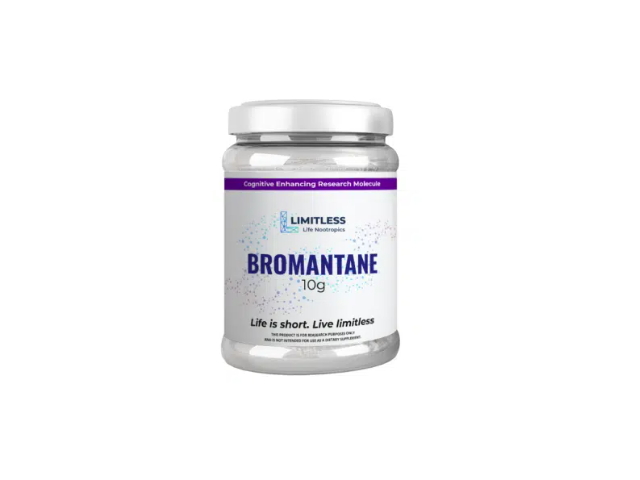
Disclosure: These are affiliate links. I earn a small commission if you purchase — at no extra cost to you. I only recommend products I personally use or have thoroughly researched.
Research & Studies
This section includes 3 peer-reviewed studies referenced in our analysis.