
If you’ve ever wondered why some people thrive under pressure while others crumble, or why caffeine makes certain people anxious and others laser-focused, the COMT gene is a major piece of that puzzle. It’s one of the most actionable genetic variants you can know about — because once you understand your COMT status, you can tailor your nootropic strategy, diet, and stress management approach to work with your neurochemistry rather than against it.
I first got interested in COMT when I received my 23andMe results and saw that I carry the “worrier” variant. It explained a lot about my tendency toward overthinking and stress sensitivity — and it directly informed how I built my personal nootropic stack. Understanding your COMT status is one of the most valuable things you can do for targeted cognitive optimization.
The Short Version: The COMT gene codes for an enzyme that clears dopamine and norepinephrine from the prefrontal cortex. The “warrior” variant (Val/Val) clears these neurotransmitters fast, resulting in lower dopamine levels — better stress tolerance but potential issues with focus and memory. The “worrier” variant (Met/Met) clears them slowly, resulting in higher dopamine — excellent executive function under normal conditions but greater vulnerability to anxiety and stress. Most people are heterozygous (Val/Met) and fall somewhere in between. You can’t change your genotype, but you can optimize your supplements and lifestyle around it. Warriors benefit from L-tyrosine and dopamine-supportive strategies. Worriers benefit from magnesium, L-theanine, adaptogens, and stress resilience practices.
What the COMT Gene Actually Does
The COMT gene provides the blueprint for an enzyme called catechol-O-methyltransferase. Think of this enzyme as a neurochemical housekeeper — it cleans up used neurotransmitters like dopamine and norepinephrine from the synaptic cleft in the prefrontal cortex, the brain region responsible for executive function, working memory, and decision-making.
These neurotransmitters are essential for brain cell communication. Dopamine fine-tunes mood, motivation, reward processing, and motor control. Norepinephrine drives alertness, arousal, and focused attention. Both need to be present in the right amounts at the right times.
Too much buildup and brain signaling goes haywire — you get anxiety, overthinking, and emotional reactivity. Too little and cognition bogs down — you get brain fog, low motivation, and difficulty sustaining attention. The COMT enzyme is what maintains that balance, and its efficiency varies significantly based on your genetic variant.
Warrior vs. Worrier: The Two COMT Profiles
The most studied COMT variation is the Val158Met polymorphism, a single nucleotide change that produces enzymes with dramatically different activity levels.
The Warrior (Val/Val)
Warriors produce COMT enzymes that work fast — roughly 3-4 times faster than the worrier variant. This rapid clearance means:
- Lower baseline dopamine and norepinephrine in the prefrontal cortex
- Better stress tolerance: Under pressure, warriors maintain cognitive function because their brains don’t flood with excess catecholamines
- Potential downsides: Lower baseline dopamine is associated with reduced working memory capacity, weaker sustained attention, and slightly elevated risk for conditions like ADHD and schizophrenia
Warriors tend to be action-oriented, calm under fire, and less prone to rumination. But they may struggle with tasks requiring sustained focus, detailed memory work, or intrinsic motivation when stakes are low. A major 2024 study published in Pain examining 294 fibromyalgia patients and 209 healthy controls found that carrying the Val/Val genotype was associated with a 2-fold higher risk of developing fibromyalgia compared to Met/Met carriers — suggesting that the warrior variant’s lower baseline dopamine may extend its vulnerability beyond cognition into pain processing and central sensitization.
The Worrier (Met/Met)
Worriers produce COMT enzymes that work slowly, allowing dopamine and norepinephrine to linger in the synapse longer. This means:
- Higher baseline dopamine and norepinephrine in the prefrontal cortex
- Superior executive function: Under normal conditions, worriers excel at planning, complex reasoning, verbal fluency, and working memory
- Greater stress vulnerability: When stress adds more catecholamines to already-elevated baseline levels, the system can overload, leading to anxiety, rumination, and emotional reactivity
Worriers tend to be excellent planners and detail-oriented thinkers, but they’re more susceptible to anxiety, depression, and feeling overwhelmed under pressure.
The Middle Ground (Val/Met)
Most people carry one copy of each variant (heterozygous). This produces intermediate COMT enzyme activity — a balance between the warrior’s stress resilience and the worrier’s cognitive advantages. If you’re Val/Met, you have flexibility to benefit from strategies designed for either profile, depending on what you’re currently struggling with.
How to Discover Your COMT Status
Consumer genetic testing services like 23andMe, AncestryDNA, and SelfDecode will identify your COMT Val158Met genotype. You can also upload raw genetic data to services like Genetic Genie or NutraHacker for free or low-cost COMT analysis.
Once you know your status, you can make genuinely informed decisions about which nootropics, supplements, and lifestyle strategies will work best for your unique neurochemistry.
Optimizing for Warriors (Val/Val)
If you’re a warrior with fast COMT and lower baseline dopamine, your optimization targets are:
Boost Dopamine Availability
- L-Tyrosine: The direct precursor to dopamine. Warriors benefit from supplemental tyrosine more than worriers because their faster clearance creates a genuine supply bottleneck under demand. 500mg-2g before demanding cognitive work.
- Mucuna pruriens: Contains L-DOPA, which converts directly to dopamine. Use cautiously and not daily.
- Adequate protein: Dietary protein provides the amino acid building blocks for dopamine synthesis. Aim for 0.7-1g per pound of body weight.
Support Focus and Memory
- Alpha-GPC: 300-600mg daily to support acetylcholine, which works synergistically with dopamine in attention circuits. See our cholinergics guide.
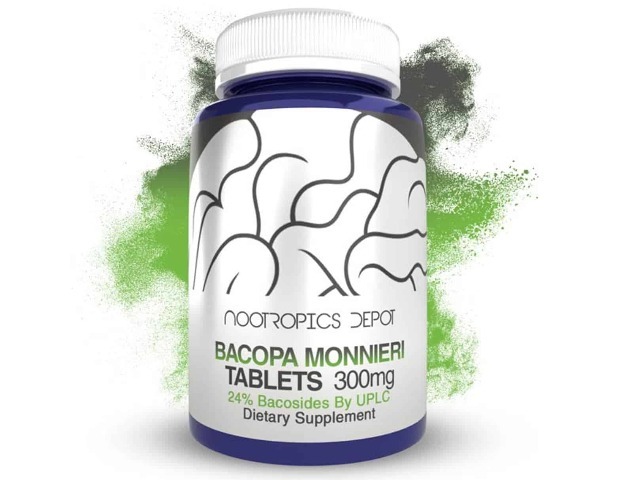
- Bacopa monnieri: 300mg standardized extract daily. Its memory-building effects are particularly valuable for warriors who may struggle with memory consolidation.
- Brain training and cognitive stimulation: Warriors benefit from activities that challenge focus and memory, building compensatory neural pathways.
Lifestyle Strategies
- High-intensity exercise: HIIT and resistance training increase dopamine D2 receptor expression — particularly important for warriors with lower baseline dopamine.
- Blood sugar management: Stable glucose prevents the cognitive dips that hit warriors harder due to their lower dopamine reserves. Consider monitoring with a CGM.
- Morning sunlight: Vitamin D upregulates tyrosine hydroxylase, the rate-limiting enzyme in dopamine synthesis.
Optimizing for Worriers (Met/Met)
If you’re a worrier with slow COMT and higher baseline dopamine, your optimization targets are stress resilience and preventing catecholamine overload.
Calm the Excess
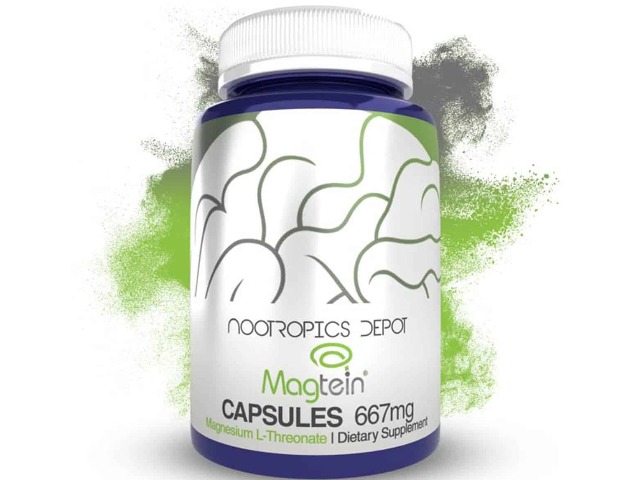
- Magnesium L-threonate: The only magnesium form shown to cross the blood-brain barrier. Supports GABA signaling and reduces excitatory neurotransmission. 200mg elemental magnesium before bed.
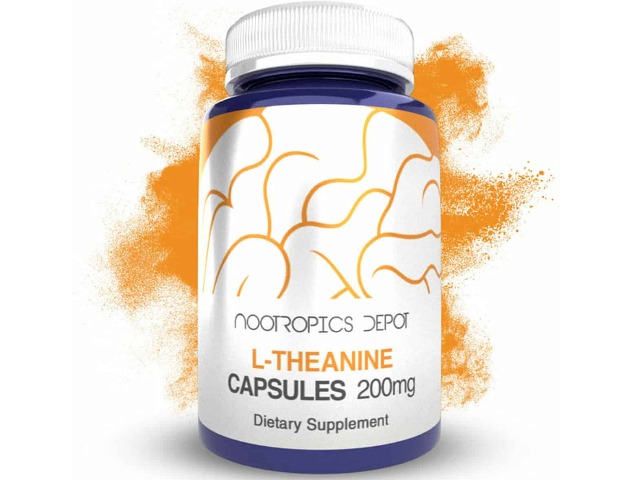
- L-Theanine: 100-200mg promotes alpha brain waves and calm focus without sedation. Particularly effective at preventing the anxious edge that worriers experience from caffeine.
- GABA: Supplemental GABA can help offset the excitatory effects of elevated catecholamines. See our GABA optimization guide.
Build Stress Resilience
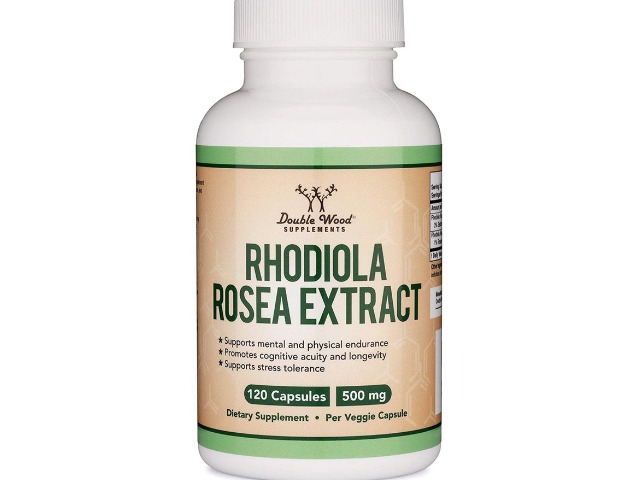
- Rhodiola rosea: An adaptogen that modulates the HPA stress axis and catecholamine response. Helps worriers maintain cognitive function under pressure instead of crumbling.
- Ashwagandha: Reduces cortisol and moderates the stress response. Particularly helpful for worriers prone to chronic stress and rumination.
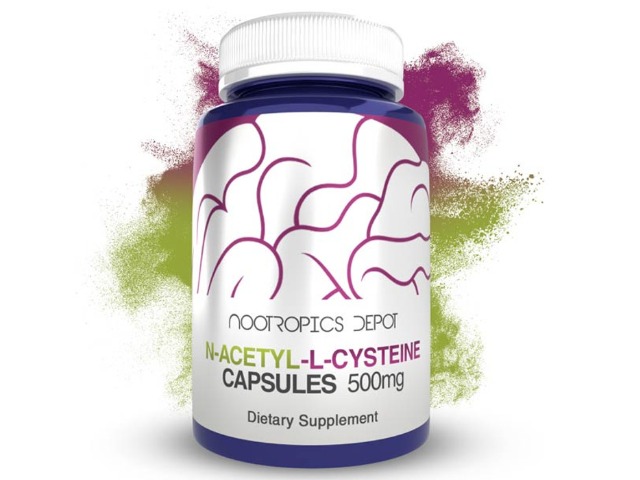
- N-Acetylcysteine (NAC): Supports glutathione production and modulates glutamate, helping balance excitatory neurotransmission that can run high in worriers.
Lifestyle Strategies
- Meditation and breathwork: Breathing exercises that activate the vagus nerve directly counteract the sympathetic nervous system overdrive that worriers are prone to.
- B vitamins: COMT is a methylation-dependent enzyme that requires methyl donors (particularly SAMe, which derives from B12 and folate pathways). Ensuring adequate B vitamin status supports whatever COMT activity you have.
- Moderate caffeine: Worriers are more sensitive to caffeine’s catecholamine-boosting effects. If you drink coffee, pair it with L-theanine to smooth the response, and avoid afternoon consumption.
- Prioritize sleep: Poor sleep elevates catecholamines, compounding the worrier’s baseline excess. See our sleep optimization guide.
COMT and Mental Health Conditions
COMT status doesn’t determine mental health outcomes, but it does influence susceptibility:
- Anxiety and depression: The worrier variant is associated with higher odds of stress reactivity, generalized anxiety, and depressive episodes — likely due to chronic dopamine and norepinephrine elevation in the prefrontal cortex. The same 2024 Pain study confirmed that Met/Met women with fibromyalgia showed significantly higher disability, depression, and anxiety scores than Val carriers — though interestingly, their pressure pain thresholds were similar, suggesting the Met/Met variant specifically amplifies psychological rather than sensory pain dimensions.
- ADHD: The warrior variant’s lower dopamine levels align with the dopamine deficiency model of attention disorders, though many factors beyond genetics contribute.
- Addictive behaviors: Worriers show higher predisposition to addictive patterns, potentially because elevated dopamine creates stronger reward sensitivity. See our addiction recovery nootropics guide.
- OCD and PTSD: Both COMT variants play roles in these conditions through different mechanisms — warriors through inadequate prefrontal dopamine signaling, worriers through excessive stress-mediated catecholamine flooding.
COMT in the Bigger Picture
COMT is one gene among many that influence your cognitive style. It doesn’t operate in isolation — it interacts with MAO genes (which break down serotonin and dopamine through a different pathway), MTHFR (which affects methylation and therefore COMT’s methyl donor supply), and dozens of other variants.
Understanding your COMT status is a starting point, not the whole picture. I recommend combining genetic knowledge with functional testing, careful self-experimentation with nootropics, and attention to how your body actually responds to different interventions. Encouragingly, pharmacogenomic research is advancing rapidly in this area. A 2024 review of 25 studies in The Pharmacogenomics Journal found strong evidence that COMT Val158Met status moderates responses to antipsychotics (D2-receptor-targeting drugs) and mixed evidence for stimulants and COMT inhibitors (D1-receptor-targeting drugs) — suggesting that genotype-guided prescribing for cognitive optimization is moving from theoretical to practical. A 2024 study in Frontiers in Molecular Neuroscience also demonstrated that COMT Val158Met modulates reward system neurodynamics during pain processing, further establishing this polymorphism as a key variable in personalized medicine approaches to both cognition and pain.
My Approach as a Worrier
As someone with the Met/Met (worrier) variant, here’s how I’ve tailored my approach:
- Daily: L-theanine (200mg) with my morning coffee, magnesium L-threonate before bed, Bacopa monnieri (300mg) with dinner
- Stress periods: Rhodiola rosea (300mg) in the morning, extra emphasis on meditation and breathwork
- What I avoid: High-dose stimulants, excessive caffeine after noon, dopamine-boosting supplements (I already have plenty of dopamine — adding more creates anxiety, not focus)
The most important insight from understanding my COMT status was learning that my anxiety wasn’t a character flaw — it was neurochemistry. That reframing, combined with targeted interventions, made a meaningful difference in both my cognitive performance and my quality of life.
The Takeaway
Your COMT gene variant is one of the most actionable pieces of genetic information available today. Whether you’re a warrior who needs dopamine support, a worrier who needs stress resilience, or somewhere in between, knowing your status lets you build a nootropic strategy that works with your brain’s natural wiring rather than against it.
You can’t change your genes, but you absolutely can optimize around them. That’s what personalized cognitive enhancement is all about.