Sleep & Recovery
Start Here
Sleep is when your brain takes out the trash. Skip it, and the trash piles up.
Evidence-based supplements and habits for deeper sleep, faster recovery, and optimal circadian health.
12+ Substances
8+ Articles
16+ Media
2 Stacks
Sleep isn't just rest — it's active maintenance. Your brain consolidates memories, clears metabolic waste via the glymphatic system, and rebalances neurotransmitters. Every. Single. Night. Poor sleep doesn't just make you tired; it actively degrades every other cognitive function you care about. Yet most "sleep supplements" only help you fall asleep. They do nothing for sleep quality.
Why This Matters
- One bad night reduces cognitive performance by 20–30%. And it stacks — chronic poor sleep is cumulative cognitive debt with interest.
- Deep sleep is when BDNF peaks, memories consolidate, and cellular repair happens. Miss it, and your brain literally can't do its maintenance cycle.
- Chronic poor sleep is linked to accelerated cognitive aging, higher Alzheimer's risk, and metabolic dysfunction. This isn't just about feeling rested.
What Most People Get Wrong
- Taking 5–10 mg melatonin like a sleeping pill — melatonin is a circadian signal, not a sedative. More isn't better. Optimal dose is 0.3–0.5 mg. Yes, really.
- Ignoring sleep architecture — falling asleep isn't the goal. Getting enough deep sleep and REM is. You can sleep 8 hours and still wake up trashed if your sleep stages are wrong.
- Using alcohol or Benadryl to "help" sleep — both suppress REM sleep. You feel "knocked out" but wake up less restored. It's fake sleep.
Recommended Starting Point
New Here? Start With These
Three essential reads to understand the foundations before diving deeper.
1 Substance Guide
Magnesium Glycinate
The single most impactful sleep supplement for most people. Glycinate form is calming, absorbs well, and supports both falling asleep and staying in deep sleep. No grogginess the next morning. This is the one.
Explore substance → 2 ArticleBest Nootropics for Sleep
A comprehensive guide to supplements, timing protocols, and lifestyle changes that improve sleep quality — not just sleep quantity. Because 8 hours of garbage sleep is still garbage sleep.
Read article → 3 Substance GuideGlycine
An amino acid that lowers core body temperature and enhances deep sleep. Research shows 3g before bed improves both sleep quality and next-day cognitive performance. Cheap, effective, underrated.
Explore substance → Curated Combinations
Recommended Stacks
Ready-to-use combinations of complementary substances — with dosages, timing, and the science behind why they work together.
beginner
Sleep Quality Stack
Targets the three most common sleep quality killers: mineral deficiency, core temperature, and circadian signaling. Simple, effective, no grogginess.
Magnesium Glycinate 300–400 mg elemental
60 min before bed Supports GABA activity and muscle relaxation — the "calm down" mineral
Glycine 3 g
30–60 min before bed Lowers core body temperature — a key trigger for deep sleep
Melatonin (micro-dose) 0.3–0.5 mg
30 min before bed Less is more. Physiological doses work better than the 10mg horse pills at CVS.
Faster sleep onsetDeeper sleepBetter next-day cognition
Why This Works
Magnesium relaxes your nervous system and muscles. Glycine drops your core temperature, which is one of the main triggers for deep sleep. Micro-dose melatonin resets the circadian signal without the grogginess of pharmacy-grade megadoses. Three mechanisms, zero overlap.
Waking up groggy? Your melatonin dose is too high. Drop to 0.3 mg or skip it — the magnesium and glycine might be all you need.
advanced
Deep Recovery
For people who fall asleep fine but wake up feeling like they didn't sleep at all. Targets deep sleep percentage and overnight recovery.
Magnesium Glycinate 400 mg
Evening
Glycine 3 g
Before bed
Ashwagandha 300 mg
Evening Lowers the cortisol that fragments your sleep — especially if you're a stressed sleeper
L-Theanine 200 mg
Before bed Promotes alpha-wave activity — smooths the transition from "brain won't shut up" to actual sleep
More deep sleepOvernight recoveryActually waking up refreshed
Why This Works
Ashwagandha targets the cortisol that's fragmenting your sleep (stressed people have elevated cortisol at night — it literally wakes you up). L-Theanine promotes the alpha-to-theta brainwave transition. Combined with magnesium + glycine, you're covering all phases of the sleep cycle.
Free Video Course 
Want a guided path instead of piecing it together yourself?
Erik Abramowitz, FNTP (Functional Nutritional Therapy Practitioner) built the Nootropics Prime Starter Course — 14 video lessons covering the foundations most people skip: digestion, nutrient absorption, blood sugar, detox, and how to build a stack that works for your brain chemistry. Not a generic protocol. A personalized approach from someone who's tested everything on this site.
100% free with email signup
14 video lessons
Diet + lifestyle + supplements
Start the Free Course
Skip the Stack-Building
Pre-Made Options
Don't want to buy 4 bottles and play supplement scientist? These combine the right ingredients for you.
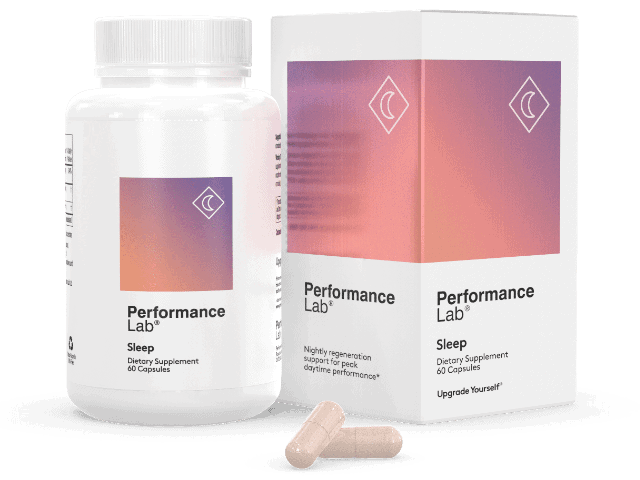
Sleep by Performance Lab
Magnesium Glycinate + L-Tryptophan in a clean formula — targets both falling asleep AND staying in deep sleep. Purpose-built for the job.
Best for:People who want a dedicated sleep supplement that actually addresses sleep architecture, not just sedation
3 Month Supply + 1 Box FREE (4 Boxes)Shop Now →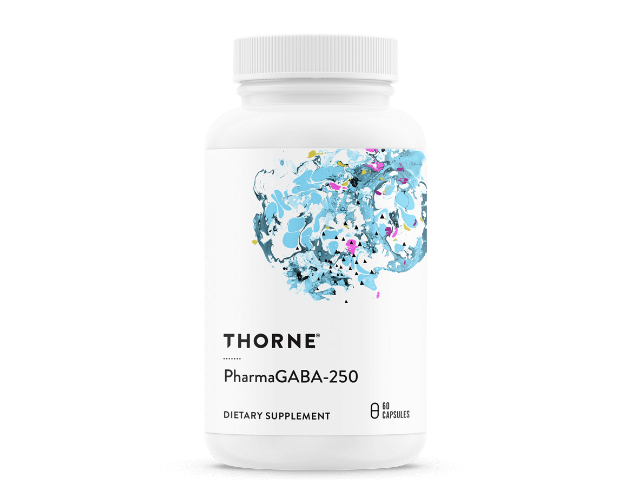
GABA Supplement by Thorne Research
Clinical-grade GABA from Thorne — the inhibitory neurotransmitter your racing brain needs at night. Clean, simple, NSF Certified.
Best for:People whose brain won't shut up at bedtime (the "thinking about thinking" problem)
Use code holisticnootropics10 for 10% off entire orderShop Now → Beyond Supplements
Other Things That Actually Work
Not everything comes in a capsule. These lifestyle and biohacking tools have real data behind them — and some are free.
Blue Light Blocking
Blue light after sunset suppresses melatonin. Block it and your body remembers how to feel sleepy.
Blue light (screens, overhead LEDs) tells your brain it's daytime. Blocking it 2-3 hours before bed allows natural melatonin production to ramp up. This is the free version of "taking melatonin."
Shop VivaRays →Sauna (Evening)
Sauna 2-3 hours before bed triggers a core temperature drop that promotes deep sleep onset.
Your body needs to drop ~1°C in core temperature to initiate sleep. Heat exposure followed by cooling triggers this rebound effect. Finnish research links regular sauna use to improved sleep quality.
Shop Faraday Infrared Sauna →Cold Exposure (Morning Only)
Morning cold exposure raises cortisol and dopamine when you want them — and improves sleep that night.
Counterintuitive, but morning cold exposure helps sleep by raising cortisol at the right time and improving overall circadian rhythm. Just don't do it within 3 hours of bedtime.
Shop Plunge →Temperature-Controlled Sleep
Your body needs to drop ~1°C to fall asleep. A cooling mattress does this automatically, all night.
Eight Sleep's Pod cover tracks your sleep stages and adjusts mattress temperature throughout the night — cooling you for deep sleep, warming you for morning wake-up. It's the hardware version of what glycine does chemically.
Neural Retraining (DNRS)
Rewire the stress loops that keep your brain in "alert mode" at 2 AM.
Dynamic Neural Retraining targets limbic system dysregulation — the overactive threat detection that keeps your brain humming when it should be winding down. Especially powerful for people with chronic insomnia or hypervigilance.
Shop Dynamic Neural Retraining System (DNRS) → Every Budget Welcome
Pick Your Level
You don't need to spend $200/month. Start where you are, upgrade when it makes sense.
$0
Sleep Hygiene 101
- ✓ Nootropics Prime free module — includes sleep optimization strategies
- ✓ Consistent bed/wake time (even weekends — yes, really)
- ✓ No screens 1 hour before bed (or at least use night mode)
- ✓ Cool room: 65–68°F (your body needs to cool down to sleep)
- ✓ 4-7-8 breathing in bed (natural tranquilizer)
Under $20/mo
The Sleep Essentials
- ✓ Magnesium Glycinate 300–400mg ($8–12/mo)
- ✓ Glycine 3g powder ($5–8/mo)
- ✓ Blue-light blocking glasses ($15–30 one-time)
$25–50/mo
Sleep Quality Stack
- ✓ Magnesium Glycinate + Glycine + micro-dose Melatonin (0.3mg)
- ✓ Blue light blocking glasses for evenings
- ✓ Consider Ashwagandha if stress disrupts your sleep
$80+/mo
The Recovery Lab
- ✓ Full Deep Recovery stack (Mag + Glycine + Ashwagandha + L-Theanine)
- ✓ Sleep tracker (Oura Ring or Whoop) to measure deep sleep %
- ✓ SaunaSpace infrared sauna for evening use (core temperature manipulation)
- ✓ Eight Sleep Pod (temperature-controlled mattress — the single biggest sleep upgrade you can make)
All Related Substances
View All Substances →Magnesium Citrate
Magnesium citrate is one of the most bioavailable and cost-effective forms of supplemental magnesium, absorbing...
Epitalon
Epitalon is a synthetic tetrapeptide (Ala-Glu-Asp-Gly) derived from research on bovine pineal gland extracts. It...
Magnesium Chloride
Magnesium chloride is one of the most bioavailable forms of supplemental magnesium, delivering Mg²⁺ ions that regulate...
Magnesium Glycinate
Magnesium glycinate is a highly bioavailable, chelated form of magnesium bonded to the amino acid glycine, offering...
Agomelatine
Agomelatine is a unique synthetic antidepressant that combines melatonin receptor agonism with serotonin 5-HT₂C...
Apigenin
Apigenin is a naturally occurring flavone found abundantly in chamomile, parsley, and celery that acts on GABA...
Ashwagandha
Ashwagandha is a foundational adaptogen used in Ayurvedic medicine for over 3,000 years, clinically validated for...
CJC-1295
CJC-1295 is a synthetic peptide analog of growth hormone-releasing hormone (GHRH) that stimulates sustained,...
Coriander
Coriander seed extract is a fast-acting, GABAergic herbal nootropic driven by its primary compound (S)-(+)-linalool. A...
GABA
GABA is the brain's primary inhibitory neurotransmitter, responsible for calming neural activity and counterbalancing...
GHRP-2
GHRP-2 is a synthetic hexapeptide that stimulates pulsatile growth hormone release by activating the ghrelin receptor....
GHRP-6
GHRP-6 is a synthetic hexapeptide that potently stimulates growth hormone release through the ghrelin receptor. It's...
Related Articles
View All Articles → 

Related Podcasts View All Podcasts →


Related Videos View All Videos →